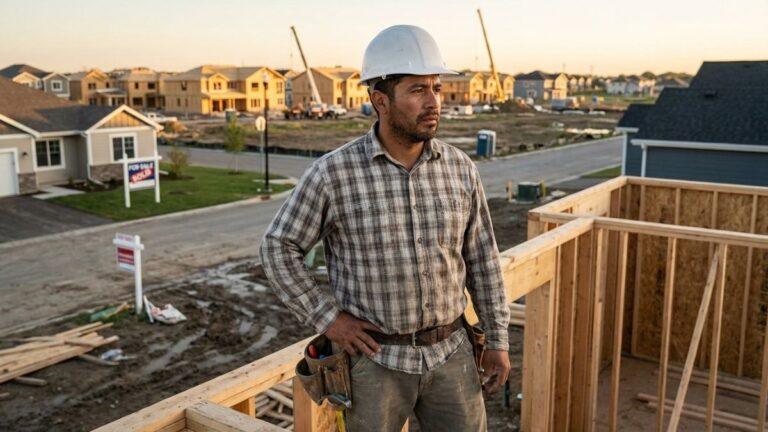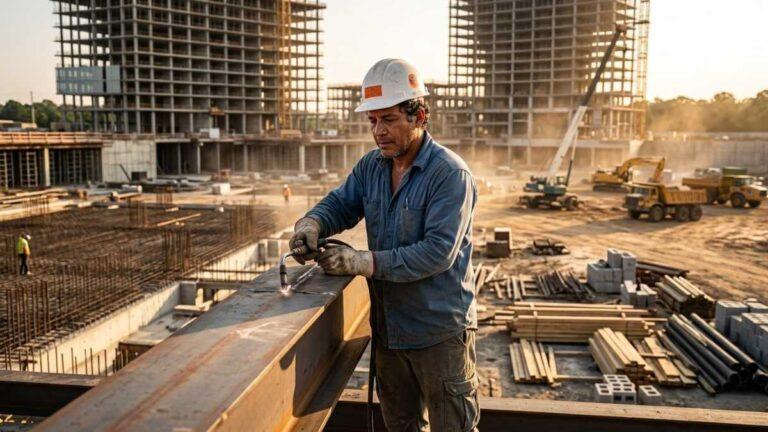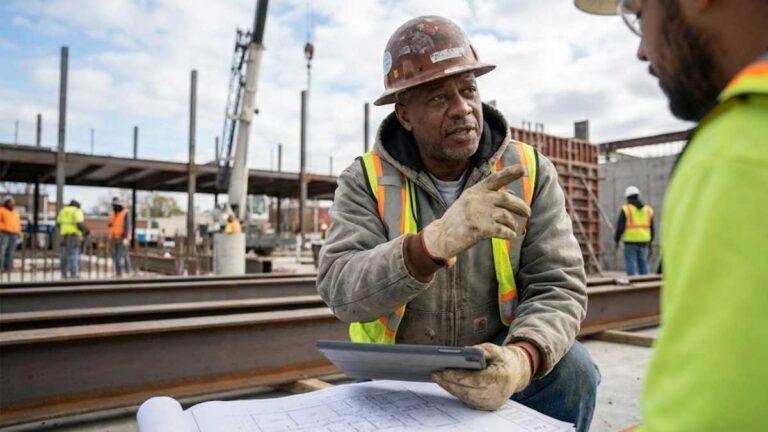
Across the United States, many contractors are looking at their pipelines and feeling confused. On paper, projects exist. Conversations are active. Designs are moving. Feasibility studies are complete. Yet final commitments are being delayed, pushed quarter after quarter, even in markets where demand remains structurally strong.
This disconnect is not accidental. Developers are not indecisive. They are recalibrating how risk is absorbed, timed, and priced in a construction environment that no longer behaves predictably.
In 2026, a “full pipeline” does not mean projects are ready to break ground. It means projects are being staged, stress-tested, and paused intentionally until multiple uncertainties align.


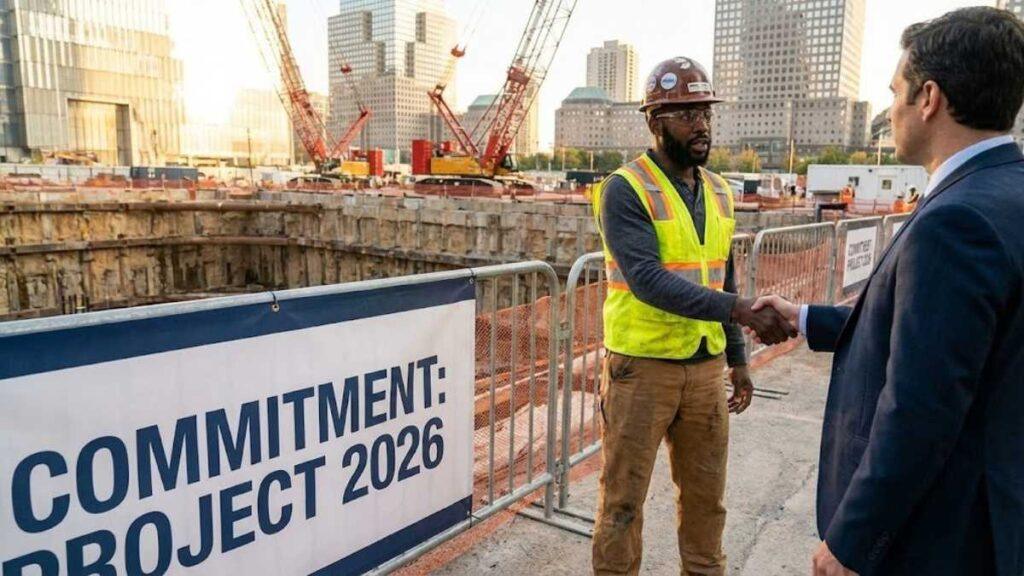
The difference between interest and commitment in 2026
Developers today separate interest from obligation more aggressively than in previous cycles. Expressing intent carries little downside. Signing contracts locks in exposure.
Between those two moments sit unresolved variables: financing terms that may change, insurance premiums that are still moving, subcontractor availability that can shift in weeks, and material pricing that no longer stabilizes on traditional timelines.
As long as these variables remain fluid, developers prefer optionality over speed.
Cost volatility is forcing developers to wait for clarity, not deals
Construction input prices are no longer just higher. They are unstable. That instability makes early commitments dangerous.
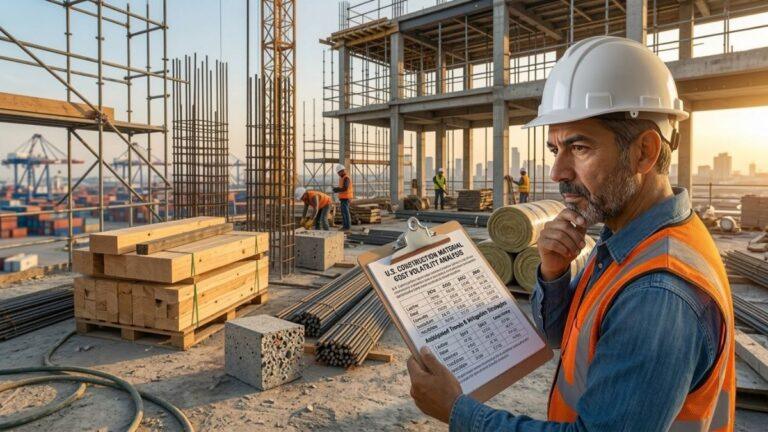
Developers delay final decisions to observe trends in steel, concrete, mechanical systems, and specialty trades. A three to six month delay can materially change project feasibility. In that context, waiting is not lost time. It is risk management.
Projects that once moved forward on assumptions now wait for confirmation.
Financing pressure creates a hidden bottleneck
Even when lenders remain interested, financing conditions are rarely final. Loan-to-cost ratios shift. Contingency requirements increase. Equity expectations grow. Rate locks become shorter.
Developers delay commitments because capital is conditional. Signing construction contracts before financing terms are fully secured creates exposure that many are unwilling to carry.
This is especially true for mid-size developers who cannot absorb cost overruns without damaging balance sheets.
Labor uncertainty is reshaping developer behavior
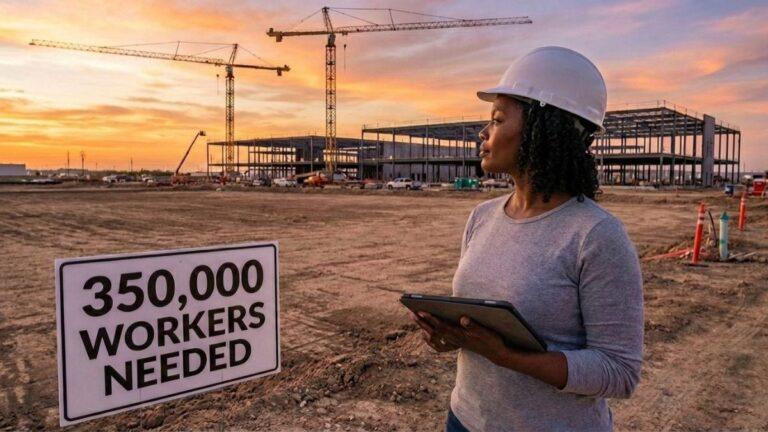
Developers now understand that labor availability is not guaranteed. Even if pricing is acceptable today, execution risk remains high if crews cannot be secured consistently.
In markets where infrastructure, data centers, and industrial projects compete for the same labor pool, developers hesitate to commit without contractor assurances that go beyond estimates.
Projects stall not because developers doubt demand, but because they doubt predictability.
Advertising
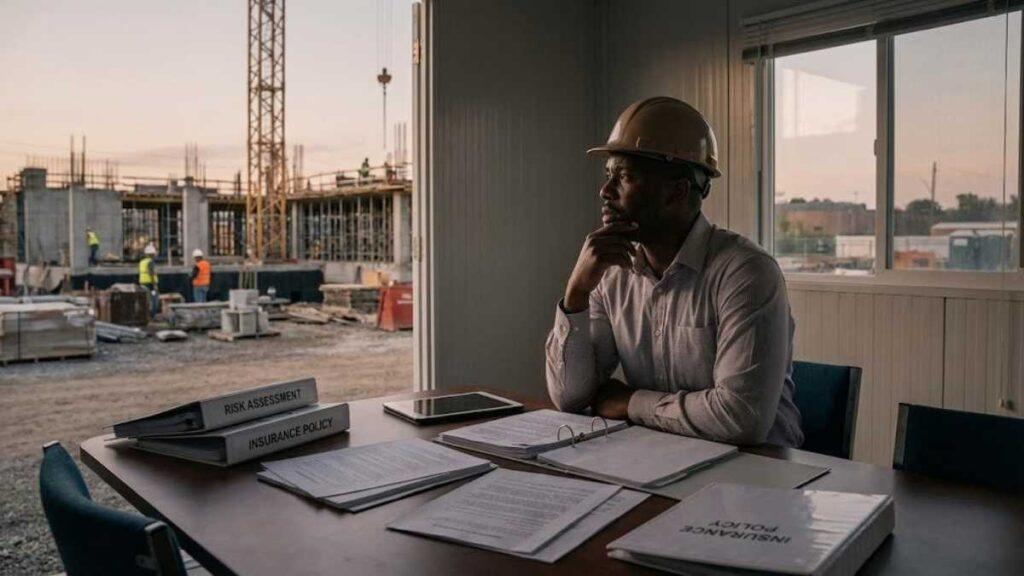
Insurance and legal risk delay decisions quietly
Insurance costs and exclusions have become deal-breakers late in the process. Developers delay commitments to ensure coverage terms align with lender expectations and risk tolerance.
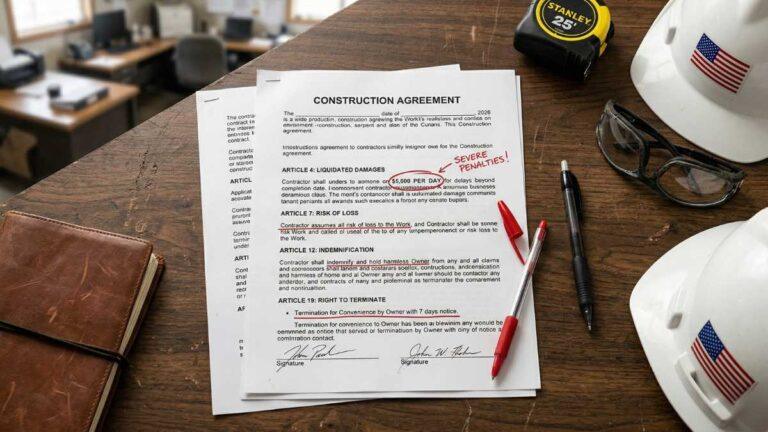
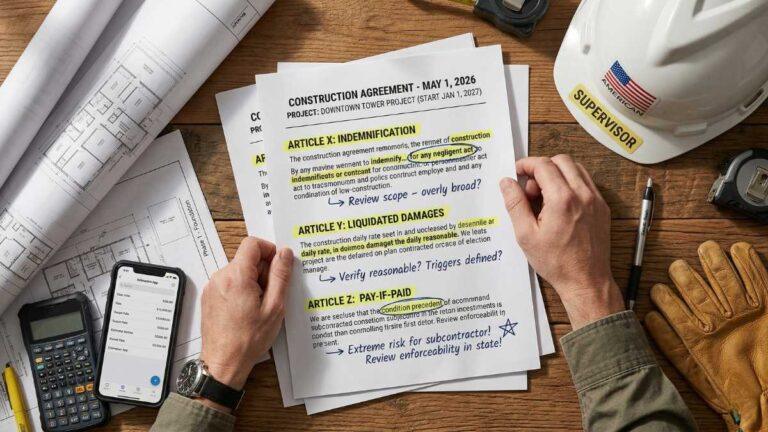
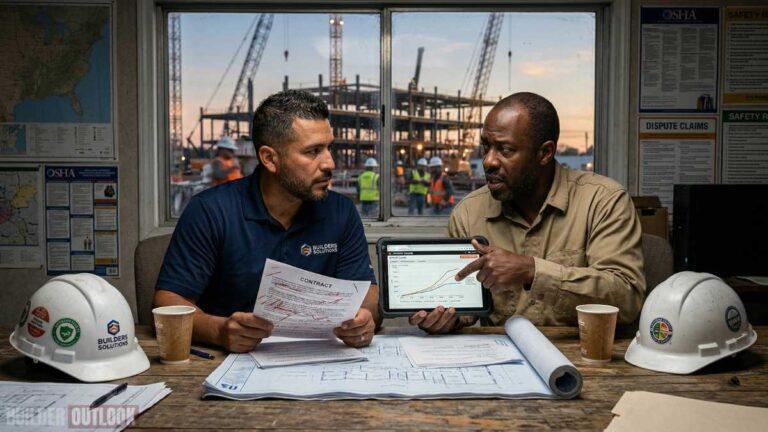
At the same time, dispute risk has increased. Developers now scrutinize contract language more carefully, slowing negotiations that previously moved quickly.
This legal friction extends preconstruction timelines without obvious external signals.
Why contractors misread “full pipelines”
Many contractors mistake developer engagement for readiness. Meetings, RFPs, and design progress feel like momentum. But developers now use extended preconstruction phases to buy time, not to accelerate starts.
Contractors who assume commitment based on activity alone misallocate resources and forecasting.
Understanding this behavioral shift is critical to managing backlog expectations.
GEO factors amplify delays in certain regions
Markets like Florida, Texas, California, Arizona, and New York face unique combinations of insurance pressure, labor competition, and regulatory scrutiny. Developers operating in these regions delay commitments more frequently because the downside risk is amplified.
Projects are not dead. They are gated.
What developers are actually waiting for
Developers delay commitments until they see alignment across financing certainty, stabilized cost inputs, secured labor, insurable risk, and realistic schedules.
Only when these variables converge does optional interest convert into binding obligation.
What this means for contractors in 2026
Contractors who want projects to move must help reduce uncertainty, not just price work. That means transparent assumptions, realistic schedules, early subcontractor engagement, and documentation that supports lender and developer confidence.
Speed no longer wins deals. Credibility does.
More from Builder Inteligence

FAQ – Why developers delay construction commitments
1. Why are developers delaying projects even when demand is strong?
Developers delay commitments because demand alone does not mitigate execution risk. Volatile costs, uncertain labor availability, shifting financing terms, and insurance exposure force developers to wait until risk variables stabilize.
2. Does a full construction pipeline mean projects will start soon?
Not necessarily. A full pipeline indicates interest and planning activity, not readiness to break ground. Many projects remain conditional until financing, pricing, and risk factors align.
3. How does financing uncertainty affect developer decisions?
Financing terms change frequently in 2026. Developers delay commitments to avoid signing construction contracts before final loan structures, contingencies, and rate conditions are locked.
4. Why does labor availability cause project delays?
Labor shortages introduce schedule risk. Developers hesitate to commit when contractors cannot demonstrate reliable staffing, especially in competitive labor markets.
5. Are insurance issues really delaying projects?
Yes. Rising premiums, exclusions, and bonding constraints often surface late in negotiations, forcing developers to pause until coverage aligns with lender and legal requirements.
6. How do GEO conditions influence developer behavior?
Regional factors like climate risk, litigation environments, labor competition, and regulation increase uncertainty, causing developers in certain states to delay commitments more aggressively.
7. What can contractors do to help projects move forward?
Contractors can reduce uncertainty by offering realistic schedules, transparent pricing assumptions, early subcontractor commitments, and documentation that supports lender confidence.
8. Is this delay trend temporary?
No. It reflects a structural shift toward risk-managed development rather than speculative acceleration.