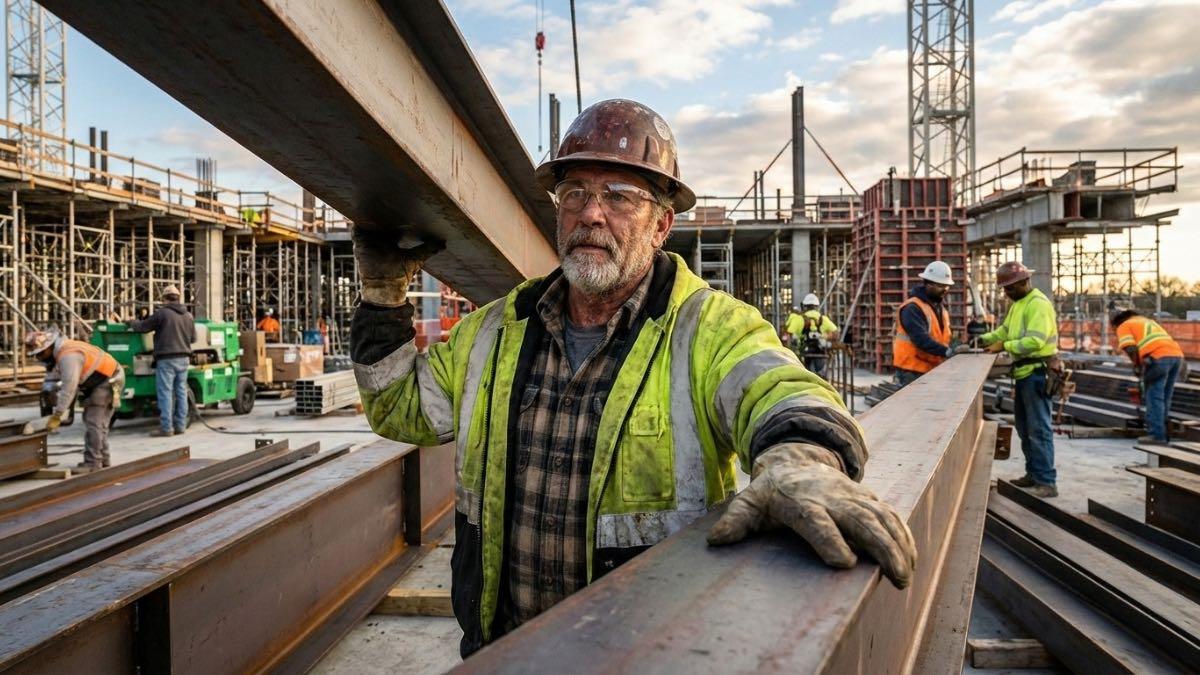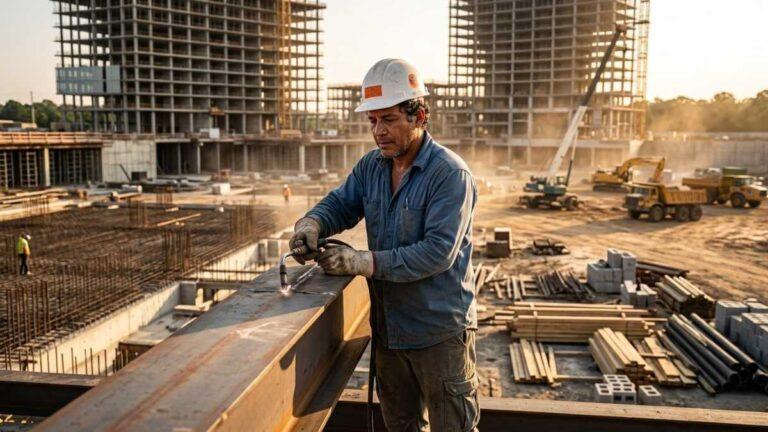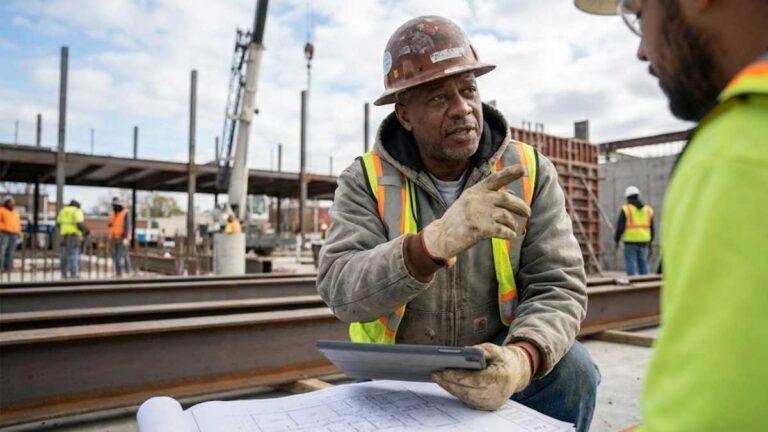
Workforce productivity has become one of the most misunderstood topics in construction. Many contractors still believe that higher output requires more people, more overtime, or more pressure on crews. In 2026, the most competitive contractors in the United States are proving the opposite. They are increasing output without expanding headcount by fixing structural inefficiencies that silently drain productivity every day.
The productivity gap between average contractors and top performers is not driven by effort. It is driven by systems. Crews do not become more productive by working harder when workflows are broken. They become more productive when friction is removed, decisions are clear, and jobsites run with predictability. This shift in mindset is redefining how labor capacity is measured across the industry.
Builder Inteligence
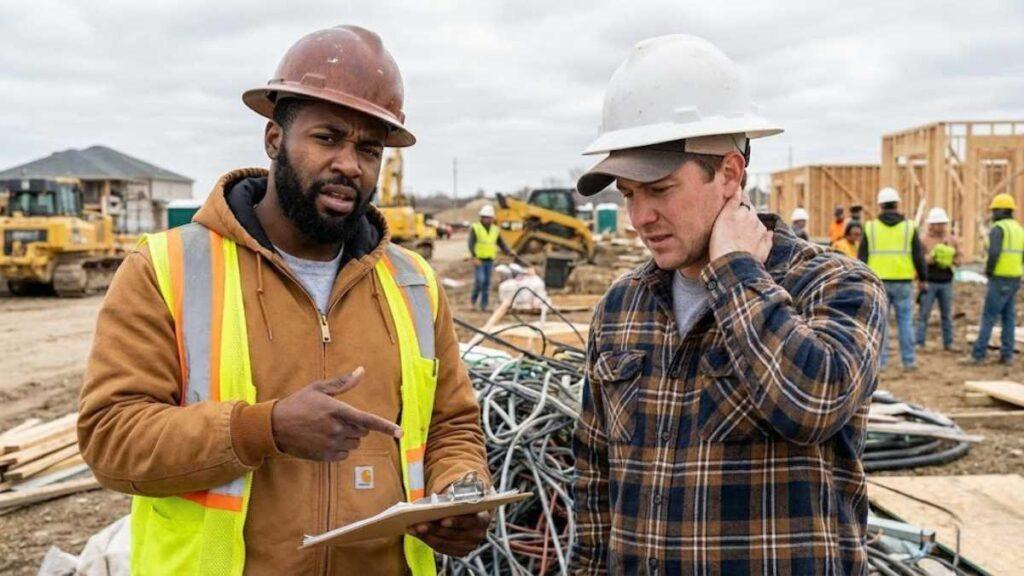
Why adding headcount no longer solves productivity problems
Adding workers to a broken system rarely increases output. In many cases, it reduces it. More people on poorly planned jobsites increase congestion, coordination errors, and supervision load. This creates diminishing returns that contractors often mistake for labor shortages rather than operational failure.
Top contractors understand that productivity losses usually come from waiting. Crews wait for materials, for decisions, for clarification, and for access. These idle moments accumulate into hours of lost output each week, even on fully staffed projects. No amount of hiring fixes waiting.
By focusing on workflow reliability instead of headcount expansion, leading contractors stabilize output and reduce stress on crews. This approach treats productivity as a management problem, not a labor problem.
How workflow clarity drives measurable productivity gains
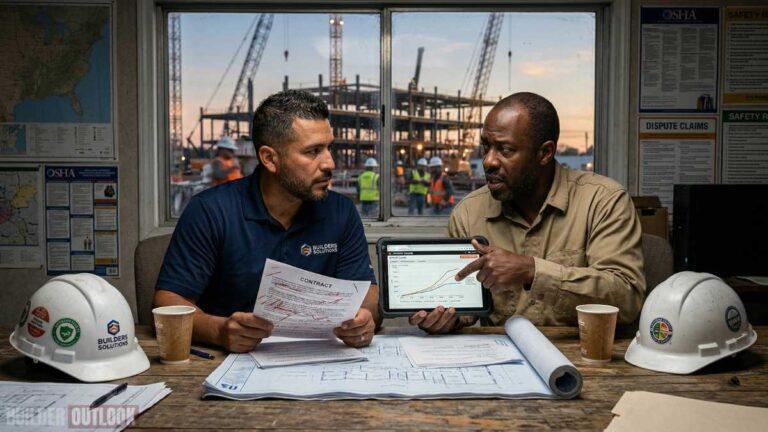
Workflow clarity starts before the jobsite opens. Clear scopes, coordinated drawings, and realistic schedules prevent confusion that leads to rework and stoppages. When crews know exactly what is expected and when, they move with confidence instead of hesitation.
Daily planning plays a critical role. Top contractors implement short, structured planning routines that align crews, supervisors, and materials. These routines eliminate guesswork and reduce downtime caused by misalignment between trades.
Clarity also extends to decision authority. Crews perform better when they know who can make decisions quickly. Removing approval bottlenecks increases momentum and keeps production flowing throughout the day.

The role of supervisors in output without burnout
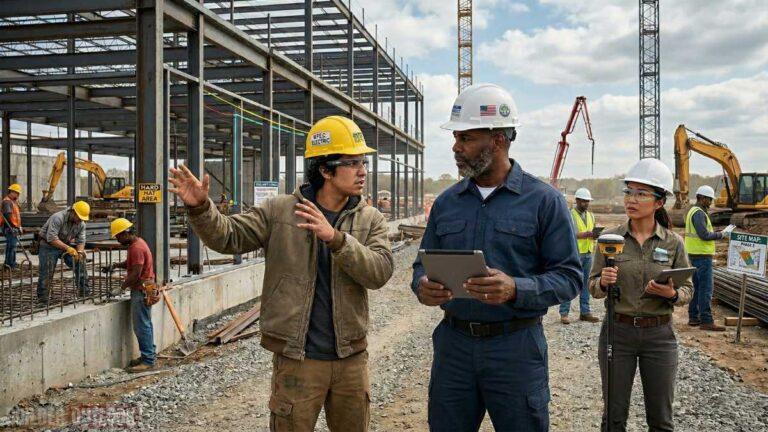
Supervisors are the central productivity lever. Their role is not to push crews harder but to protect their time. Effective supervisors anticipate constraints, coordinate resources, and resolve issues before they stop work.
In high-performing organizations, supervisors are trained to think ahead instead of reacting. They monitor workflow health, not just task completion. This prevents small disruptions from cascading into full-day productivity losses.
Leadership presence also matters. Crews are more productive when supervisors are visible, communicative, and consistent. This reduces uncertainty and creates a stable environment where work progresses smoothly.
Technology as a productivity amplifier, not a shortcut
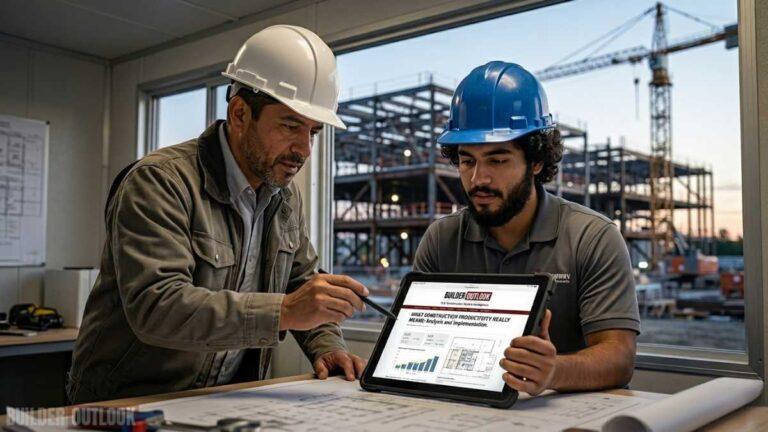
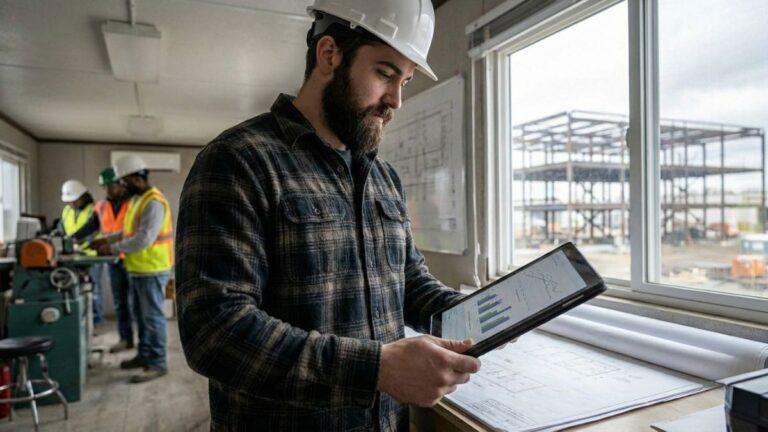
Technology supports productivity only when workflows are already disciplined. Tools that track progress, coordinate schedules, or document work help teams see problems early and adjust quickly. However, technology does not replace planning or leadership.
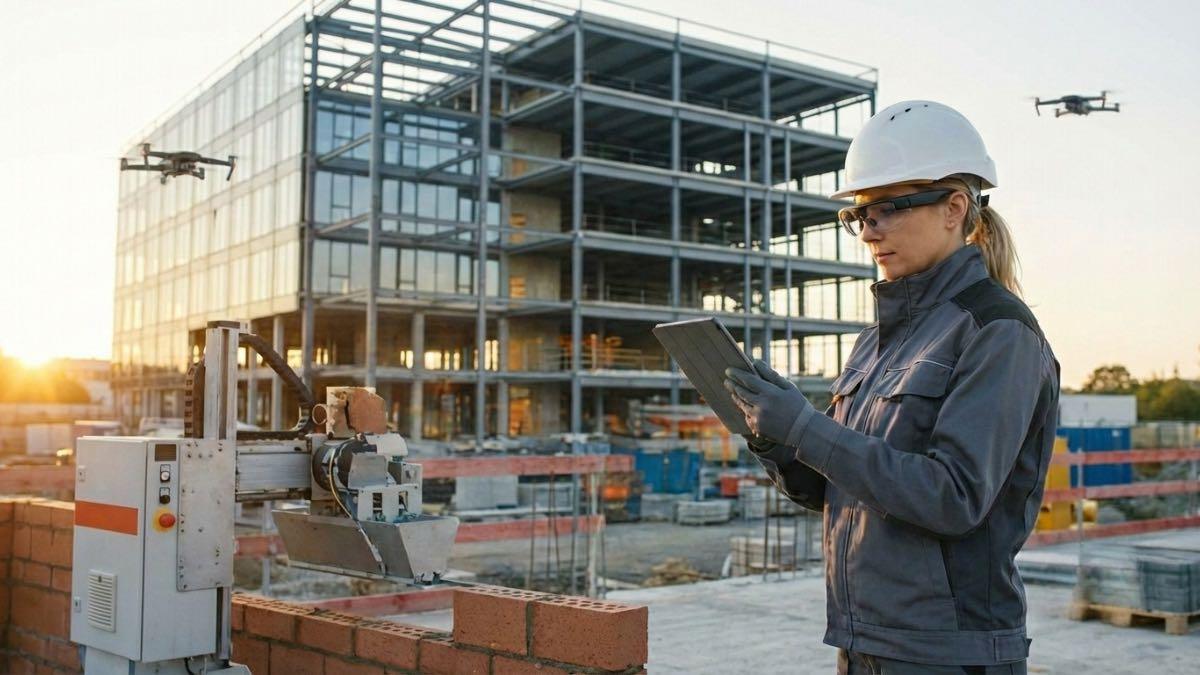
Top contractors deploy technology selectively. They focus on tools that reduce waiting, improve coordination, and provide real-time visibility into jobsite conditions. This targeted use amplifies output without overwhelming crews.
When technology aligns with operations, productivity gains compound. When it does not, it adds friction. The difference lies in implementation discipline.
Why productivity gains protect margins and retention
Higher productivity without headcount growth protects margins in volatile markets. Contractors who deliver more output per crew hour absorb cost increases more effectively and maintain pricing power.
Productivity also supports retention. Crews prefer working on jobsites where work flows smoothly and stress is manageable. Reducing chaos reduces burnout, which stabilizes the workforce over time.
In 2026, productivity is no longer a back-office metric. It is a frontline competitive advantage that separates scalable contractors from those stuck in constant labor firefighting.
More from Builder Inteligence
Advertising

FAQ – Workforce productivity: how top contractors build output without headcount
1. How do top contractors increase productivity without hiring more workers?
They remove workflow friction by improving planning, coordination, and decision-making. Productivity gains come from reducing waiting, rework, and confusion, not from increasing effort or hours.
2. What is the biggest cause of low productivity on jobsites?
Waiting. Crews lose significant time waiting for materials, approvals, or clarification. Eliminating these delays creates immediate productivity gains.
3. Does technology automatically improve workforce productivity?
No. Technology only amplifies existing operational discipline. Without clear workflows and leadership, tools often increase complexity instead of output.
4. What role do supervisors play in productivity?
Supervisors protect crew time by anticipating constraints, coordinating resources, and resolving issues quickly. Their effectiveness directly determines output consistency.
5. Can small contractors achieve the same productivity gains as large firms?
Yes. Smaller contractors often move faster because they can implement clear workflows and communication routines without bureaucratic delays.
6. How does productivity affect worker retention?
Stable, organized jobsites reduce stress and burnout. Crews are more likely to stay where work flows predictably and leadership is present.
7. Is overtime a solution for low productivity?
Overtime masks underlying issues temporarily but often increases fatigue and errors, reducing long-term output and increasing turnover risk.
8. Why is productivity critical in 2026 specifically?
Because labor availability is constrained and cost volatility is high. Contractors must do more with existing crews to remain competitive.