A construction website no longer exists to explain everything a company does. Its real job is far more brutal and far more simple. It must convince a potential client, in less than ten seconds, that this contractor is credible, relevant, and worth contacting. In today’s market, owners, developers, and property managers do not read websites carefully on the first visit. They scan. They judge. They eliminate. If your website fails this initial test, the sale is lost before the first call, before the first email, and before your estimating team even knows an opportunity existed.
Those ten seconds are shaped by buyer psychology, not design trends. Visitors are subconsciously asking three questions. Do you do what I need. Do you look like you can handle a project like mine. Do others trust you enough that I feel safe calling you. If your website does not answer these questions immediately and clearly, no amount of detailed content later will save the conversion. This is why many construction websites are technically “good” but commercially ineffective.
Another critical factor is that most visitors arrive with context. They have already searched locally, compared options, and filtered mentally. By the time they land on your site, you are being evaluated against competitors side by side. Your website is not competing against the internet. It is competing against the other five tabs already open. Speed of clarity wins.
In construction, where projects involve risk, capital, and long timelines, credibility must be communicated instantly. A website that looks generic, outdated, or vague creates friction. Friction kills trust. Trust is the currency of construction sales.
Builder Inteligence
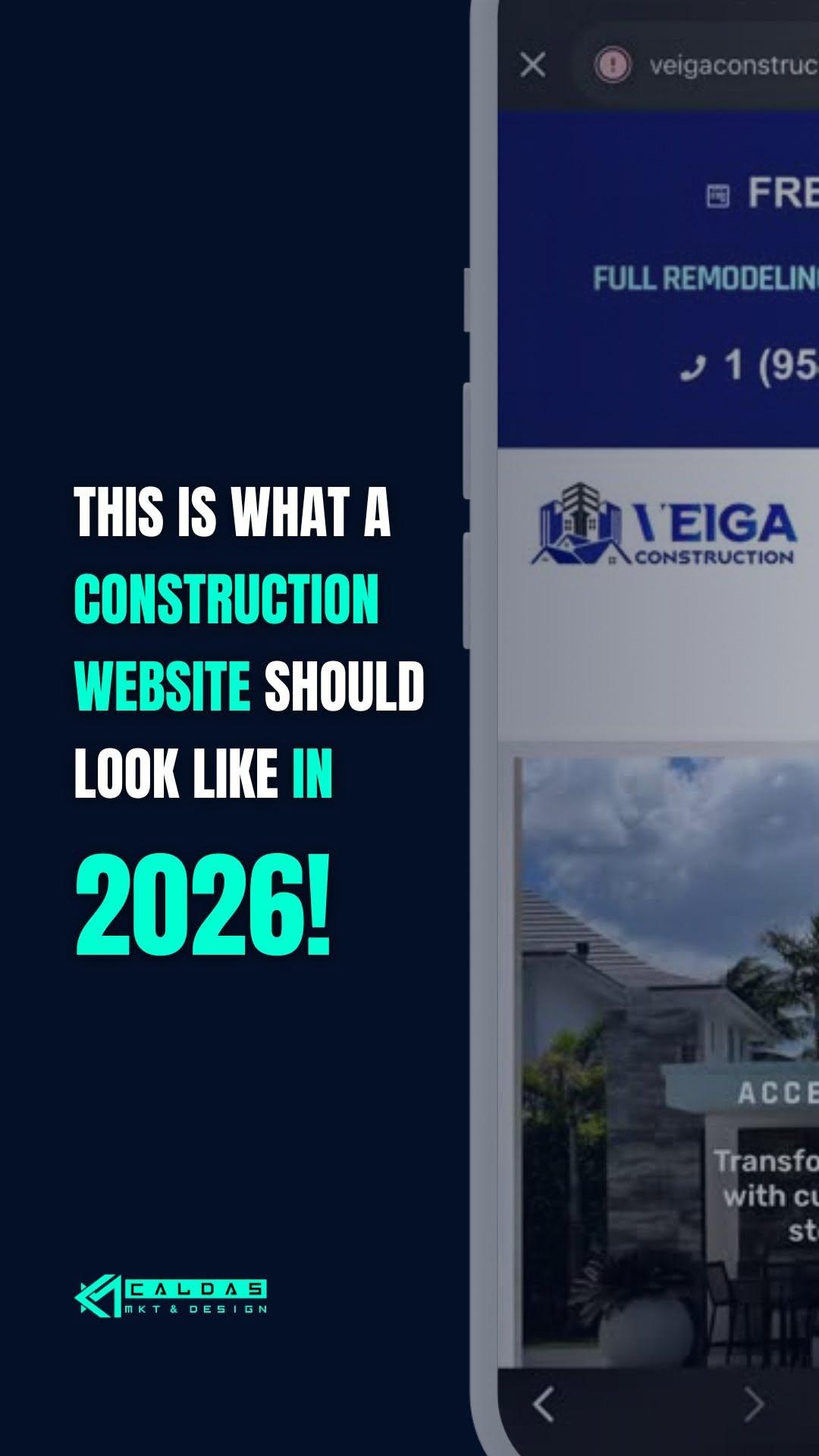
What visitors decide in the first ten seconds
The first decision is relevance. Visitors want immediate confirmation that your company serves their type of project, their location, and their scale. This must be obvious above the fold. Clear service statements, geographic focus, and project types should be visible without scrolling. Ambiguity causes hesitation, and hesitation leads to exits.
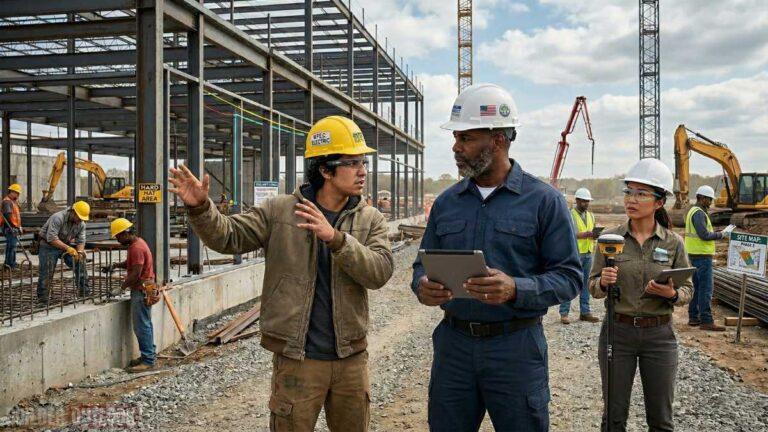
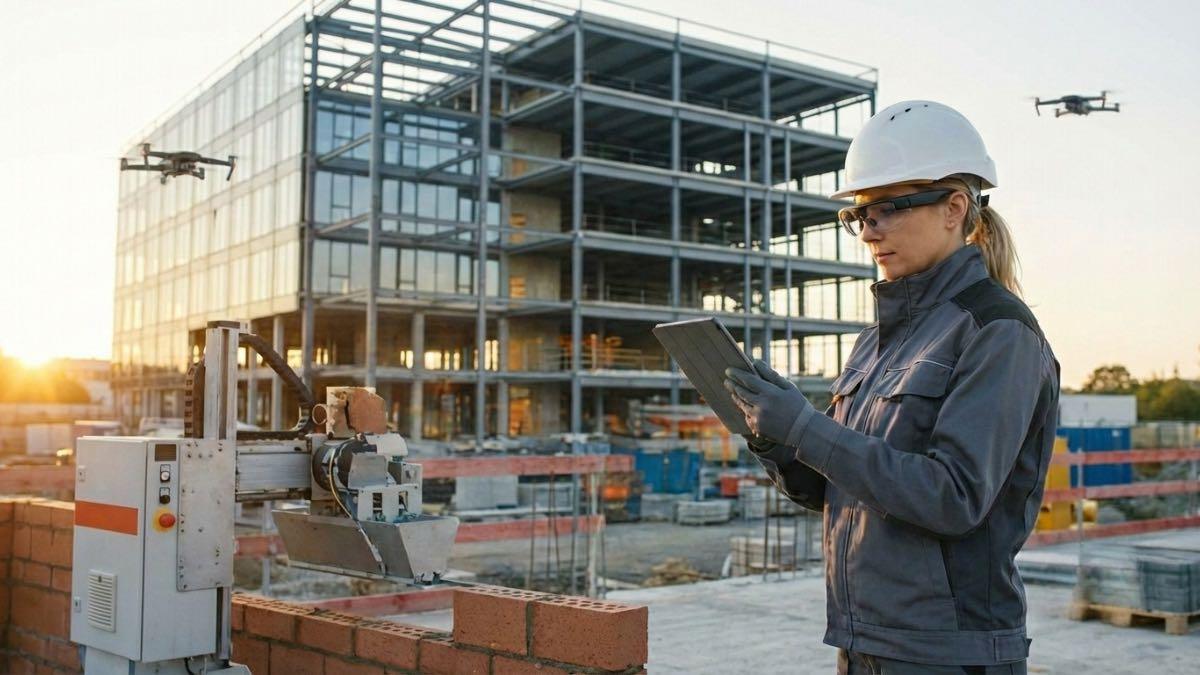
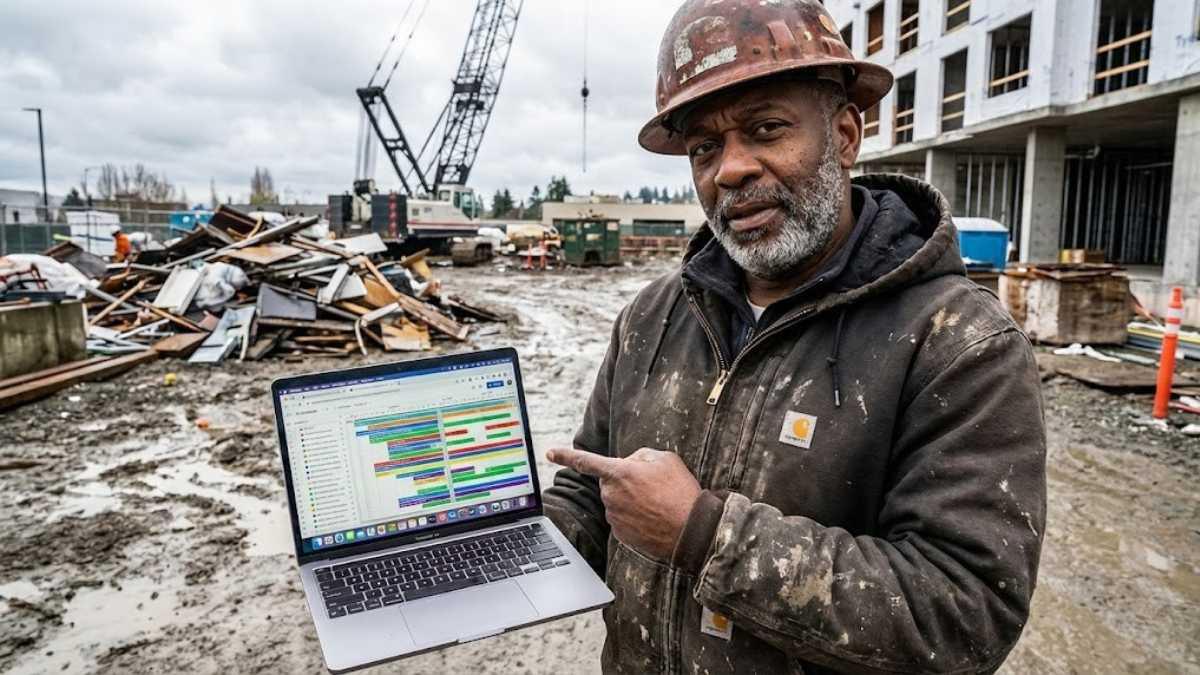
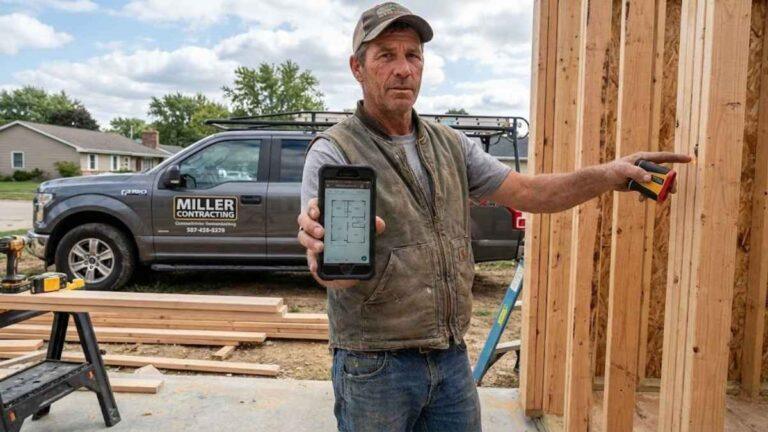
The second decision is perceived capability. Visual proof matters. Real project photos, clear descriptions, and professional presentation signal operational maturity. Stock imagery, vague language, or cluttered layouts signal risk. Buyers are not impressed by creativity. They are reassured by evidence.
The third decision is trust. Reviews, affiliations, certifications, and recognizable clients act as shortcuts to confidence. In ten seconds, a buyer may not read testimonials, but they notice star ratings, logos, and signals of legitimacy. These cues lower psychological barriers and increase the likelihood of engagement.
If any of these three decisions fail, the visitor leaves. This is why conversion-focused construction websites prioritize hierarchy, clarity, and proof over decoration.
The structure of a high-conversion construction website
A website that sells construction services quickly follows a disciplined structure. The hero section must state who you serve, what you do, and where you operate in plain language. This is not branding poetry. It is commercial positioning. Clarity here directly impacts lead quality.
Immediately following this, proof must appear. Project examples, quantified experience, and clear outcomes demonstrate that your claims are real. Contractors who hide proof deeper in the site lose momentum. Proof belongs early because risk evaluation happens early.
Navigation also plays a role. Visitors should never feel lost or overwhelmed. Each page should guide them toward a single action. Request a quote. Schedule a call. View similar projects. Too many options dilute intent. Simplicity increases conversion.
Finally, performance is non-negotiable. A slow website undermines trust instantly. In construction, where timelines and execution matter, speed communicates competence. A fast, clean site subconsciously reinforces reliability.

Why most construction websites fail to sell
Most failures stem from internal thinking. Contractors build websites to describe themselves, not to convert buyers. They focus on company history instead of buyer outcomes. They emphasize years in business without explaining relevance to the visitor’s problem.
Another common mistake is treating the website as a brochure instead of a sales system. A brochure informs. A sales system guides. Without clear calls to action, supporting proof, and logical flow, even well-designed sites underperform.
Finally, many contractors underestimate the importance of ongoing refinement. A website is not a one-time project. As markets shift, services evolve, and competition changes, the site must adapt. Contractors who review performance data and refine messaging consistently outperform those who leave their site untouched for years.
A construction website that sells in ten seconds is not aggressive. It is respectful of the buyer’s time. It delivers clarity fast, reduces uncertainty, and invites the next step with confidence.
More from Builder Inteligence

FAQ – How to build a website that sells construction services in 10 seconds
1. Why is the first ten seconds so important for construction websites?
Most visitors make an initial decision almost instantly based on relevance, credibility, and trust. In construction, buyers are risk-sensitive and time-constrained. If these signals are not immediately clear, they leave without exploring further, regardless of content depth elsewhere.
2. What should be above the fold on a contractor website?
The above-the-fold area should clearly state services, locations, and project types, supported by strong visuals and trust signals. This section must answer who you serve, what you do, and why you are credible without requiring scrolling.
3. Do construction websites need a lot of written content to convert?
Depth matters later, but conversion depends on clarity first. Strategic messaging, proof, and structure outperform long explanations upfront. Detailed content supports credibility after interest is established, not before.
4. How do reviews and testimonials affect website conversion?
They reduce perceived risk. Even when not read in full, visible reviews and ratings act as social proof. In construction, where mistakes are costly, this reassurance significantly increases contact rates.
5. How often should contractors update their websites?
Websites should be reviewed continuously. Market changes, new projects, and evolving services should be reflected regularly. Contractors who treat their website as a living sales asset maintain stronger conversion performance over time.