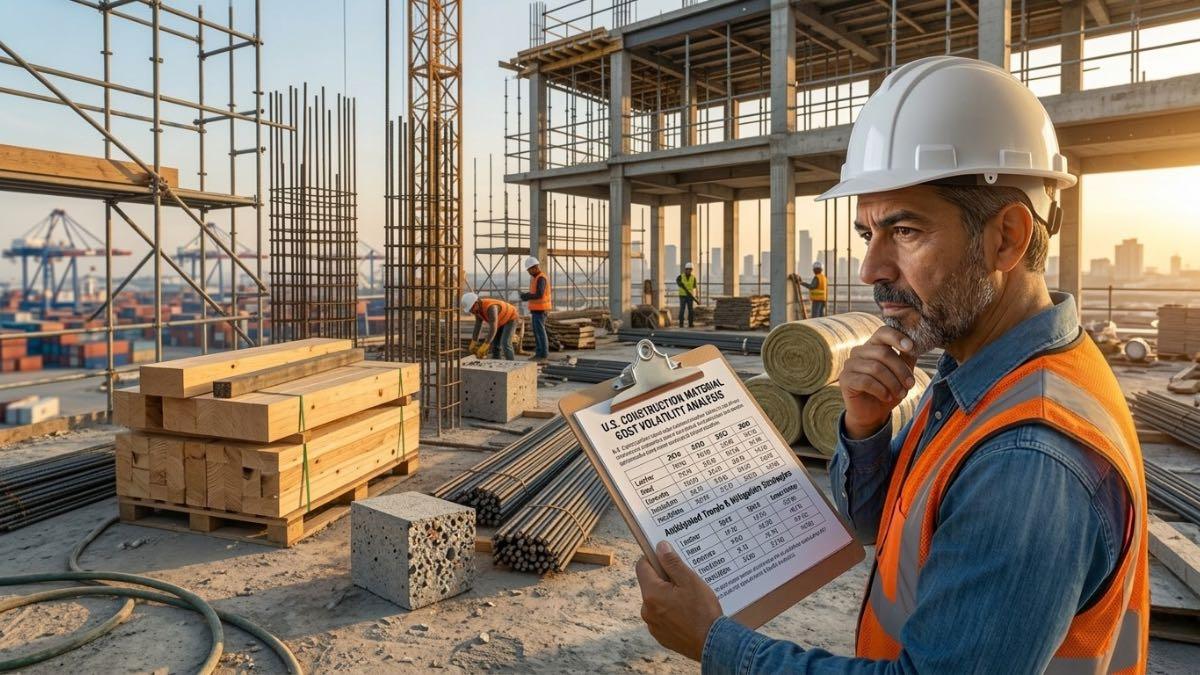
Understanding the forces driving construction material costs and how contractors can plan for market volatility
Construction material prices play a decisive role in determining the profitability of projects across the United States. While labor costs often receive significant attention in contractor budgeting, the volatility of material prices can have an equally dramatic impact on construction companies. Sudden increases in lumber, steel, concrete, insulation, or roofing materials can transform profitable contracts into financial losses if contractors do not properly anticipate market trends.
Over the past decade, the U.S. construction industry has experienced significant fluctuations in material prices due to supply chain disruptions, global economic shifts, transportation constraints, and increased demand for housing and infrastructure. Builders who monitor these price trends carefully are far better positioned to negotiate contracts, secure supplier relationships, and structure bids that protect their margins.
Understanding construction material price trends requires more than simply observing short-term cost changes. Contractors must evaluate the deeper economic forces that influence supply and demand within the building materials sector. Global manufacturing output, domestic production capacity, transportation costs, energy prices, tariffs on imported materials, and large-scale infrastructure spending programs can all influence construction material prices across the United States.
For contractors, developers, and construction executives, analyzing material price trends is not merely an academic exercise. It is a strategic business activity that influences project scheduling, procurement strategies, supplier negotiations, and long-term financial planning. Builders who develop a disciplined approach to monitoring these trends gain a competitive advantage in an industry where margins are often narrow and risk exposure can be significant.
The most important construction materials affecting project costs
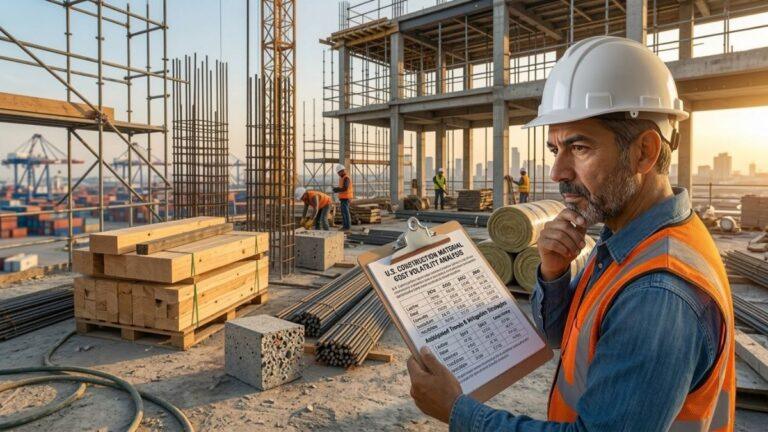
Construction projects rely on a wide range of materials, but several key categories consistently account for the majority of total material expenses. These materials include lumber, structural steel, concrete, gypsum products, copper wiring, insulation materials, roofing components, and mechanical systems such as HVAC equipment.
Among these materials, lumber has historically been one of the most volatile commodities in the construction sector. Lumber prices can fluctuate dramatically depending on forest production levels, wildfire impacts, trade disputes, and housing demand. During periods of strong residential construction activity, lumber demand increases significantly, often leading to rapid price escalation.
Steel is another critical material whose pricing is heavily influenced by global economic conditions. Structural steel, reinforcing bar, and fabricated metal components are essential for commercial buildings, bridges, and infrastructure projects. Steel prices respond strongly to international manufacturing output, trade policies, and energy costs.
Concrete represents another major cost category, particularly in large-scale infrastructure and commercial construction projects. Concrete prices depend on cement production, aggregate supply, transportation costs, and regional demand for large construction developments.
Contractors who monitor price movements across these materials can anticipate cost pressures earlier and adjust their procurement strategies accordingly.
A reliable source of construction material price data is the Producer Price Index published by the U.S. Bureau of Labor Statistics.
U.S. Bureau of Labor Statistics – Producer Price Index for Construction Materials
https://www.bls.gov/ppi
This dataset tracks price changes across a wide range of construction materials and provides valuable insight into long-term cost trends.
How global supply chains influence U.S. construction material prices
The construction industry in the United States is deeply connected to global supply chains. Even materials that are produced domestically often rely on imported components or raw materials. Steel manufacturing may depend on imported scrap metal or iron ore, while electrical systems rely on copper mined in multiple regions of the world.
Disruptions in international logistics can therefore create significant price volatility in construction materials. Shipping delays, port congestion, geopolitical tensions, or changes in trade regulations can rapidly increase the cost of imported materials. When these disruptions occur simultaneously with strong domestic demand for construction projects, price spikes can become even more severe.
Energy prices also play a major role in material costs. Cement production, steel manufacturing, and chemical-based building materials require substantial amounts of energy during production. When oil, natural gas, or electricity prices increase, the cost of producing and transporting construction materials typically rises as well.
Contractors who understand these global supply chain relationships can better anticipate price changes before they reach local suppliers. Monitoring global commodity markets, energy trends, and international trade policies helps builders prepare for cost fluctuations that might otherwise appear unpredictable.
The U.S. Geological Survey provides valuable information on the production and supply of key construction minerals.
U.S. Geological Survey – Mineral Commodity Summaries
https://www.usgs.gov
Regional differences in material prices across the united states
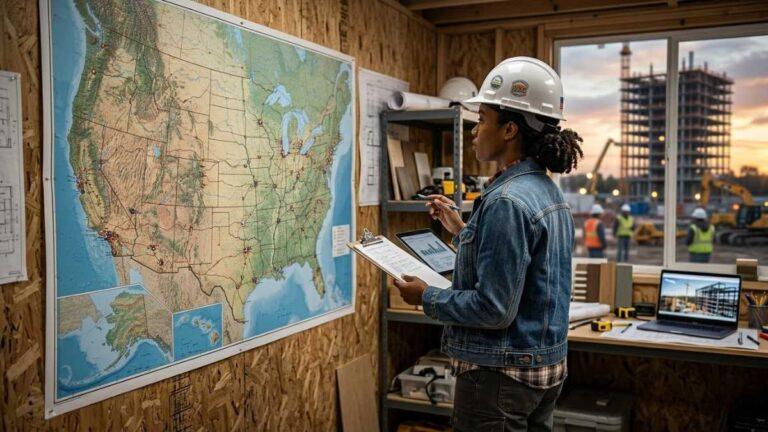
Material prices also vary significantly across different regions of the United States. Transportation costs, local supply availability, and regional demand for construction services can all influence the final price contractors pay for building materials.
For example, contractors operating in large metropolitan areas such as New York, Los Angeles, and Seattle often pay higher prices for certain materials due to transportation costs and local demand pressure. Remote regions may experience additional supply chain challenges because materials must travel longer distances from manufacturing facilities.
Natural disasters can also affect regional material prices. Hurricanes, wildfires, and severe storms often trigger sudden spikes in construction demand as rebuilding efforts begin. This surge in demand can temporarily increase material prices in affected regions as contractors compete for limited supplies.
Understanding these regional differences allows contractors to structure procurement strategies more effectively. Builders who establish strong relationships with regional suppliers often gain better pricing stability during periods of market volatility.
The National Association of Home Builders publishes detailed research on construction cost factors affecting homebuilders.
National Association of Home Builders – Construction Cost Surveys
https://www.nahb.org



Strategies contractors use to protect against material price volatility
Experienced contractors recognize that material price volatility is an unavoidable part of the construction industry. Rather than attempting to predict every price change, successful builders implement strategies designed to reduce exposure to sudden cost increases.
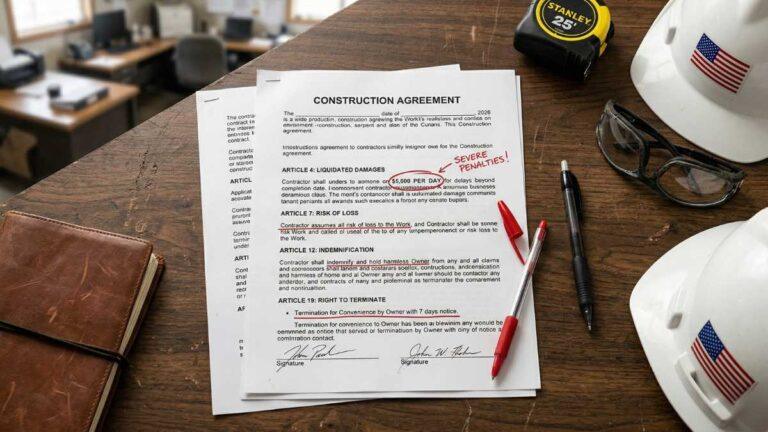
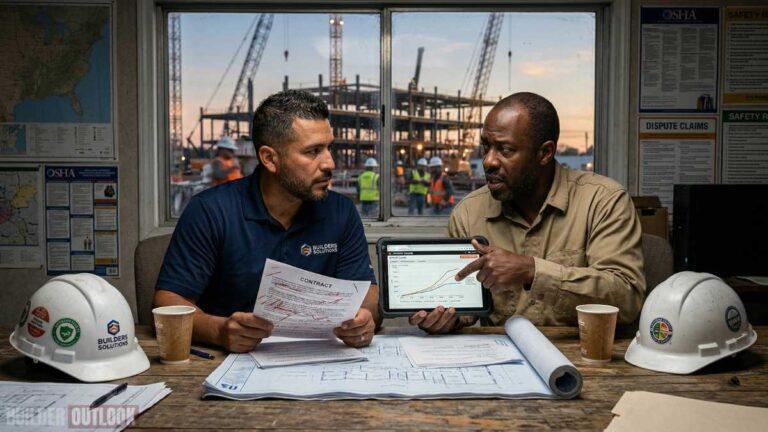
One common strategy is the use of price escalation clauses in construction contracts. These contractual provisions allow contractors to adjust project pricing if material costs increase beyond a certain threshold during the construction period. Escalation clauses help distribute risk between contractors and project owners, reducing the likelihood that builders will absorb large unexpected cost increases.
Another strategy involves establishing long-term relationships with reliable suppliers. Contractors who consistently purchase materials from trusted suppliers often receive priority allocation during supply shortages. These relationships can also provide access to more favorable pricing structures and early notification of upcoming price changes.
Bulk purchasing agreements can also reduce material costs. Contractors working on multiple projects simultaneously may negotiate volume discounts with suppliers. By consolidating purchasing across several projects, builders can stabilize pricing and reduce exposure to short-term market fluctuations.
Builders who integrate these procurement strategies into their operations are better prepared to manage material price volatility and maintain financial stability across projects.
Interlink suggestions for the cluster
Contractors analyzing construction material prices should also understand the broader cost structure of building projects. A deeper explanation can be found in the article:
Cost breakdown of building a house in the United States
Builders who want to improve financial planning strategies should also review:
Average construction labor cost per hour in the U.S.
Together, these cost analyses provide a comprehensive understanding of construction project economics.



FAQ – Construction material price trends in the united states
1. Why do construction material prices fluctuate so much in the United States?
Construction material prices fluctuate due to changes in supply chain conditions, global manufacturing output, transportation costs, energy prices, and shifts in construction demand. Large infrastructure programs or housing booms can increase demand for materials quickly, causing temporary price spikes across the construction industry.
2. Which construction materials have the most volatile pricing?
Lumber, steel, copper, and petroleum-based products often experience the most volatility in the construction sector. These materials are influenced by global commodity markets, environmental events, trade regulations, and shifts in industrial production levels worldwide.
3. How do contractors protect themselves from sudden material price increases?
Contractors frequently use price escalation clauses in construction contracts to protect themselves from unexpected material cost increases. They may also negotiate long-term supplier agreements or purchase materials in bulk to stabilize pricing during volatile market conditions.
4. Where can contractors track reliable construction material price data?
Contractors can track price trends through official sources such as the U.S. Bureau of Labor Statistics, the National Association of Home Builders, and the U.S. Geological Survey, which publish detailed reports on construction material costs and supply conditions.
5. How do transportation costs affect building material prices?
Transportation costs play a major role in construction material pricing because many materials must travel long distances from manufacturing facilities to job sites. Rising fuel prices or shipping disruptions can significantly increase the final price contractors pay for materials.
6. Why do material prices vary between states or regions?
Material prices vary due to differences in supply availability, transportation distances, local demand for construction projects, and regional economic conditions. Areas experiencing rapid population growth often see higher material demand and price increases.
7. Can global economic events influence construction material prices in the United States?
Yes. International trade disputes, global manufacturing slowdowns, geopolitical conflicts, and shipping disruptions can all affect the availability and cost of construction materials imported into the United States.
8. How should contractors incorporate material price volatility into project estimates?
Contractors should include contingency allowances within project budgets and monitor supplier pricing regularly during the bidding process. Using flexible contract structures can also help manage the financial risk associated with sudden material price increases.