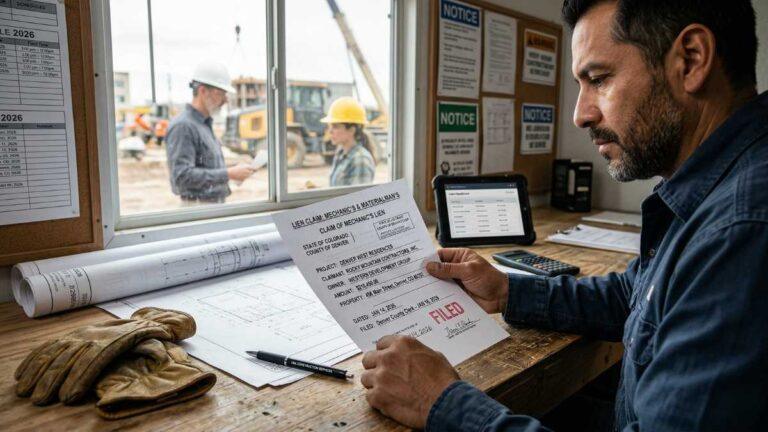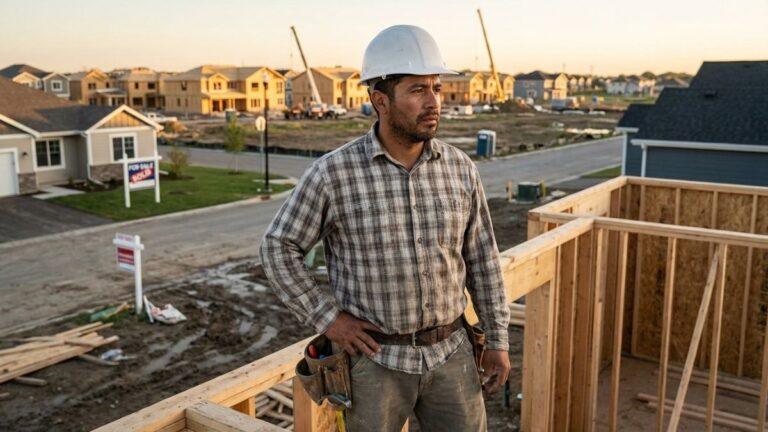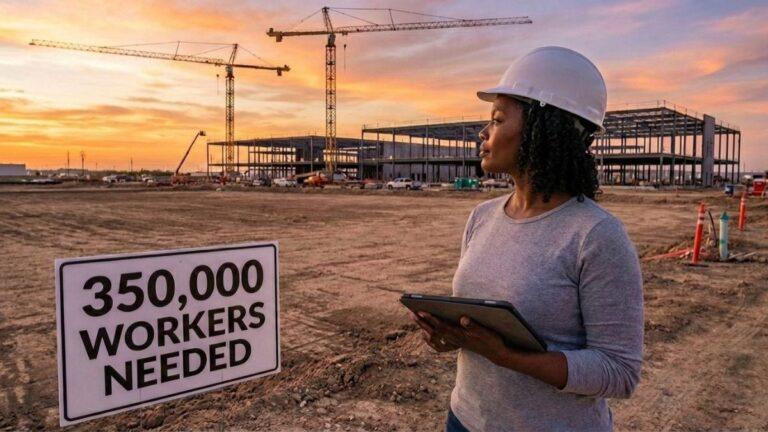
U.S. residential construction activity reached its highest level in five months in December, signaling a measurable response to lower borrowing costs and improving financial conditions. After a prolonged period of rate volatility, cautious buyer behavior, and margin compression, builders are cautiously reactivating pipelines. This rebound does not indicate a full recovery cycle, but it marks an important inflection point in housing momentum entering 2026.
Lower mortgage rates influence both buyer psychology and developer confidence. Even moderate reductions in financing costs shift qualification thresholds and monthly payment calculations, unlocking demand that had been temporarily sidelined. Builders interpret this shift as an opportunity to accelerate starts, particularly in markets where inventory remains constrained and demographic growth continues.
The increase in residential construction activity also reflects improved access to capital. Lenders, observing rate stabilization and more predictable macroeconomic signals, are gradually expanding construction loan availability. Financial conditions that were restrictive in prior quarters are now less prohibitive. The result is a housing sector cautiously re-engaging expansion plans.
However, the rebound remains tentative. Structural affordability challenges, elevated land costs, labor shortages, and regulatory burdens continue shaping long-term risk assessments. Builders are expanding strategically, not aggressively. The five-month high represents disciplined confidence rather than exuberance.

The role of lower mortgage rates in housing momentum
Mortgage rate stabilization is central to the December construction uptick. In recent quarters, rate uncertainty suppressed buyer urgency and delayed transactions. As rates eased and became more predictable, deferred demand began re-entering the market. Residential construction reacts quickly to shifts in demand expectations, particularly among publicly traded builders with scalable operations.
Lower rates improve not only buyer qualification but also builder financing structures. Construction loans tied to benchmark rates become more manageable, enhancing feasibility analyses for new projects. Developers can more accurately forecast absorption and carrying costs, reducing uncertainty in capital allocation.
Importantly, rate relief does not eliminate affordability constraints. Home prices remain elevated in many U.S. metro areas, particularly in high-growth states such as Texas, Florida, and Arizona. However, incremental rate adjustments meaningfully affect buyer sentiment, often serving as the catalyst for renewed activity.
Regional dynamics shaping the rebound
The rebound in residential construction is not evenly distributed. Sunbelt states with strong in-migration trends and employment growth continue to outperform. Markets with constrained supply and resilient job markets demonstrate higher absorption resilience compared to regions facing slower demographic expansion.
Builders are prioritizing markets with visible demand depth. Metropolitan areas benefiting from corporate relocation, infrastructure investment, and industrial growth support housing construction pipelines. In contrast, markets facing oversupply or regulatory friction exhibit more cautious expansion.
Local policy environments also influence activity. Zoning flexibility, permitting timelines, and development fees materially impact project feasibility. Builders operating in jurisdictions with streamlined approval processes respond more rapidly to favorable rate conditions.
Builder strategy in a cautious recovery phase
Despite improved financial conditions, builders are exercising discipline. Production pacing aligns closely with traffic metrics, cancellation rates, and backlog quality. Inventory management remains a central risk control tool. Overextension during fragile recoveries can create margin compression if demand softens again.
Incentives remain present but are becoming more targeted. Builders are balancing price integrity with conversion efficiency. Strategic use of rate buy-downs and closing cost assistance continues supporting transaction flow without triggering broad pricing resets.
Workforce planning also reflects measured optimism. Builders are expanding labor commitments selectively, recognizing ongoing skilled trade shortages. Construction firms that manage labor pipelines effectively position themselves to capitalize on sustained recovery if momentum persists through mid-2026.

Implications for contractors and suppliers
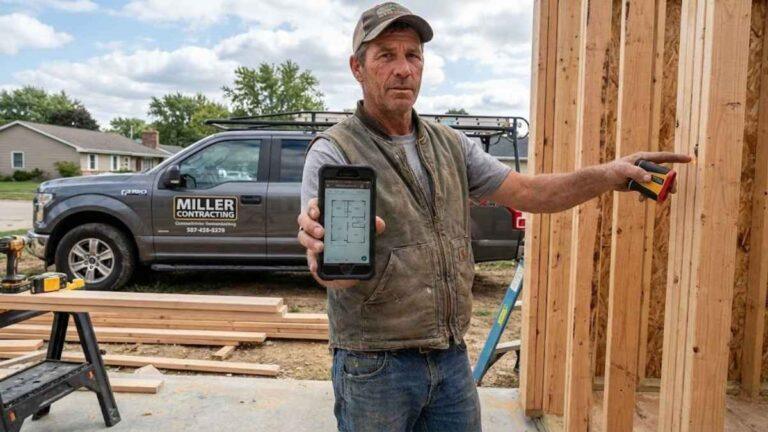
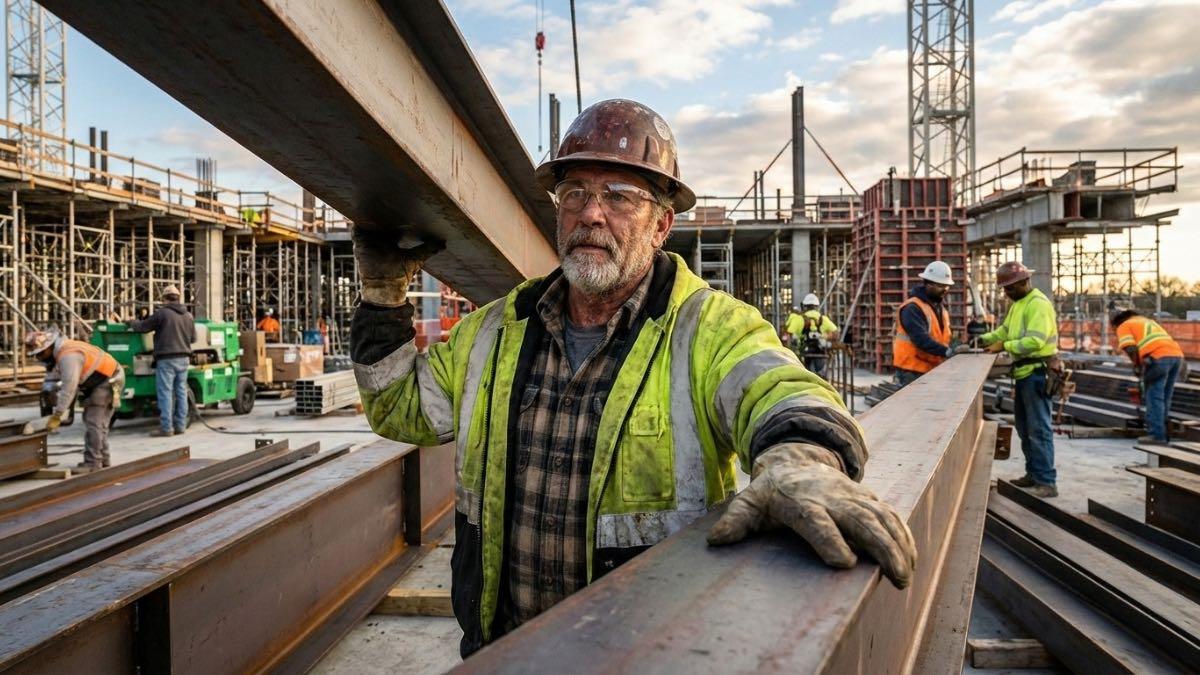
For general contractors, subcontractors, and material suppliers, the five-month high in residential activity signals cautious opportunity. Increased starts translate into steadier workloads, particularly in framing, electrical, plumbing, HVAC, and finishing trades. However, contractors must remain agile as regional demand varies.
Material demand may strengthen, particularly in lumber, roofing, insulation, and interior finishes. Supply chain stability, which improved in late 2025, supports predictable procurement timelines. Contractors who maintain strong supplier relationships gain scheduling advantages.
Financial discipline remains critical. While the rebound supports pipeline visibility, macroeconomic uncertainties persist. Contractors should monitor building permit data, mortgage application trends, and regional employment figures to anticipate sustainability of demand.
Advertising

FAQ – Residential construction activity reaches five-month high amid lower rates
1. Does the five-month high indicate a full housing recovery?
Not necessarily. The increase signals a tentative rebound supported by lower borrowing costs and improved financial conditions. Structural affordability pressures and regional disparities continue influencing long-term recovery sustainability.
2. How do lower mortgage rates impact residential construction?
Lower rates improve buyer qualification thresholds and reduce monthly payment burdens, encouraging demand. Builders respond by increasing starts and reactivating delayed projects when financing conditions stabilize.
3. Which regions are driving the rebound?
Sunbelt states such as Texas, Florida, Arizona, and parts of the Southeast continue outperforming due to migration patterns and employment growth. Regional regulatory environments also shape expansion speed.
4. Are builders reducing incentives as activity increases?
Incentives remain but are becoming more targeted. Builders aim to protect margins while sustaining conversion rates, balancing pricing discipline with competitive positioning.
5. What should contractors watch in 2026?
Key indicators include mortgage rate trends, building permit growth, cancellation rates, employment data, and regional absorption metrics. These variables determine whether the rebound evolves into sustained expansion.