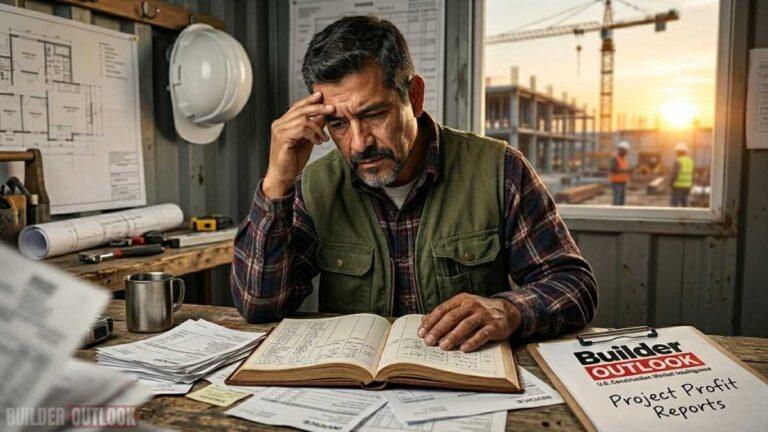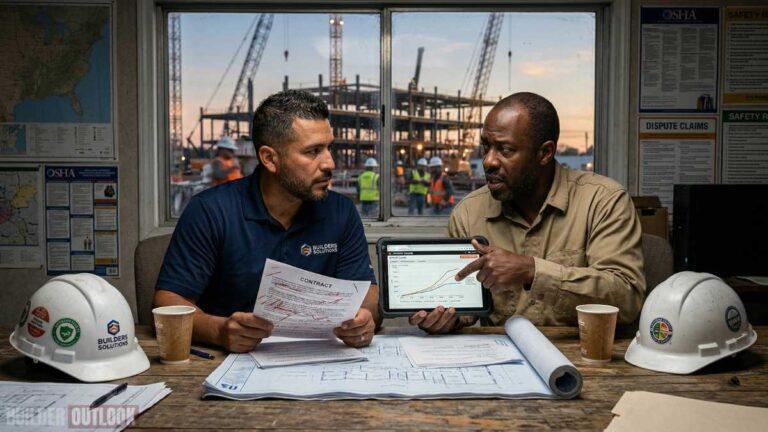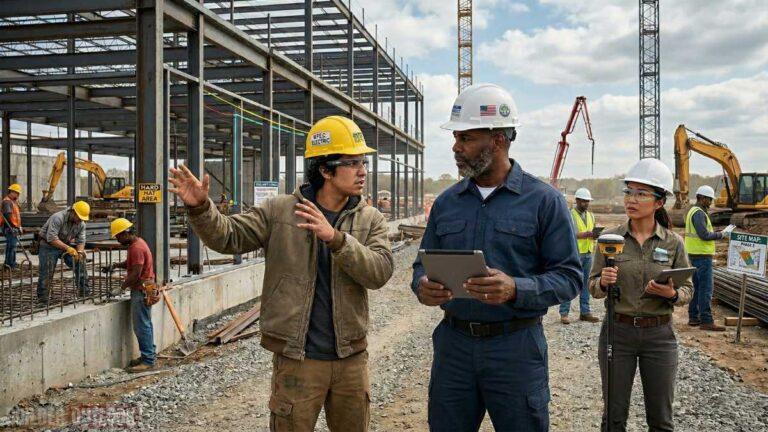
Subcontractor management in the United States construction industry: many contractors believe that hiring good subcontractors is enough to ensure smooth project execution. In 2026, this assumption is one of the most common and costly mistakes in project management. Even highly skilled subcontractors can create delays, conflicts, and financial losses when they operate within a system that lacks structure, coordination, and control.
Most projects today are heavily dependent on subcontractors. Electrical, plumbing, HVAC, framing, finishing — each trade operates with its own schedule, priorities, and constraints. Without a unified system that aligns these moving parts, the project becomes a collection of independent activities rather than a coordinated operation. This fragmentation is where problems begin.
Contractors often react to subcontractor issues instead of preventing them. Delays are addressed after they occur, conflicts are resolved under pressure, and inefficiencies are absorbed as part of the project. Over time, these small issues accumulate, affecting timelines, increasing costs, and reducing overall project stability.
The reality is this:
Subcontractors don’t create chaos.
Lack of control over subcontractors does.
What subcontractor management really means
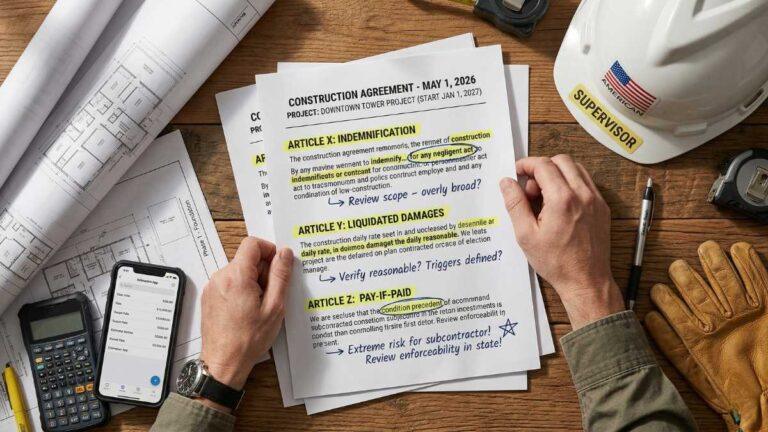
Subcontractor management is not simply about hiring and supervising trades. It is a structured system that defines how subcontractors are selected, scheduled, coordinated, monitored, and held accountable throughout the project lifecycle. It connects contract terms, scheduling, communication, and performance tracking into a single operational framework.
In the U.S., subcontractor relationships are often governed by agreements aligned with broader industry practices, including those referenced by organizations such as the Associated General Contractors of America. However, the effectiveness of subcontractor management depends less on the contract itself and more on how the system is implemented in practice.
Each subcontractor operates within a network of dependencies. Their work affects — and is affected by — other trades. Without clear coordination, even minor delays can cascade through the project, disrupting sequencing and increasing costs.
Subcontractor management is not supervision.
It is orchestration.
Why subcontractor issues are worse in 2026
The construction environment in 2026 has amplified the challenges of managing subcontractors. Labor shortages, high demand, and increased project complexity mean that subcontractors are often working across multiple projects simultaneously. This creates competing priorities that can impact availability, productivity, and reliability.
One of the main issues is scheduling misalignment. Subcontractors may commit to timelines that are not fully synchronized with the project schedule, leading to delays or conflicts when they are unable to mobilize as planned.
Another critical factor is lack of accountability. Without clear performance metrics and enforcement mechanisms, subcontractors may not prioritize the project as expected, especially when better opportunities arise elsewhere.
Communication gaps also contribute significantly. Information is often fragmented across emails, messages, and verbal instructions, creating confusion and increasing the risk of errors.
Additionally, scope ambiguity can lead to disputes. If responsibilities are not clearly defined, subcontractors may perform work differently than expected, resulting in rework or additional costs.
Subcontractor issues are not random.
They are systemic.
Where subcontractor management breaks projects
Failures in subcontractor management typically occur at predictable points. One of the most common is coordination between trades. When sequencing is not clearly defined or enforced, subcontractors interfere with each other’s work, causing delays and inefficiencies.
Another major issue is inconsistent performance. Without structured monitoring, contractors may only realize performance problems after they have already impacted the schedule.
Mobilization delays are also critical. Subcontractors who are not ready to start when scheduled create gaps that disrupt the entire workflow.
Quality control is another factor. Without clear standards and inspection processes, work may need to be redone, increasing costs and extending timelines.
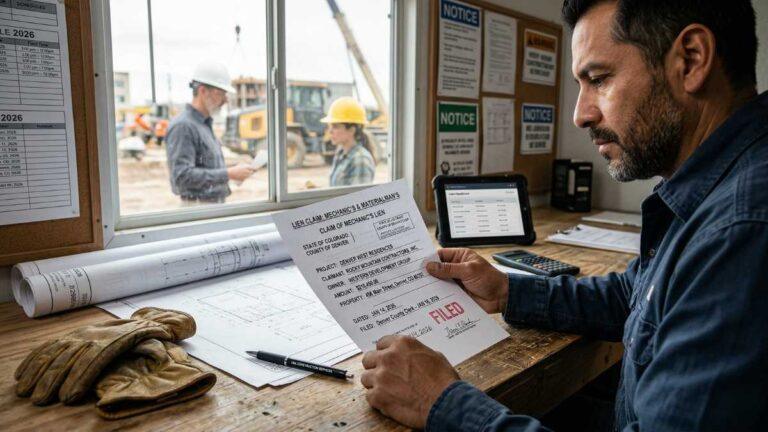
Financial impacts are significant. Delays, rework, and inefficiencies increase labor costs, extend project duration, and reduce margins. In some cases, they also lead to disputes with clients.
Subcontractor problems do not stay isolated.
They spread.
Builder Inteligence

How high-level contractors control subcontractors
Contractors who maintain stable projects treat subcontractor management as a structured system rather than a reactive process. This begins with selection. Subcontractors are evaluated not only on price but also on reliability, capacity, and alignment with project requirements.
The next step is clear scope definition. Responsibilities are defined in detail, reducing ambiguity and ensuring that expectations are aligned.
Scheduling integration is critical. Subcontractor timelines are aligned with the overall project schedule, and dependencies are clearly identified.
Performance monitoring is continuous. Progress is tracked, and issues are addressed early, before they escalate.
Communication is structured. Information flows through defined channels, reducing confusion and ensuring consistency.
Accountability is enforced. Subcontractors are held responsible for their commitments, with clear consequences for non-performance.
This approach creates control without micromanagement.
Real example: a project delayed by “good” subcontractors
A contractor in Florida hired experienced subcontractors for a residential project. Each trade had a strong reputation and demonstrated technical competence. However, there was no structured coordination system in place.
Scheduling was loosely defined, and communication was informal. As a result, subcontractors arrived at different times than expected, overlapping work created conflicts, and certain tasks had to be redone due to misalignment.
Although each subcontractor performed well individually, the project experienced delays and increased costs. The lack of coordination turned strong individual performance into weak collective execution.
The issue was not the subcontractors.
It was the system.
How to build a subcontractor management system that actually works
Building an effective subcontractor management system requires integrating multiple elements into a cohesive structure. The first step is creating standardized processes for selection, onboarding, and evaluation. This ensures consistency and reduces variability.
The second step is detailed planning. Scheduling, sequencing, and dependencies are clearly defined before work begins.
The third step is real-time tracking. Progress is monitored continuously, allowing for early identification of issues.
The fourth step is structured communication. Clear protocols ensure that information is shared accurately and efficiently.
The fifth step is performance evaluation. Subcontractors are assessed based on defined metrics, creating accountability.
The sixth step is continuous improvement. Lessons learned from each project are used to refine the system.
Technology can support these processes, but it does not replace structure. The effectiveness of the system depends on how it is implemented.
Your subcontractors didn’t fail — your system didn’t control them
In 2026, projects do not fall apart because subcontractors are unskilled.
They fall apart because subcontractors are not controlled.
Contractors who build structured management systems create stability, maintain timelines, and protect margins. Those who rely on informal coordination continue to face delays, conflicts, and financial losses.
The difference is not in the crew.
It is in the system behind the crew.
More from Builder Inteligence

Frequently Asked Questions
1. What is subcontractor management?
Subcontractor management is the structured coordination, supervision, and performance control of subcontractors throughout a construction project in the United States. It involves scheduling alignment, scope clarity, accountability systems, and communication protocols to ensure each trade executes correctly, on time, and without creating downstream conflicts that impact cost and delivery.
2. Why do subcontractor issues occur?
Subcontractor issues typically occur due to lack of structure, poor communication, unclear scope definitions, and weak coordination between trades. In U.S. construction projects, misalignment in expectations, sequencing errors, and absence of accountability systems often lead to delays, rework, disputes, and financial losses that could have been prevented with proper management.
3. Can good subcontractors still cause problems?
Yes, even highly skilled subcontractors can create problems if the project lacks coordination, scheduling clarity, or defined responsibilities. In the United States, many issues arise not from incompetence, but from system failure—where good subcontractors operate without proper guidance, leading to conflicts, inefficiencies, and costly execution mistakes.
4. Does scheduling affect subcontractors?
Yes, scheduling directly affects subcontractor performance, sequencing, and productivity. In U.S. construction, poor scheduling creates trade stacking, idle time, and workflow disruption. A well-structured schedule defines dependencies, prevents overlap conflicts, and ensures subcontractors execute in the correct order, maintaining efficiency and protecting project timelines.
5. How can contractors improve subcontractor management?
Contractors improve subcontractor management by implementing structured systems, including clear scope documentation, performance tracking, scheduling control, and consistent communication protocols. In the United States, high-level contractors rely on data-driven oversight, accountability frameworks, and real-time coordination tools to prevent issues before they impact execution and profitability.
6. Is accountability important in subcontractor management?
Yes, accountability is critical for ensuring subcontractor performance and project success. In U.S. construction, defined responsibilities, measurable deliverables, and enforcement of contractual obligations create a system where subcontractors are aligned with project expectations, reducing errors, delays, and disputes while maintaining operational control.
7. Do subcontractors affect project profit?
Yes, subcontractors have a direct and significant impact on project profitability. Poor performance, delays, rework, and misalignment increase costs and reduce margins. In the United States, contractors who fail to manage subcontractors effectively often experience financial losses even on projects that appear profitable on paper.
8. Can systems prevent subcontractor delays?
Yes, well-implemented systems can significantly reduce subcontractor delays. In U.S. construction, structured processes such as scheduling controls, progress tracking, communication workflows, and accountability mechanisms allow contractors to identify risks early, coordinate trades efficiently, and maintain project flow without unnecessary interruptions.