Understanding the real structure of residential construction costs for builders, investors, and developers
Understanding how much it costs to build a house in the United States requires far more than simply estimating materials and labor. Residential construction costs are influenced by a complex network of factors that include land value, regulatory compliance, labor availability, material prices, engineering requirements, financing conditions, and local market dynamics. Contractors, developers, and investors who underestimate these variables often encounter budget overruns that dramatically reduce profitability or delay projects.
The U.S. housing market is particularly sensitive to construction cost fluctuations because residential development depends on multiple industries operating simultaneously. Supply chain disruptions can increase material prices, labor shortages can delay project timelines, and regulatory changes can increase permitting expenses. For builders operating in competitive markets, understanding the complete cost structure of residential construction is essential for making informed decisions about project feasibility.
Another important aspect of construction cost analysis is regional variation. The cost of building a house in states such as California, New York, or Massachusetts can be significantly higher than in states like Texas, Tennessee, or Oklahoma. These differences reflect variations in labor wages, regulatory requirements, land prices, and local economic conditions. Contractors who operate in multiple markets must adapt their pricing strategies accordingly.
According to data published by the U.S. Census Bureau, the average cost of building new residential homes varies widely depending on the size of the house, geographic location, and construction quality. Builders who understand how costs are distributed across different components of a project can estimate more accurately and manage budgets more effectively.
Official housing construction data:
U.S. Census Bureau – Construction Statistics
https://www.census.gov/construction
Land acquisition and site preparation
The first major cost in residential construction is the acquisition of land. Land prices vary dramatically across the United States depending on population density, economic activity, and local development policies. In high-demand metropolitan areas, land acquisition may represent a substantial portion of the total project cost. In suburban or rural areas, land costs are typically lower but may still require significant investment depending on zoning restrictions and infrastructure availability.
After acquiring land, contractors must prepare the site for construction. Site preparation includes clearing vegetation, grading the terrain, installing temporary utilities, and ensuring the ground is stable enough to support the structure. These activities are necessary before foundation work can begin and may involve excavation equipment, soil analysis, and engineering assessments.
Site preparation costs can increase significantly if the terrain presents complications such as poor soil conditions, steep slopes, drainage challenges, or environmental restrictions. Builders often rely on geotechnical studies to evaluate the suitability of land before construction begins.
The U.S. Environmental Protection Agency provides guidelines regarding land development and environmental compliance:
Environmental Protection Agency – Construction and Land Development
https://www.epa.gov
Understanding site preparation costs early helps contractors avoid unexpected expenses during the early phases of construction.
Foundation and structural framework
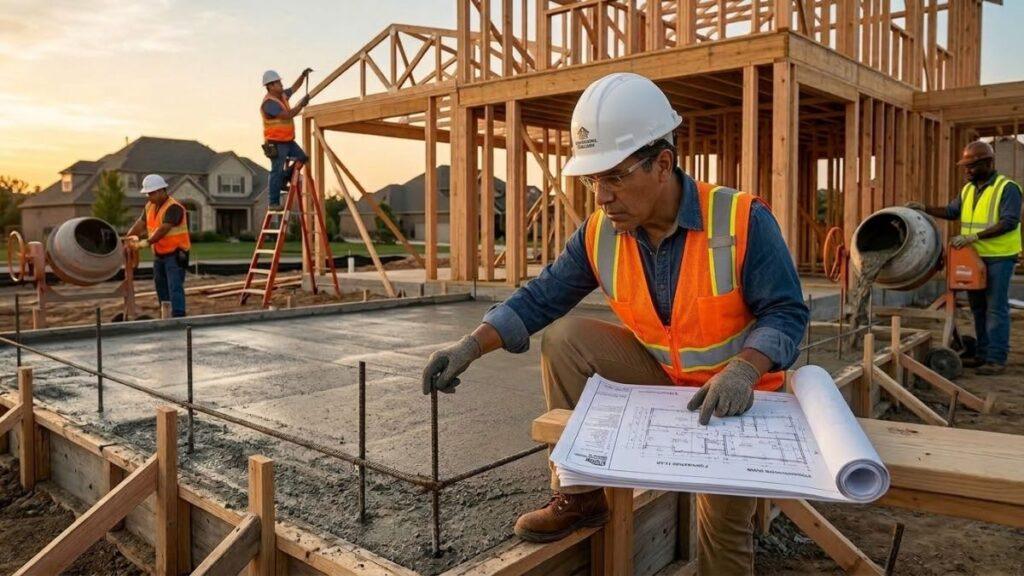
The foundation is one of the most critical structural elements of a house and represents a significant portion of construction costs. Foundations must support the entire structure and protect the building from soil movement, moisture intrusion, and environmental conditions. Common types of foundations used in the United States include slab-on-grade foundations, crawl spaces, and full basements.
The cost of foundation construction depends on several factors including soil conditions, building size, structural requirements, and local climate conditions. In colder regions, foundations must extend below the frost line to prevent damage caused by freezing and thawing cycles.
Once the foundation is completed, contractors begin building the structural framework of the house. This stage typically includes framing walls, installing floor systems, and constructing the roof structure. Wood framing remains the most common structural system used in residential construction in the United States due to its availability and cost efficiency.
Structural costs also include roof trusses, structural beams, and load-bearing components designed to support the building safely.
Labor costs in residential construction
Labor represents one of the most significant cost categories in residential construction. Skilled workers such as carpenters, electricians, plumbers, and HVAC technicians perform specialized tasks that require training and experience. The cost of labor varies depending on local wage levels, union presence, and demand for skilled workers.
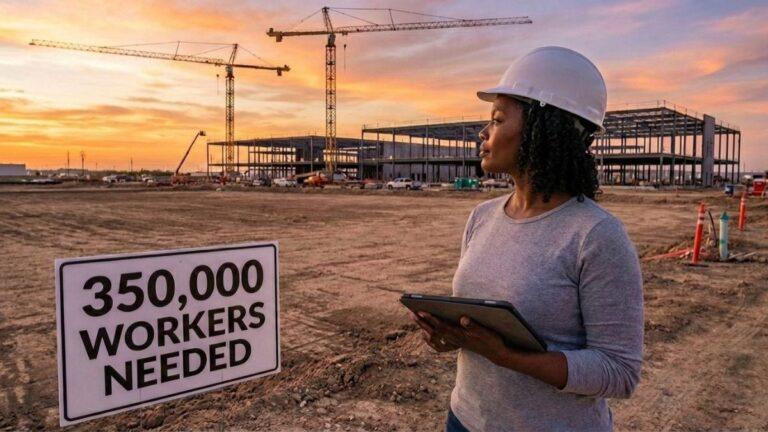
In recent years, labor shortages have become one of the biggest challenges facing the construction industry. According to the Associated Builders and Contractors, the U.S. construction industry faces ongoing workforce shortages that increase labor costs and project timelines.
Associated Builders and Contractors – Construction Workforce Data
https://www.abc.org
Contractors must account not only for hourly wages but also for payroll taxes, workers’ compensation insurance, training costs, and productivity factors when calculating labor expenses.
Effective project scheduling and workforce management can significantly influence labor costs and project profitability.
Advertising
Material costs and supply chain factors
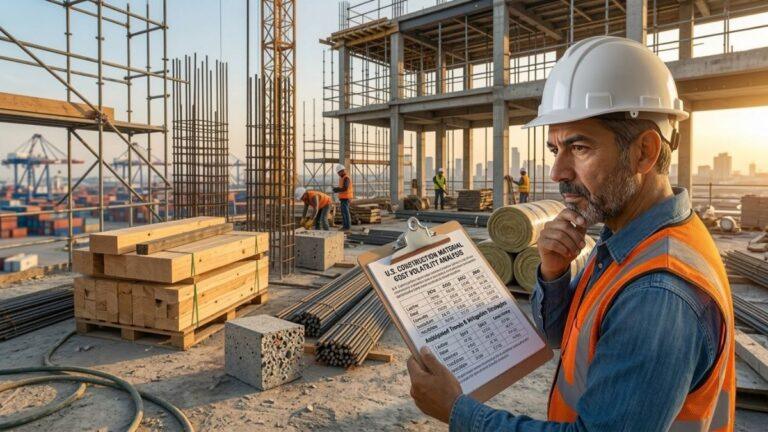
Material costs represent another major portion of residential construction expenses. Common building materials include lumber, concrete, steel, insulation, drywall, roofing materials, windows, doors, and interior finishes. Prices for these materials fluctuate depending on market demand, supply chain conditions, and global economic trends.
The volatility of lumber prices in recent years has demonstrated how dramatically material costs can affect construction budgets. During supply chain disruptions, the cost of framing materials increased substantially, forcing builders to adjust pricing strategies and delay projects.
The National Association of Home Builders (NAHB) regularly publishes data on residential construction costs and material price trends.
National Association of Home Builders – Construction Cost Data
https://www.nahb.org
Contractors who monitor material prices closely and develop strong supplier relationships can reduce cost volatility and improve project planning.
Mechanical systems and interior installations
After the structural framework is completed, contractors install the mechanical systems that allow the home to function properly. These systems include plumbing, electrical wiring, heating, ventilation, and air conditioning (HVAC). Mechanical installations require specialized trades and must comply with local building codes and safety regulations.
Electrical systems must support lighting, appliances, and modern technological infrastructure. Plumbing systems include water supply lines, drainage pipes, and fixtures. HVAC systems regulate indoor climate and improve energy efficiency.
Interior installations also include drywall, insulation, flooring, cabinetry, countertops, and interior finishes. These components influence both the functionality and aesthetic appeal of the house. The level of customization and quality selected by homeowners can significantly affect overall project costs.
High-end finishes and custom design features often increase project budgets substantially.
Permits, inspections, and regulatory costs
Before construction begins, contractors must obtain permits from local authorities. Permits ensure that construction projects comply with zoning laws, building codes, and safety standards. These permits may include building permits, electrical permits, plumbing permits, and environmental approvals.
Permit costs vary depending on the location and size of the project. In large metropolitan areas, regulatory fees can represent a meaningful portion of the overall construction budget.
Local governments also require inspections throughout the construction process to verify compliance with building codes. Inspectors evaluate structural elements, electrical systems, plumbing installations, and safety features before approving each stage of construction.
The International Code Council develops building codes used by many jurisdictions across the United States.
International Code Council – Building Code Standards
https://www.iccsafe.org
Understanding regulatory costs allows contractors to plan projects more accurately.
Typical cost distribution when building a house
Although costs vary depending on location and design, residential construction budgets often follow similar cost distributions.
Typical cost breakdowns may include:
Land acquisition;
Site preparation;
Foundation construction;
Structural framing;
Labor costs;
Mechanical systems;
Interior finishes;
Permits and inspections;
Builders who analyze cost distribution carefully can identify opportunities to optimize project budgets and maintain profitability.



FAQ – Cost breakdown of building a house in the United States
1. What is the average cost to build a house in the United States?
The average cost to build a house in the United States varies depending on location, size, materials, and labor costs. In many markets, residential construction costs range from approximately $150 to $400 per square foot, although high-end homes may exceed these figures significantly.
2. Why do construction costs vary so much between states?
Construction costs differ between states because of variations in labor wages, building codes, climate conditions, land values, and regulatory requirements. High-demand urban markets typically experience higher construction costs than rural areas.
3. What is the most expensive part of building a house?
Structural construction and labor typically represent the largest portion of residential construction costs. Foundations, framing, roofing, and skilled labor together often account for a significant share of the total project budget.
4. How do material price fluctuations affect construction projects?
Material prices influence construction budgets directly. When prices increase unexpectedly, contractors may need to adjust project estimates, renegotiate contracts, or absorb additional costs that reduce profitability.
5. Why are permits required for residential construction?
Permits ensure that construction projects comply with local building codes and safety regulations. They help protect homeowners and communities by ensuring that buildings meet structural and safety standards.
6. How can contractors reduce construction costs without sacrificing quality?
Contractors can reduce costs by improving project planning, optimizing material procurement, maintaining strong supplier relationships, and implementing efficient workforce management strategies.
7. What role does labor play in construction costs?
Labor costs represent a major portion of residential construction budgets. Skilled workers perform specialized tasks such as framing, electrical work, plumbing installation, and finishing, all of which require training and experience.
8. Why is accurate cost estimation important in construction projects?
Accurate cost estimation allows contractors to price projects correctly, avoid financial losses, and maintain profitability. Poor estimates can lead to budget overruns, project delays, and financial instability.