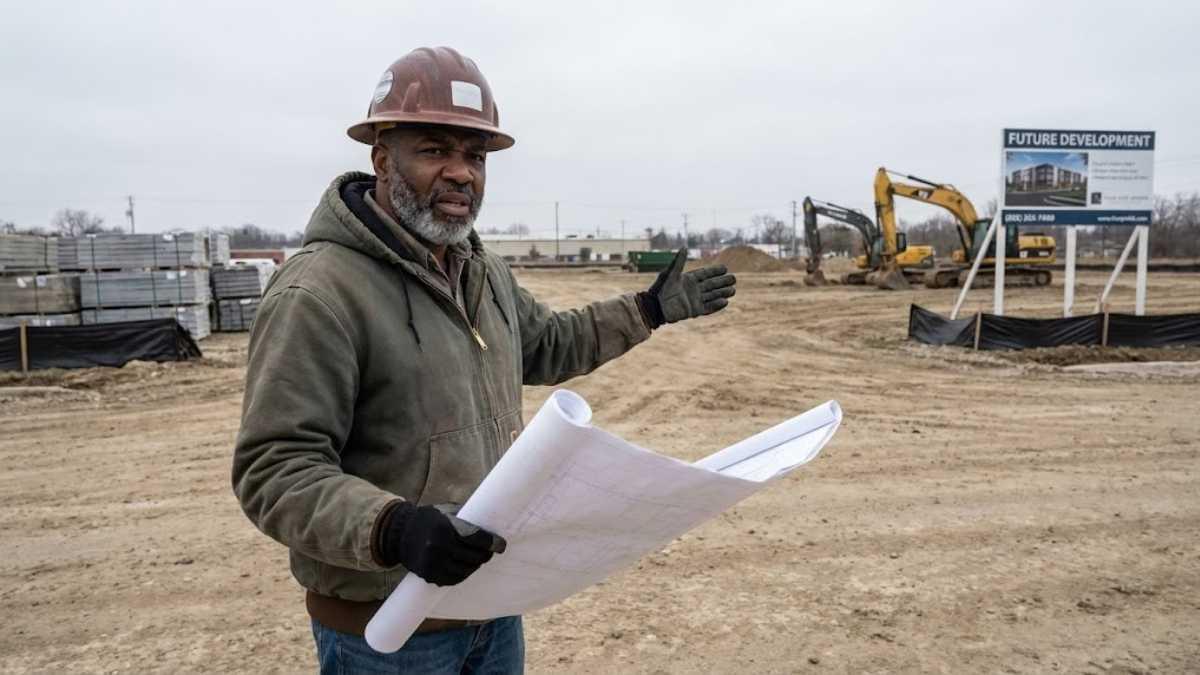
One of the most dangerous assumptions circulating in construction in 2026 is the idea that a strong planning pipeline automatically translates into construction starts. On paper, many markets appear healthy. Planning activity is visible, feasibility studies are advancing, design teams are engaged, and early budgets are circulating. Yet job starts lag far behind what planning volume suggests.
This disconnect is not a temporary lag. It reflects a structural change in how projects move from concept to execution. Planning has become cheaper, faster, and more flexible, while starting construction has become more expensive, risky, and politically complex. The result is an expanding gap between intent and action.
For contractors, this gap creates forecasting errors, staffing mistakes, pricing misalignment, and capital strain. Treating planning as a reliable proxy for starts is now one of the biggest strategic risks in the construction industry.

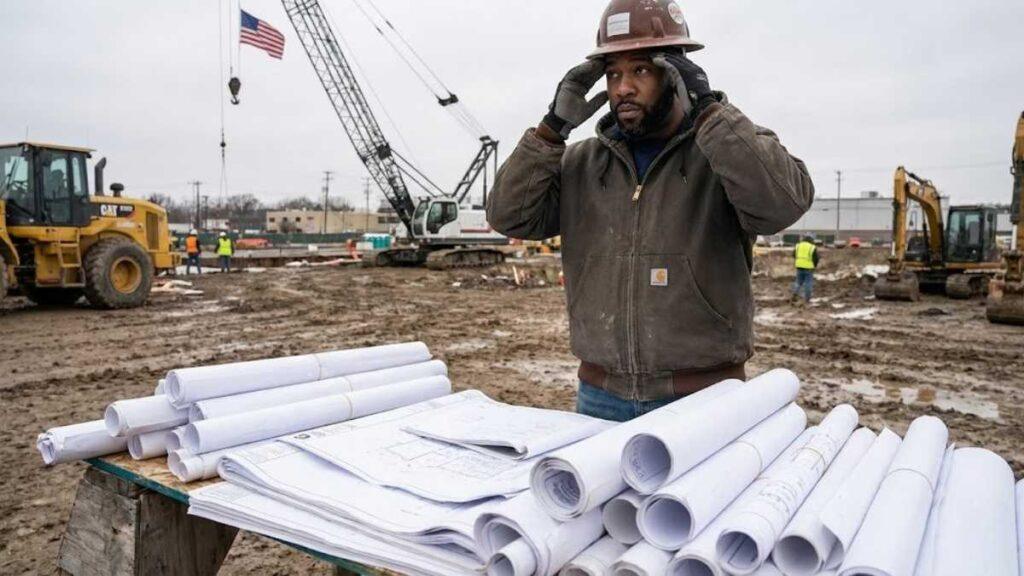
Why planning activity has increased without guaranteeing execution
Planning activity has increased because it carries lower commitment than construction. Developers and owners can advance designs, test feasibility, secure zoning positions, and preserve optionality without locking capital. In uncertain economic conditions, this flexibility is valuable. It allows projects to remain “alive” while delaying irreversible decisions.
Technology and process improvements also accelerate planning. Digital modeling, faster entitlement workflows, and modular feasibility studies reduce upfront cost and time. More projects can be planned simultaneously, inflating apparent pipeline volume without increasing actual construction throughput.
For contractors, this means visibility into planning activity is misleading. A full planning board does not mean a full construction calendar. Many projects stall intentionally, waiting for financing clarity, cost stabilization, or political approval.
Financing and risk are the real gatekeepers of starts
Construction starts are governed by risk tolerance, not planning momentum. Financing conditions remain the primary constraint. Lenders now require stronger equity positions, tighter underwriting, clearer cost certainty, and more conservative absorption assumptions before releasing funds.
Even projects with strong fundamentals stall at this stage. Interest rate uncertainty, insurance volatility, and exit risk force lenders to delay or restructure deals. Developers respond by keeping projects in planning mode rather than canceling outright.
For contractors, this creates false optimism. Early engagement does not guarantee revenue. Starts happen only when risk is sufficiently controlled, not when plans look complete.
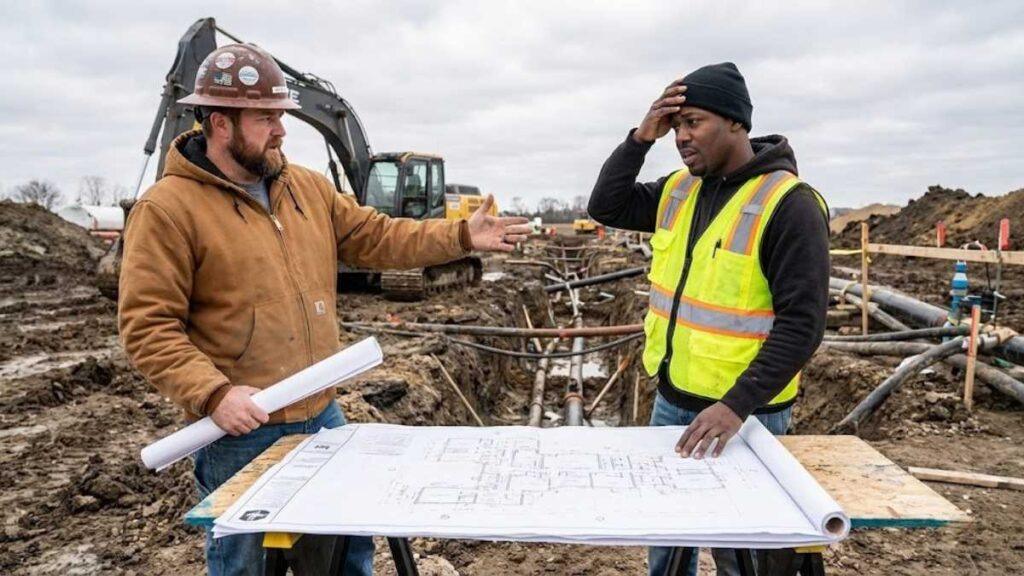
How cost volatility freezes projects at the last moment
Construction input costs remain unpredictable at execution scale. While planning budgets can absorb ranges, construction contracts demand precision. Volatility in labor, materials, insurance, and logistics makes final pricing difficult, causing hesitation at the start threshold.
Owners hesitate to lock prices when escalation risk feels asymmetric. Contractors hesitate to commit when margins are thin and contingencies contested. This standoff freezes projects that appear ready on paper.
The result is a growing inventory of “nearly ready” projects that never mobilize. Planning advances, but starts do not follow proportionally.
Why contractors misread pipelines and overextend
Many contractors scale based on planning visibility. They hire, expand estimating teams, secure equipment, and commit overhead in anticipation of starts that never materialize. When delays compound, margins erode quickly.
This misreading stems from outdated assumptions. In previous cycles, planning strongly correlated with starts. In 2026, that relationship has weakened. Planning now reflects intent preservation, not execution certainty.
Contractors who fail to adjust forecasting models experience sudden pipeline contractions without warning. Those who recognize the gap plan more conservatively.
Regional and sector-specific distortions
The planning-to-start gap varies by region and sector. Infrastructure, data centers, and industrial projects convert more reliably than residential, office, or mixed-use developments. Regional regulatory environments also influence conversion rates.
Markets with complex permitting, political scrutiny, or insurance exposure show larger gaps. Contractors operating nationally must adjust expectations market by market rather than relying on aggregate data.
Understanding these distortions improves bid selectivity and resource allocation.
What contractors must change in 2026
Contractors must separate planning exposure from revenue forecasting. Pipeline health should be measured by financing readiness, risk allocation clarity, and execution probability, not by plan count alone.
This requires deeper preconstruction engagement, better understanding of owner capital structures, and realistic conversion assumptions. Contractors who adapt avoid overextension and maintain pricing discipline.
In 2026, planning is not a promise. It is a signal that must be filtered carefully.


FAQ – The biggest 2026 risk: treating planning like it equals starts
1. Why doesn’t planning activity translate into construction
starts anymore?
Because planning preserves optionality at low cost, while construction requires high-risk commitment under uncertain financing and cost conditions.
2. Is this gap temporary or structural?
It appears structural, driven by financing caution, cost volatility, and regulatory complexity rather than short-term market shocks.
3. How does financing affect starts more than planning?
Lenders control capital release and require cost certainty and risk mitigation before approving construction, regardless of planning progress.
4. Why do projects stall right before mobilization?
Final pricing, insurance costs, and risk allocation disputes often emerge late, freezing execution despite advanced planning.
5. Which sectors convert planning to starts more reliably?
Infrastructure, data centers, and industrial projects show higher conversion than residential or office developments.
6. How should contractors forecast pipelines now?
By weighting financing readiness and execution probability rather than counting planned projects.
7. What mistakes do contractors make with planning-heavy pipelines?
Overhiring, overestimating revenue, and underpricing risk based on assumed starts.
8. What is the biggest lesson for 2026?
Planning is a signal, not a guarantee. Treating it as revenue creates silent risk.