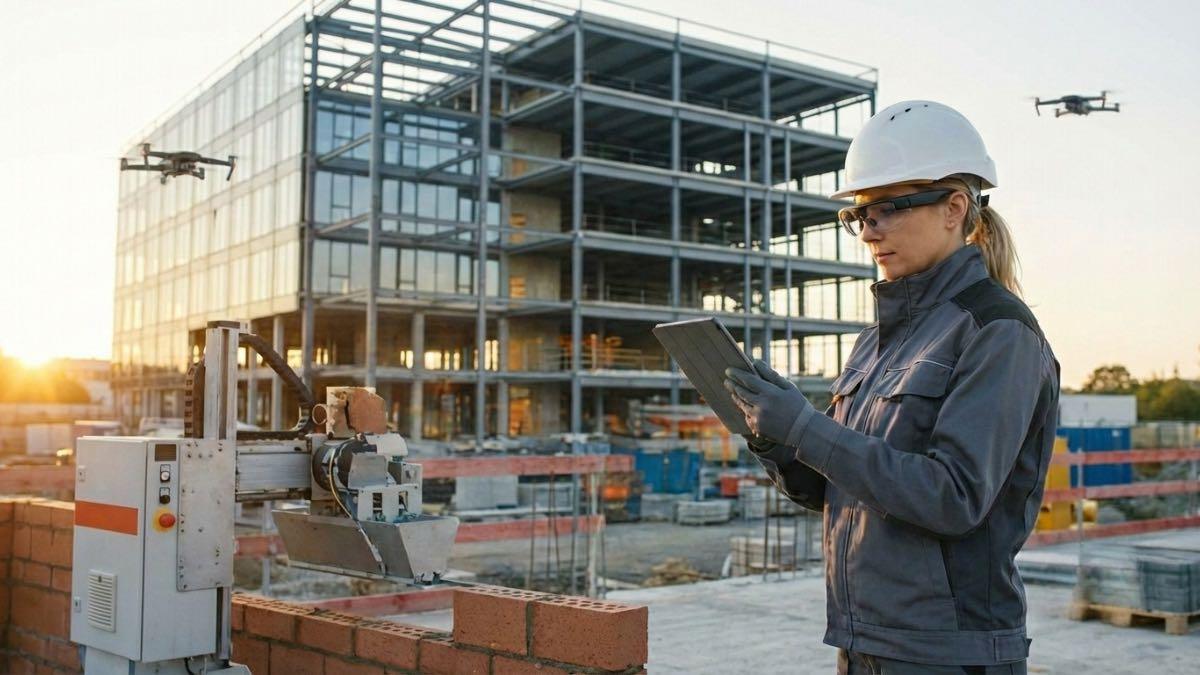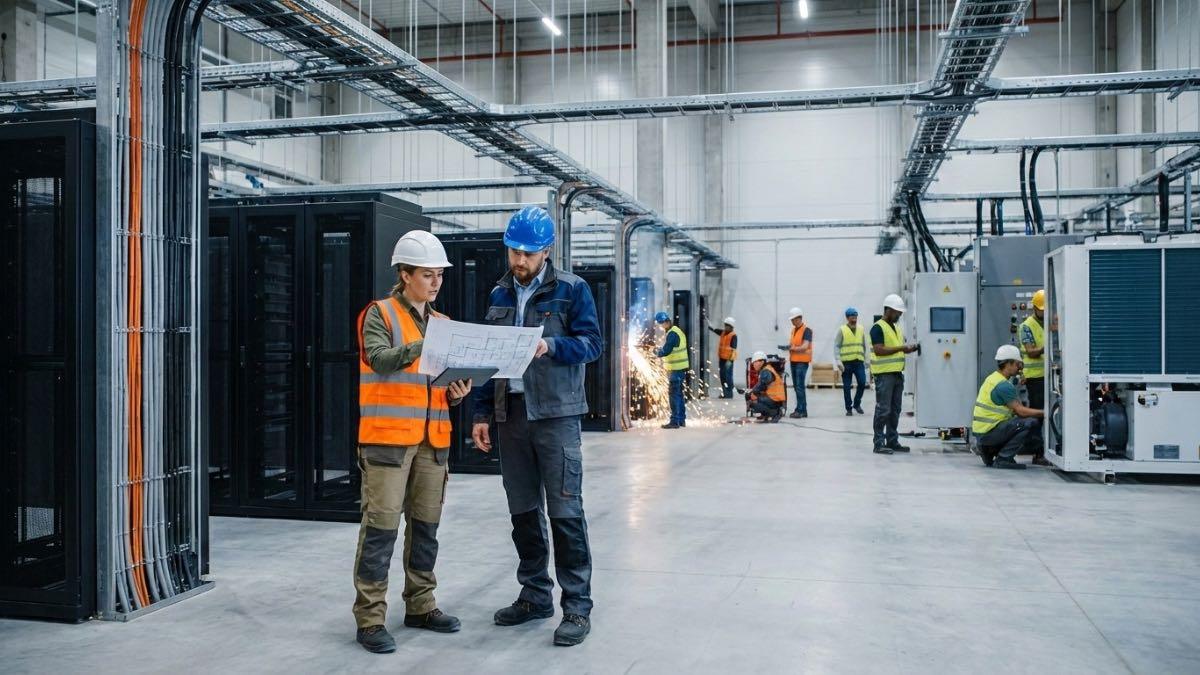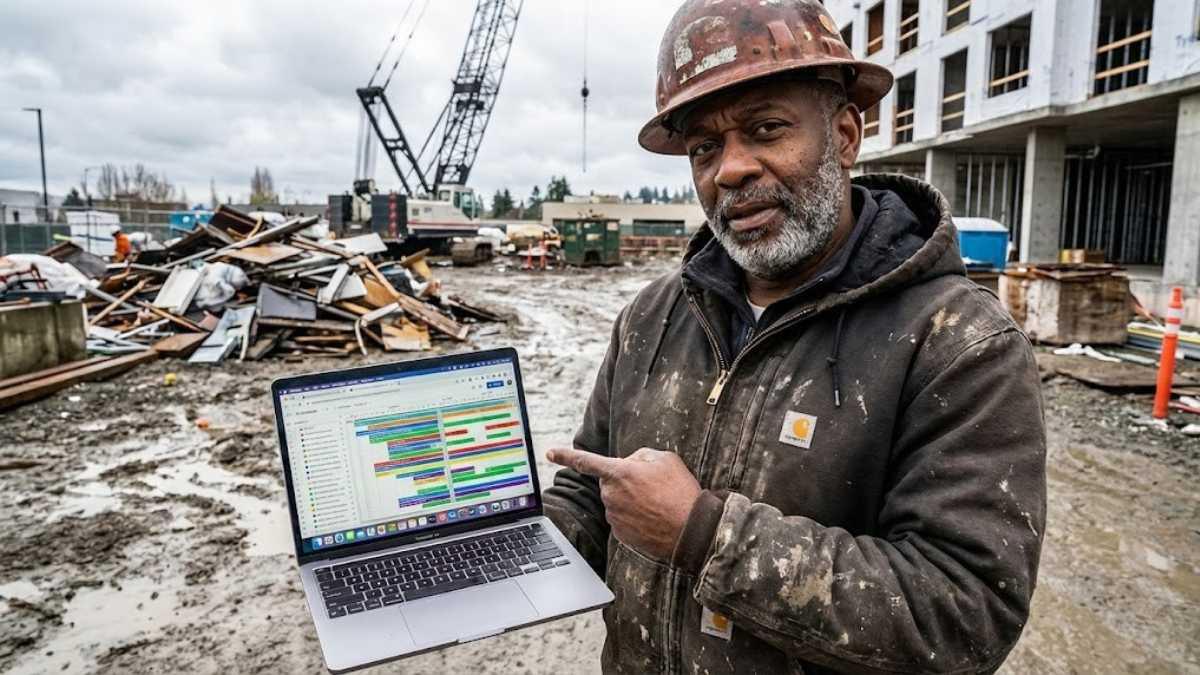
Understanding the causes, economic impact, and long-term solutions for the construction labor crisis
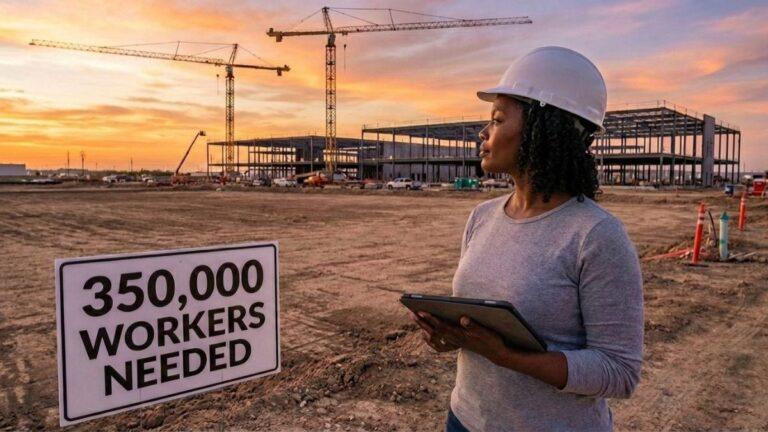
The construction workforce shortage has become one of the most significant structural challenges facing the United States construction industry. While demand for residential housing, infrastructure development, commercial projects, and industrial facilities continues to increase, the supply of skilled construction workers has struggled to keep pace with that growth. This imbalance has created a persistent labor gap that affects contractors, developers, project owners, and even national economic development.
Unlike temporary labor market fluctuations that occur during economic cycles, the construction labor shortage reflects deeper structural issues that have developed over several decades. Demographic changes, education trends, economic conditions, and workforce perception have all contributed to a shrinking pipeline of new workers entering construction trades. At the same time, the construction industry has experienced strong demand due to population growth, infrastructure investment, and housing shortages across many regions of the country.
For contractors operating in this environment, workforce shortages create multiple operational challenges. Projects may take longer to complete because crews cannot be assembled quickly enough. Labor costs increase as contractors compete for skilled workers. Companies may also experience reduced productivity if they are forced to rely on less experienced workers or subcontractors unfamiliar with their operating systems.
Understanding the construction workforce shortage is therefore essential not only for policymakers and industry associations but also for contractors seeking to build stable businesses. Companies that develop long-term workforce strategies, training programs, and recruiting pipelines are far more likely to succeed in a labor-constrained market than those that rely on short-term hiring solutions.
The Structural Causes Behind The Construction Labor Shortage
The construction labor shortage is not the result of a single factor. Instead, it reflects a combination of demographic trends, educational changes, and economic perceptions that have gradually reduced the number of workers entering the skilled trades.
One of the most important drivers is the aging construction workforce. A large portion of construction workers entered the industry during periods of strong building activity in the late twentieth century. Many of these workers are now approaching retirement age, which reduces the total number of experienced professionals available in the labor market. As these experienced workers leave the workforce, the industry must replace them with younger workers who possess similar technical skills.
However, the pipeline of new workers entering construction trades has been limited for many years. Educational trends have played a significant role in this shift. Many schools reduced vocational training programs during the past several decades as emphasis shifted toward university education. As a result, fewer students were exposed to skilled trades as viable career paths.
Industry organizations have highlighted these trends through workforce research.
Associated Builders And Contractors – Construction Workforce Analysis
These reports consistently show that contractors across the country struggle to fill positions across many different trades.
The economic impact on contractors and construction companies
The workforce shortage affects contractors in several critical ways that influence project costs, scheduling, and long-term business stability.
One of the most immediate impacts is increased labor costs. When skilled workers are scarce, contractors must offer higher wages and improved benefits to attract experienced tradespeople. While higher wages can help companies recruit talent, they also increase project costs and place pressure on contractor profit margins.
Another major impact involves project timelines. Construction projects rely on carefully sequenced work performed by specialized trades. If electricians, plumbers, or carpenters are unavailable when scheduled, the entire project timeline can be disrupted. These delays often create additional expenses related to equipment rentals, financing costs, and project management overhead.
The shortage also influences productivity. Experienced construction workers often perform tasks more efficiently than new workers who are still developing their skills. When contractors must rely on less experienced labor due to workforce shortages, productivity may decline and projects may require additional supervision.
Because of these factors, labor availability has become a major strategic consideration for contractors when evaluating new projects.
Builder Inteligence

The most affected construction trades
The workforce shortage affects many trades, but several specialties are particularly difficult to recruit across the United States.
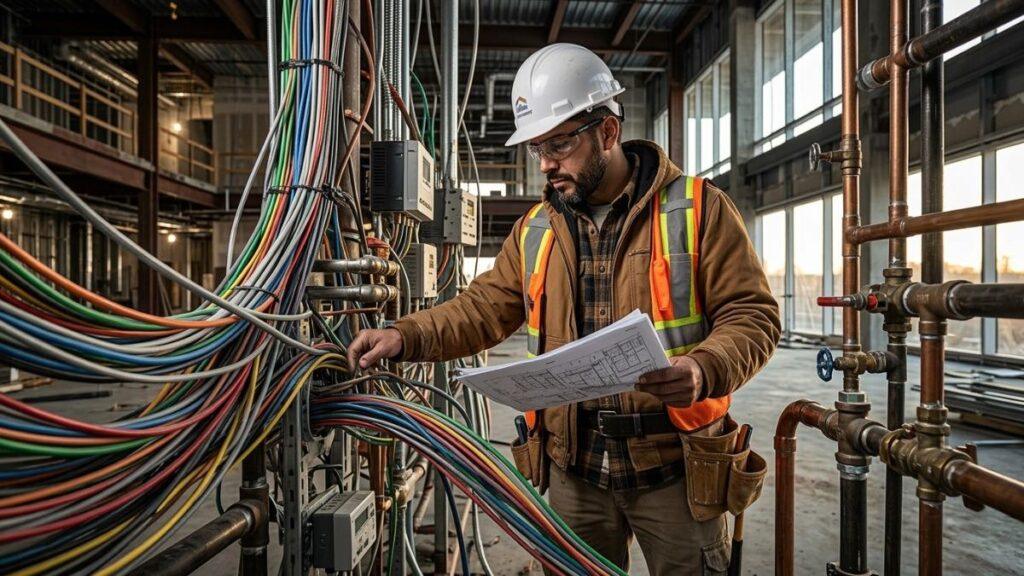
Electricians remain one of the most sought-after trades because modern construction projects require increasingly complex electrical systems. These systems include advanced wiring infrastructure, energy-efficient technologies, and smart building components.
Plumbers are also in high demand due to the specialized training required to install water supply systems, drainage systems, and complex mechanical equipment. Plumbing systems must comply with strict building codes, which limits the number of workers qualified to perform this work.
Carpenters represent another critical workforce segment because they perform many of the structural tasks required during residential and commercial construction. Skilled carpenters are essential for framing structures, installing finishes, and coordinating with other trades.
Heavy equipment operators are increasingly important as construction projects rely on specialized machinery for excavation, earthmoving, and infrastructure development.
These specialized roles require years of training and experience, which makes workforce shortages particularly difficult to resolve quickly.
Apprenticeship programs as a long-term solution
One of the most effective strategies for addressing the construction workforce shortage is expanding apprenticeship programs. Apprenticeships combine classroom education with hands-on jobsite experience, allowing workers to develop technical skills while earning income.
These programs are widely used across many construction trades and represent one of the most reliable pipelines for developing skilled workers.
The U.S. Department Of Labor provides resources for apprenticeship development.
U.S. Department Of Labor – Registered Apprenticeship Programs
https://www.apprenticeship.gov
Contractors who participate in apprenticeship programs benefit from early access to workers who are actively developing technical skills. These programs also help companies build long-term relationships with workers who may remain with the company after completing their training.
Apprenticeships also help improve industry standards by ensuring that workers receive consistent training in safety procedures, technical skills, and industry best practices.
Why contractors must invest in workforce development
Contractors who view workforce shortages only as external problems may struggle to maintain stable operations. Companies that take a proactive approach to workforce development are more likely to secure reliable crews and maintain productivity even during labor shortages.
Workforce development strategies include partnerships with trade schools, participation in apprenticeship programs, internal training systems, and clear career development pathways for employees. Contractors who invest in these areas often experience higher retention rates because workers see long-term career opportunities within the organization.
Retention is particularly important because experienced workers represent valuable institutional knowledge within construction companies. Workers who understand company procedures, safety systems, and project management structures contribute significantly to productivity and project success.
Builders who create strong workplace cultures also gain reputational advantages in the labor market. Skilled workers often prefer employers known for fair treatment, safe working conditions, and professional management.
More from Builder Inteligence


FAQ – Construction workforce shortage in the United States
1. Why Is There A Construction Workforce Shortage In The United States?
The construction workforce shortage results from several long-term factors including an aging workforce, fewer young workers entering the skilled trades, and increasing demand for housing and infrastructure projects across the country.
2. Which Construction Trades Are Most Affected By Labor Shortages?
Trades such as electricians, plumbers, carpenters, HVAC technicians, and heavy equipment operators are among the most affected because they require specialized training and certification that limits the number of qualified workers.
3. How Does The Workforce Shortage Affect Construction Costs?
Labor shortages increase wages, extend project timelines, and reduce productivity when contractors rely on less experienced workers. These factors raise the overall cost of construction projects.
4. What Role Do Apprenticeships Play In Solving The Workforce Shortage?
Apprenticeships help train new workers by combining classroom education with practical jobsite experience. These programs provide one of the most reliable pathways for developing skilled construction professionals.
5. How Can Contractors Attract Skilled Construction Workers?
Contractors can attract workers by offering competitive wages, stable employment, training opportunities, and safe working environments. Companies with strong reputations often recruit more successfully.
6. Why Is Workforce Development Important For Construction Companies?
Workforce development ensures that contractors maintain a steady pipeline of skilled workers. Companies that invest in training and recruiting systems are better prepared to handle labor shortages.
7. Do Workforce Shortages Affect Project Timelines?
Yes. When skilled workers are unavailable, projects may experience delays because specialized tasks cannot be completed on schedule.
8. Where Can Contractors Find Workforce Data For The Construction Industry?
Contractors can access workforce data through organizations such as the U.S. Bureau of Labor Statistics, Associated Builders and Contractors, and the National Association of Home Builders.