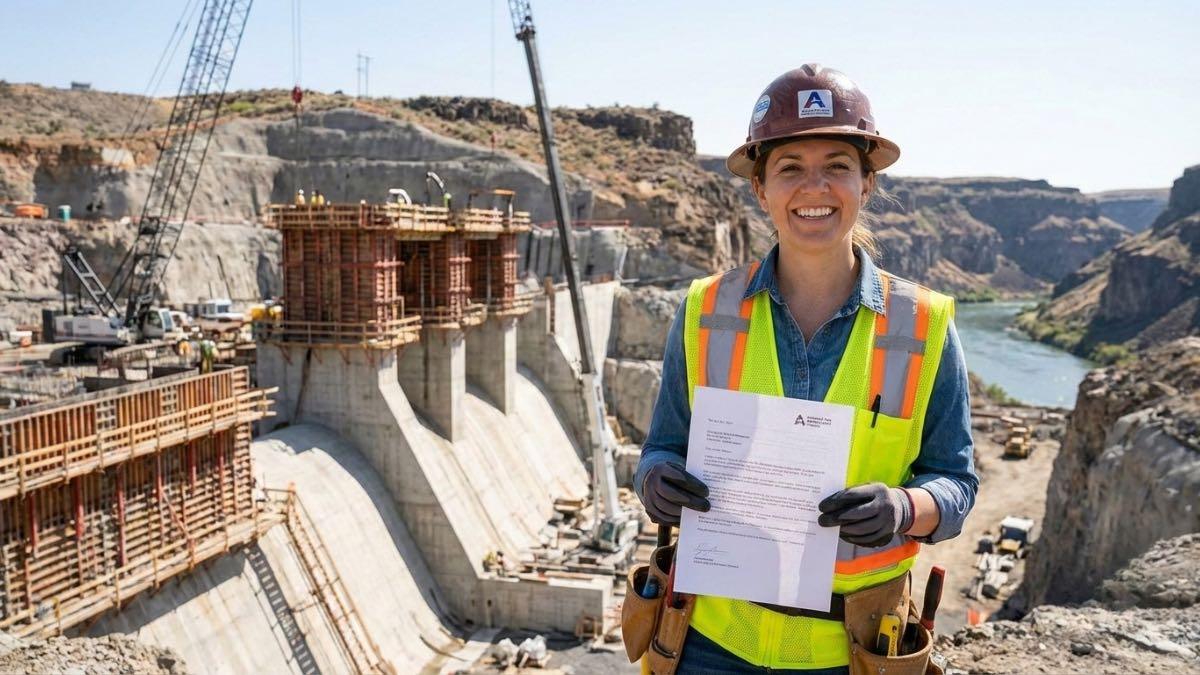
The construction labor market in 2026 is no longer simply tight — it is structurally competitive. Recent workforce analysis shows that construction workers who change jobs are capturing significantly higher wage premiums than peers in other major U.S. industries. In practical terms, this means mobility in construction is currently one of the most financially rewarded employment decisions across the American economy.
For builders, general contractors, specialty trades, and subcontractors, this trend is not just an HR issue. It is a margin issue. It is a forecasting issue. And ultimately, it is a strategic positioning issue. Wage inflation tied specifically to job-switching behavior signals an industry where talent leverage has shifted decisively toward skilled labor.
In early 2026, job-switching premiums in construction outpaced sectors such as manufacturing, logistics, and even segments of technology. Skilled craft professionals, superintendents, and field supervisors are commanding offers that exceed internal raise structures. Builders that underestimate this shift risk experiencing silent talent erosion that directly impacts project execution and delivery timelines.

Why construction job switchers are capturing larger pay increases
The primary driver of elevated job change premiums is supply imbalance. The U.S. construction industry continues to operate with persistent labor shortages, especially in skilled craft roles. When demand exceeds available workforce capacity, mobility becomes monetized.
Unlike industries where automation has reduced labor dependency, construction remains labor-intensive. Production and nonsupervisory roles represent the backbone of field operations. When a skilled carpenter, electrician, HVAC technician, or heavy equipment operator moves, that vacancy cannot be filled instantly. Replacement costs are real and operational disruption is measurable.
Additionally, many contractors have historically relied on modest annual wage adjustments rather than proactive compensation recalibration. Competing firms, however, are offering aggressive signing incentives, immediate hourly increases, and improved benefits to attract proven field talent. The result is a widening gap between internal retention raises and external recruitment offers.
This dynamic creates what economists call “wage acceleration via mobility.” In short, the fastest path to higher compensation in construction today is not tenure — it is movement.
The impact on builders’ cost structures in 2026
Higher job-change premiums directly reshape cost forecasting models. Labor already represents one of the largest variable costs in construction. When mobility premiums push wages upward, bid strategies must adapt.
Builders now face a new structural risk: mid-project labor turnover. If a key supervisor or craft lead exits for a higher-paying competitor, replacement costs extend beyond hourly wages. They include retraining time, productivity lag, safety recalibration, and potential scheduling delays.
At the same time, material price volatility has moderated compared to peak inflation years. This means labor cost growth is becoming the dominant pressure factor in many markets. As bid prices accelerate to reflect wage pressure, contractors must balance competitiveness with sustainability.
Professional contractors in 2026 are increasingly:
* Conducting quarterly wage benchmarking
* Implementing retention bonuses
* Offering structured career progression paths
* Expanding training and certification support
* Enhancing benefits packages
Those who treat wage pressure as temporary noise risk long-term instability.
Competitive pressure for skilled labor is structural, not cyclical
Some industry observers initially believed wage spikes were post-pandemic anomalies. The data now suggests otherwise. Construction labor shortages are demographic and structural.
An aging workforce, insufficient trade school enrollment, infrastructure expansion, data center buildouts, and housing demand recovery all contribute to sustained labor demand. When demand remains elevated, mobility premiums remain elevated.
Construction workers understand their leverage. Skilled professionals are aware that switching employers often yields faster income growth than remaining loyal without renegotiation.
For builders, this creates a dual strategic requirement:
1. Increase retention discipline;
2. Improve recruitment positioning.
Companies that communicate career stability, safety culture, and advancement opportunities may reduce turnover even if they cannot always match the highest external offer.
In 2026, wage inflation tied to job mobility is not a temporary spike. It is a signal of structural competition for skilled labor.

Strategic implications for contractors and developers
Developers and large commercial contractors must now assume labor pricing will continue adjusting upward. Fixed-price contracts signed without realistic labor escalation assumptions carry heightened risk.
Forward-looking contractors are incorporating:
* Escalation clauses
* Flexible staffing models
* Workforce forecasting software
* Multi-trade training pipelines
Additionally, builders with strong employer branding and stable culture may reduce the impact of mobility-driven wage inflation. When a company is perceived as stable, organized, and growth-oriented, retention improves.
The labor market is signaling something deeper: skilled construction workers are no longer passively accepting incremental wage growth. They are strategically optimizing their earning potential.
Builders must respond with equally strategic workforce planning.

FAQ – Pay trends in 2026 and construction workforce mobility
1 – Why are construction job switchers earning more than peers in other industries?
Construction faces sustained labor shortages, especially in skilled trades. When workers switch jobs, competing employers must offer meaningful compensation increases to attract experienced field professionals. This competitive bidding drives higher job-change premiums compared to sectors with larger labor supply pools.
2 – Is this wage trend temporary?
Current indicators suggest the trend is structural rather than cyclical. Infrastructure investment, residential demand stabilization, and data center expansion continue to support strong labor demand. Demographic shifts further constrain labor supply.
3 – How should contractors respond to rising job-switch premiums?
Contractors should implement proactive wage benchmarking, strengthen retention strategies, enhance benefits, and build internal advancement programs. Ignoring mobility premiums can result in turnover-driven productivity loss.
4 – Will rising wages increase construction bid prices?
Yes. As labor costs increase, contractors must adjust bid strategies to maintain margins. This may result in higher project pricing, particularly in labor-intensive segments such as commercial buildouts and specialty contracting.
5 – What roles are most affected?
Production and nonsupervisory roles, including skilled craft workers, site supervisors, and trade specialists, are experiencing the strongest mobility-driven wage increases.