Local seo for contractors: the geographic domination strategy construction companies must master in 2026
The construction industry is inherently local. Projects are executed within defined territories, licensing is regulated at state and municipal levels, labor pools are regional, and material supply chains operate within geographic boundaries. Yet, many contractors still approach digital visibility as if geography were secondary. In 2026, that misunderstanding is costly.
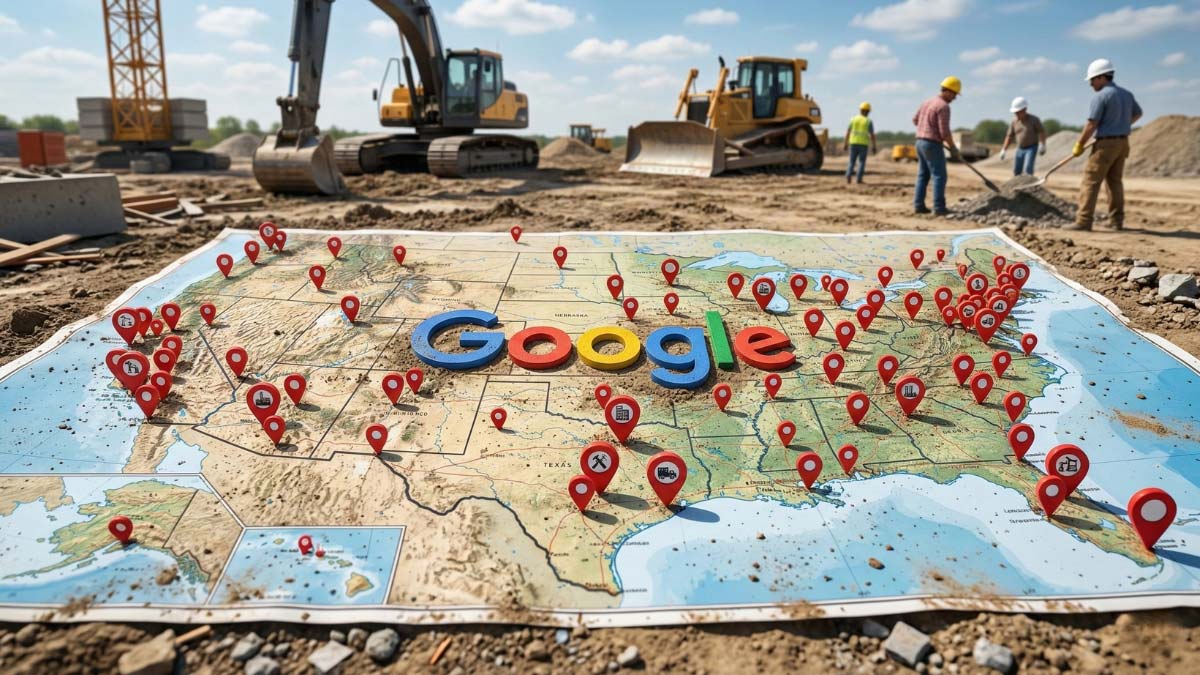
Local SEO for contractors is not simply about appearing on Google Maps. It is about dominating search territory in specific counties, metro areas, and service corridors. When a property owner searches “commercial roofing contractor in Tampa” or “general contractor near Plano TX,” Google prioritizes proximity, relevance, authority, and trust signals. Contractors who understand how those signals work control lead flow inside their operational radius.
Unlike national brands, construction companies do not need broad visibility. They need concentrated visibility. Local search is high-intent. These are not casual browsers. These are owners, developers, facility managers, and property investors actively seeking a contractor within a serviceable area. The difference between appearing in the top three map listings and being buried on page two can determine pipeline stability.
The contractors who dominate local SEO are not necessarily the largest firms. They are the most structured digitally. They align licensing clarity, NAP consistency (name, address, phone), service-specific landing pages, localized content, review acquisition strategies, and technical performance. Geographic authority compounds just like domain authority. Once established, it becomes extremely difficult for competitors to displace.
Advertising
Why local SEO is more powerful than generic digital marketing in construction
Construction is built on trust, and trust is reinforced by familiarity. Clients prefer contractors who demonstrate proximity, regional experience, and local regulatory understanding. Local SEO communicates those signals.
When a contractor publishes content specific to “industrial electrical upgrades in Northern Virginia” or “multifamily construction compliance in Phoenix,” Google interprets geographic relevance. At the same time, clients perceive operational familiarity with regional codes, inspectors, and permitting processes.
Generic marketing language weakens positioning. Geographic precision strengthens it. Contractors who dominate locally often outcompete larger firms that attempt broader coverage without depth.
Furthermore, local SEO aligns directly with conversion behavior. Most construction searches include location modifiers: city names, county names, or phrases like “near me.” Optimizing for those terms creates immediate alignment with search intent. This is not branding traffic. This is transactional traffic.
The structural components of local SEO for contractors
Local SEO success depends on layered execution. One isolated tactic does not create dominance. The system must include:
A fully optimized Google Business Profile with accurate categories, service descriptions, geo-tagged photos, and consistent updates.
Consistent NAP data across directories and citations to eliminate conflicting signals.
City-specific landing pages for each service line offered.
Localized case studies referencing real projects within defined markets.
Strategic acquisition of authentic reviews tied to completed jobs.
Technical website optimization ensuring fast load speeds and mobile usability.
Google’s algorithm rewards consistency and authority over time. Contractors who maintain disciplined updates and structured local content gain ranking resilience.
Reviews as competitive leverage in local construction markets
Reviews are not vanity metrics. In local construction SEO, they directly influence ranking and conversion. High-star ratings with detailed project descriptions signal credibility. However, volume alone is insufficient. Recency, response quality, and keyword context inside reviews also influence performance.
For example, a review stating “This commercial HVAC contractor in Dallas completed our warehouse retrofit on time and on budget” reinforces both geographic and service relevance. Contractors should develop structured review acquisition processes after project completion, ensuring ethical compliance while encouraging descriptive feedback.
Ignoring review strategy allows competitors to shape local perception. Structured review growth builds a defensive moat.
Advertising
The relationship between local SEO and margin control
Local dominance reduces reliance on competitive bid lists. When contractors rank prominently, they receive inbound inquiries rather than chasing open RFPs. Inbound leads often involve less price competition because clients initiate contact based on perceived expertise and visibility.
This shift affects negotiation leverage. Contractors with strong local authority appear established and stable. Clients are less likely to aggressively undercut pricing when they perceive limited alternatives with equivalent credibility.
Local SEO is therefore not merely marketing. It is margin stabilization.
Multi-location contractors and geographic scaling
Contractors operating across multiple counties or states must avoid duplicating generic pages. Each location requires tailored content reflecting licensing specifics, local code awareness, and regional project references. Google penalizes thin duplicate content. It rewards unique geographic depth.
Scaling local SEO requires structured internal linking architecture and consistent branding signals across regions. Without discipline, geographic expansion can dilute authority instead of strengthening it.
The long-term compounding advantage of local authority
Once a contractor establishes top-three visibility in high-intent local search terms, displacement becomes difficult. Competitors must invest heavily in content, citations, and review acquisition to compete. Early adopters benefit from this compounding effect.
In 2026 and beyond, local SEO for contractors will separate firms that control their territory from those constantly fighting for visibility.

FAQ – Local SEO for contractors: the geographic domination strategy construction companies must master in 2026
1. What is local SEO for contractors?
Local SEO for contractors is the process of optimizing digital presence to rank prominently in geographically targeted searches related to construction services within specific cities, counties, or metro areas.
2. How long does it take to rank locally?
Depending on competition and existing authority, meaningful improvements can appear within three to six months, but strong geographic dominance typically requires sustained optimization over a longer period.
3. Is Google Business Profile really that important?
Yes. It directly affects map rankings, review visibility, and proximity-based search results. An incomplete or inconsistent profile weakens local authority signals.
4. Do reviews influence local rankings?
Yes. Review volume, recency, quality, and keyword context influence both ranking performance and conversion behavior.
5. Should contractors create separate pages for each city served?
Yes, but only if each page includes unique, localized content demonstrating real geographic relevance and operational experience.
6. Does local SEO reduce dependence on paid advertising?
Strong local SEO can significantly reduce paid ad dependency because it generates consistent organic inbound inquiries.
7. Is local SEO different for residential and commercial contractors?
Yes. Commercial contractors often compete for fewer but higher-value projects, requiring deeper authority content and compliance signaling.
8. What is the biggest mistake contractors make with local SEO?
Creating thin, duplicate content for multiple cities without meaningful differentiation, which weakens overall authority.
9. Can small contractors outrank larger firms locally?
Yes. Geographic precision, review discipline, and structured optimization often allow smaller firms to outperform larger but less focused competitors.