The question “do I need a contractor license for small construction jobs?” is one of the most common concerns among builders, handymen, independent contractors, and small construction companies in the United States. Many professionals entering the construction industry begin with smaller residential projects such as minor renovations, home repairs, or remodeling work. Because these projects may seem less complex, it is natural for contractors to assume that licensing requirements may not apply.
However, the reality is that contractor licensing rules can still apply even to relatively small construction jobs depending on the state, the type of work being performed, and the total value of the project. Construction licensing regulations exist primarily to protect consumers, ensure safety standards are met, and maintain professional accountability across the industry. For this reason, even smaller projects may fall under regulatory oversight.
Another important factor is that licensing thresholds vary widely across the United States. Some states allow contractors to perform small construction jobs without a license if the total project cost falls below a specific monetary limit. In other states, contractors must obtain a license regardless of project size, especially if the work involves structural modifications, electrical systems, plumbing installations, or HVAC work.
For contractors trying to build a sustainable business, understanding licensing requirements for small construction jobs is critical. Operating without the proper license—even on small projects—can lead to fines, legal disputes, and restrictions on collecting payment for work performed. Therefore, before accepting any project, contractors should carefully review licensing laws in their state and verify whether the work requires a contractor license.
How licensing thresholds work for small construction projects
Many states use what is known as a project value threshold to determine whether a contractor license is required. These thresholds define the maximum dollar value of a project that can be performed without a contractor license.
For example, some states allow contractors to perform work without a license if the total value of the job falls below a certain amount such as $500, $1,000, or $5,000. The exact threshold depends entirely on the state’s regulatory system.
These thresholds were created to allow homeowners to hire individuals for minor repairs without requiring them to go through the full contractor licensing process. Typical projects that may fall under these thresholds include minor painting work, small carpentry tasks, basic landscaping projects, or simple repairs that do not involve structural changes.
However, contractors must be cautious when relying on these thresholds. In many states, dividing a large project into smaller invoices in order to avoid licensing requirements is considered illegal. Regulators treat the total project scope as the determining factor rather than individual payments or phases.
Because of this, contractors must always evaluate the entire project value before deciding whether a license is required.
Types of small construction jobs that may still require a license
Even when a project appears small, the type of work being performed can trigger licensing requirements. Certain types of construction work are considered technically complex or potentially dangerous, which means licensing rules may apply regardless of project value.
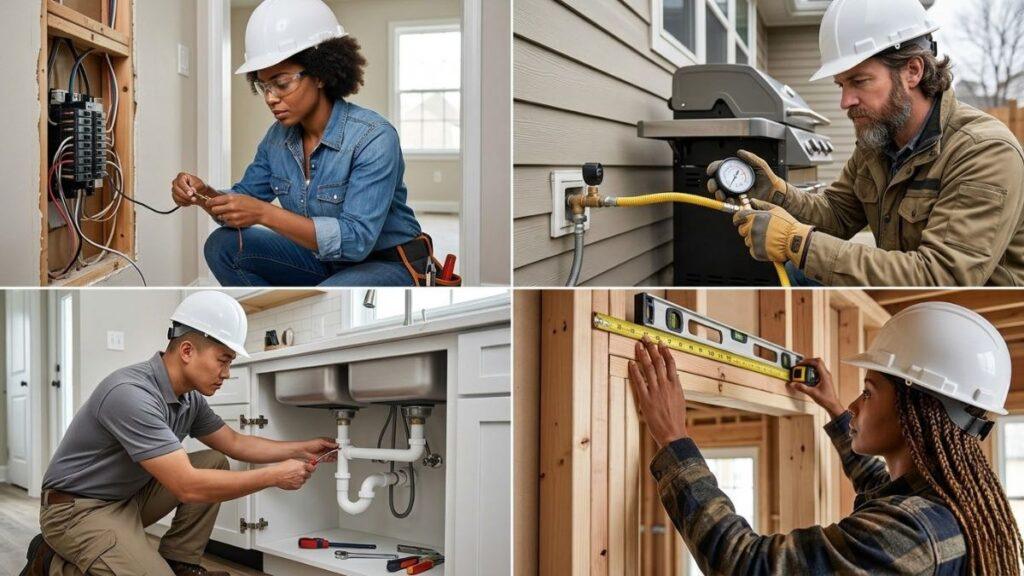
For example, work involving electrical systems, gas lines, plumbing systems, or structural modifications almost always requires a licensed contractor or licensed trade professional. These projects involve safety risks and building code compliance that regulators consider critical.
Roofing work is another example where licensing may be required even for smaller repairs. Because roofing impacts the structural integrity and weather protection of a building, many states regulate roofing contractors through specific licensing programs.
Similarly, projects involving HVAC systems, foundation repairs, or major remodeling tasks often fall under contractor licensing laws even when the project size appears relatively small.
Contractors should therefore evaluate not only the size of a project but also the type of work involved before determining whether licensing requirements apply.
Differences between handyman work and licensed contractor work
Many small construction jobs are performed by professionals who identify as handymen rather than licensed contractors. While handymen can legally perform certain types of work in many states, their scope of work is usually limited.
Handyman services typically include tasks such as small repairs, fixture installations, painting, drywall patching, or minor carpentry work. These tasks are often allowed without a contractor license as long as the project value remains below the state’s threshold.
However, once a project involves structural changes, mechanical systems, or building permits, the work may require a licensed contractor. This distinction is important because many contractors begin their careers performing handyman services before transitioning into fully licensed construction professionals.
Understanding the difference between handyman work and contractor work helps professionals avoid regulatory violations while gradually expanding their business capabilities.
Legal risks of working without a contractor license
Some contractors assume that working on small construction jobs without a license carries minimal risk. In reality, the legal consequences can be significant depending on the state.
Contractors caught performing work without the required license may face financial penalties, cease-and-desist orders, and restrictions on collecting payment from clients. In some jurisdictions, unlicensed contractors cannot legally enforce contracts in court, meaning they may not be able to recover unpaid fees.
Beyond legal penalties, operating without proper licensing can damage a contractor’s professional reputation. Clients increasingly verify contractor licenses before hiring construction professionals, and licensing databases maintained by state boards make it easy to check whether a contractor is properly registered.
For contractors planning to build a long-term construction business, obtaining the proper license is one of the most important steps toward establishing credibility and trust in the market.
How contractors should determine whether a license is required
The most reliable way to determine whether a contractor license is required for a specific project is to consult the official contractor licensing authority in the state where the work will be performed. These agencies publish detailed guidelines explaining licensing thresholds, permitted work categories, and regulatory requirements.
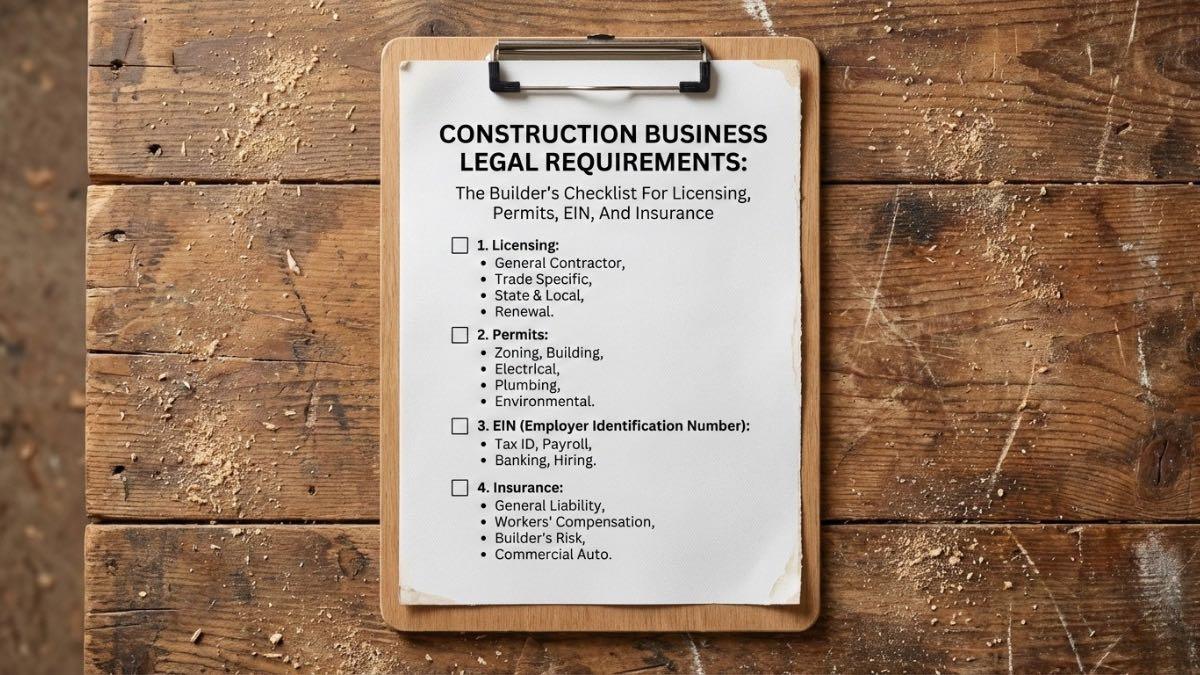
Contractors should review the following information before accepting a project:
• licensing thresholds based on project value;
• trade-specific licensing rules;
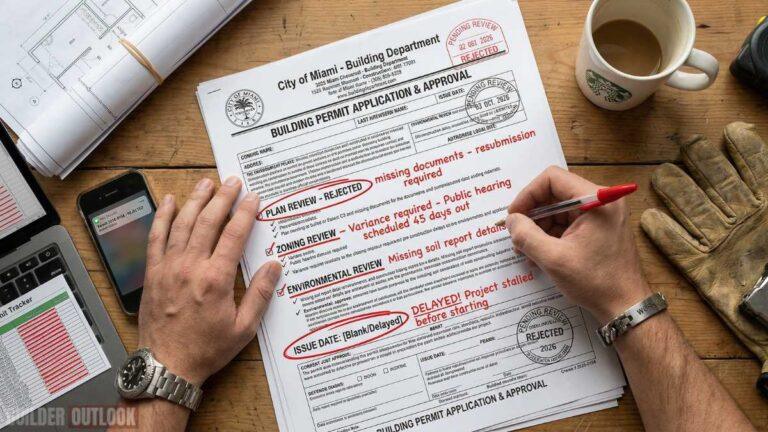
• building permit requirements;
• local contractor registration requirements;
Many states provide online resources where contractors can verify licensing rules, download application forms, and review regulatory guidelines. By conducting this research before starting work, contractors can ensure that their projects remain fully compliant with construction laws.
Understanding licensing requirements for small construction jobs helps contractors avoid legal complications while building a professional and trustworthy construction business.
FAQ – Do you need a contractor license for small construction jobs?
1. Do you need a contractor license for small construction jobs in the United States?
In many cases, a contractor license may still be required depending on the state and the type of work being performed. Some states allow small projects without a license if they fall below certain project value thresholds, but other states require licensing for nearly all construction activities.
2. What is a project value threshold in construction licensing?
A project value threshold is a maximum dollar amount set by a state that determines when a contractor license becomes mandatory. If the value of a construction project exceeds that limit, the contractor must obtain the appropriate license before performing the work.
3. Can contractors avoid licensing by dividing a project into smaller jobs?
No. Most states prohibit dividing a larger project into smaller contracts in order to bypass licensing requirements. Regulators typically consider the total project scope when determining whether a license is required.
4. Do handyman services require a contractor license?
Handyman services may not require a license in some states if the work remains below licensing thresholds and does not involve structural changes or regulated trades such as plumbing, electrical, or HVAC installations.
5. Which small construction jobs usually require a contractor license?
Projects involving electrical systems, plumbing installations, structural modifications, roofing repairs, and HVAC work often require licensed contractors regardless of the project size because they involve safety and building code compliance.
6.What happens if a contractor performs small construction jobs without a license?
Contractors working without a required license may face fines, legal penalties, and restrictions on collecting payment from clients. In some states they may also be prohibited from enforcing construction contracts in court.
7. How can contractors verify licensing rules for small projects?
Contractors should consult official state contractor licensing boards or regulatory agencies. These organizations publish guidelines explaining licensing requirements, project value thresholds, and permitted work categories.
8. Is it better to obtain a contractor license even for small projects?
Yes. Obtaining a contractor license increases credibility, protects contractors legally, and allows them to accept larger projects. Licensing also demonstrates professionalism and compliance with construction industry standards.