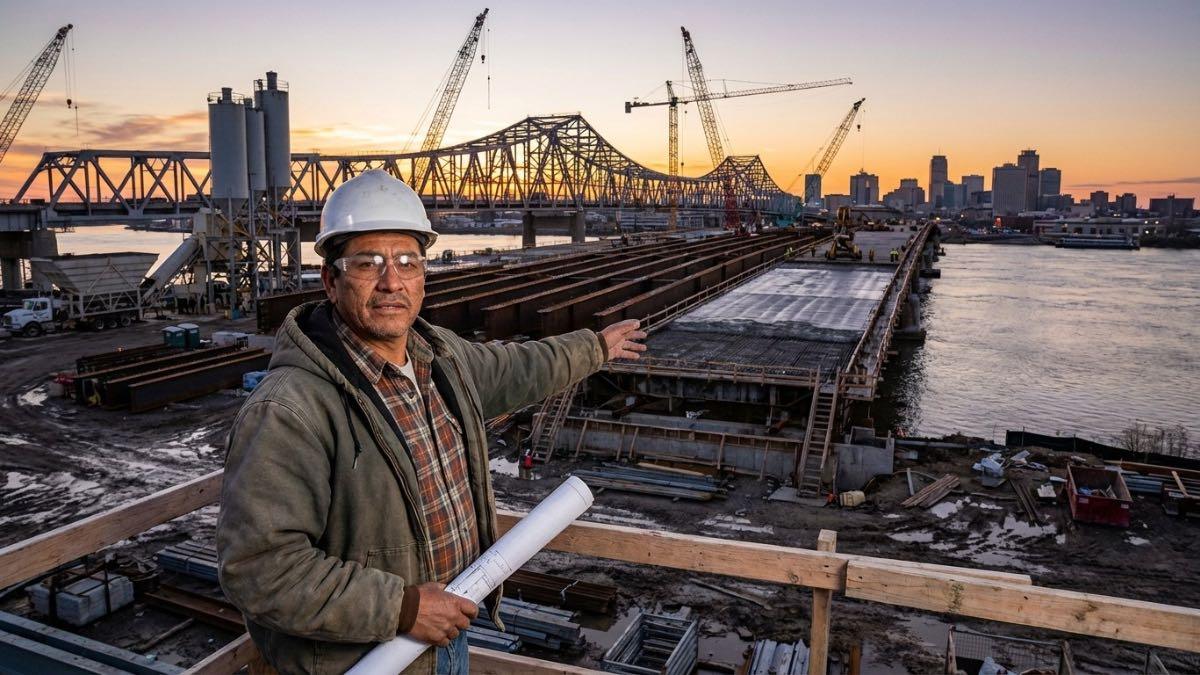
Infrastructure spending in the United States is entering one of the most significant expansion cycles in modern history. Large federal investments, combined with state and local infrastructure initiatives, are generating billions of dollars in construction opportunities across the country. For builders, contractors, engineering firms, and suppliers, this infrastructure boom represents one of the most important long-term growth drivers within the construction industry.
Infrastructure development includes a wide range of projects that support the functioning of modern economies. Roads, bridges, airports, rail systems, water treatment plants, energy transmission networks, ports, and public transit systems all require ongoing construction and modernization. In many regions of the United States, these systems were built decades ago and now require major upgrades or replacement to support current population levels and economic activity.
For contractors, understanding the scale and direction of infrastructure spending is essential. Infrastructure projects often involve multi-year construction timelines, large contract values, and specialized engineering requirements. Companies that understand where infrastructure investments are being directed can position themselves to participate in these projects through direct bidding or subcontracting relationships.
Infrastructure spending also stimulates economic activity beyond the construction sector. When governments invest in transportation systems, utilities, and public facilities, these improvements attract businesses, support housing development, and expand employment opportunities. As a result, infrastructure investment often triggers additional construction demand in surrounding communities.
Builders who monitor infrastructure spending trends carefully are better positioned to anticipate regional construction growth and align their business strategies with long-term market opportunities.
Federal infrastructure investment programs
One of the most important drivers of the current infrastructure construction cycle is federal investment legislation designed to modernize the nation’s infrastructure systems. Federal programs allocate funding for transportation networks, energy infrastructure, broadband expansion, water systems, and climate-resilient infrastructure.
These investments are designed to address aging infrastructure that has accumulated decades of maintenance backlogs. Many bridges, highways, and public utilities across the country were originally constructed during the mid-twentieth century and now require significant upgrades to remain functional and safe.
Information about federal infrastructure investment programs can be accessed through official government resources.
U.S. Department Of Transportation – infrastructure investment programs
https://www.transportation.gov
These programs distribute funding to state and local governments, which then initiate construction projects through public procurement processes. Contractors who understand how these funding channels operate can identify opportunities to participate in publicly funded infrastructure projects.
Many infrastructure contracts are awarded through competitive bidding systems. Construction companies must meet technical qualifications, licensing requirements, and financial capacity standards before they can compete for these projects.
Transportation infrastructure projects
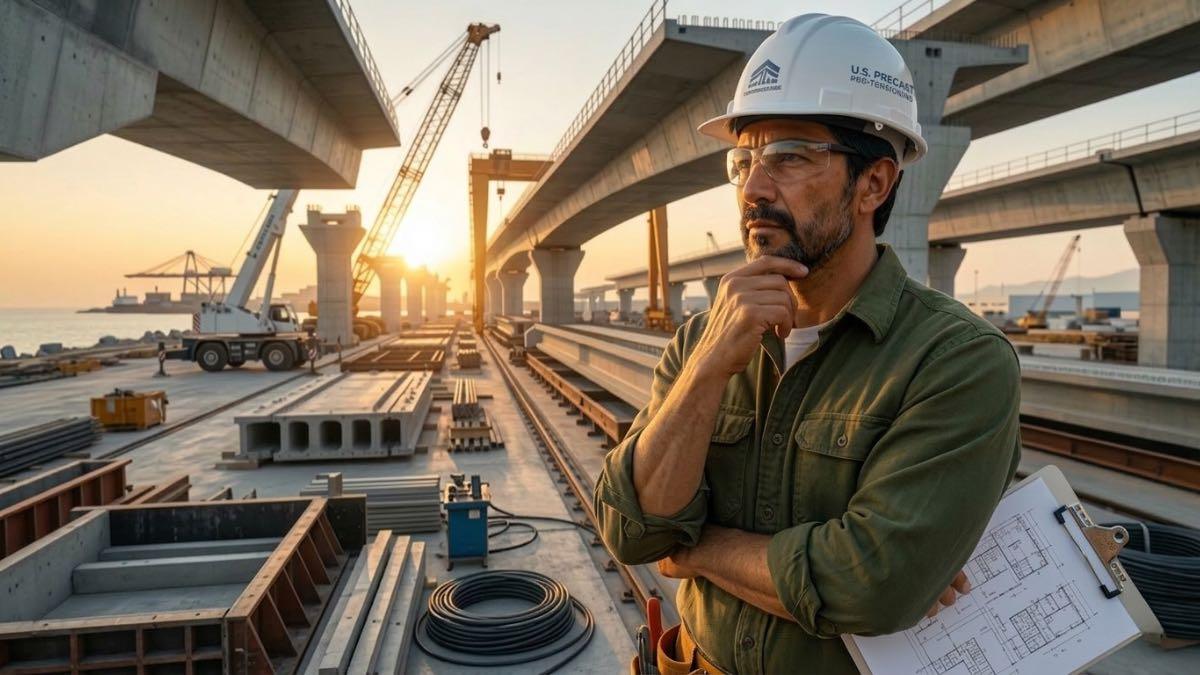
Transportation infrastructure represents one of the largest categories of construction spending in the United States. Highways, bridges, tunnels, rail systems, and airports all require continuous expansion and maintenance as populations grow and transportation needs evolve.
Highway expansion projects are particularly common in rapidly growing metropolitan regions where population growth increases traffic congestion. State transportation agencies frequently launch major road construction programs designed to improve mobility and reduce transportation bottlenecks.
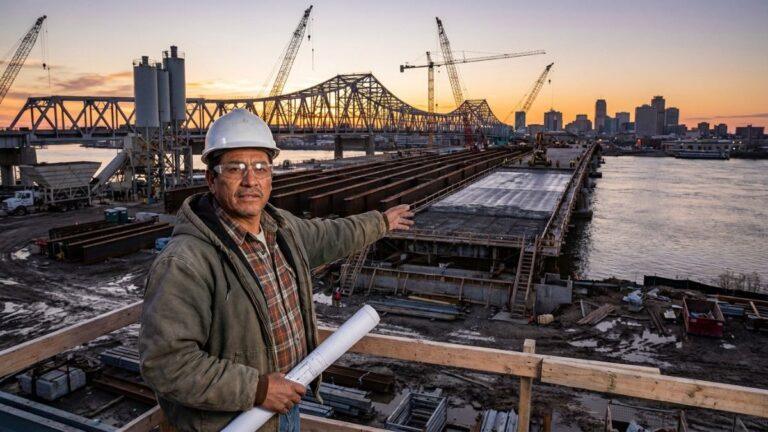
Bridge rehabilitation and replacement also represent a major infrastructure priority. Thousands of bridges across the United States require structural upgrades or replacement due to age and heavy usage.
Rail infrastructure development is also expanding as cities invest in public transit systems designed to reduce congestion and support sustainable urban growth. Rail projects often involve complex engineering requirements and specialized construction expertise.
Federal Highway Administration – transportation infrastructure data
Transportation projects often involve large construction contracts that require collaboration between multiple contractors, engineering firms, and material suppliers.
Advertising
Water and energy infrastructure expansion
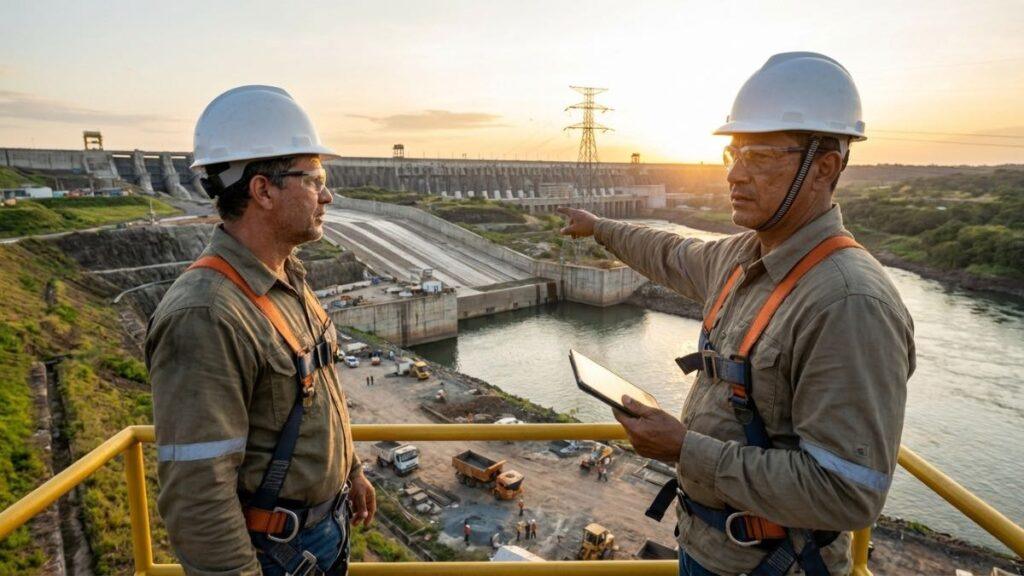
Beyond transportation systems, major investments are also being directed toward water infrastructure and energy systems. Water treatment facilities, pipelines, reservoirs, and stormwater systems must expand as communities grow and environmental regulations evolve.
Many cities are upgrading aging water infrastructure to improve reliability and protect public health. Construction projects involving water systems often require specialized expertise in civil engineering and environmental construction practices.
Energy infrastructure development is also expanding rapidly. Electrical transmission networks, renewable energy facilities, and energy storage systems are being constructed across the country to support modern power demands.
Energy infrastructure projects often involve large-scale construction operations including foundations, transmission towers, substations, and utility corridors.
U.S. Department Of Energy – infrastructure development initiatives
Contractors specializing in utility construction and heavy civil engineering
frequently participate in these projects.
Regional construction opportunities created by infrastructure spending
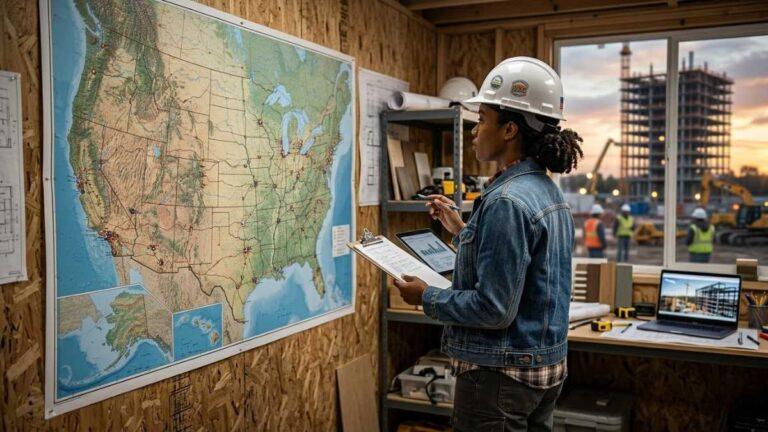
Infrastructure investment tends to be geographically concentrated in regions experiencing rapid population growth or economic expansion. States with strong economic development programs often receive large allocations of infrastructure funding to support transportation, utilities, and industrial development.
Regions experiencing strong population migration often require new infrastructure systems to support expanding communities. As new housing developments are constructed, local governments must invest in roads, water systems, schools, and other public facilities.
For builders, these infrastructure investments create secondary construction opportunities. Residential construction often increases in areas where infrastructure improvements make land development more viable. Commercial construction also expands as businesses relocate to regions with improved transportation and utilities.
Contractors who track infrastructure spending patterns can identify emerging construction markets before competition intensifies.
How contractors can participate in infrastructure projects
Participating in infrastructure construction projects often requires contractors to understand public procurement systems and government contracting procedures. Unlike private construction projects, infrastructure projects funded by public agencies typically involve structured bidding processes governed by procurement regulations.
Contractors interested in these projects must monitor government procurement portals where agencies publish upcoming infrastructure projects and bidding opportunities.
Many federal infrastructure opportunities are listed through official government procurement systems.
U.S. General Services Administration – federal contracting opportunities
State and local governments also publish procurement announcements through their own bidding platforms.
Contractors often begin participating in infrastructure construction by working as subcontractors on large projects managed by major general contractors. Over time, companies can develop the experience and qualifications necessary to compete for larger contracts directly.



FAQ – Infrastructure spending boom in the united states and what it means for builders
1. What is driving the infrastructure spending boom in the united states?
Large federal investment programs, combined with state and local infrastructure initiatives, are funding major construction projects designed to modernize transportation systems, utilities, and public facilities.
2. What types of construction projects are included in infrastructure spending?
Infrastructure spending includes highways, bridges, rail systems, airports, water systems, energy networks, broadband infrastructure, and other public facilities.
3. How can contractors find infrastructure construction opportunities?
Contractors can monitor government procurement systems such as federal and state bidding portals where public agencies publish infrastructure project opportunities.
4. Why are infrastructure projects important for construction companies?
Infrastructure projects often involve large contracts and long construction timelines, which provide stable revenue opportunities for construction companies.
5. Do infrastructure projects create additional construction demand?
Yes. Infrastructure improvements often stimulate residential, commercial, and industrial development in surrounding areas.
6. Are infrastructure projects funded only by the federal government?
No. Infrastructure funding often combines federal, state, and local government investments along with private sector participation.
7. What skills are required for infrastructure construction projects?
Infrastructure projects require expertise in civil engineering, heavy equipment operation, project management, and large-scale construction coordination.
8. Can small contractors participate in infrastructure projects?
Yes. Many small contractors participate as subcontractors on larger infrastructure projects managed by major construction firms.