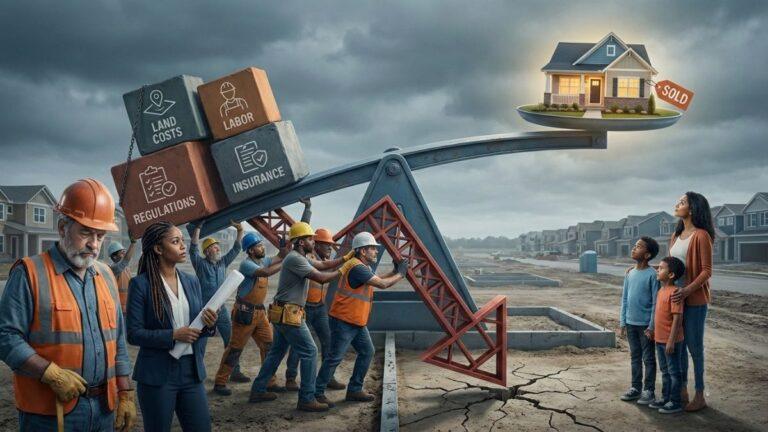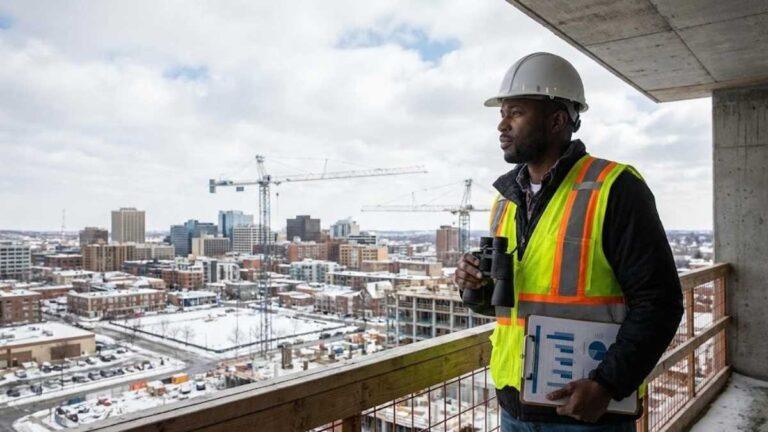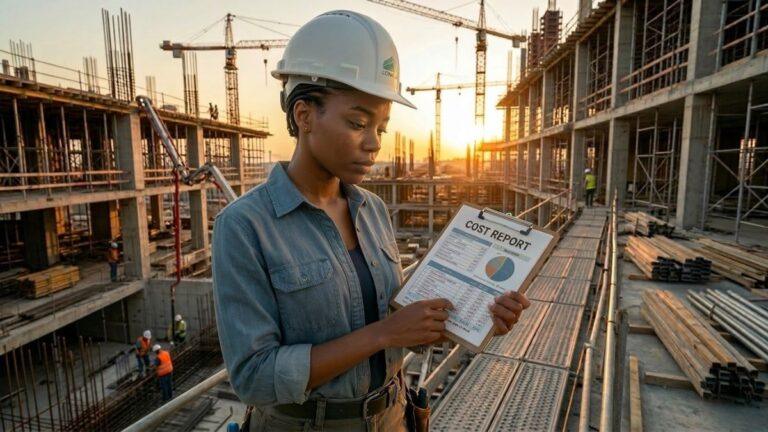
Housing demand in the United States has not disappeared in 2026. What has changed is the ability and willingness of buyers to act under current financial conditions. Affordability has become the dominant friction point in residential construction, not because people stopped wanting homes, but because the economic math behind those decisions no longer closes cleanly for a large portion of the market.
This affordability pressure is not driven by a single factor. It is the result of layered costs accumulating simultaneously, including interest rates, insurance premiums, property taxes, construction input pricing, labor costs, and regulatory expenses. When combined, these pressures stall decisions even in markets with strong population growth and employment fundamentals.
For contractors, developers, and builders, understanding why housing decisions remain frozen is essential. Misreading this moment leads to incorrect pipeline forecasts, pricing mistakes, and misplaced optimism about demand translating into starts.
Advertising

Why interest rates are only part of the affordability equation
Interest rates receive the most attention because they are visible and easy to quantify, but they are not the sole driver of affordability paralysis. Even when rates stabilize or decline slightly, monthly payments remain elevated due to higher home prices and increased carrying costs. Buyers focus on total monthly obligation, not rate headlines.
Insurance costs have quietly become a major contributor. In many regions, especially Florida, Texas, California, and coastal markets, homeowners insurance premiums have doubled or tripled over short periods. These costs directly affect mortgage qualification and buyer psychology, pushing many potential buyers to pause decisions indefinitely.
Property taxes, HOA fees, and maintenance expectations further compound the issue. When all recurring costs are considered, affordability erodes faster than rate movements alone suggest. This explains why buyer behavior remains cautious even when financing conditions appear marginally improved.
How construction costs lock affordability in place
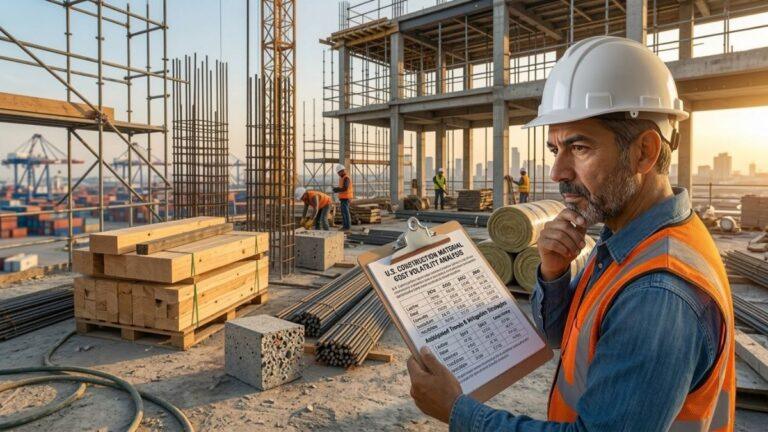
Construction input costs have reset housing price floors upward. Builders cannot reduce prices meaningfully without sacrificing margins, quality, or solvency. Labor shortages, wage pressure, material volatility, and compliance costs have permanently altered cost structures.
This creates a structural affordability ceiling. Builders may want to offer more accessible price points, but the economics of construction no longer support prior entry-level pricing without subsidies or scale advantages. As a result, projects stall in planning as developers struggle to reconcile buyer affordability with build feasibility.
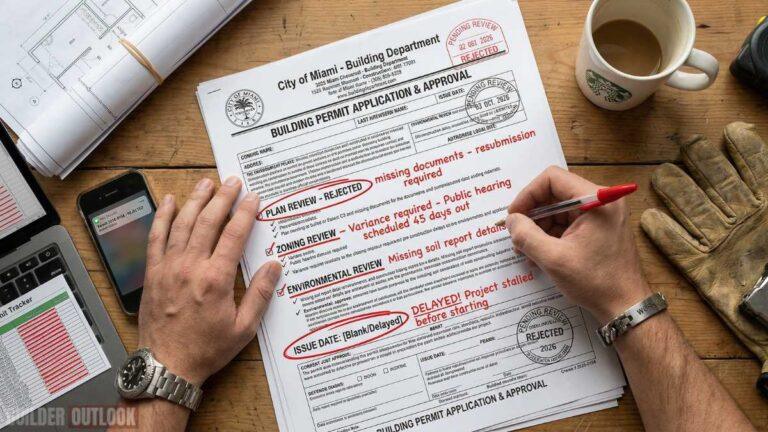
For contractors, this reality translates into delayed starts rather than canceled demand. Projects remain conceptually viable but financially frozen, waiting for a cost or financing shift that may not arrive quickly.
Why buyers hesitate even when qualified on paper
Many buyers technically qualify for mortgages but hesitate due to uncertainty. Job security concerns, future rate risk, insurance volatility, and fear of price corrections influence decision-making more than qualification thresholds alone.
This psychological component freezes activity. Buyers delay purchases not because they cannot buy, but because committing under uncertain conditions feels risky. This behavior is amplified by media narratives, regional cost spikes, and peer experiences.
Builders feel this hesitation through slower absorption rates, extended sales cycles, and increased incentive demands. Contractors see it indirectly through delayed project starts and cautious scheduling commitments.
Regional differences intensifying the freeze
Affordability challenges are not uniform. High-growth metros with strong job markets still experience stalled housing decisions because costs outpace income growth. In contrast, secondary markets may see more movement but face financing and insurance constraints.
States like Florida, Texas, Arizona, California, and parts of the Northeast experience compounded affordability pressure due to insurance and tax dynamics. This creates regional bottlenecks that distort national housing data.
Contractors operating in these markets must interpret demand signals locally. National housing statistics obscure the microeconomic realities driving project delays.
Why affordability affects contractors beyond residential work
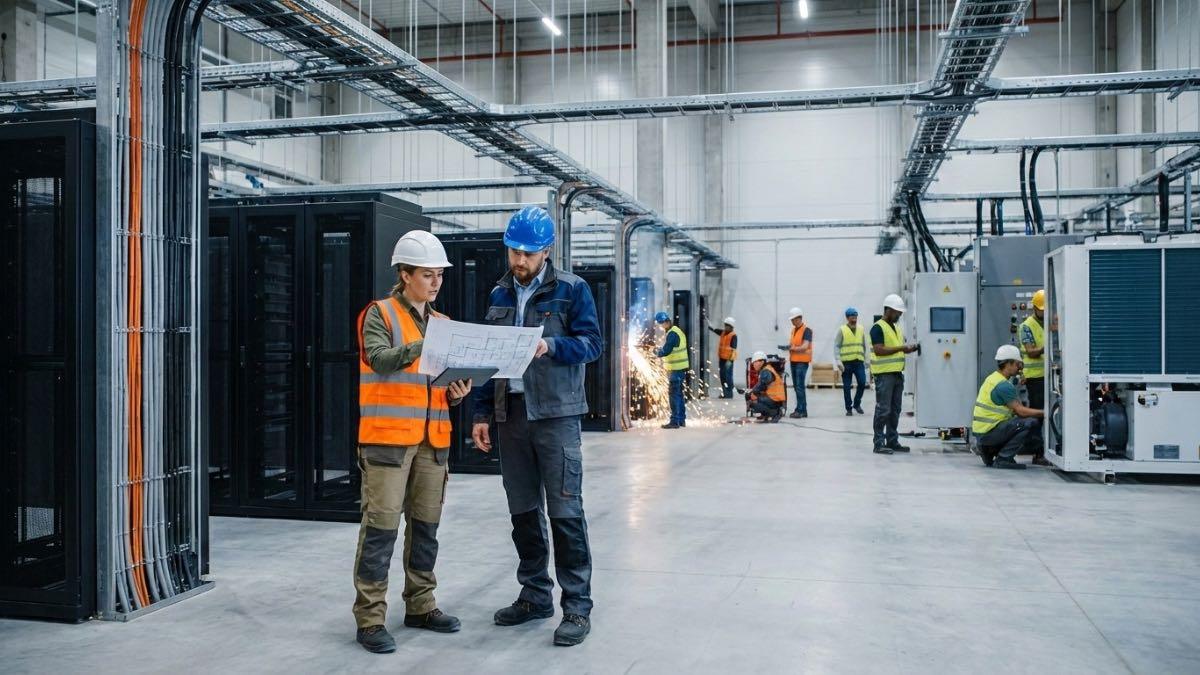
Residential affordability impacts contractors even outside housing. When housing slows, labor reallocates toward infrastructure, industrial, and data center projects, tightening labor markets and raising costs across sectors.
This secondary effect increases pricing pressure and scheduling risk for commercial and nonresidential contractors. Affordability therefore becomes a system-wide issue, not a residential-only concern.
Understanding this cascade helps contractors anticipate labor and cost pressure earlier.
What needs to change before housing unlocks
Housing decisions will unfreeze only when multiple variables align. Stabilized insurance markets, clearer rate outlooks, predictable construction costs, and restored buyer confidence must converge. Single-variable improvements are insufficient.
Builders and contractors who recognize this avoid overcommitting resources prematurely. Those who assume pent-up demand will immediately release risk misallocating capital and labor.
In 2026, affordability is not a temporary pause. It is a structural constraint shaping housing timelines.
More from Builder Inteligence

FAQ – The affordability problem: why housing decisions are staying frozen
1. Why is housing demand frozen even though people still want homes?
Because affordability is constrained by combined costs including interest rates, insurance, taxes, and construction pricing, not demand alone.
2. Are interest rates the main affordability problem?
No. Insurance premiums, property taxes, and elevated construction costs play equally significant roles.
3. Why don’t builders just lower prices?
Cost structures have reset upward, making significant price reductions financially unsustainable without quality or margin loss.
4. How does buyer psychology affect housing starts?
Uncertainty around future costs and economic stability delays decisions even when buyers qualify financially.
5. Which regions face the worst affordability pressure?
Florida, Texas, California, Arizona, and coastal markets face compounded pressures from insurance and taxes.
6. Does affordability impact nonresidential contractors?
Yes. Slower housing reallocates labor and capital, increasing pressure across other construction sectors.
7. Is this affordability issue temporary?
It appears structural, requiring multiple systemic adjustments rather than short-term fixes.
8. What should contractors do in response?
Plan conservatively, monitor regional signals closely, and avoid scaling based on assumed demand release.