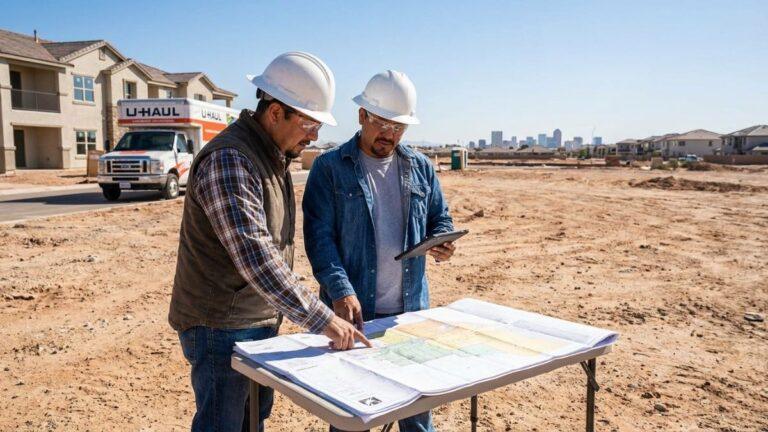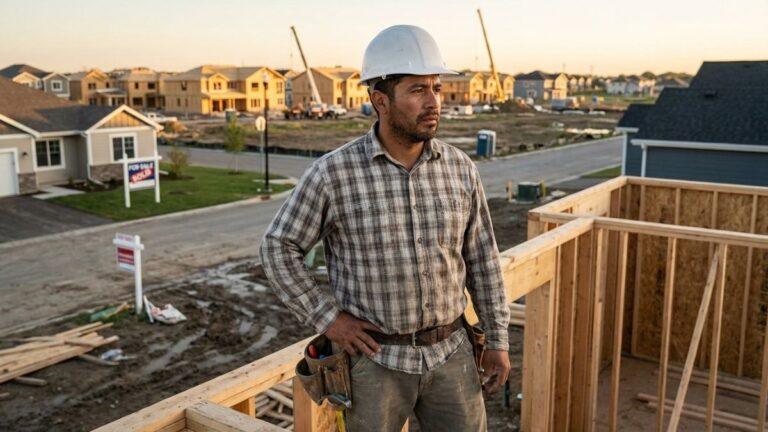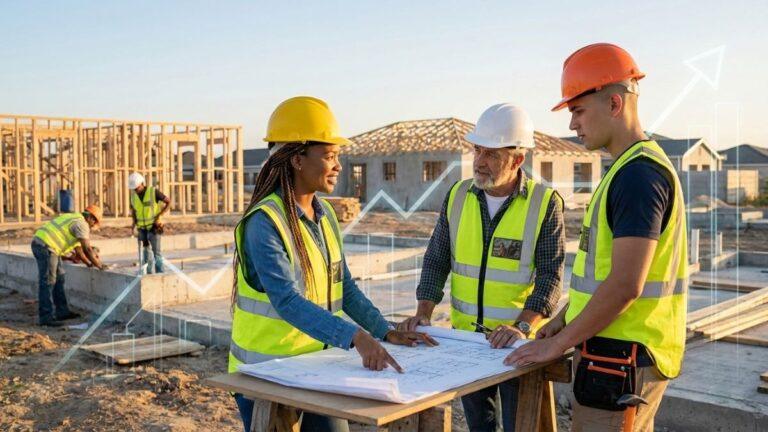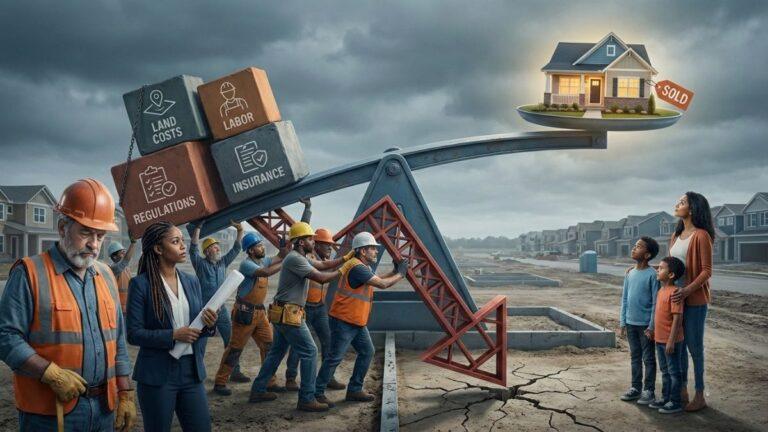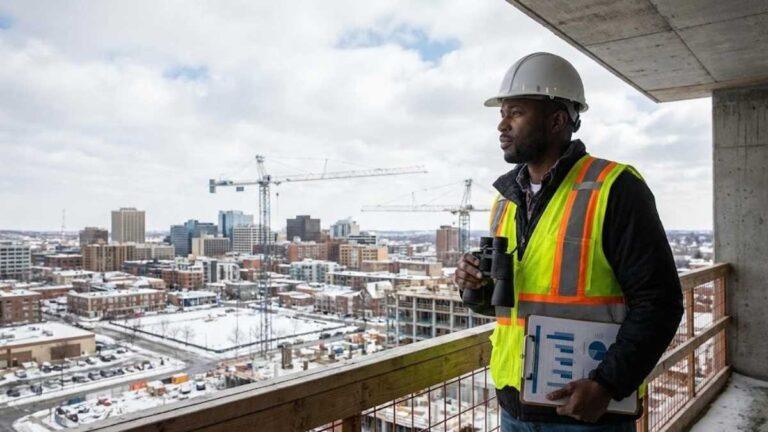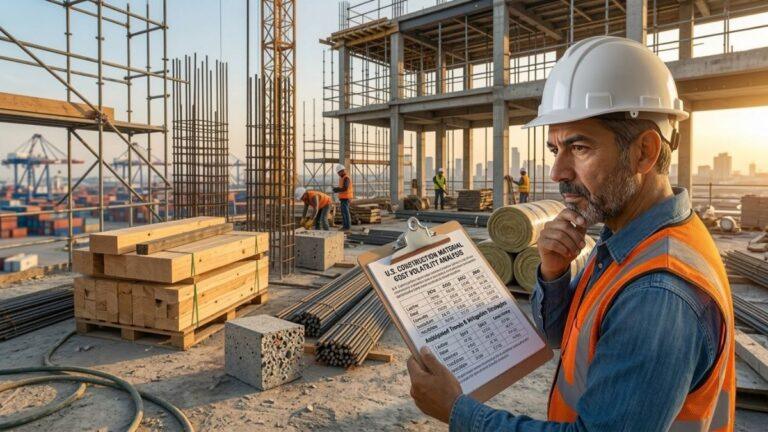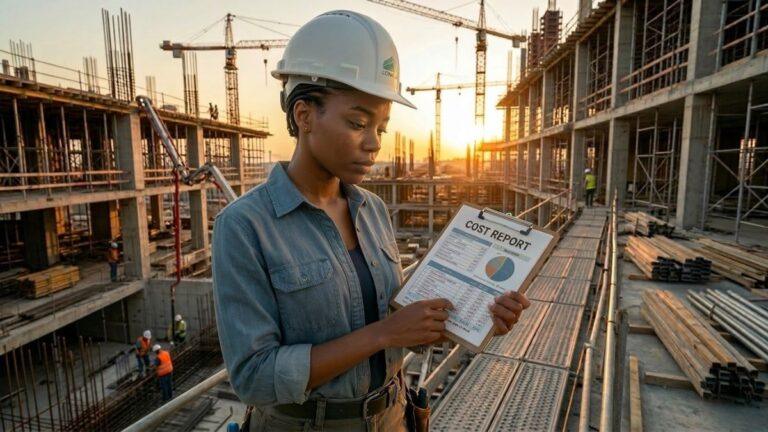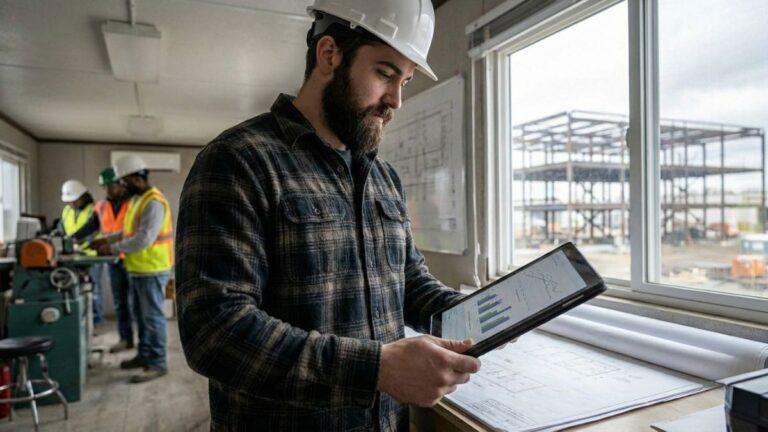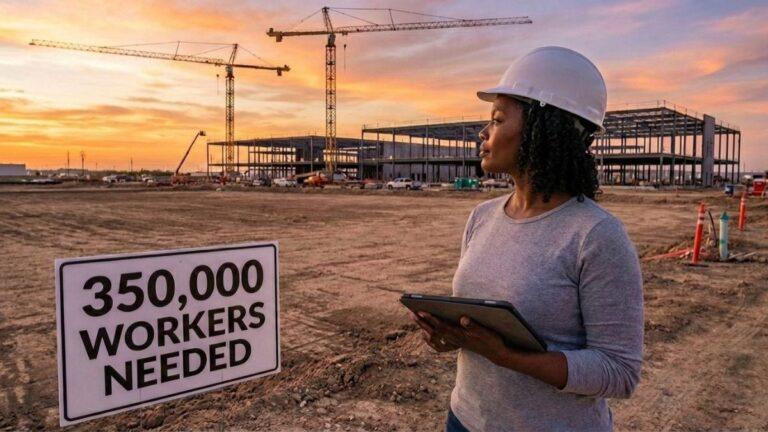
The construction industry in the United States is currently facing one of the most significant workforce challenges in its modern history. The demand for construction projects continues to increase as population growth, housing shortages, infrastructure modernization, and commercial development expand across the country. However, the number of qualified construction workers available to perform these projects has not kept pace with industry demand.
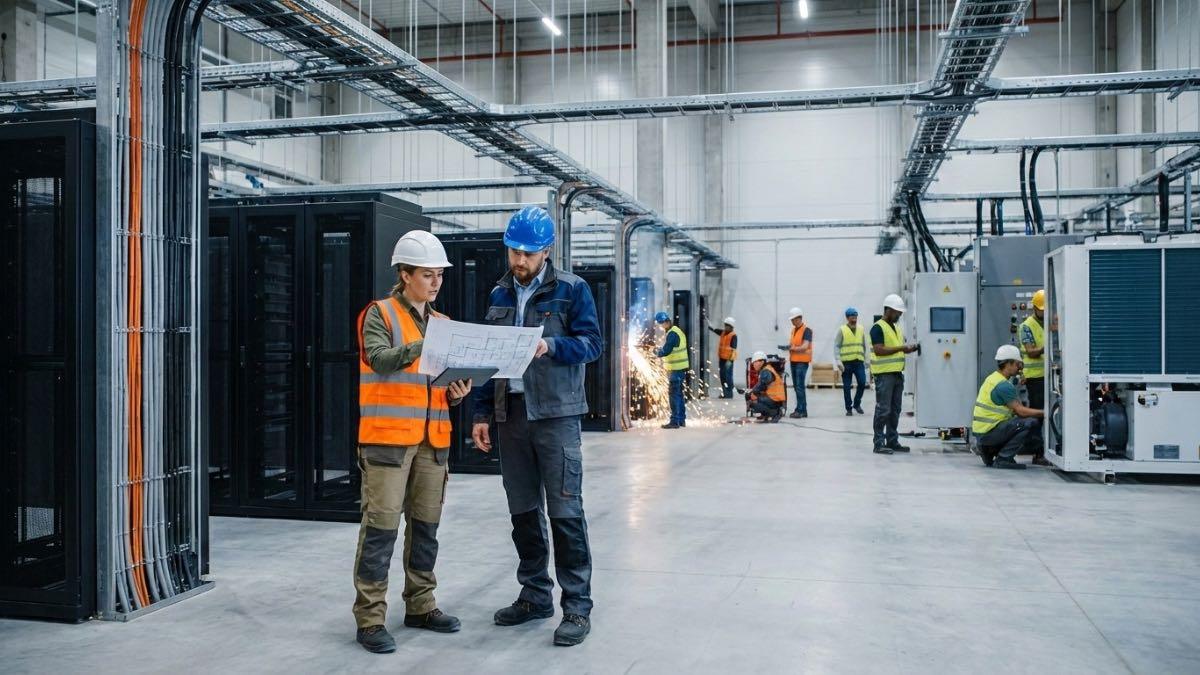
This imbalance between available jobs and skilled labor has created what industry experts commonly refer to as the construction labor shortage. Contractors across the United States report difficulties finding experienced electricians, plumbers, carpenters, welders, heavy equipment operators, and other skilled tradespeople required to complete projects efficiently.
For builders and contractors, the consequences of the labor shortage are far-reaching. Projects may experience delays due to insufficient manpower, labor costs continue to rise as companies compete for qualified workers, and project schedules become increasingly difficult to manage.
Understanding the causes of the labor shortage and identifying potential solutions has become a strategic priority for construction companies. Contractors who proactively address workforce challenges will be better positioned to maintain productivity, win new projects, and remain competitive within the construction industry.
Several major organizations track labor trends in the construction sector. Workforce data and research can be found through:
U.S. Bureau Of Labor Statistics
and
Associated Builders And Contractors workforce reports
These organizations provide detailed analysis of employment trends and workforce shortages affecting the construction industry.
The main causes of the construction labor shortage
Multiple factors have contributed to the construction labor shortage currently affecting the United States. One of the most significant drivers is the aging workforce within the construction industry. Many experienced construction workers entered the trades decades ago and are now approaching retirement age.
As these skilled workers retire, the industry is losing decades of accumulated knowledge and experience. Unfortunately, the number of younger workers entering construction trades has not been sufficient to replace retiring workers.
Another factor contributing to the labor shortage is the decline of vocational training programs in many educational systems. For years, schools emphasized university education pathways while reducing emphasis on skilled trades training. As a result, fewer young people have been exposed to construction careers during their early education.
Immigration policy changes have also influenced construction workforce availability in certain regions. Historically, immigrant labor has played an important role in supporting construction industry growth, particularly in large metropolitan areas.
Finally, the construction industry itself faces competition from other sectors that offer stable work environments and predictable schedules. Younger workers may view construction as physically demanding or unstable compared to technology or service-sector jobs.
These combined factors have created a workforce gap that the industry must address in order to sustain long-term growth.
How labor shortages affect construction companies
The construction labor shortage directly impacts contractors, developers, and project owners in several important ways. One of the most immediate effects is the increase in labor costs. When qualified workers are scarce, companies must offer higher wages and additional benefits to attract and retain employees.
While competitive wages help attract talent, they also increase project costs. Builders must incorporate rising labor expenses into their project budgets and bidding strategies.
Labor shortages can also lead to project delays. Construction projects require coordination among multiple trades, and a shortage in one specialized trade can delay the entire project schedule. For example, if electricians or HVAC technicians are unavailable at the required stage of construction, subsequent phases may be postponed.
Another challenge involves productivity. Overworked crews may experience fatigue, which can increase the risk of mistakes or safety incidents. Companies operating with insufficient staffing levels may struggle to maintain consistent work quality.
For developers and project owners, these challenges often translate into longer project timelines and increased development costs.

Workforce development and training initiatives
Recognizing the severity of the labor shortage, many industry organizations have launched workforce development programs designed to attract new workers into construction trades.
Apprenticeship programs are one of the most effective strategies for training new workers. These programs combine classroom instruction with on-the-job training, allowing participants to develop practical skills while earning wages.
Trade schools and vocational training centers also play an important role in preparing the next generation of construction professionals. Many programs focus on specific trades such as electrical work, carpentry, plumbing, welding, or heavy equipment operation.
Organizations supporting workforce training include:
National Center For Construction Education And Research
This organization develops standardized training programs and certification systems used by construction employers across the United States.
Builders who actively participate in workforce development initiatives often gain early access to trained workers entering the industry.
The role of technology in addressing labor shortages
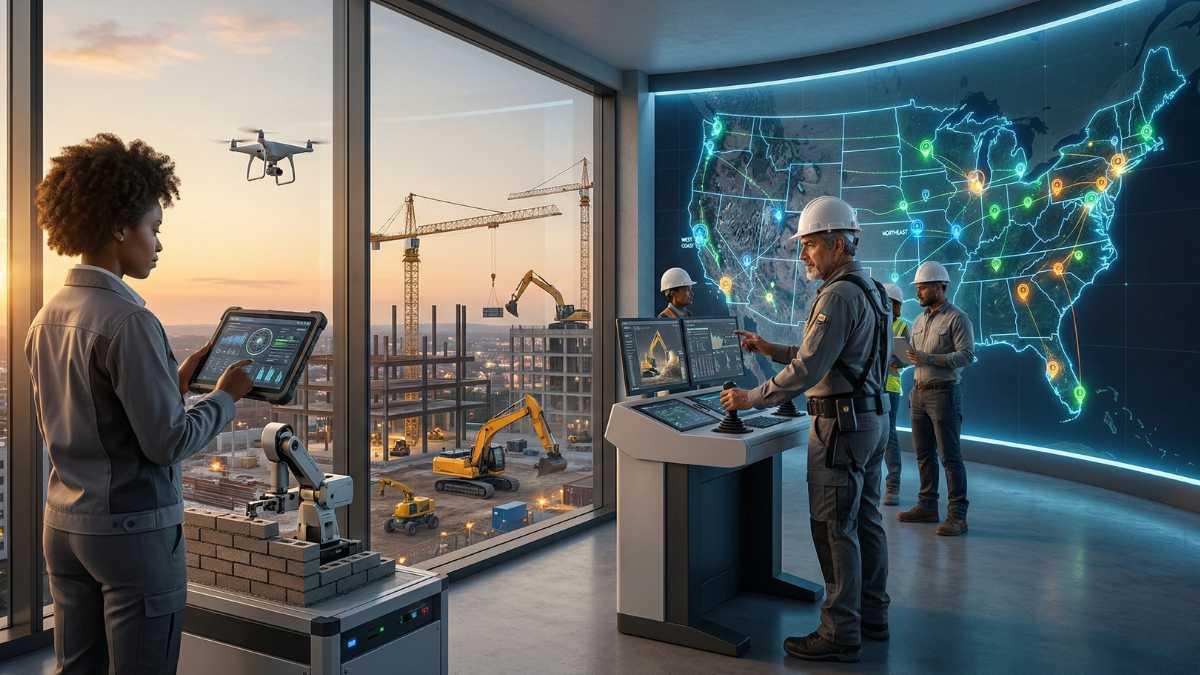
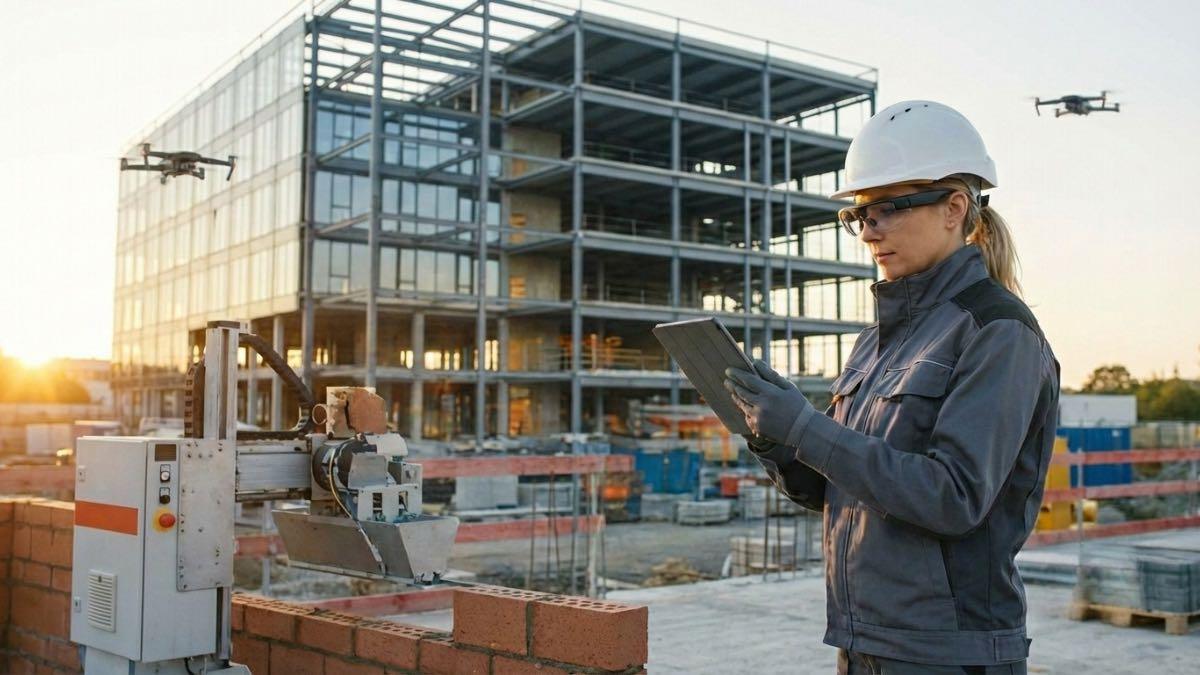
Technology adoption has become an increasingly important tool for managing labor shortages within the construction industry. While technology cannot completely replace skilled workers, it can improve efficiency and reduce the amount of labor required for certain tasks.
Construction project management software allows teams to coordinate schedules, track materials, and communicate more efficiently. These tools help reduce delays caused by miscommunication or scheduling conflicts.
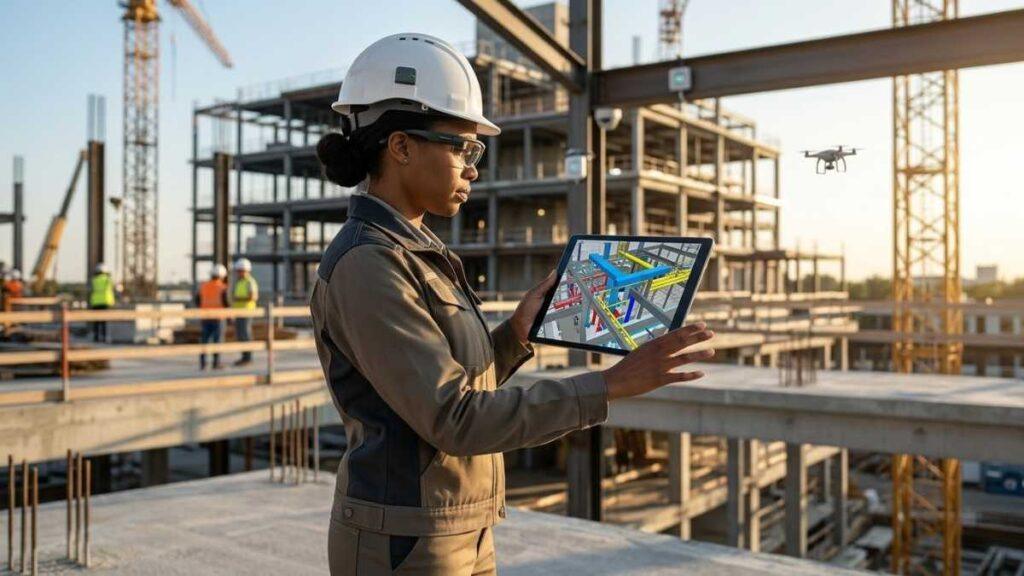
Building Information Modeling (BIM) technology allows architects, engineers, and contractors to collaborate digitally on construction designs before physical work begins. By identifying design conflicts early, BIM reduces costly construction errors and rework.
Automation and prefabrication are also emerging as potential solutions. Prefabricated building components can be manufactured in controlled environments and assembled on-site, reducing the amount of labor required
during construction.
Contractors who integrate technology into their operations may be able to maintain productivity even when workforce availability is limited.
Strategies builders use to recruit and retain workers
Successful construction companies are increasingly adopting proactive strategies to attract and retain skilled workers. Competitive wages remain an important factor, but companies are also offering additional benefits such as health insurance, retirement plans, and training opportunities.
Workplace culture has also become an important factor influencing employee retention. Construction companies that emphasize safety, teamwork, and professional development often experience lower turnover rates.
Many companies are also working to improve the public perception of construction careers. Outreach programs in high schools and vocational institutions introduce students to construction trades and highlight the career opportunities available within the industry.
Marketing construction careers as high-paying, stable professions can help attract new talent into the workforce.
Builders who invest in workforce development today will be better positioned to handle the industry’s long-term labor challenges.


FAQ – Construction labor shortage in the United States: causes, impact, and solutions for builders
1. What is the construction labor shortage in the united states?
The construction labor shortage refers to the growing gap between the number of available construction jobs and the number of qualified workers capable of filling those positions.
2. Why is the construction industry experiencing a labor shortage?
Several factors contribute to the shortage including an aging workforce, fewer young workers entering trades, reduced vocational training, and increasing construction demand.
3. Which construction trades are most affected by labor shortages?
Electricians, plumbers, welders, carpenters, HVAC technicians, and heavy equipment operators are among the trades experiencing the most severe shortages.
4. How does the labor shortage affect construction costs?
Labor shortages increase wages as companies compete for skilled workers, which ultimately raises overall construction project costs.
5. What programs help train new construction workers?
Apprenticeship programs, trade schools, and industry certification programs help prepare workers for construction careers.
6. How can construction companies attract workers?
Companies attract workers by offering competitive wages, training opportunities, benefits packages, and safe working environments.
7. Can technology help solve construction labor shortages?
Technology such as BIM software, construction management tools, and prefabrication methods can improve productivity and reduce labor demand.
8. Where can contractors find workforce research for construction?
Organizations such as the Bureau of Labor Statistics and Associated Builders and Contractors publish workforce reports for the construction industry.