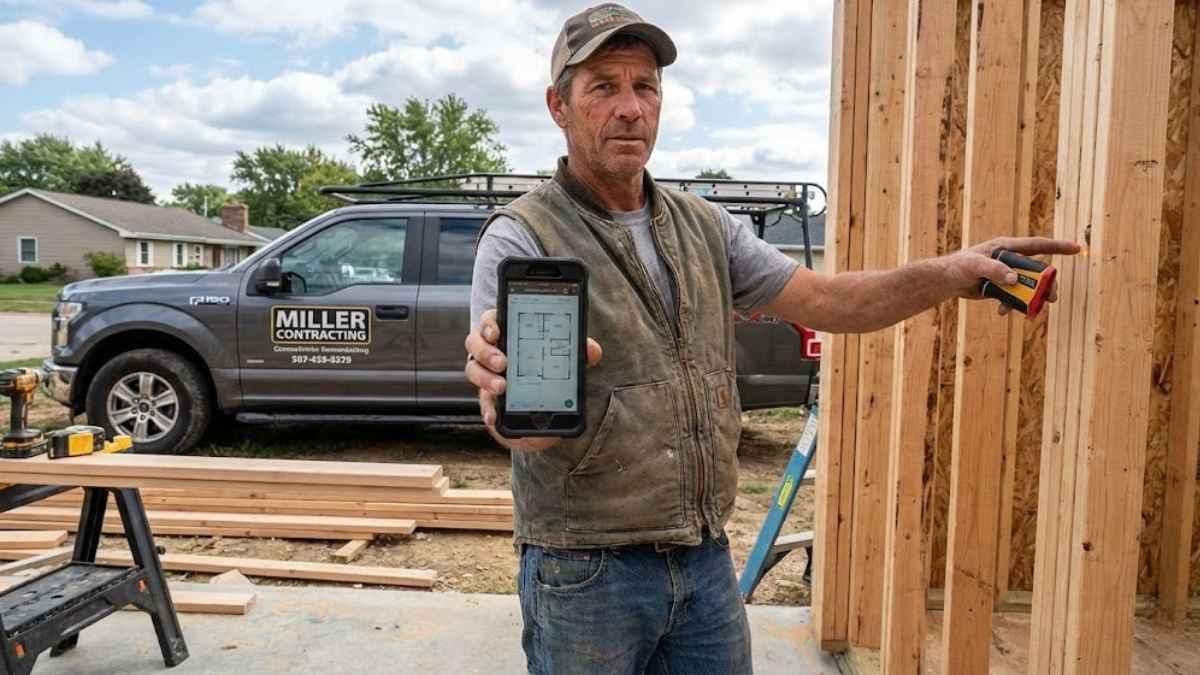
Technology adoption has become one of the most misunderstood conversations among small contractors in the United States. In 2026, the problem is no longer whether technology matters, but where it actually delivers leverage for companies with limited teams, limited capital, and limited tolerance for disruption. Many small contractors fail with technology not because tools are bad, but because adoption happens in the wrong order, without operational readiness, and without a clear understanding of what problems must be solved first.
Small contractors operate under very different constraints than large firms. They cannot afford six-month implementations, overlapping platforms, or systems that require full-time administrators. Every tool added must reduce friction immediately, protect cash flow, and support execution in the field. Technology that looks impressive but does not shorten cycles, reduce errors, or improve visibility quickly becomes a liability rather than an asset.
The key shift in 2026 is that technology is no longer about growth aspiration. It is about survival efficiency. The contractors who adopt the right tools first stabilize operations, protect margins, and create capacity before scaling. Those who adopt the wrong tools first amplify chaos and drain attention from the core work that actually generates revenue.


Why most small contractors fail with technology
The most common failure point is chasing features instead of outcomes. Small contractors are often sold platforms designed for enterprise-scale organizations, filled with modules they will never fully use. This creates complexity without corresponding benefit. Teams resist adoption, data becomes incomplete, and leadership loses trust in the system.
Another failure point is adopting technology before process. Software cannot fix unclear workflows, inconsistent reporting, or weak supervision. When operations lack discipline, technology simply exposes dysfunction faster. This creates frustration and reinforces the belief that technology does not work for smaller firms, when the real issue is sequencing.
Cost structure is another critical factor. Subscription stacking is a silent killer for small contractors. Multiple tools with overlapping functions drain cash flow without delivering proportional value. In 2026, disciplined contractors are aggressively simplifying their tech stacks, not expanding them blindly.
What small contractors must implement first
The first category that delivers immediate leverage is financial visibility. Basic job costing, committed cost tracking, and real-time margin awareness are non-negotiable. Contractors who do not know where money is being made or lost cannot make intelligent decisions under volatility. Simple, reliable financial tools that connect estimates, contracts, and actual costs should always come before advanced analytics or automation.
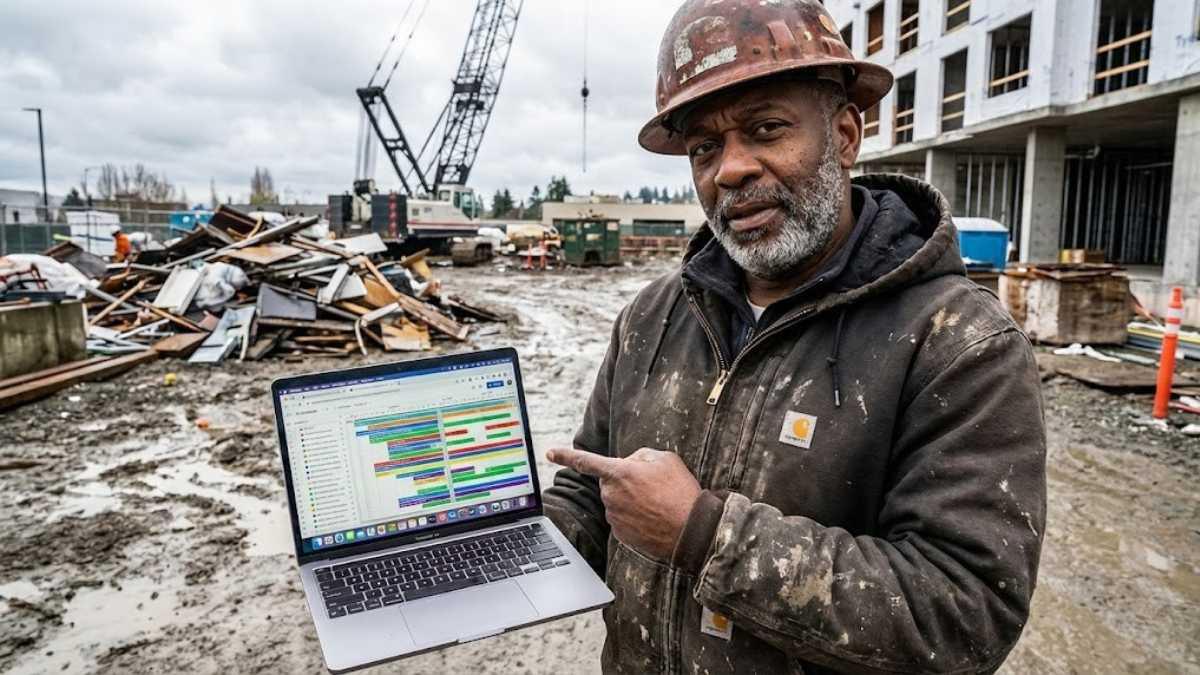
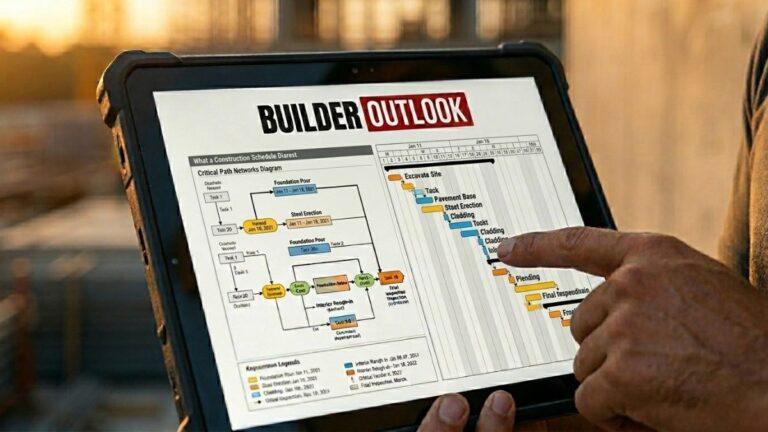
The second priority is scheduling and coordination clarity. Small contractors do not need complex critical path software, but they do need shared visibility. Tools that allow crews, supervisors, and leadership to see current schedules, upcoming tasks, and constraints reduce miscommunication and rework. In 2026, even basic digital scheduling outperforms verbal coordination.
The third priority is documentation. Daily reports, photos, and simple field logs protect contractors legally and operationally. Documentation tools should be easy to use in the field, require minimal training, and integrate with project records. This layer reduces disputes, supports billing, and improves accountability without adding administrative burden.

Technology that should come later, not first
Advanced analytics, AI forecasting, and enterprise-level integrations should not be early priorities for small contractors. These tools assume stable data inputs, disciplined reporting, and mature processes. Without those foundations, advanced tools produce misleading insights and false confidence.
Customer-facing portals and marketing automation also fall into the “later” category for many small contractors. Until execution is consistent and delivery predictable, scaling visibility often amplifies operational weaknesses. Technology should first stabilize the core before accelerating exposure.
Another category to delay is heavy customization. Custom workflows and tailored platforms increase dependency on consultants and slow adaptability. Small contractors benefit more from simple, standardized tools that can be adjusted quickly as operations evolve.
The real goal of tech adoption in 2026
For small contractors, technology adoption is not about becoming digital-first. It is about becoming decision-ready. The right tools create clarity, shorten feedback loops, and reduce reliance on memory and informal communication. They allow leaders to see problems early, not after damage is done.
In 2026, the most successful small contractors use fewer tools better. They prioritize adoption depth over feature breadth. Teams actually use the systems, data is trusted, and decisions are faster. This creates a quiet but powerful competitive advantage in markets where speed, reliability, and margin protection matter more than scale.
Technology does not replace experience or leadership. It amplifies them. When adopted in the correct order, technology becomes a force multiplier rather than a distraction. Small contractors who understand this sequencing survive volatility and position themselves for controlled growth rather than chaotic expansion.


FAQ – Tech adoption for small contractors
1. Why do small contractors struggle more with technology adoption than large firms?
Small contractors have limited time, capital, and tolerance for disruption. Tools designed for large organizations often introduce complexity without immediate return. Without careful sequencing, technology adoption consumes attention and resources instead of reducing operational friction.
2. What is the first technology investment a small contractor should make?
Financial visibility tools come first. Job costing, committed cost tracking, and margin monitoring provide immediate decision support. Without financial clarity, other technology investments operate on assumptions rather than facts.
3. Should small contractors invest in AI tools early?
Generally no. AI tools depend on clean, consistent data and disciplined processes. Without those foundations, AI outputs are unreliable. Stabilizing operations and data quality must come before advanced automation or forecasting tools.
4. How can contractors avoid overpaying for software they do not use?
By focusing on outcomes instead of features. Contractors should define the specific problems they need solved and choose tools that address those needs directly. Regular audits of tool usage help eliminate redundant or unused subscriptions.
5. Does technology reduce the need for experienced supervisors?
No. Technology supports supervision but does not replace judgment, leadership, or situational awareness. Tools enhance visibility and coordination, but effective execution still depends on experienced people in the field.
6. Can technology adoption improve profitability for small contractors?
Yes, when implemented correctly. Improved cost tracking, documentation, and coordination reduce rework, disputes, and margin erosion. The financial impact comes from fewer surprises, not from software itself.
7. What is the biggest mistake small contractors make with technology?
Adopting too much, too fast, without operational readiness. This overwhelms teams and creates distrust in systems. Successful adoption is incremental, focused, and aligned with real operational needs.