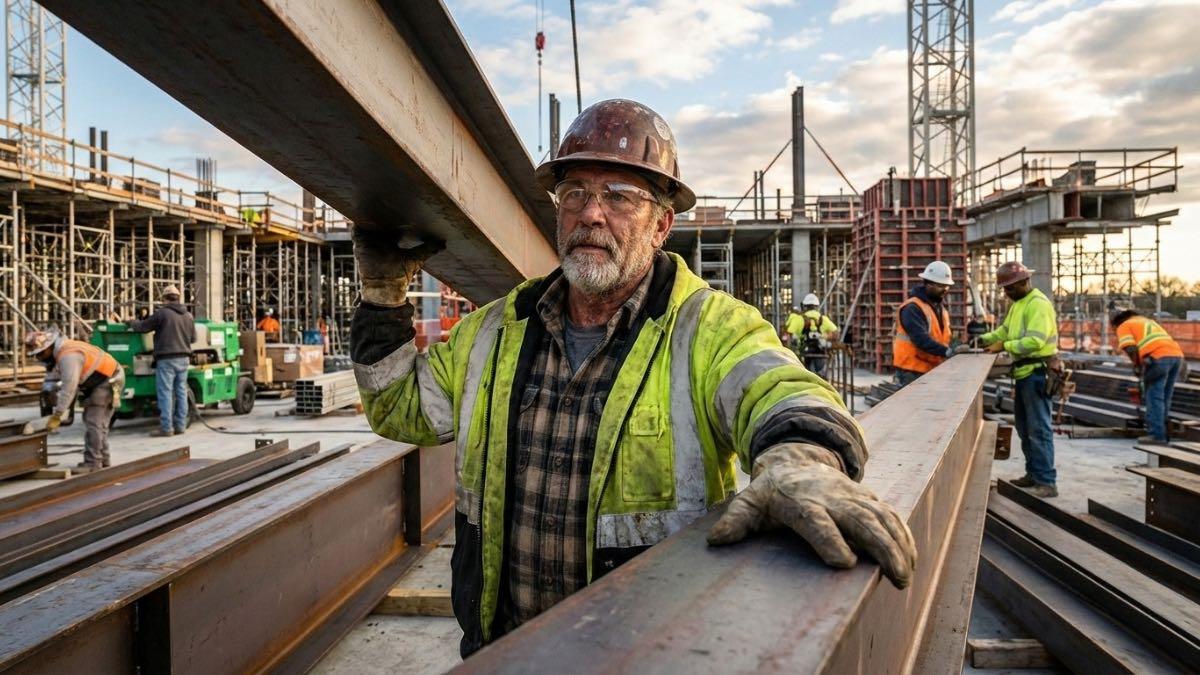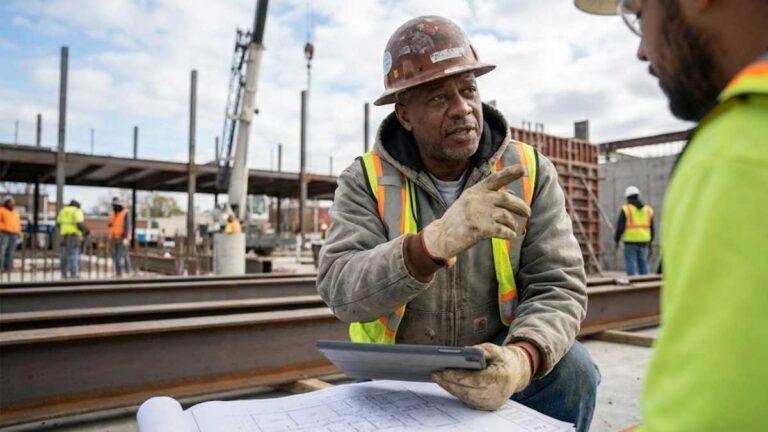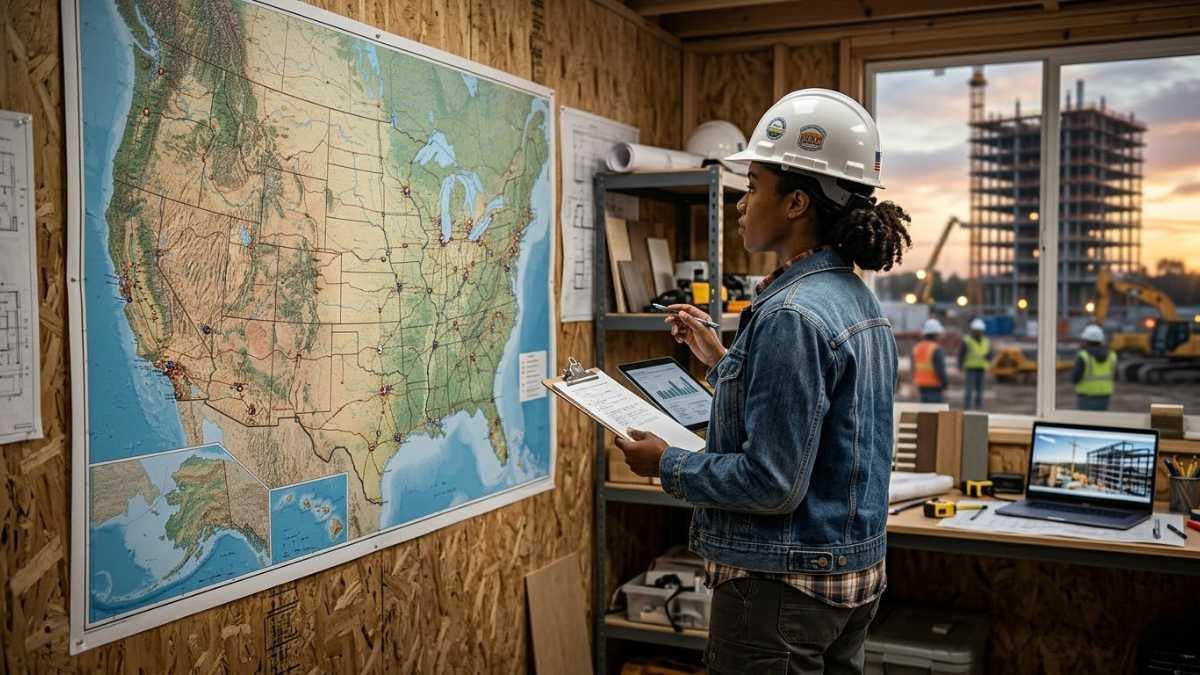
The construction industry in the United States represents one of the largest and most influential sectors of the national economy. Each year, trillions of dollars are invested in residential housing, commercial buildings, infrastructure development, and industrial construction projects. Because construction activity reflects broader economic conditions, the industry’s outlook is closely monitored by contractors, investors, developers, and policymakers.
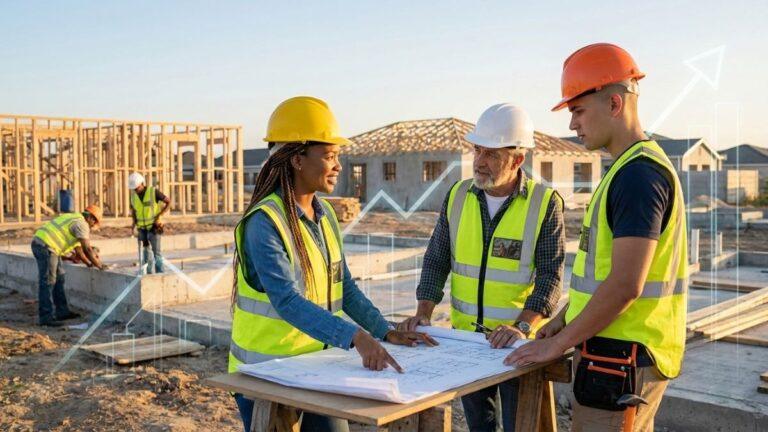
Understanding construction industry trends is essential for builders who want to make strategic business decisions. Market trends influence project demand, labor availability, financing conditions, and material prices. Contractors who anticipate industry shifts can position their companies to capture emerging opportunities and avoid potential market downturns.
In recent years, several powerful forces have begun reshaping the American construction landscape. Population growth, housing shortages, infrastructure investment programs, technological innovation, and sustainability initiatives are all influencing how construction markets evolve.
Reliable economic data about construction markets can be found through organizations such as:
U.S. Census Bureau construction statistics
https://www.census.gov
and
Dodge Construction Network industry reports
https://www.construction.com
These sources provide data on construction spending, project starts, and market forecasts across the United States.
For construction companies seeking long-term growth, understanding market dynamics is just as important as technical construction expertise.
Housing demand and residential construction growth
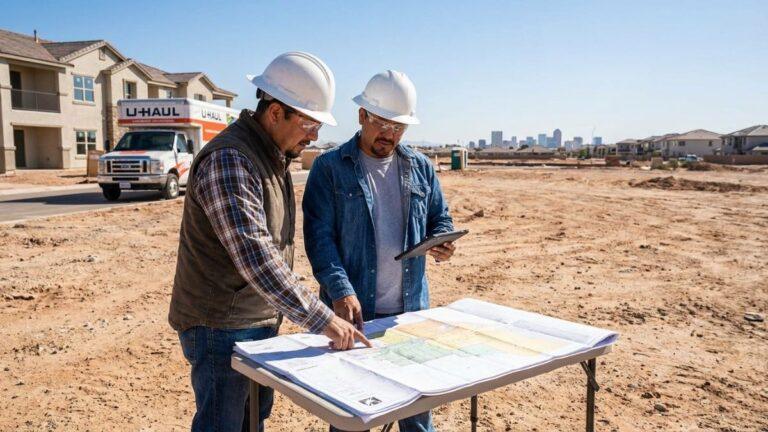
Residential construction remains one of the most important drivers of construction activity in the United States. Population growth, migration patterns, and demographic changes continue to create strong demand for housing across many regions of the country.
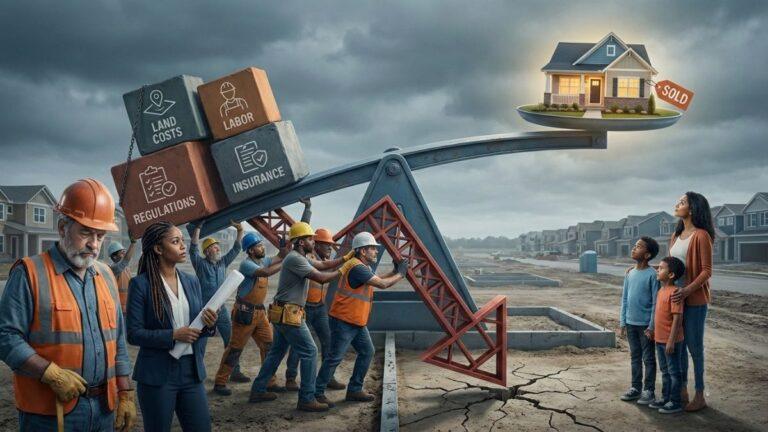
One of the most significant challenges affecting the housing market is the shortage of available housing units. Many metropolitan areas have experienced years of underbuilding relative to population growth, which has contributed to rising housing prices and limited housing availability.
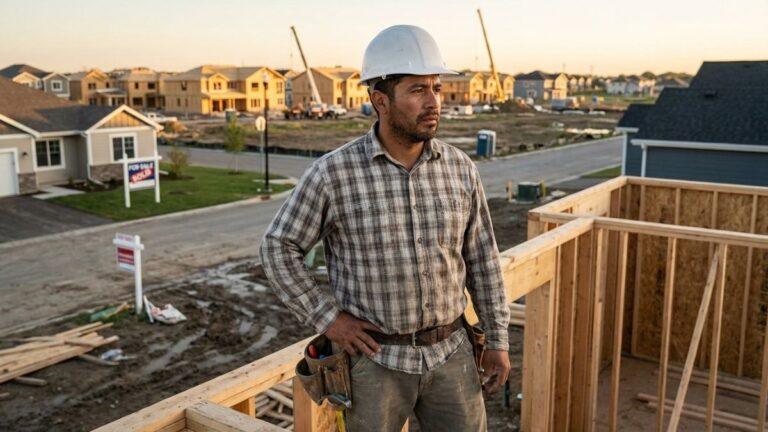
This housing shortage has created significant opportunities for residential builders. Single-family home construction continues to expand in many suburban markets, while multi-family housing developments are growing in urban areas where demand for rental housing remains strong.
Government housing data and market analysis are available through:
National Association Of Home Builders
https://www.nahb.org
This organization tracks housing market indicators, builder confidence, and residential construction trends.
Contractors specializing in residential construction are likely to see continued demand in markets experiencing population growth and housing shortages.
Infrastructure investment and government spending
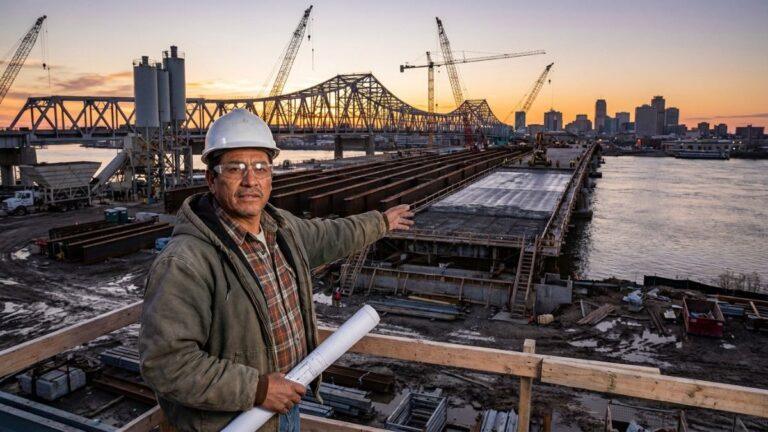
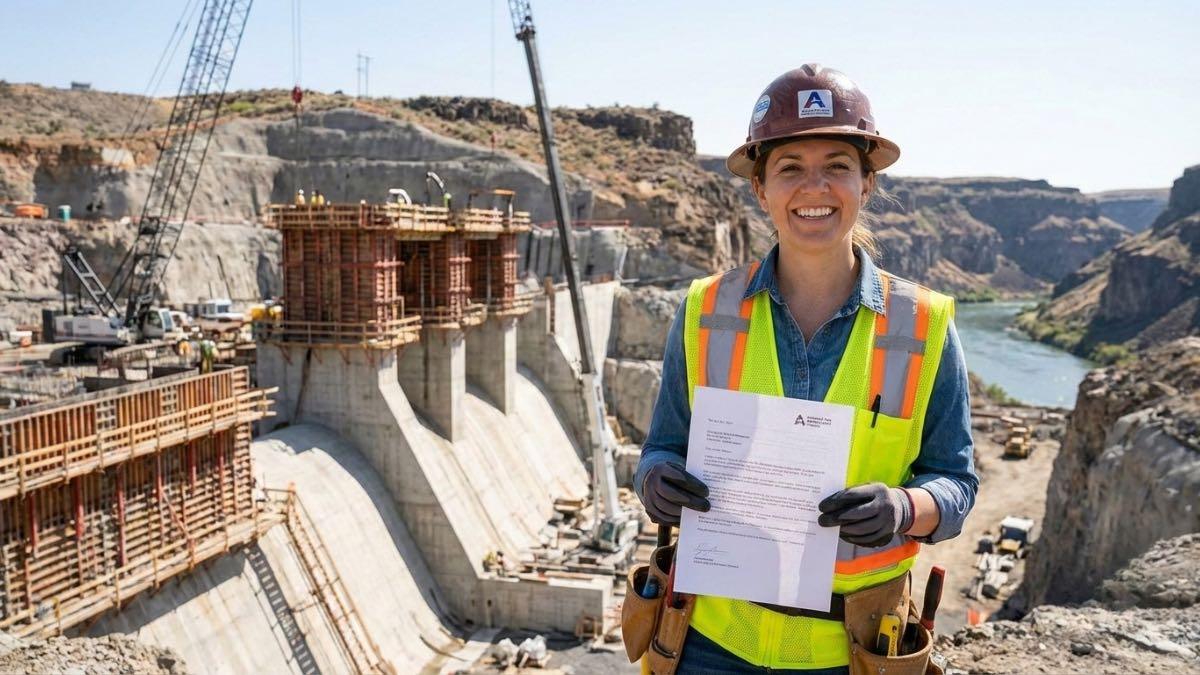
Infrastructure construction represents another major segment of the American construction industry. Roads, bridges, water systems, airports, and public transportation networks require constant maintenance and modernization.
In recent years, federal infrastructure investment programs have significantly increased funding for public construction projects. These programs aim to repair aging infrastructure systems and support economic development across the country.
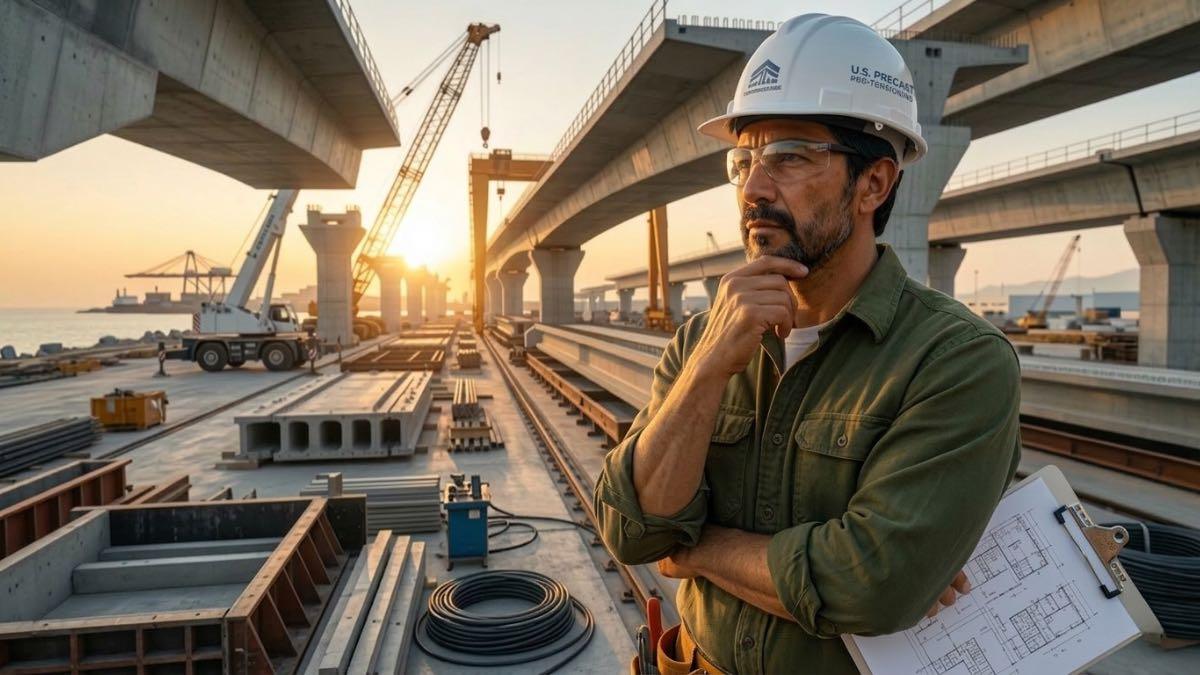
Government-funded infrastructure projects create major opportunities for contractors specializing in heavy civil construction. Projects involving highways, bridges, rail systems, and energy infrastructure often involve large budgets and long construction timelines.
Contractors interested in infrastructure projects can track government funding initiatives through resources such as:
U.S. Department Of Transportation infrastructure programs
https://www.transportation.gov
These programs allocate funding for transportation infrastructure improvements nationwide.
Infrastructure spending is expected to remain a major driver of construction activity over the coming decade.

Commercial construction and economic cycles
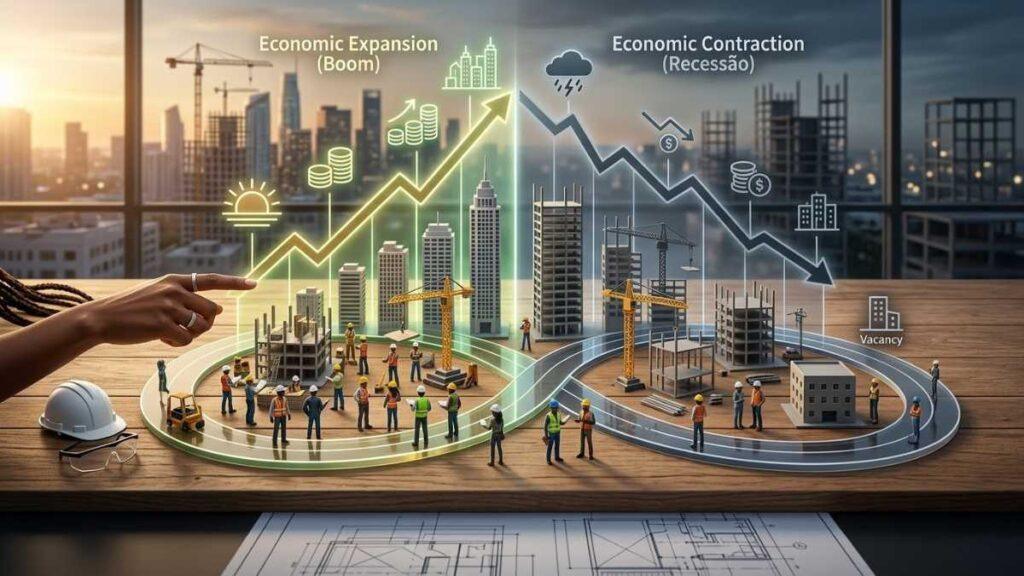
Commercial construction activity is closely tied to broader economic cycles. When businesses expand and economic growth is strong, demand for office buildings, retail spaces, hotels, and industrial facilities increases.
However, commercial construction is also sensitive to economic slowdowns. During periods of economic uncertainty, companies may delay expansion plans or reduce investment in new facilities.
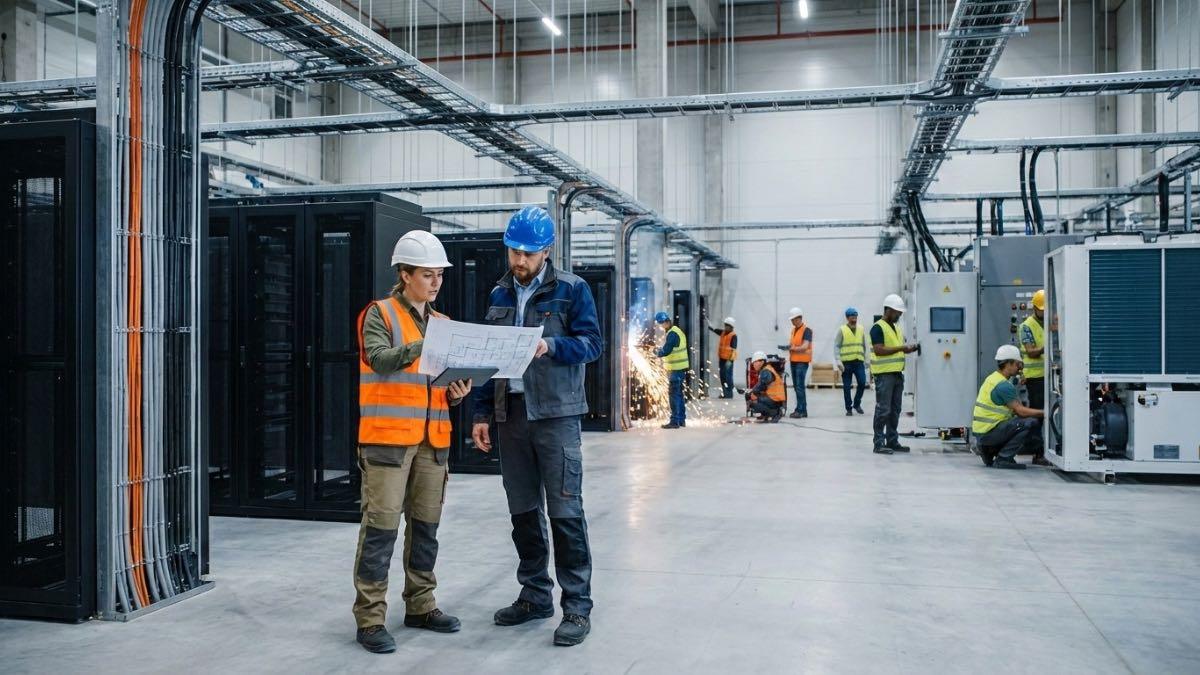
In recent years, certain segments of commercial construction have experienced significant changes. For example, the rise of remote work has affected demand for office space in some markets, while e-commerce growth has increased demand for logistics warehouses and distribution centers.
Industrial construction associated with manufacturing reshoring initiatives has also expanded in several regions. As companies relocate production facilities back to the United States, new industrial buildings and manufacturing plants are being developed.
Contractors who monitor economic indicators can better anticipate shifts in commercial construction demand.
Sustainability and green building initiatives
Environmental sustainability has become an increasingly important factor shaping construction industry practices. Governments, corporations, and property owners are placing greater emphasis on energy efficiency, carbon reduction, and sustainable building materials.
Green building certification programs such as LEED (Leadership In Energy And Environmental Design) encourage the adoption of environmentally responsible construction practices.
Builders who incorporate sustainable design strategies may gain competitive advantages when bidding for projects with environmental performance requirements.
Information about green building standards can be found through:
U.S. Green Building Council
https://www.usgbc.org
Sustainability trends are influencing construction design, material selection, and building performance standards across many markets.
As climate policies evolve and environmental awareness increases, sustainable construction practices are likely to play an increasingly important role in the industry.
Technology adoption and industry modernization
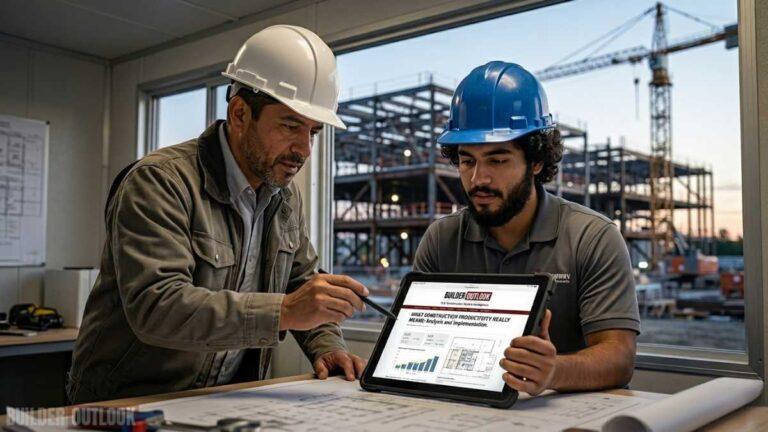
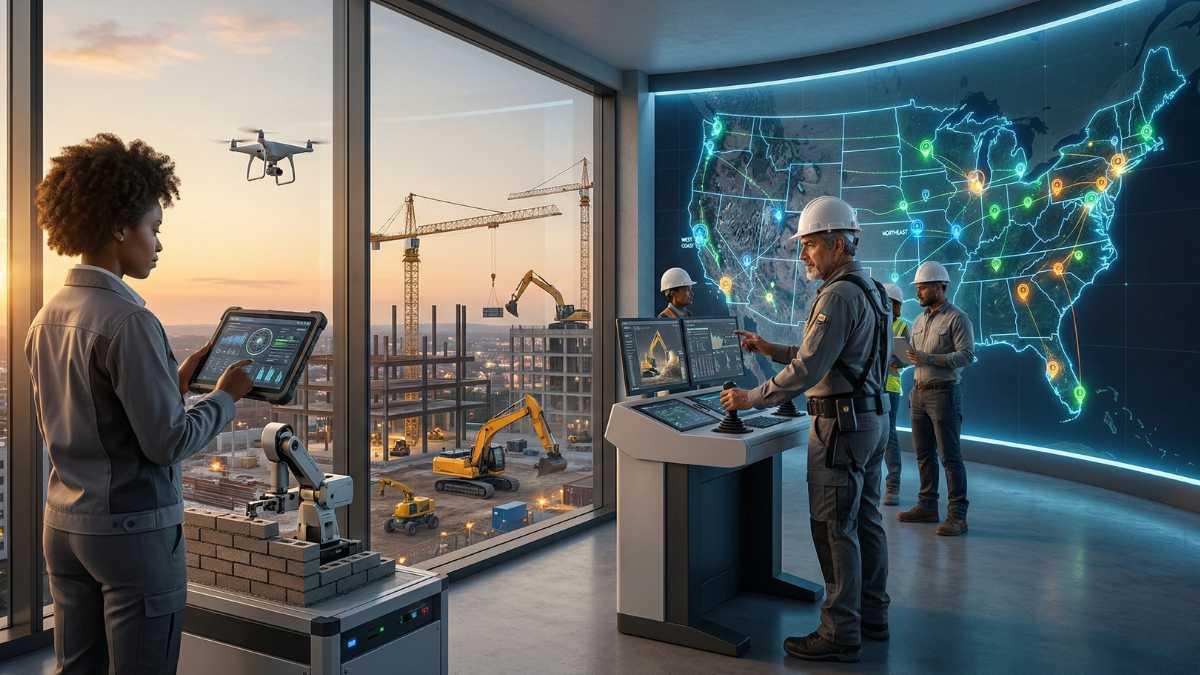
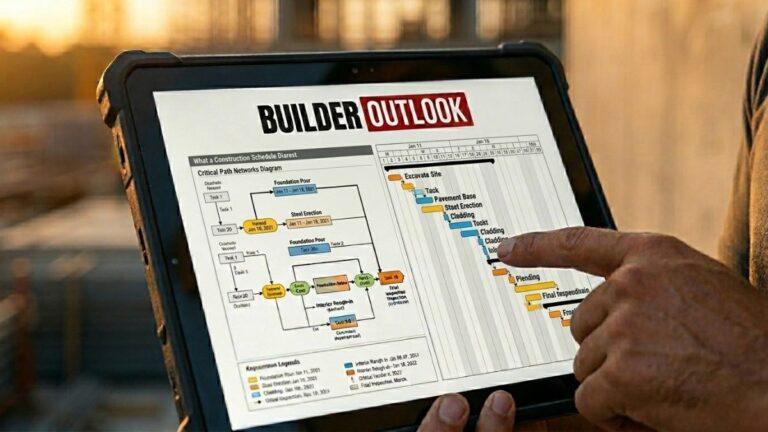
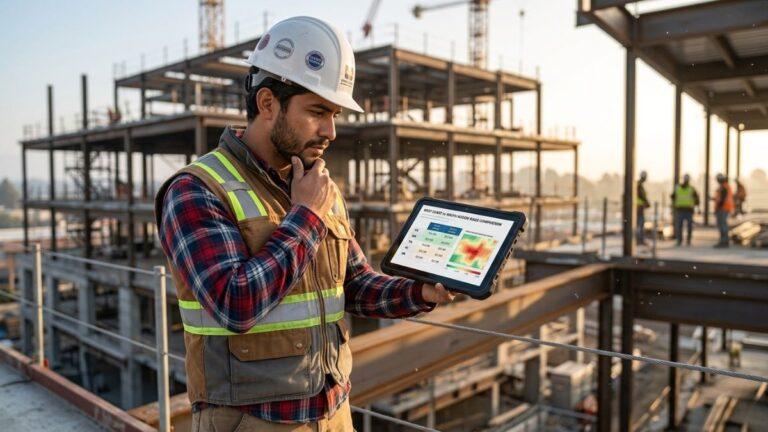
Technology adoption is another major trend influencing the future of construction markets. Digital tools, automation systems, and data analytics platforms are transforming how projects are designed, managed, and executed.
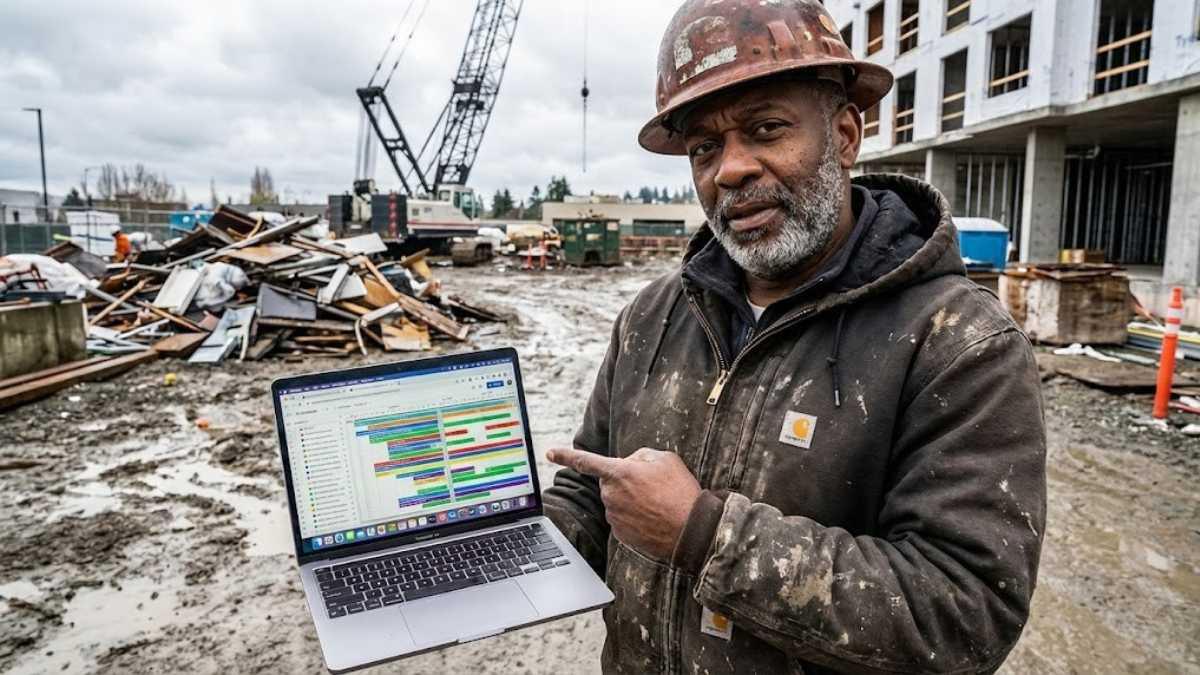
Builders increasingly rely on project management software, digital modeling systems, and automated equipment to improve productivity and reduce project delays.
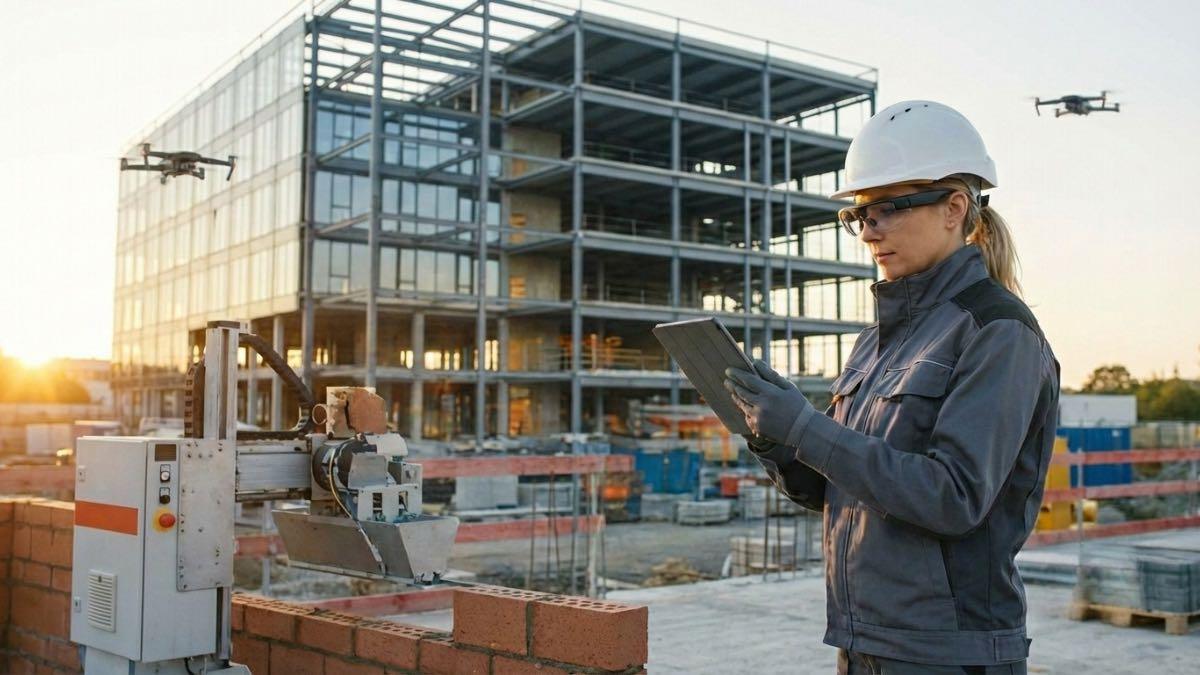
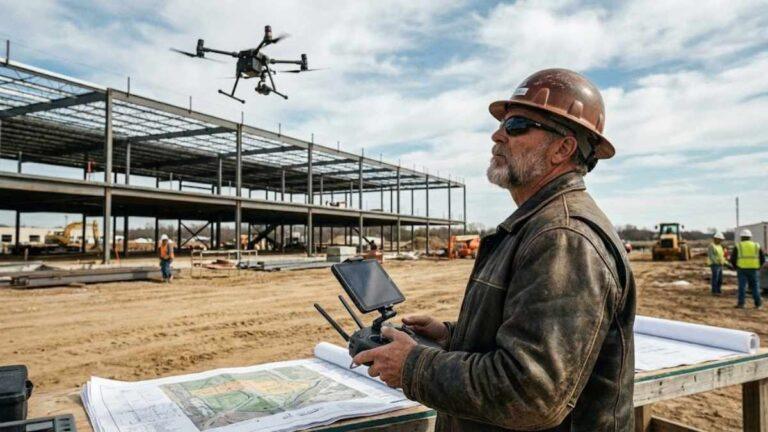
Technologies such as Building Information Modeling (BIM), construction drones, and artificial intelligence-based scheduling tools are helping contractors improve coordination and identify potential risks before construction begins.
Companies that invest in technological innovation may achieve significant efficiency improvements and cost savings.
As the construction industry becomes more technologically advanced, contractors who adapt to these changes will be better positioned to compete in evolving markets.
More from Builder Inteligence
Frequently Asked Questions
1. What is the outlook for the construction industry in the united states?
The construction industry is expected to grow due to housing demand, infrastructure investment, and technological innovation.
2. What sectors of construction are growing the fastest?
Residential housing, infrastructure development, logistics warehouses, and industrial construction are among the fastest-growing sectors.
3. How does the economy affect construction markets?
Economic growth typically increases demand for commercial buildings and infrastructure projects, while economic slowdowns may reduce construction investment.
4. Why is housing demand important for construction companies?
Housing demand drives residential construction projects, which represent a major portion of construction activity.
5. What role does infrastructure investment play in construction?
Government infrastructure programs fund large public projects that create opportunities for contractors.
6. How is technology changing construction markets?
Technology improves project efficiency, safety, and coordination, allowing companies to complete projects more effectively.
7. What is sustainable construction?
Sustainable construction focuses on environmentally responsible building practices and energy-efficient structures.
8. Where can contractors find construction market data?
Organizations such as the U.S. Census Bureau and construction industry research groups publish market reports and statistics.