Why AI scheduling looks perfect on screen and breaks in the field
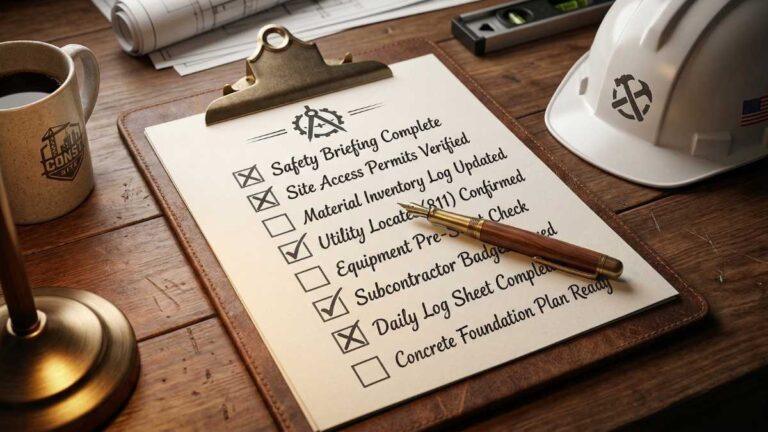
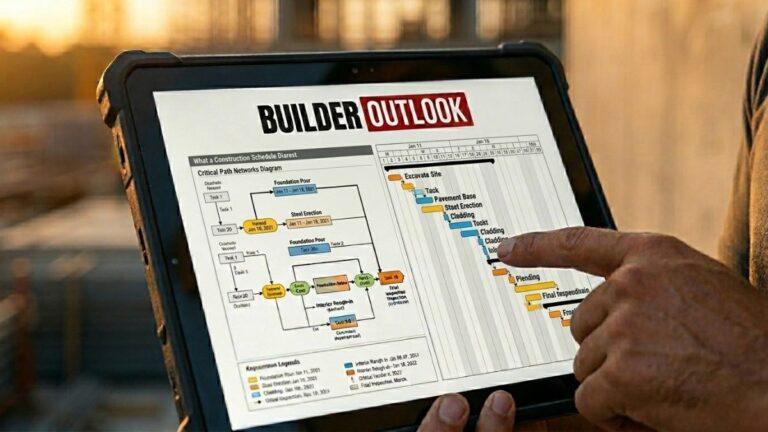
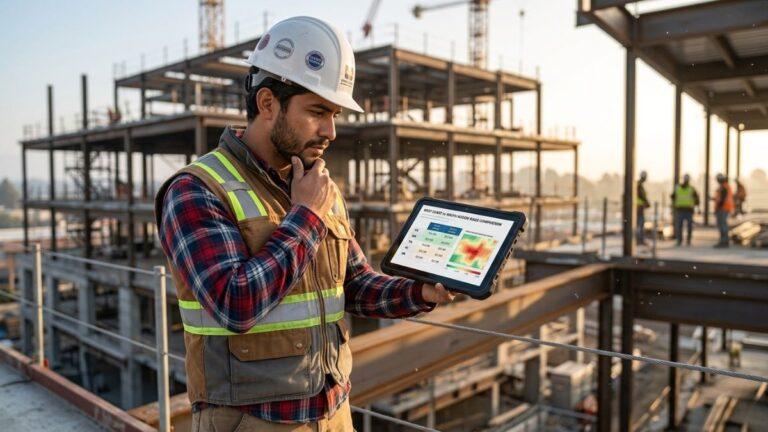
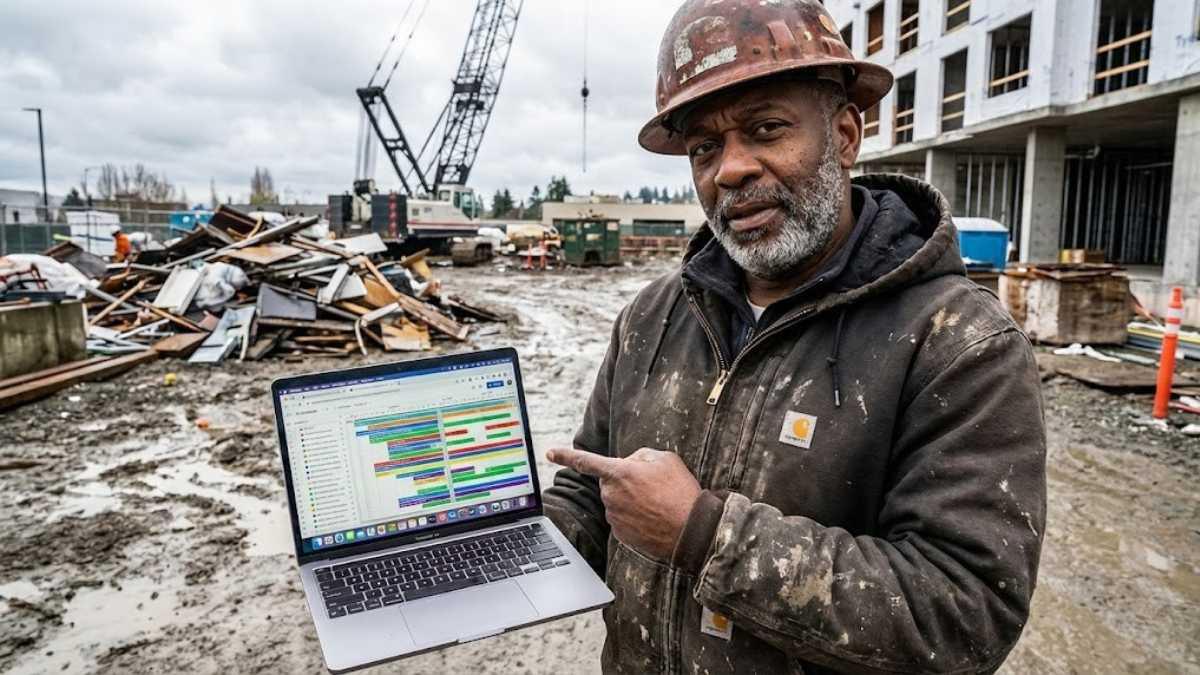
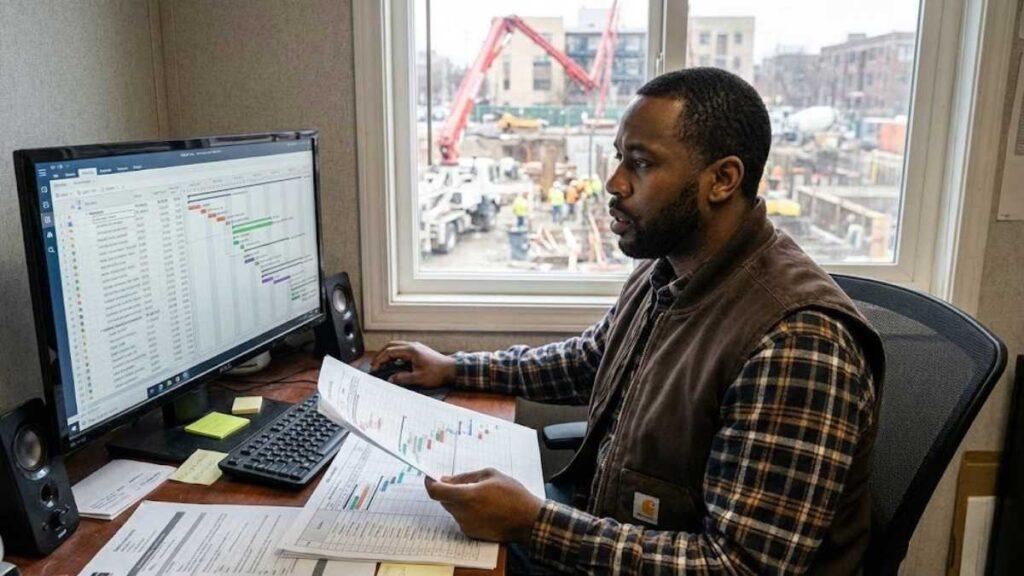
AI-driven scheduling tools entered construction with a powerful promise: eliminate chaos, optimize timelines, and predict delays before they happen. On dashboards and presentations, these schedules look flawless. Dependencies align, resources appear balanced, and timelines feel achievable. The problem is that construction does not operate inside software. It operates in environments shaped by weather, labor volatility, supply chain uncertainty, and human decision-making.
Most AI schedules fail because they are built on assumptions that rarely hold in real projects. They assume labor availability is stable, materials arrive on time, scopes do not shift, and productivity remains consistent. In reality, even small deviations compound rapidly. When an AI schedule lacks mechanisms to absorb disruption, it becomes fragile instead of intelligent.
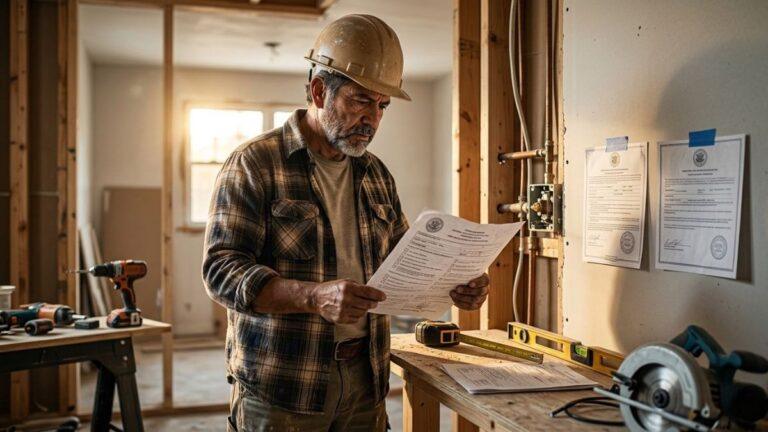
Field teams quickly lose trust in schedules that ignore real constraints. Superintendents stop updating them, crews stop referencing them, and management loses visibility. At that point, the schedule becomes a reporting artifact rather than an operational tool. This is the opposite of what AI scheduling was meant to achieve.
Avoiding failure starts by recognizing that AI scheduling is not about prediction perfection. It is about adaptive resilience.
Advertising
Where AI scheduling breaks down in real construction workflows
The first breakdown happens at data input. AI schedules are only as good as the data fed into them. Many contractors rely on historical averages that no longer reflect current labor productivity, subcontractor availability, or material lead times. When outdated assumptions drive the model, the output becomes misleading from day one.
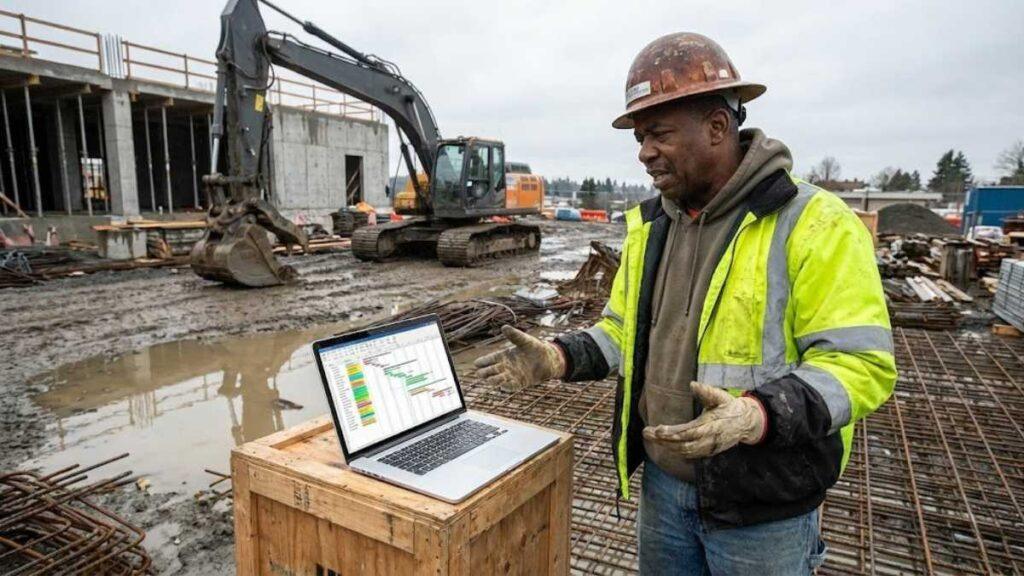
The second breakdown is rigidity. Many AI tools optimize schedules aggressively but lack flexibility once execution begins. When field conditions change, teams struggle to re-sequence without breaking the entire logic chain. This discourages real-time updates and pushes teams back to informal workarounds.
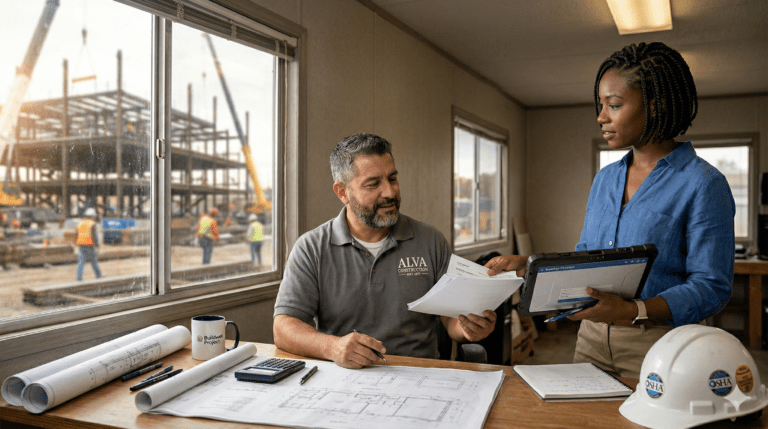
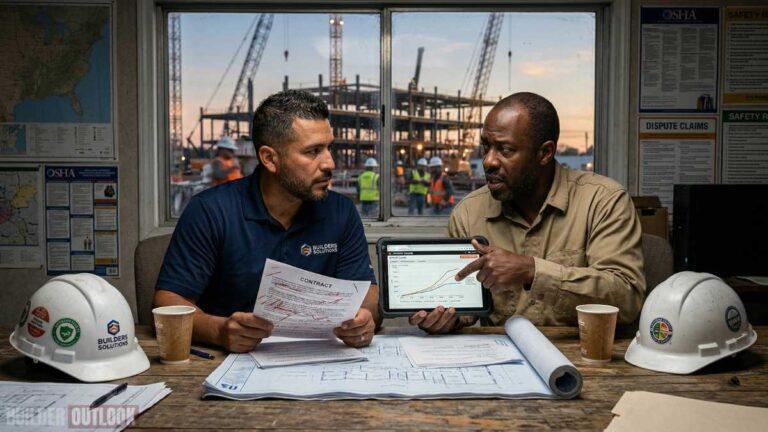
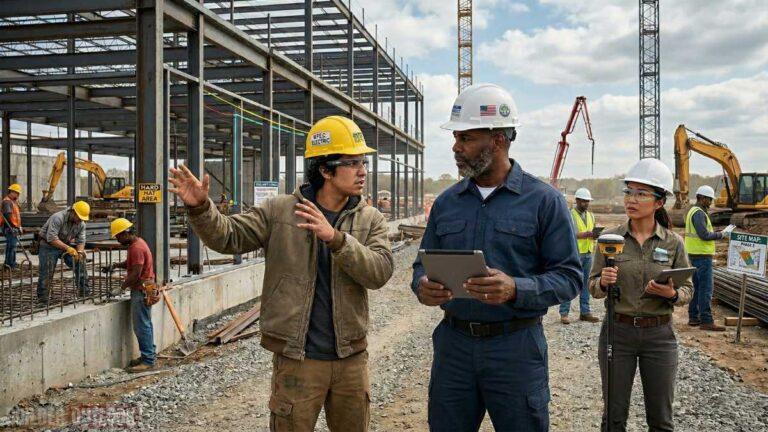
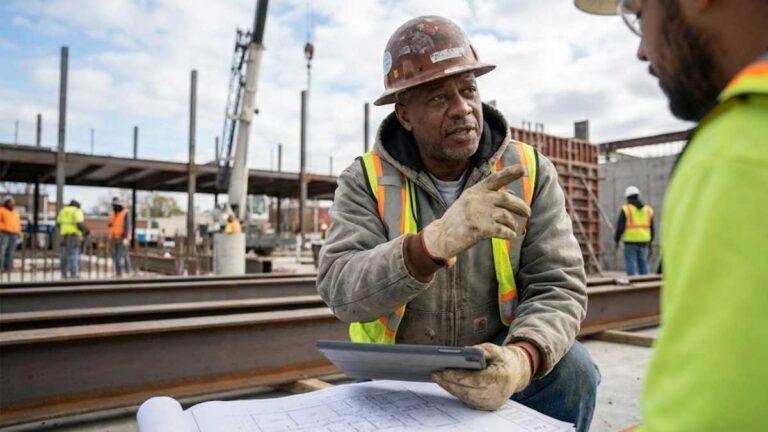
The third breakdown is cultural. Scheduling tools often live in planning departments, disconnected from field leadership. When superintendents and foremen are not involved in schedule logic, AI outputs feel imposed rather than supportive. Adoption collapses when schedules are not co-owned by the people executing the work.
These failures are not technical flaws alone. They are operational integration failures.
How to align AI scheduling with operational reality
Successful contractors treat AI scheduling as a decision-support system, not a decision-maker. They use AI to surface risk scenarios, stress-test sequences, and identify bottlenecks rather than dictate exact execution paths. This shifts AI from control to insight.
Operational alignment requires constant feedback loops. Field data must update schedules daily, not weekly. Labor availability, weather impacts, inspections, and material delays must feed back into the system in real time. This transforms AI schedules into living models instead of static plans.
Another critical adjustment is buffer design. Realistic schedules intentionally include time buffers tied to risk categories. AI can help size these buffers dynamically, but leadership must allow them. Schedules that chase theoretical efficiency at the expense of resilience almost always fail.
When AI scheduling reflects how construction actually works, it becomes a competitive advantage rather than a liability.
What owners and contractors should expect from AI scheduling in 2026
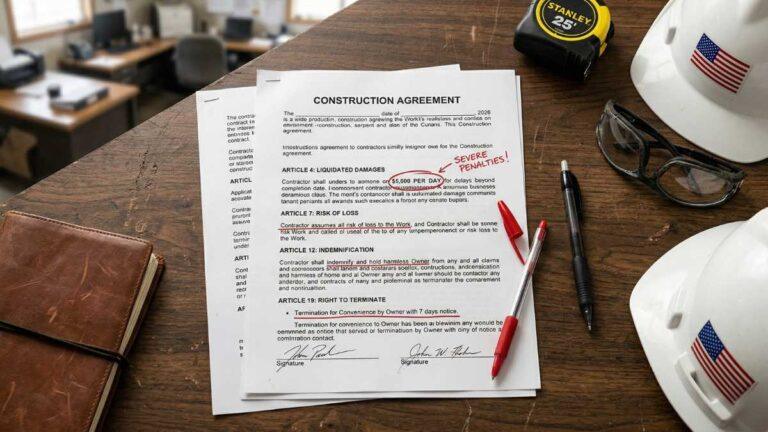
Owners increasingly understand that aggressive schedules increase risk. They now value contractors who demonstrate schedule credibility, not just speed. AI scheduling supports this shift when it is used to show scenario planning, contingency thinking, and transparency.
Contractors who master realistic AI scheduling gain trust. They can explain why a schedule works, where it is vulnerable, and how they will respond when disruptions occur. This reduces disputes and strengthens client relationships.
By 2026, AI scheduling will not replace experienced planners. It will amplify them. Contractors who blend AI insight with field intelligence will outperform those chasing perfect-looking schedules that collapse under pressure.

FAQ – AI scheduling vs reality: how to avoid “beautiful plans” that fail
1. Why do AI-generated construction schedules often fail in execution?
AI schedules often fail because they rely on assumptions that do not hold in real construction environments, including stable labor, predictable deliveries, and unchanged scope. When reality diverges, rigid models collapse.
2. Does AI scheduling replace human planners?
No. AI scheduling supports planners by identifying risks and scenarios, but experienced professionals are still required to interpret data, adjust strategy, and align schedules with field realities.
3. How can contractors improve AI schedule accuracy?
Accuracy improves when schedules are updated daily with real field data, include realistic buffers, and involve superintendents and foremen in schedule development and maintenance.
4. What do owners expect from AI scheduling today?
Owners expect transparency, risk awareness, and credible timelines rather than aggressive promises. AI scheduling is valued when it supports realistic delivery, not unrealistic acceleration.
5. Is AI scheduling worth it for mid-sized contractors?
Yes, when implemented correctly. AI scheduling can provide strong risk visibility and planning discipline, but only if integrated into operations and not treated as a standalone tool.