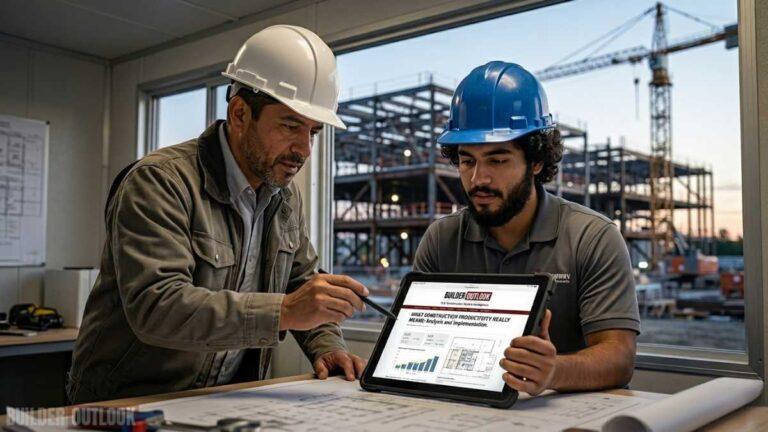
Schedule certainty has quietly become the most valuable currency in construction decision-making. In 2026, owners are increasingly willing to pay more for contractors who can deliver predictable timelines rather than the lowest bid. This shift is not emotional. It is economic, operational, and deeply tied to the cascading costs of delays across financing, leasing, staffing, and market timing.
Low price once served as the primary differentiator in competitive bidding. Today, it is often viewed with skepticism. Owners have learned that aggressive pricing frequently masks unrealistic schedules, under-resourced teams, or fragile subcontractor commitments. When projects slip, the downstream costs far exceed the initial savings promised at bid day.
Schedule reliability is now interpreted as a signal of operational maturity. Contractors who demonstrate control over sequencing, labor availability, procurement timelines, and risk buffers are increasingly favored, even at a premium.
Builder Inteligence
The hidden cost of schedule failure
Schedule failure rarely appears as a single event. It unfolds through compounding inefficiencies that affect every stakeholder on a project. Financing costs increase as interest accrues. Lease agreements are delayed. Equipment rentals extend beyond budget. Workforce utilization becomes erratic, leading to productivity loss and morale decline.
Owners have become more sophisticated in quantifying these impacts. A project delayed by 60 or 90 days can erase millions in projected revenue, especially in commercial, industrial, and mixed-use developments. Compared to these losses, a higher construction price becomes a rational tradeoff.
This recalibration has shifted how owners evaluate bids. The question is no longer “Who is cheapest?” but “Who is least likely to disrupt the entire business plan?”
Why low price now signals risk, not efficiency
In volatile labor and material markets, aggressive pricing is increasingly viewed as a red flag. Contractors who underbid often rely on optimistic assumptions about labor availability, material lead times, or change order recovery. When reality intervenes, schedules collapse.
Owners have experienced the consequences repeatedly. Missed milestones lead to strained relationships, legal disputes, and reputational damage. As a result, many owners now associate low price with higher execution risk rather than superior efficiency.
This perception shift is particularly strong among institutional clients, developers, and repeat owners. They prioritize contractors who demonstrate conservative planning, transparent buffers, and credible sequencing logic.
How schedule certainty is evaluated in 2026
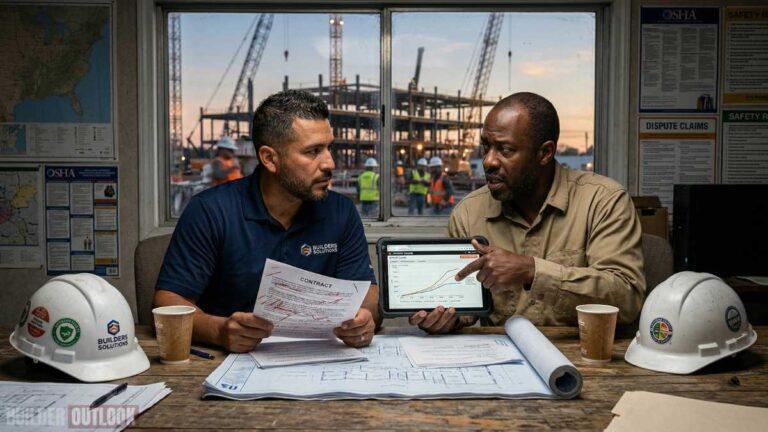
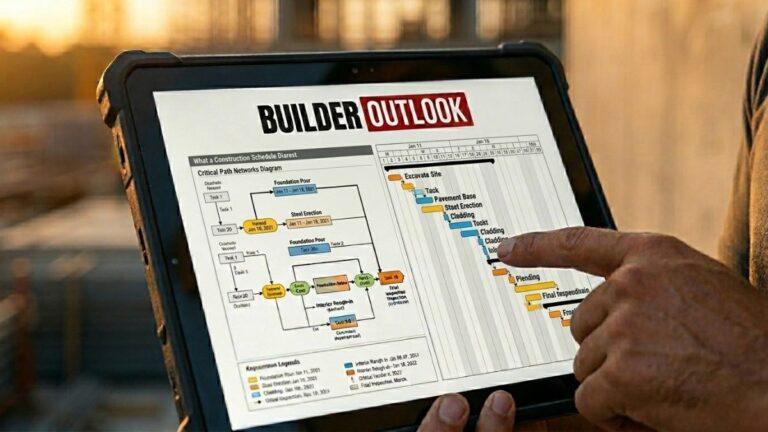
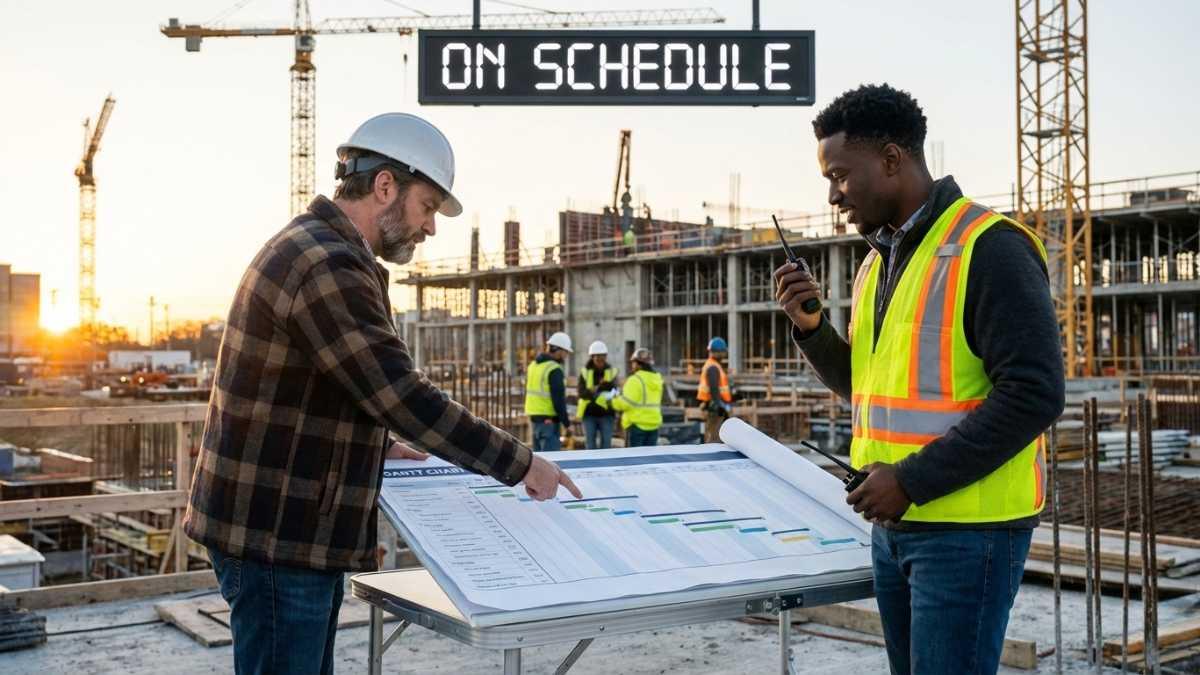
Schedule certainty is no longer a vague promise. Owners evaluate it through specific operational signals. These include realistic mobilization timelines, documented subcontractor commitments, procurement strategies aligned with lead time volatility, and contingency planning embedded into the baseline schedule.
Contractors who present detailed phasing logic, labor-loading assumptions, and risk-adjusted timelines gain immediate credibility. Conversely, compressed schedules without supporting methodology are quickly discounted.
In many cases, owners now conduct pre-award schedule reviews with the same rigor once reserved for pricing audits. Schedule has become a technical deliverable, not a marketing claim.
Regional and sector-specific pressure points
The value of schedule certainty varies by market but is intensifying everywhere. In regions with strong industrial and infrastructure activity, labor competition amplifies the risk of delay. In these markets, owners are acutely aware that under-resourced schedules are unrealistic.
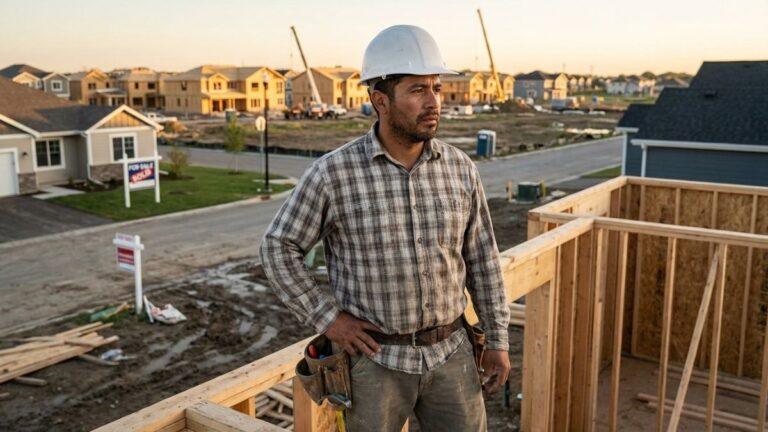
In residential construction, schedule reliability directly affects buyer confidence, closing timelines, and financing conditions. Delays damage brand reputation and erode margins across entire portfolios.
Across all sectors, the tolerance for optimistic schedules has collapsed. Predictability now outranks speed.
Strategic implications for contractors
Contractors must adapt their positioning. Competing on low price alone is increasingly unsustainable. Operational discipline, realistic scheduling, and transparent risk communication are now market advantages.
Those who invest in planning capability, field coordination, and supply chain visibility can command premiums without losing competitiveness. Those who do not will find themselves trapped in low-margin, high-conflict work.
In 2026, schedule certainty is not a soft value. It is a hard economic asset.
More from Builder Inteligence

FAQ – Why schedule certainty is becoming more valuable than low price
1. Why are owners prioritizing schedule certainty over low price?
Because delays create cascading financial losses across financing, leasing, staffing, and market timing that far exceed initial construction cost savings.
2. Is low pricing now seen as a risk signal?
Yes. Aggressive pricing often implies unrealistic assumptions about labor, materials, or sequencing, which increases the probability of schedule failure.
3. How do owners evaluate schedule reliability today?
Through detailed phasing logic, labor-loading plans, procurement strategies, subcontractor commitments, and embedded contingency buffers.
4. Does this trend affect residential construction as well?
Absolutely. Delayed residential projects impact buyer confidence, closing schedules, financing terms, and long-term brand reputation.
5. Which markets feel this shift most strongly?
Markets with intense labor competition, industrial growth, infrastructure investment, and volatile supply chains.
6. Can contractors charge more by offering schedule certainty?
Yes. Many owners are willing to pay premiums for predictable delivery and reduced execution risk.
7. What operational changes support schedule certainty?
Improved planning discipline, realistic sequencing, proactive procurement management, and stable workforce strategies.
8. Is schedule certainty now a competitive differentiator?
Yes. It has become one of the primary decision factors in contractor selection for serious projects.