Why project management software selection became a strategic risk
Choosing a project management platform in construction is no longer a neutral IT decision. In 2026, it is a strategic operational commitment that can either stabilize execution or quietly paralyze teams for months. The market is saturated with platforms promising visibility, collaboration, and efficiency. What many contractors discover too late is that most failures are not caused by the software itself, but by misalignment between how the platform is designed and how construction actually operates on jobsites.
The cost of a wrong choice rarely appears immediately. It shows up slowly through duplicated work, incomplete adoption, inconsistent reporting, and resistance from field teams. Six months later, leadership realizes that the platform did not simplify workflows. It added another layer of friction. By then, sunk costs, training fatigue, and internal politics make switching difficult. This is why platform selection has become one of the most underestimated operational risks in construction.
Volatility intensified this risk. When schedules shift, procurement delays increase, and staffing fluctuates, project management systems must absorb change without breaking workflows. Platforms designed for static environments struggle under these conditions. Contractors end up managing exceptions manually, defeating the purpose of the system. In volatile markets, flexibility matters more than feature lists.
The core issue is expectation mismatch. Many contractors choose platforms based on demos that showcase ideal workflows, not real jobsite conditions. The result is a tool that looks powerful in presentations but collapses under operational pressure. Avoiding that outcome requires reframing how platforms are evaluated.
Builder Inteligence


What actually matters when evaluating platforms
The most important question is not what the platform can do, but what it forces your teams to do differently. Effective project management software aligns with existing construction logic instead of fighting it. It supports how superintendents track progress, how project managers communicate issues, and how documentation flows between field and office. Platforms that require radical behavioral change rarely achieve full adoption.
Integration depth is another decisive factor. Scheduling, cost control, RFIs, submittals, and field reporting cannot live in isolation. Platforms that integrate superficially create data silos disguised as connectivity. True integration means shared data structures, synchronized updates, and consistent reporting logic across modules. Without this, teams spend more time reconciling systems than managing projects.
Scalability under pressure is equally critical. Many platforms perform well on small jobs but degrade as project complexity increases. Multi-phase projects, joint ventures, and geographically dispersed teams stress systems differently. Contractors must evaluate whether the platform maintains clarity when the job becomes chaotic, not when everything goes according to plan.
Finally, ownership of configuration matters. Platforms that require vendor intervention for basic adjustments slow decision making. In fast-moving environments, internal teams must be able to adapt workflows quickly. Software that locks flexibility behind support tickets creates operational drag.
Why most implementations stall after rollout
Implementation failure is rarely technical. It is organizational. Contractors often underestimate the effort required to align processes before software goes live. When workflows are inconsistent across projects, the platform exposes those inconsistencies instead of fixing them. Teams react by creating workarounds, fragmenting adoption further.
Another common issue is uneven buy-in. Office teams may embrace the platform while field teams resist it. This creates incomplete data flows that undermine reporting accuracy. Without reliable field input, dashboards become misleading. Leadership loses confidence, and the system quietly loses relevance. This failure pattern repeats across organizations that treat implementation as a training problem rather than a change management process.
Timing also plays a role. Rolling out new platforms during peak workload periods increases resistance. Teams under pressure default to familiar tools. Successful implementations often coincide with operational resets, such as the start of fiscal years or after major project completions, when teams are more receptive to change.
Without addressing these factors, even the most capable platform becomes shelfware. The wasted six months are not spent learning software. They are spent managing frustration and rebuilding trust.
How to select platforms that survive real construction conditions
The most reliable selection process starts with pain mapping rather than feature comparison. Contractors should document where breakdowns occur today, including communication gaps, documentation delays, and reporting blind spots. Platforms should be evaluated based on how directly they address those specific failures.
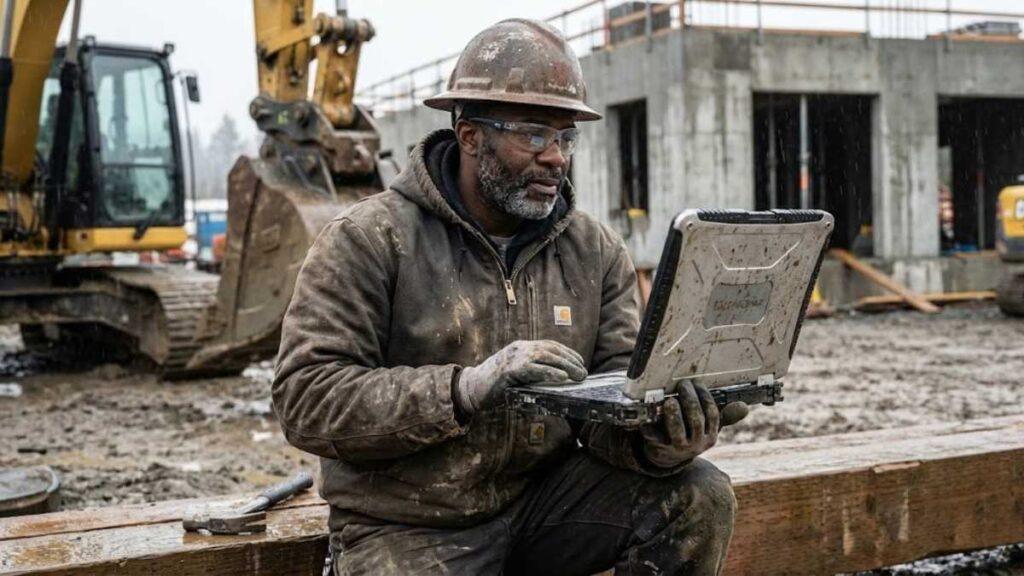
Pilot testing under live conditions is essential. Short trials on active projects reveal friction points that demos hide. Observing how superintendents, project managers, and subcontractors interact with the system under pressure provides better insight than any marketing material. This step alone eliminates many unsuitable options.
Leadership alignment is the final filter. Project management platforms impose discipline. Without executive support, enforcement collapses. Leaders must commit to using platform data for decision making, not bypassing it when inconvenient. This commitment signals seriousness to teams and stabilizes adoption.
In 2026, the right platform does not make teams faster. It makes them more consistent. Consistency under volatility is what protects margins, schedules, and relationships.
More from Builder Inteligence


FAQ – Project management platforms: how to choose without wasting 6 months
1. Why do many contractors waste months on project management platforms?
They waste time because platforms are chosen based on features instead of operational fit. Misalignment with real workflows leads to resistance, workarounds, and partial adoption that erodes value over time.
2. What is the biggest mistake during platform selection?
The biggest mistake is assuming software will fix process problems. Platforms amplify existing behavior. Without standardized workflows, technology exposes fragmentation rather than resolving it.
3. How important is integration when choosing a platform?
Integration is critical. Disconnected scheduling, cost control, and documentation systems create blind spots. True integration ensures data consistency and supports reliable decision making under pressure.
4. Why do field teams resist many platforms?
Resistance usually stems from increased friction. Platforms that slow reporting, complicate communication, or ignore jobsite realities fail to gain trust. Adoption requires alignment with field workflows.
5. How can contractors avoid failed implementations?
They should map operational pain points first, pilot platforms under live conditions, align leadership expectations, and treat implementation as organizational change rather than software training.