Winning construction projects in the United States often depends on a contractor’s ability to navigate the bidding process effectively. Whether the project involves public infrastructure, commercial development, or private construction, bidding plays a central role in determining which companies are awarded contracts.
For many contractors, especially those entering larger markets or pursuing government-funded projects, bidding is the primary method used to secure new work. A well-prepared bid can position a contractor as the most qualified and competitive option among multiple companies competing for the same project.
However, the construction bidding process is often complex and highly structured. Contractors must carefully analyze project specifications, calculate accurate cost estimates, evaluate risks, and submit proposals that comply with strict procedural requirements. Failure to follow bidding rules precisely can result in automatic disqualification.
Understanding how the bidding process works allows contractors to improve their chances of winning projects while protecting profit margins and maintaining realistic construction schedules.
Information about construction procurement practices can be found through organizations such as:
Associated General Contractors Of America
https://www.agc.org
and
U.S. General Services Administration contracting resources
https://www.gsa.gov
These organizations provide guidance and resources related to public construction procurement and contracting procedures.
How the construction bidding process works
The construction bidding process typically begins when a project owner announces a new construction project and invites contractors to submit proposals. This invitation may be issued through a formal request for proposals (RFP), invitation for bid (IFB), or request for qualifications (RFQ), depending on the procurement method used.
Once a project is announced, contractors obtain the project documents, which may include architectural drawings, engineering specifications, construction schedules, and legal contract terms. These documents provide detailed information about the scope of work, materials required, and technical standards that must be followed.
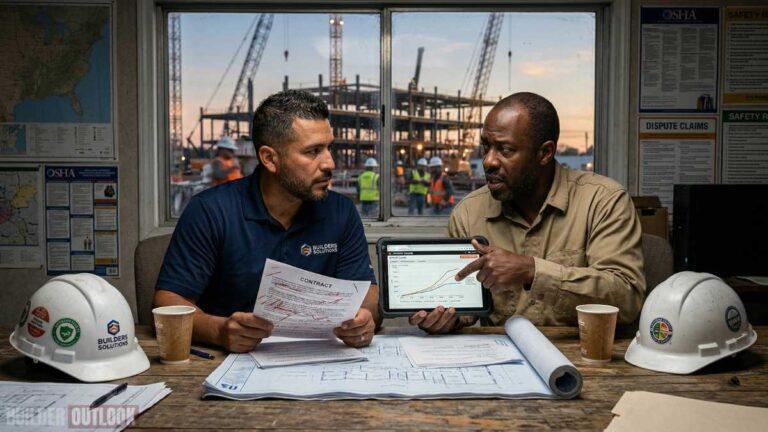
Contractors must then analyze the project carefully to determine the total cost of completing the work. This process involves calculating material costs, labor expenses, equipment usage, subcontractor fees, overhead expenses, and profit margins.
Accurate cost estimation is essential because bids that are too high may lose to competitors, while bids that are too low may result in financial losses once construction begins.
After completing cost calculations, contractors prepare formal bid submissions that include pricing information, project timelines, qualifications, and compliance documentation. These proposals must be submitted before the deadline specified in the bidding announcement.
Once bids are received, the project owner evaluates proposals and selects the contractor who best meets the project’s requirements.
Public construction bidding versus private projects
Construction bidding procedures differ depending on whether the project is funded by government agencies or private developers.
Public construction projects are typically subject to strict procurement rules designed to ensure transparency and fairness. Government agencies often require competitive bidding so that multiple contractors have the opportunity to submit proposals.
Public procurement laws may require contractors to meet specific qualification standards before submitting bids. These standards may include licensing verification, bonding capacity, insurance coverage, and previous project experience.
Public bidding opportunities can be found through government procurement portals such as:
SAM.gov government procurement portal
https://sam.gov
This platform lists federal contracting opportunities available to qualified contractors.
Private construction projects generally offer more flexibility in the bidding process. Developers may invite specific contractors to submit proposals rather than opening the project to broad public competition. Private owners may also evaluate contractors based on experience, reputation, and long-term working relationships rather than selecting solely based on price.
Because private procurement procedures vary widely, contractors often rely on networking and industry relationships to access private project opportunities.
Advertising
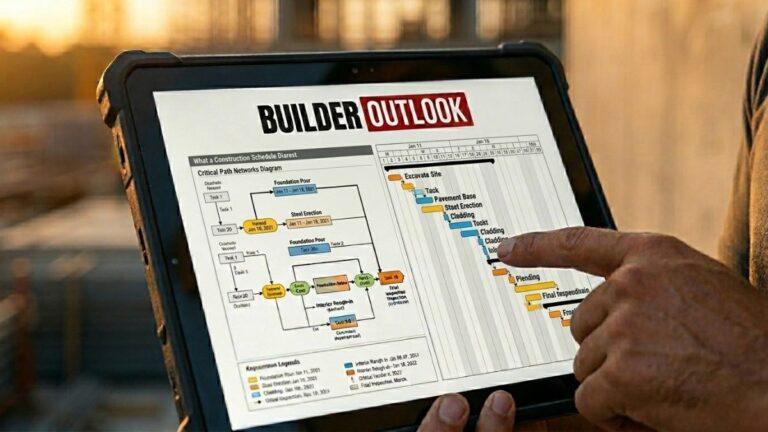
Preparing competitive construction bids-builder-outlook
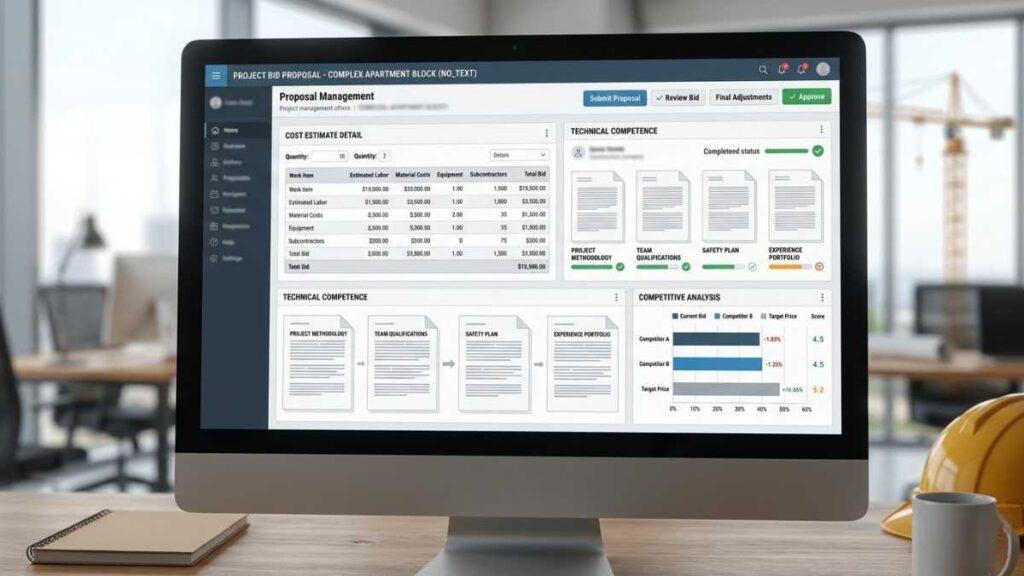
Preparing a competitive construction bid requires more than simply calculating project costs. Contractors must present proposals that demonstrate both financial competitiveness and technical competence.
Detailed cost estimation is one of the most important components of successful bids. Contractors must account for material prices, labor requirements, equipment costs, subcontractor services, and potential project risks.
Many construction companies use digital estimating software to improve accuracy and efficiency when preparing bids. These tools help estimators analyze quantities, track cost data, and generate professional proposals.
Contractors must also evaluate project timelines when preparing bids. Aggressive schedules may require additional labor or equipment resources, which can influence overall project costs.
In addition to financial considerations, contractors often include information about past project experience, workforce capabilities, safety records, and project management systems. These factors help demonstrate reliability and professionalism to project owners evaluating competing bids.
Successful bidding strategies balance competitive pricing with realistic project planning.
Common mistakes contractors make during bidding
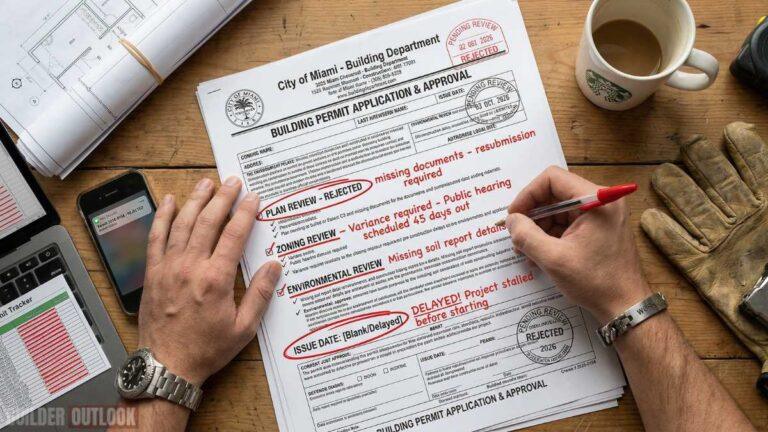
Many contractors lose bidding opportunities not because of pricing issues but because of procedural errors or incomplete documentation. Bidding requirements often include detailed instructions regarding proposal format, required certifications, and submission deadlines.
Missing documentation or incorrect formatting may result in immediate disqualification from the bidding process. Contractors must carefully review all bid instructions and ensure that proposals comply with every requirement.
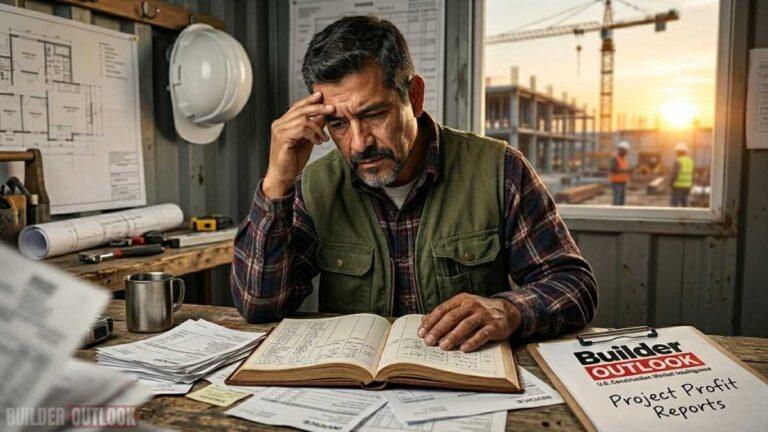
Another common mistake involves underestimating project costs. Contractors sometimes reduce pricing excessively in order to win projects, only to encounter financial challenges once construction begins. Bidding too low can lead to cash flow problems, reduced profit margins, or project delays.
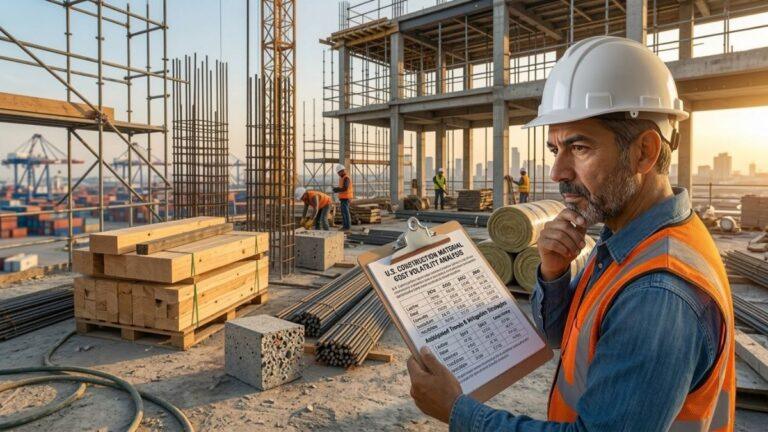
Failing to evaluate project risks is another critical error. Unexpected site conditions, material shortages, or scheduling conflicts can significantly affect project costs. Contractors should incorporate contingency planning into their cost estimates to protect against these uncertainties.
Companies that develop structured bidding processes and review procedures often achieve higher success rates in competitive procurement environments.
Improving long term bidding success
Contractors who consistently win projects often develop systematic approaches to bidding and project evaluation. Successful companies analyze previous bids to identify patterns in pricing, competition, and project selection strategies.
Some contractors focus on specific project types or geographic regions where they have demonstrated expertise. Specialization allows companies to build strong reputations and improve their chances of winning bids.
Relationship building is also important for bidding success. Contractors who maintain strong relationships with architects, engineers, developers, and subcontractors often gain early insight into upcoming project opportunities.
Finally, investing in accurate estimating tools and experienced project estimators can significantly improve bid quality and competitiveness.
By treating bidding as a strategic business function rather than a routine administrative task, contractors can improve both project acquisition rates and long-term profitability.
Winning construction projects in the United States often depends on a contractor’s ability to navigate the bidding process effectively. Whether the project involves public infrastructure, commercial development, or private construction, bidding plays a central role in determining which companies are awarded contracts.
For many contractors, especially those entering larger markets or pursuing government-funded projects, bidding is the primary method used to secure new work. A well-prepared bid can position a contractor as the most qualified and competitive option among multiple companies competing for the same project.
However, the construction bidding process is often complex and highly structured. Contractors must carefully analyze project specifications, calculate accurate cost estimates, evaluate risks, and submit proposals that comply with strict procedural requirements. Failure to follow bidding rules precisely can result in automatic disqualification.
Understanding how the bidding process works allows contractors to improve their chances of winning projects while protecting profit margins and maintaining realistic construction schedules.
Information about construction procurement practices can be found through organizations such as:
Associated General Contractors Of America
https://www.agc.org
and
U.S. General Services Administration contracting resources
These organizations provide guidance and resources related to public construction procurement and contracting procedures.
How the construction bidding process works
The construction bidding process typically begins when a project owner announces a new construction project and invites contractors to submit proposals. This invitation may be issued through a formal request for proposals (RFP), invitation for bid (IFB), or request for qualifications (RFQ), depending on the procurement method used.
Once a project is announced, contractors obtain the project documents, which may include architectural drawings, engineering specifications, construction schedules, and legal contract terms. These documents provide detailed information about the scope of work, materials required, and technical standards that must be followed.
Contractors must then analyze the project carefully to determine the total cost of completing the work. This process involves calculating material costs, labor expenses, equipment usage, subcontractor fees, overhead expenses, and profit margins.
Accurate cost estimation is essential because bids that are too high may lose to competitors, while bids that are too low may result in financial losses once construction begins.
After completing cost calculations, contractors prepare formal bid submissions that include pricing information, project timelines, qualifications, and compliance documentation. These proposals must be submitted before the deadline specified in the bidding announcement.
Once bids are received, the project owner evaluates proposals and selects the contractor who best meets the project’s requirements.
Public construction bidding versus private projects
Construction bidding procedures differ depending on whether the project is funded by government agencies or private developers.
Public construction projects are typically subject to strict procurement rules designed to ensure transparency and fairness. Government agencies often require competitive bidding so that multiple contractors have the opportunity to submit proposals.
Public procurement laws may require contractors to meet specific qualification standards before submitting bids. These standards may include licensing verification, bonding capacity, insurance coverage, and previous project experience.
Public bidding opportunities can be found through government procurement portals such as:
SAM.gov government procurement portal
This platform lists federal contracting opportunities available to qualified contractors.
Private construction projects generally offer more flexibility in the bidding process. Developers may invite specific contractors to submit proposals rather than opening the project to broad public competition. Private owners may also evaluate contractors based on experience, reputation, and long-term working relationships rather than selecting solely based on price.
Because private procurement procedures vary widely, contractors often rely on networking and industry relationships to access private project opportunities.
Frequently Asked Questions
1. What is construction bidding?
Construction bidding is the process through which contractors submit proposals to perform construction work for a project owner.
2. What documents are included in a construction bid?
Bid submissions typically include pricing estimates, project schedules, qualifications, compliance documents, and contractor credentials.
3. How are public construction bids awarded?
Public projects are often awarded through competitive bidding processes designed to ensure fairness and transparency.
4. What is an RFP in construction?
An RFP, or request for proposals, invites contractors to submit detailed project proposals including pricing and technical plans.
5. What is the difference between RFP and IFB?
An IFB focuses primarily on price competition, while an RFP evaluates both price and contractor qualifications.
6. Why do contractors lose bids?
Contractors may lose bids due to higher pricing, incomplete proposals, missing documentation, or insufficient qualifications.
7. Where can contractors find public construction projects?
Government procurement portals such as SAM.gov publish public project opportunities for contractors.
8. How can contractors improve their bidding success rate?
Improving estimating accuracy, building industry relationships, and specializing in specific project types can increase bidding success.