Builder sentiment in 2026 is no longer a simple reflection of optimism or pessimism. The signals coming from NAHB data, surveys, and regional indices reveal a more complex reality where confidence, caution, and selective aggressiveness coexist. Contractors who interpret sentiment as a binary indicator miss the operational insight hidden inside these signals.
What NAHB sentiment now captures is not whether builders feel “good” or “bad” about the market, but where friction is forming inside the construction ecosystem. Financing conditions, labor availability, regulatory delays, insurance costs, and buyer behavior all shape sentiment differently depending on geography and project type. As a result, sentiment must be read as a directional tool, not a forecast guarantee.
For contractors, understanding what builder sentiment truly reflects in 2026 is critical for pricing strategy, hiring decisions, pipeline forecasting, and risk management. The data does not predict volume directly. It reveals stress points that will affect execution.
Why builder sentiment is fragmented by region and project type
NAHB sentiment in 2026 shows strong regional divergence. Builders operating in high-growth Sun Belt markets often report cautious optimism, while those in slower-growth or affordability-constrained regions express concern despite strong demographic fundamentals. This fragmentation reflects differences in land availability, entitlement timelines, financing friction, and labor pressure.
Residential builders focused on entry-level housing face different constraints than those operating in higher-end or mixed-use segments. Rising insurance premiums, tighter lending standards, and buyer affordability issues weigh more heavily on lower-margin projects. Sentiment reflects these pressures, not a lack of demand.
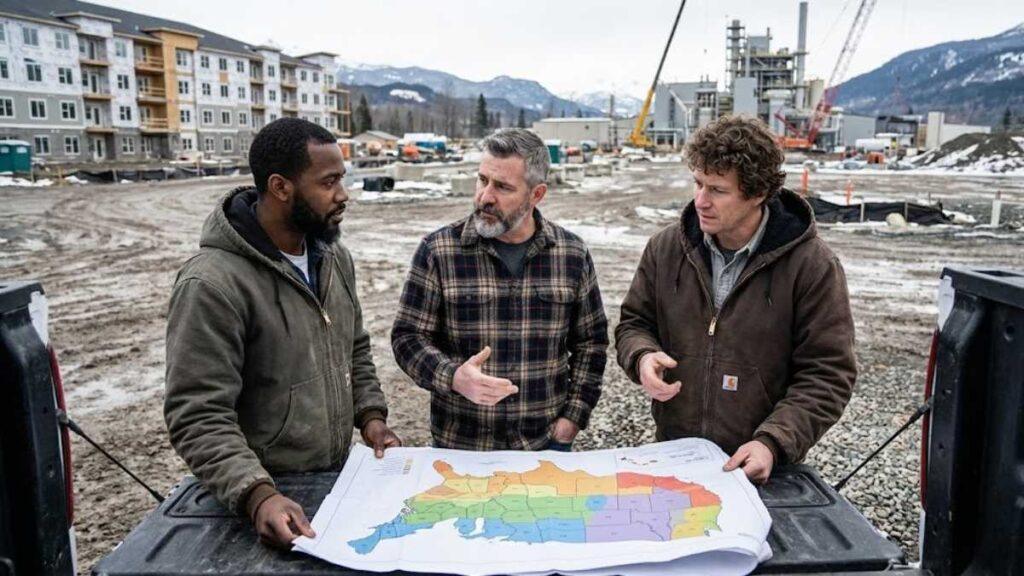
For contractors, this means sentiment must be interpreted locally. National averages hide the fact that some markets are constrained by execution risk rather than demand weakness. Contractors who align strategy to local sentiment signals gain clearer visibility into where risk is forming.

What sentiment reveals about pricing and negotiation dynamics
Builder sentiment surveys increasingly correlate with pricing behavior rather than volume expectations. When sentiment softens, builders do not immediately stop projects. Instead, they become more aggressive in negotiating pricing certainty, schedule commitments, and risk allocation. Contractors feel this shift first at bid level.
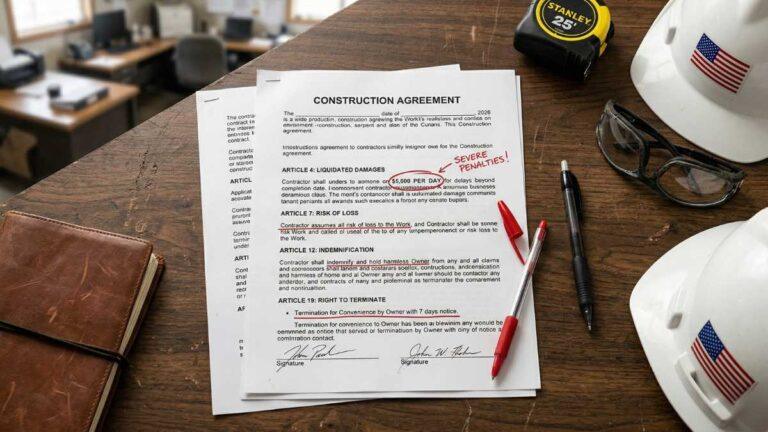
Lower sentiment often translates into tighter scrutiny of contingencies, longer negotiation cycles, and increased emphasis on guaranteed maximum pricing or early subcontractor lock-ins. Builders seek predictability, not discounts. This changes how bids are evaluated and which contractors are favored.
Understanding this dynamic allows contractors to adjust proposals proactively. Firms that present clarity, transparency, and schedule discipline outperform those competing purely on price during periods of mixed sentiment.
How sentiment impacts hiring and workforce strategy
Builder sentiment also influences hiring behavior. When confidence is uneven, builders hesitate to overexpand payrolls, increasing reliance on subcontractors and flexible labor arrangements. This amplifies competition for skilled trades and raises wage pressure even when sentiment is not uniformly strong.
Contractors experience this indirectly through tighter labor markets, higher subcontractor pricing, and reduced availability. Sentiment therefore affects workforce strategy well before projects are canceled or delayed.
Contractors who track sentiment trends can anticipate labor pressure earlier and adjust hiring, retention, and subcontractor relationships accordingly. Sentiment becomes an early warning system for workforce stress.
Sentiment versus starts: why confusion creates risk
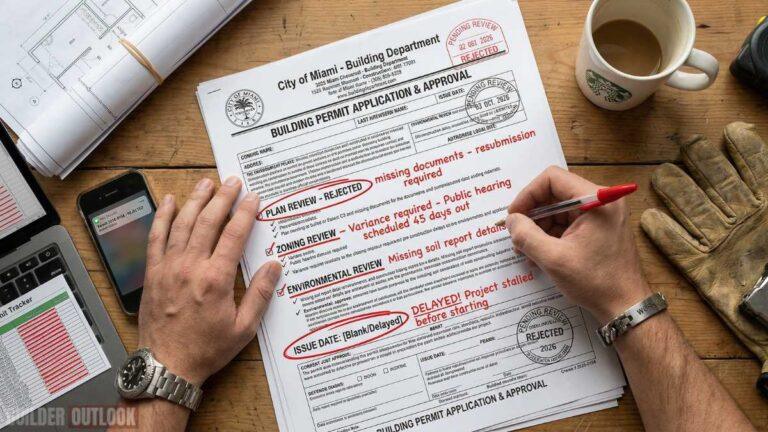
One of the most common misinterpretations in 2026 is assuming that positive sentiment guarantees starts. In reality, sentiment reflects intention, not execution. Financing delays, permitting friction, and cost volatility can stall projects even when builders remain confident long-term.
This gap between sentiment and starts creates forecasting errors. Contractors who scale resources based solely on sentiment indicators risk overextension. Those who understand sentiment as directional rather than definitive manage growth more cautiously.
The most successful contractors separate emotional confidence from operational readiness, using sentiment as context rather than confirmation.
What contractors should extract from NAHB signals
NAHB sentiment data is most valuable when paired with regional permitting activity, lending conditions, and labor availability. Contractors who combine these signals gain a clearer picture of where opportunity exists and where execution risk is rising.
Rather than reacting to headlines, contractors should use sentiment to guide bid selectivity, pricing posture, and resource allocation. Sentiment reveals how builders will behave under pressure, not whether they will disappear.
In 2026, reading sentiment correctly is a competitive advantage. Misreading it creates silent risk.


FAQ – Builder sentiment in 2026: what NAHB signals mean for contractors
1. What does builder sentiment really measure in 2026?
Builder sentiment reflects confidence under constraint, capturing how builders perceive financing, labor, insurance, and buyer behavior rather than simple demand volume.
2. Why is NAHB sentiment fragmented by region?
Local factors such as land availability, affordability, labor pressure, and regulatory timelines affect sentiment differently across markets.
3. Does positive sentiment guarantee more construction starts?
No. Sentiment reflects intention, while starts depend on financing approval, permitting, and execution feasibility.
4. How does builder sentiment affect contractor pricing?
Lower or mixed sentiment increases demand for pricing certainty, transparency, and risk control rather than pure discounts.
5. Why does sentiment influence labor markets?
Cautious builders delay hiring, increasing reliance on subcontractors and intensifying competition for skilled labor.
6. Should contractors scale based on sentiment data?
Only when combined with other indicators. Sentiment alone can mislead resource planning decisions.
7. How can contractors use sentiment strategically?
By adjusting bid selectivity, pricing posture, and workforce planning based on how builders behave under pressure.
8. What is the biggest mistake contractors make reading sentiment?
Treating it as a volume forecast instead of a behavioral signal.