Attracting high-ticket construction projects is not about producing more content. It is about producing the right content, in the right structure, with the right intent. In 2026, most contractors already post on social media, maintain a website, and occasionally publish updates. Yet many still attract clients who negotiate aggressively, compare only price, and disappear after the first estimate. This is not a lead problem. It is a content positioning problem.
High-ticket clients consume content differently. They are not looking for inspiration or discounts. They are looking for signals of competence, risk control, and strategic thinking. They want reassurance that the contractor understands complexity, volatility, scheduling pressure, and stakeholder management. Content that fails to communicate these elements attracts the wrong audience by default.
A content strategy built for serious projects filters prospects before the first call. It educates, qualifies, and reframes expectations. When done correctly, it reduces price pressure, shortens sales cycles, and improves project alignment long before numbers are discussed.
Content is no longer marketing support. It is pre-qualification infrastructure.
Builder Inteligence
Advertising
Why generic content attracts price shoppers
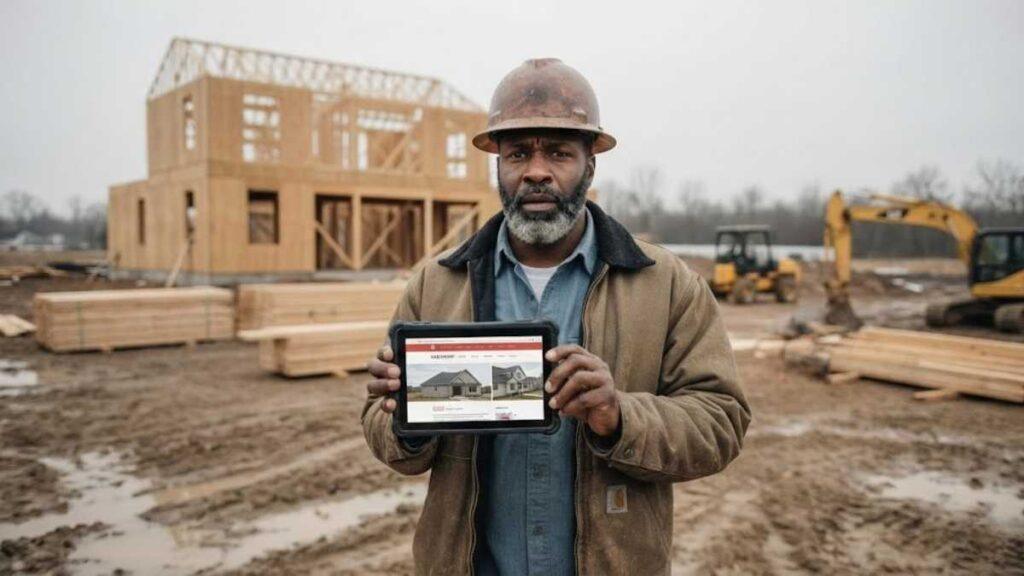
Generic construction content focuses on finishes, visuals, and basic explanations. While visually appealing, it does not differentiate decision-making capability. Price shoppers are comfortable engaging with this content because it offers no resistance. It confirms that the contractor is interchangeable with competitors.
Price-driven clients respond to content that emphasizes aesthetics without context. When projects are shown without explaining constraints, risks, or decisions, buyers assume execution is simple. Simplicity leads to commoditization. Commoditization leads to price comparison.
Another problem is shallow educational content. Blog posts that explain obvious concepts without insight do not build authority. High-ticket buyers already understand basics. They are evaluating how a contractor thinks under pressure, not whether they know terminology.
Content that lacks depth unintentionally signals operational weakness.
What high-ticket buyers actually look for in content
Serious buyers read between the lines. They look for language that reflects real-world challenges. They respond to discussions about scheduling conflicts, scope clarity, procurement timing, coordination breakdowns, and decision sequencing. These topics demonstrate lived experience.
They also look for transparency. Content that addresses risks honestly builds trust. High-ticket clients know projects rarely go perfectly. Contractors who acknowledge friction and explain mitigation strategies appear more credible than those who present flawless narratives.
Process clarity is another key factor. Buyers want to understand how information flows, how changes are handled, and how accountability is enforced. Content that explains process communicates predictability. Predictability justifies higher investment.
High-ticket clients are buying certainty, not promises.

How to structure content that filters instead of attracts everyone
Effective content strategy starts with intentional exclusion. Contractors must decide which projects they do not want. Content should reflect that choice. Writing about complexity, coordination, and discipline naturally repels casual buyers and attracts serious ones.
Long-form content plays a critical role. In-depth articles about market conditions, cost drivers, and risk management signal commitment and expertise. High-ticket buyers are willing to invest time in reading when content provides insight rather than promotion.
Case studies should emphasize decision-making, not just outcomes. Explaining why certain paths were chosen demonstrates judgment. Judgment is what buyers trust when budgets are large and stakes are high.
Content becomes a silent salesperson when it mirrors the conversations serious buyers want to have.
How this strategy changes sales dynamics
When content pre-qualifies prospects, sales conversations shift. Instead of explaining basics, contractors discuss alignment. Instead of defending price, they discuss scope and delivery approach. This reduces emotional negotiation and increases rational evaluation.
High-ticket buyers often reference content during calls. They mention articles, insights, or examples that resonated. This creates shared context and shortens trust-building time.
Over time, content-driven positioning compounds. Contractors become associated with a specific type of project and mindset. In competitive markets, this association is more powerful than advertising spend.
Content that attracts high-ticket projects reshapes demand instead of chasing it.
More from Builder Inteligence


FAQ – The content strategy that attracts high-ticket projects (not price shoppers)
- Why does most construction content attract price shoppers?
Because it focuses on visuals and surface-level explanations instead of decision-making, risk management, and process control, which serious buyers actually evaluate. - Do high-ticket clients really read long-form content?
Yes. High-ticket buyers invest time when content provides insight, reflects experience, and helps them justify decisions internally. - Should contractors stop posting visual project updates?
No. Visuals matter, but they must be paired with context, explanation, and strategic narrative to avoid commoditization. - How often should authority-level content be published?
Consistency matters more than volume. One strong piece per month can outperform frequent shallow posts when targeting serious projects. - Can small contractors use this strategy effectively?
Absolutely. Depth, clarity, and relevance matter more than company size when attracting high-ticket opportunities.