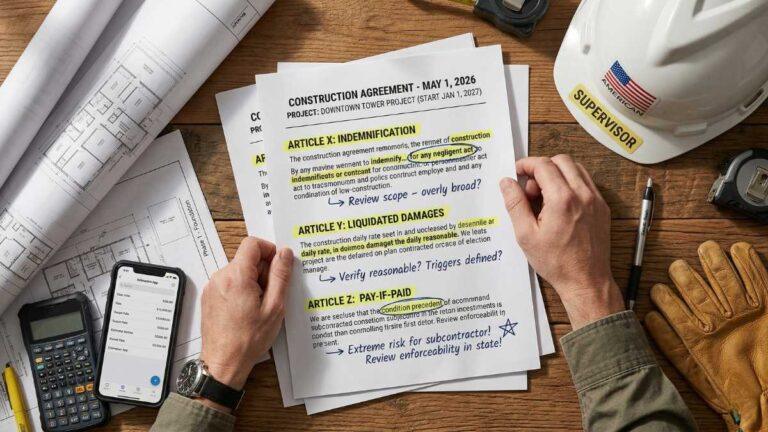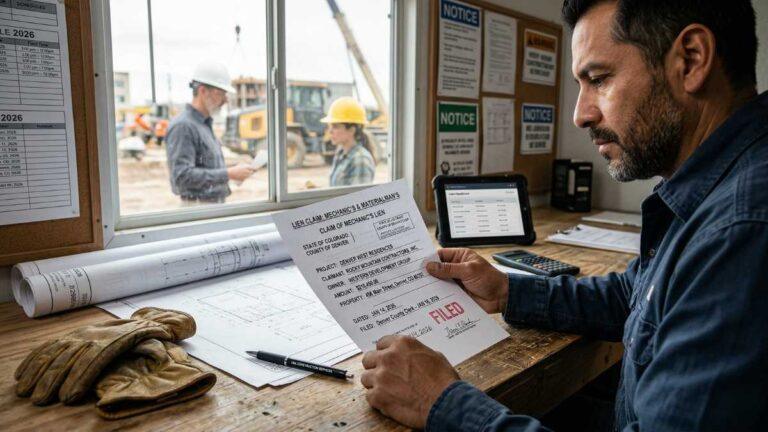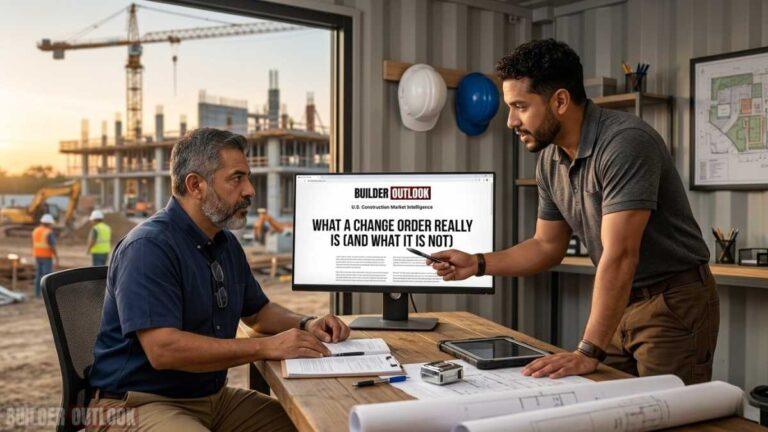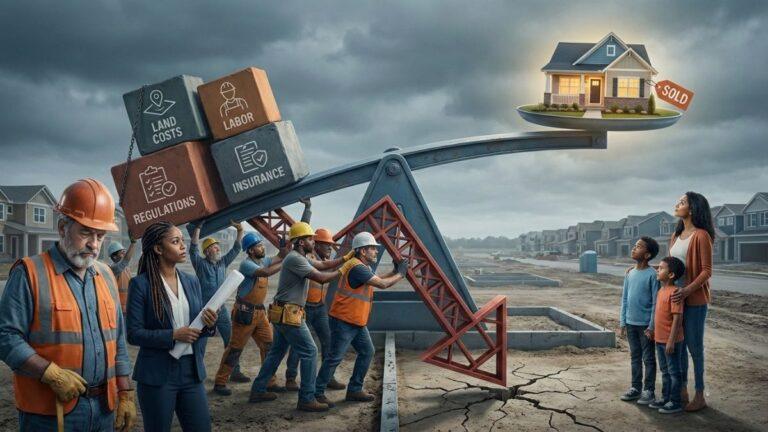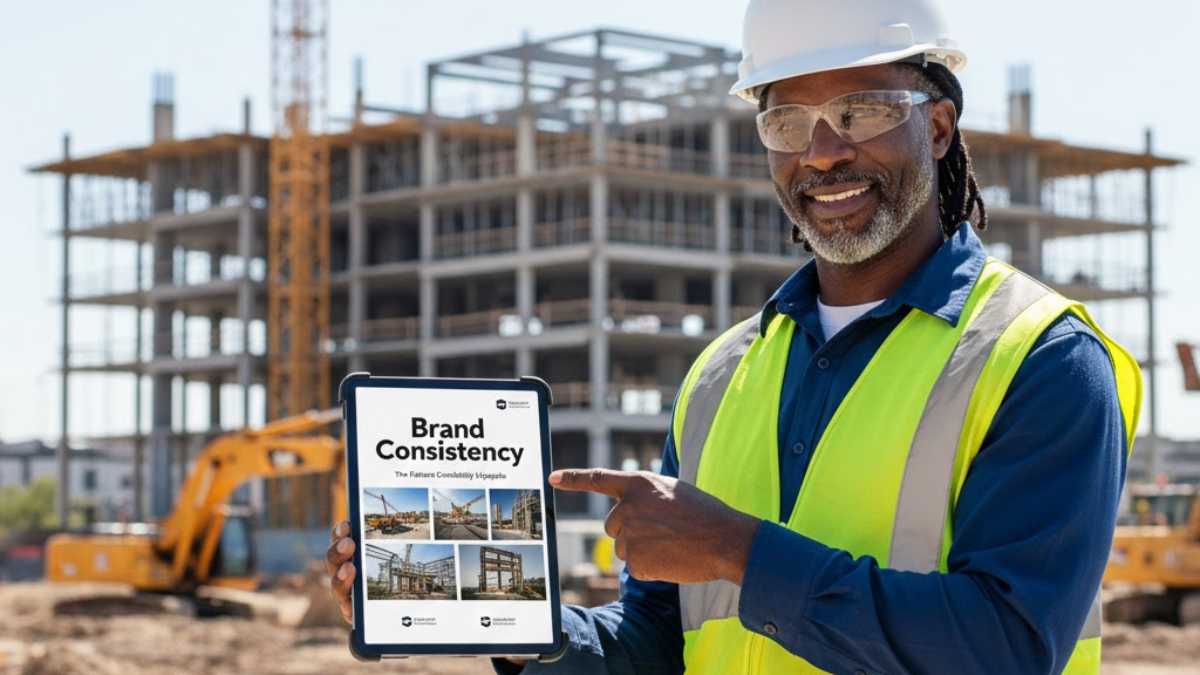
Brand consistency in construction is one of the most underestimated growth levers in the construction industry, yet it is one of the fastest ways to upgrade credibility without changing crews, equipment, or scope. In 2026, builders are judged long before the first call, and those judgments are made visually, structurally, and subconsciously across websites, Google results, proposals, social media, and reviews. When those elements feel fragmented, outdated, or contradictory, clients assume operational risk.
Construction buyers do not separate marketing from operations. They read inconsistency as disorganization. When logos change across platforms, messaging shifts tone, or visuals feel mismatched, clients do not think “branding issue.” They think “management issue.” This is why brand consistency is not cosmetic. It is a trust signal tied directly to pricing power, deal velocity, and client confidence.
The fastest credibility upgrades are rarely flashy. They are systematic. Builders who align how they look, speak, and present across every touchpoint immediately feel larger, more stable, and more reliable. That perception alone changes who calls, how conversations start, and how much resistance appears around price and scope.
Builder Inteligence
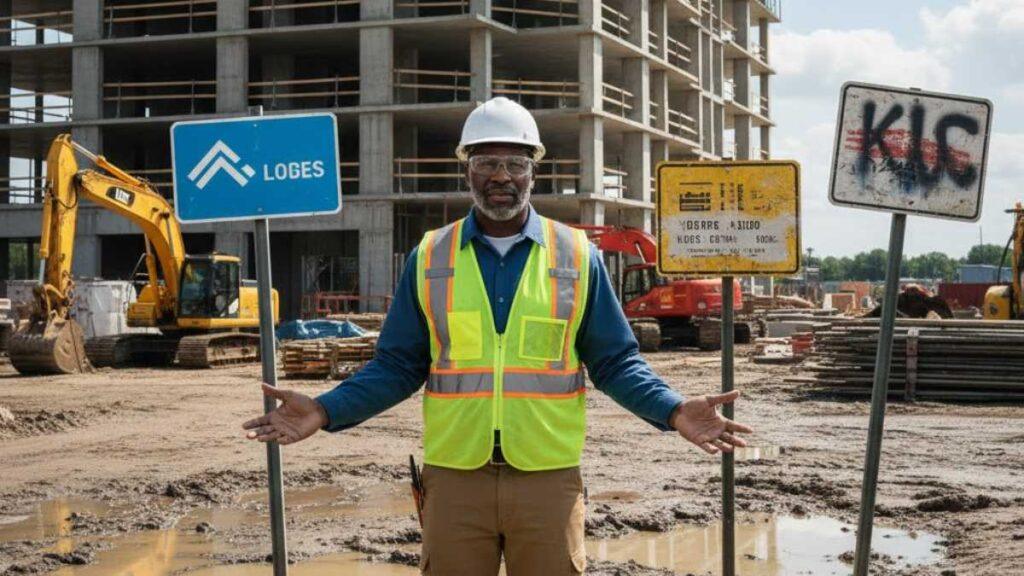
Why inconsistency creates silent friction
Inconsistent brands force clients to work harder to understand who you are. That cognitive friction creates hesitation. When a prospect has to reconcile different logos, messages, or service descriptions, uncertainty grows. In construction, uncertainty equals risk, and risk pushes clients to compare more bids or demand concessions.
This friction rarely shows up as feedback. Clients do not say “your branding confused me.” They simply delay, ghost, or choose someone else who feels clearer and safer. Builders often misdiagnose this as a sales or market problem when the real issue is fragmented presentation.
Consistency removes friction. When every channel reinforces the same identity, scope, and standards, clients relax. Decisions feel easier. Confidence increases without a single promise being made.
Consistency as a signal of operational maturity
In 2026, brand consistency in construction signals leadership maturity. Companies that control their message appear intentional. Intentional companies are assumed to have processes. Processes imply predictability. Predictability reduces perceived project risk.
This is especially critical in competitive markets where many builders offer similar services. When technical capability is assumed, presentation becomes the differentiator. Consistent brands feel like safer bets even before credentials are reviewed.
Operationally strong builders who ignore consistency often lose to weaker competitors who look more organized online. The work quality may be equal or better, but perception decides access to opportunity.
What consistency actually means for builders
Brand consistency in construction is not just using the same logo. It includes tone of voice, service descriptions, geographic focus, project types, photography style, proposal formatting, and even how crews are presented online. Every touchpoint should tell the same story.
Consistency also clarifies who the builder is for and who they are not for. This reduces unqualified inquiries and improves lead quality. Clear, repeated signals attract aligned clients and repel the rest.
When consistency is established, marketing stops feeling like effort and starts feeling like leverage. Each channel reinforces the others instead of competing for attention.
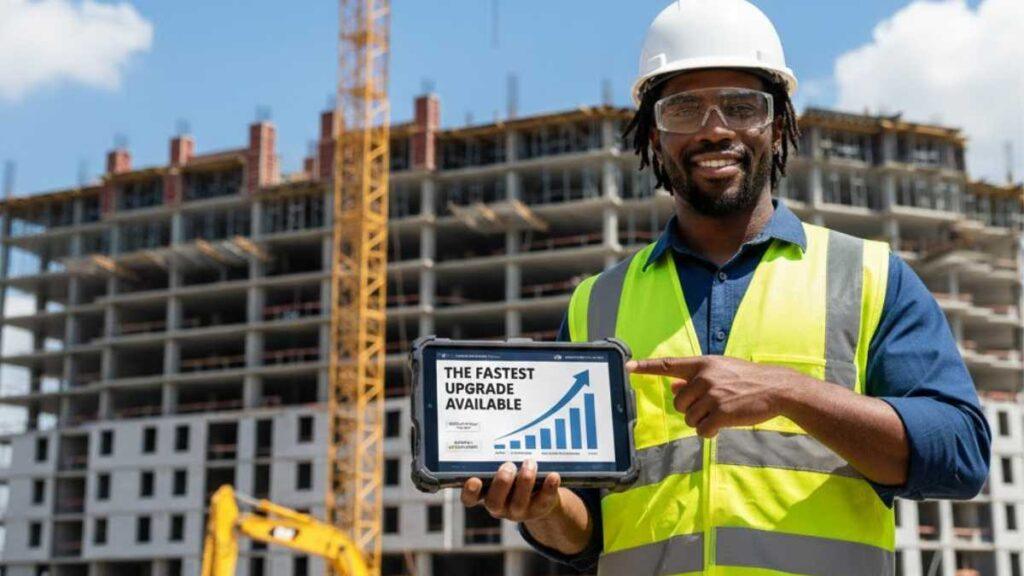
Why this is the fastest upgrade available
Unlike hiring, expansion, or new services, brand consistency can be improved quickly. It does not require market changes or external conditions. It requires alignment and discipline.
Builders who standardize their presentation often see immediate effects. Calls feel different. Clients reference specific content. Price discussions soften. The business feels calmer even before revenue changes appear.
In construction, credibility compounds. Consistency accelerates that compounding effect faster than almost any other single action.
More from Builder Inteligence
Frequently Asked Questions
Why does brand consistency matter so much in construction?
Because construction decisions are risk-based. Consistency reduces perceived risk by signaling organization, leadership, and predictability. Clients equate consistent presentation with consistent execution, even before technical details are reviewed.
Is brand consistency only important for large construction companies?
No. Smaller builders benefit even more because consistency helps them look established and professional. It allows small teams to compete visually and structurally with much larger firms.
How does inconsistency affect pricing discussions?
Inconsistent brands increase uncertainty. Uncertainty leads clients to negotiate harder and compare more options. Consistent brands support confidence, which protects margins and shortens sales cycles.
What should builders fix first to improve consistency?
Start with website messaging, Google Business profile, and proposals. These are the most influential touchpoints. Align language, visuals, and service descriptions before expanding to social media and advertising.
How quickly can builders see results from improving consistency?
Many builders notice changes within weeks. Conversations improve first, followed by better lead quality and stronger close rates over the following months as consistency compounds across channels.