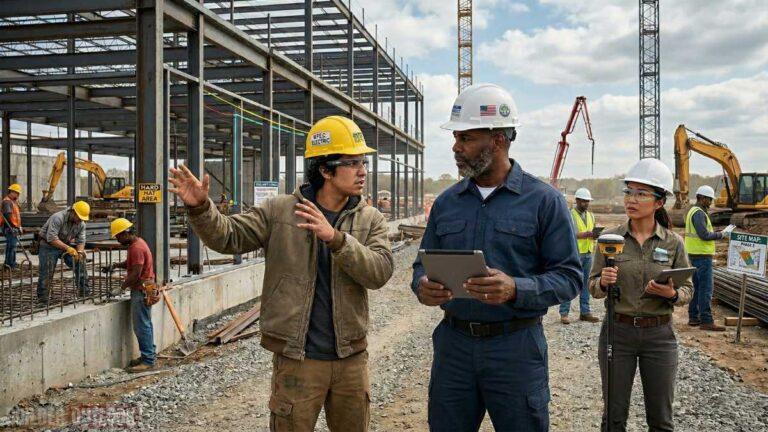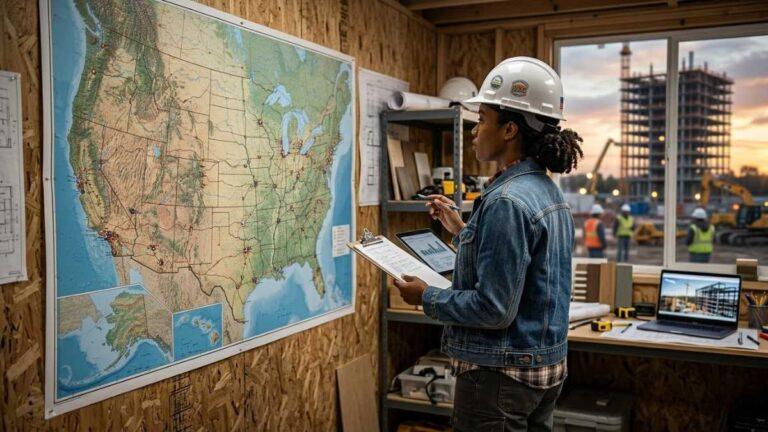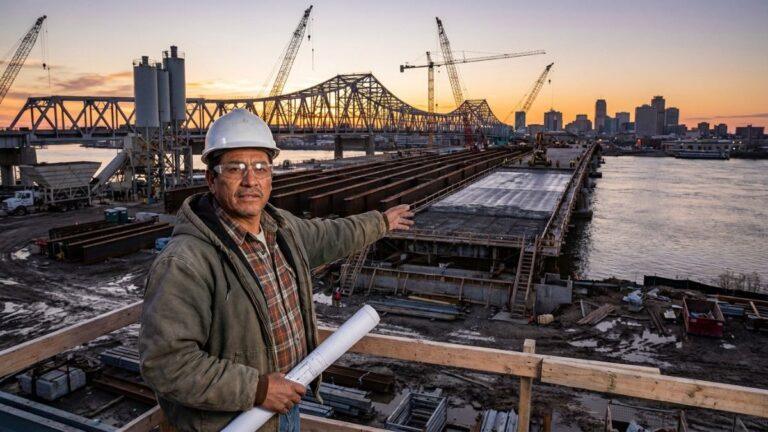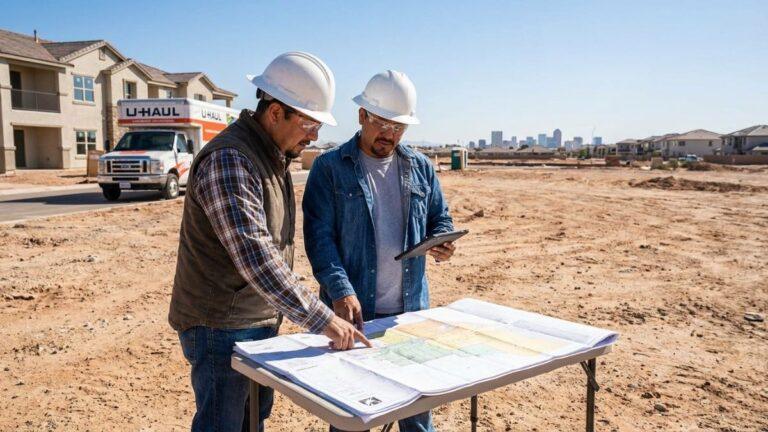
Case studies have quietly become one of the most powerful control mechanisms in construction growth, yet most builders still treat them as decorative portfolio pieces. In 2026, case studies are no longer about showing what you built. They are about showing how you think, how you manage risk, and how you behave when projects stop being predictable. Builders are judged long before the first call, and case studies are one of the few tools that allow contractors to shape that judgment intentionally.
Construction buyers do not read case studies casually. Developers, owners, and even lenders use them as behavioral evidence. They look for signals of discipline, decision-making, and operational maturity. When a case study is shallow, overly polished, or avoids friction, it attracts clients who believe construction should be simple, linear, and cheap. When a case study explains context, constraints, and tradeoffs, it immediately filters the audience. Serious clients lean in. Unrealistic ones quietly disappear.
This is why case studies are not a marketing accessory. They are a pre-qualification system. Builders who understand this stop chasing volume and start attracting alignment. The result is fewer conversations, better conversations, and projects that feel structurally healthier before they even start.
Advertising
Why generic case studies attract the wrong clientes
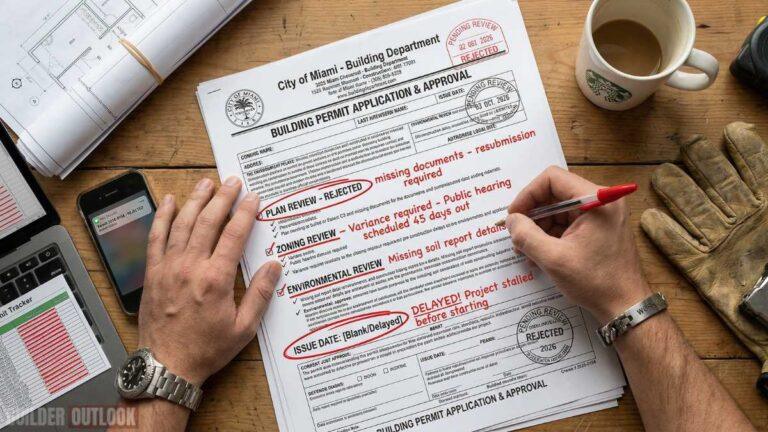
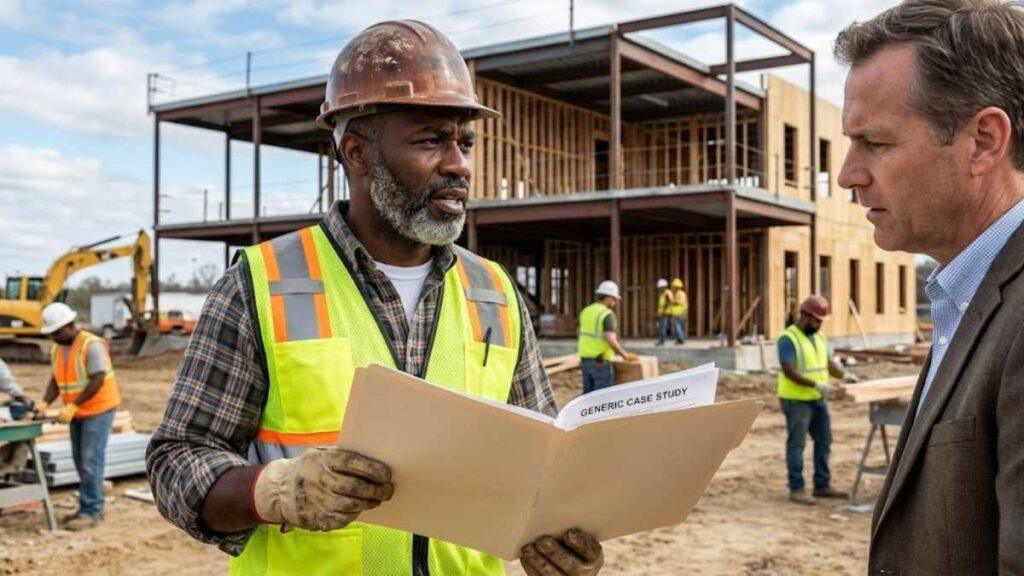
Most construction case studies fail because they hide reality. A few photos, a short paragraph, and a vague outcome create the illusion that projects unfold smoothly. Experienced owners know this is never true. When builders avoid discussing challenges, coordination issues, or decision points, they unintentionally invite clients who underestimate complexity and overfocus on price.
That mismatch becomes expensive later. Sales calls stretch longer. Scope conversations become tense. Change orders feel personal. Builders spend energy educating clients who should never have entered the pipeline. The project may still get built, but it extracts a hidden operational tax.
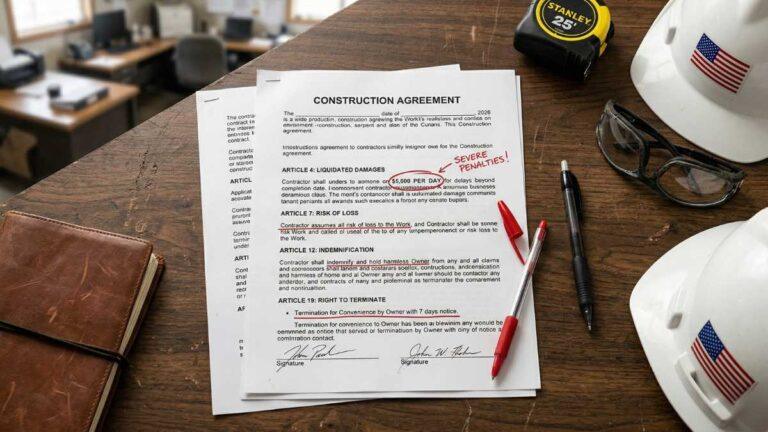
Case studies that openly address constraints remove that friction early. When builders explain why certain decisions were made, how risks were mitigated, and what tradeoffs were accepted, they raise the psychological entry barrier. Clients who are uncomfortable with complexity self-select out. Clients who value control, predictability, and professionalism stay.
Case studies as behavioral signals, not marketing contente
In 2026, case studies function as behavioral filters. They communicate how a builder responds to pressure, not how good the final product looks. Owners are not just buying a building. They are buying a decision-making partner for an unpredictable process.
Strong case studies explain the environment around the project. Market conditions. Labor availability. Schedule constraints. Permitting realities. These details signal awareness. They tell the reader this builder understands the ecosystem, not just the scope.
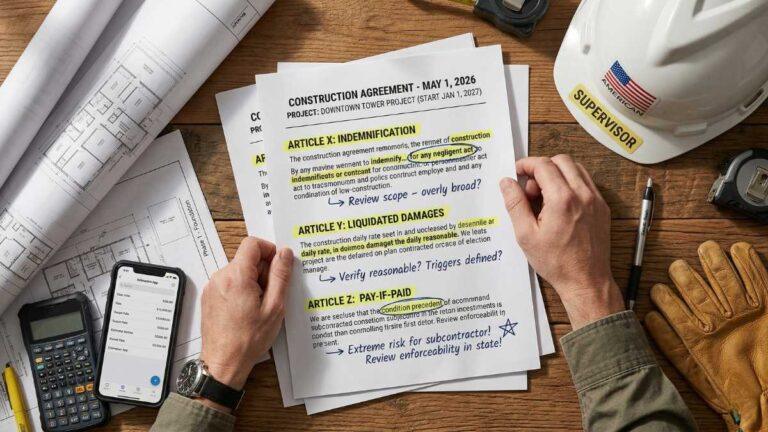
They also explain tradeoffs. What was prioritized. What was delayed. What was redesigned. These moments are where trust is built. Builders who document their reasoning show leadership. Builders who avoid it appear reactive, even if their work quality is high.
Using case studies to control who enters your pipeline
Builders who use case studies strategically stop trying to convince everyone. Instead, they let the content do the filtering. Case studies placed on service pages, proposal follow-ups, and local SEO content shape expectations before the first conversation.
In competitive U.S. markets like Texas, Florida, California, and the Southeast, this matters more than ever. Owners compare builders digitally before reaching out. Case studies that include location context, project type, and execution philosophy strengthen GEO authority while simultaneously qualifying leads.
The result is quieter growth, but stronger growth. Fewer price shoppers. Fewer misaligned projects. More trust before contracts are signed.
Why this is a growth lever, not a branding exercise
Case studies reduce sales friction. They shorten sales cycles. They protect margins. They reduce disputes caused by expectation gaps. Builders who treat them seriously experience fewer surprises downstream.
Unlike advertising or lead generation, case studies compound. Each one reinforces the builder’s operating philosophy. Over time, the market learns what kind of builder you are. Growth becomes selective instead of chaotic.
In construction, growth without filtering creates instability. Case studies are one of the fastest ways to filter before work begins.



FAQ – How builders should use case studies to pre-qualify clients
1. Why are case studies more effective than portfolios in 2026?
Because portfolios show outcomes, while case studies show behavior. In a volatile construction environment, owners care more about how builders make decisions under pressure than about finished photos alone.
2. How do case studies pre-qualify clients before the first call?
They set expectations around complexity, process, and standards. Clients who value structure engage, while clients who want simplicity and low price disengage without confrontation.
3. What mistakes do builders make with case studies?
Most avoid discussing problems or tradeoffs. This attracts unrealistic clients and creates friction later when reality inevitably appears.
4. Should builders include challenges and mistakes in case studies?
Yes, when framed professionally. Explaining how challenges were managed increases credibility and aligns expectations with serious decision-makers.
5. How do case studies support SEO and GEO strategy?
They naturally include service type, project context, and location. This helps builders rank for high-intent regional searches while demonstrating authority.
6. Can case studies actually reduce disputes?
Yes. When expectations are aligned early, fewer surprises occur during execution. Case studies reduce misunderstanding, not just marketing noise.