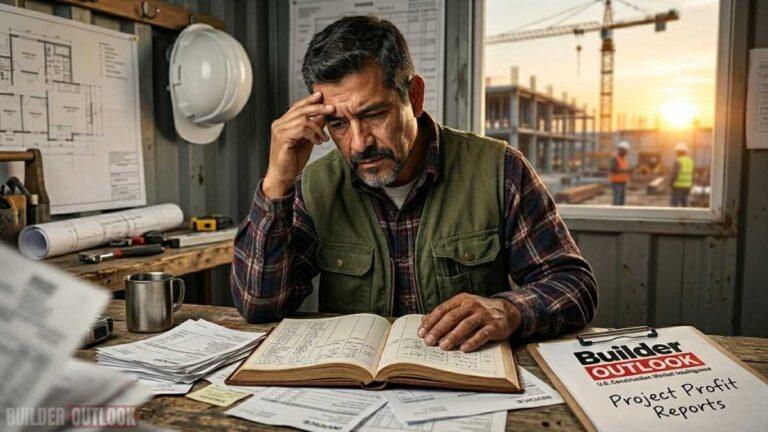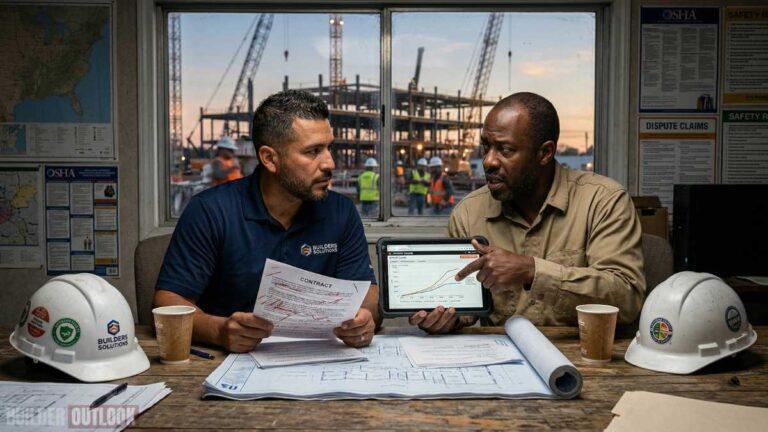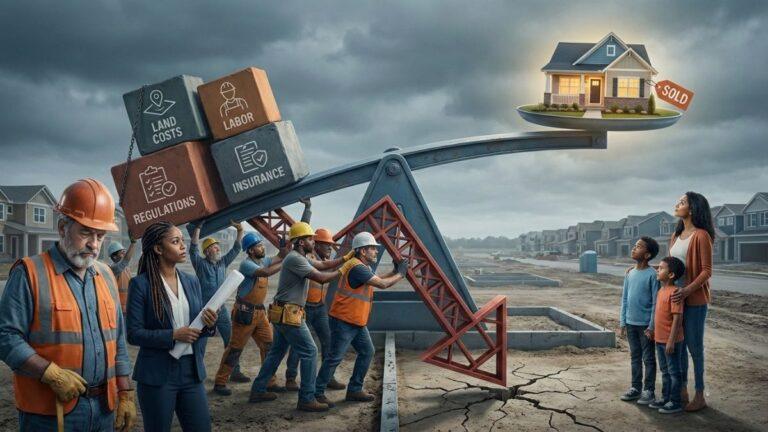
Reputation in construction is no longer built primarily on referrals or jobsite visibility. It is built online, silently, before the first call, before the first bid request, and often before a buyer even knows your company name. Owners, developers, and property managers now form opinions based on what they find in search results, reviews, images, content, and third-party mentions. Builders who do not actively control this narrative allow the market to define them by default.
The critical shift is that reputation today is not reactive. Waiting for reviews, responding only when problems arise, or assuming good work will naturally translate into positive perception is no longer enough. Online reputation is an asset that must be designed, structured, and maintained. When builders fail to do this, competitors with weaker operations but stronger digital presence gain an unfair advantage.
Another overlooked reality is that reputation compounds. Every article published, every case study indexed, every review answered, and every image shared contributes to a growing body of proof. Over time, this proof becomes the primary decision filter. Buyers may still request multiple bids, but reputation determines who is taken seriously and who is treated as a fallback option.
Builders who understand reputation strategy stop asking how to get more reviews and start asking how to own the entire story being told about their company online.



Why uncontrolled narratives cost builders contracts
When builders do not control their narrative, search engines and platforms fill the gaps. Outdated websites, inconsistent messaging, incomplete profiles, or irrelevant third-party content become the dominant signals. These signals are interpreted as lack of scale, lack of focus, or lack of credibility, even if none of that is true operationally.
A common issue is imbalance. One negative review or dispute, when surrounded by silence, carries disproportionate weight. Without a strong foundation of content and positive signals, isolated issues define the brand. Buyers assume silence means avoidance or instability.
Uncontrolled narratives also weaken negotiation power. When a buyer perceives uncertainty, price becomes the primary lever. Reputation directly influences margins, not just visibility. Builders who lose control of the narrative often find themselves defending price instead of defending value.
How builders actively shape online perception
Effective reputation strategy begins with clarity. Builders must decide how they want to be perceived and align every digital asset to reinforce that position. This includes website structure, language tone, project imagery, service descriptions, and content topics. Consistency builds trust faster than volume.
Content plays a central role. Educational articles, market insights, and detailed case studies demonstrate thinking depth. They signal leadership, not just execution. Buyers equate clarity of thought with reliability of delivery, especially on complex projects.
Reviews and third-party platforms must be managed deliberately. Responding professionally, contextualizing feedback, and maintaining activity signals accountability. Silence suggests risk. Builders who engage consistently appear organized and confident, even under scrutiny.

Reputation as a long-term growth lever
Builders who treat reputation as a strategy rather than a task experience compounding benefits. Sales cycles shorten because trust is pre-built. Higher-quality clients self-select because messaging filters expectations. Teams feel aligned because the company story is clear internally and externally.
Reputation also protects during downturns. When markets tighten, buyers gravitate toward perceived safety. Builders with strong reputational equity are seen as lower-risk partners. This positioning preserves pipelines when competitors struggle.
Ultimately, reputation strategy is not about optics. It is about control. Builders who control the narrative control how the market values their work.
More from Builder Inteligence

FAQ – Reputation strategy: how builders win by controlling the narrative online
1. Why is online reputation more important than referrals today?
Referrals still matter, but buyers now validate referrals online. If digital signals contradict word-of-mouth, doubt emerges. Online reputation confirms or undermines trust before conversations begin.
2. How long does it take to build a strong online reputation?
Reputation builds gradually through consistent actions. Initial improvements appear within months, but meaningful authority typically compounds over twelve to eighteen months of disciplined execution.
3. Are reviews the most important factor in reputation?
Reviews matter, but context matters more. Reviews supported by strong content, clear positioning, and visible expertise carry far greater influence than reviews alone.
4. Can small builders compete with larger firms in reputation?
Yes. Smaller builders often outperform larger firms by being more focused, more authentic, and more consistent. Reputation rewards clarity, not company size.
5. What is the biggest reputation mistake builders make?
Assuming silence equals neutrality. In reality, silence allows others to define your brand. Active participation is required to maintain control.