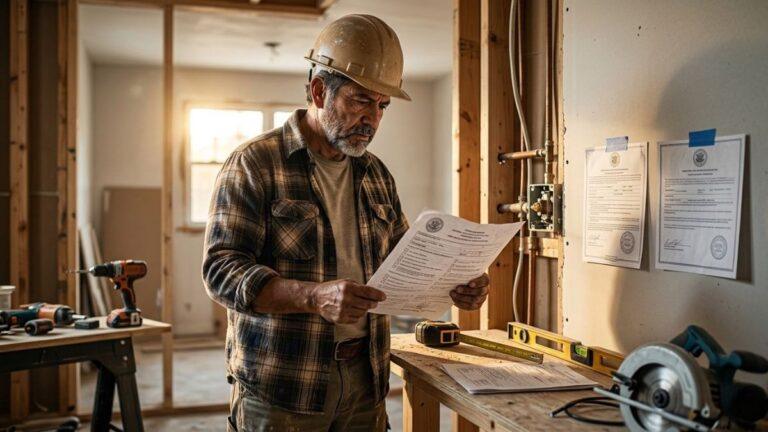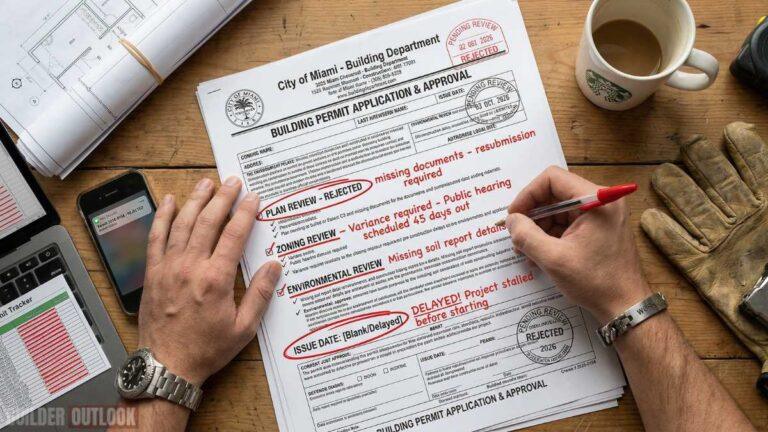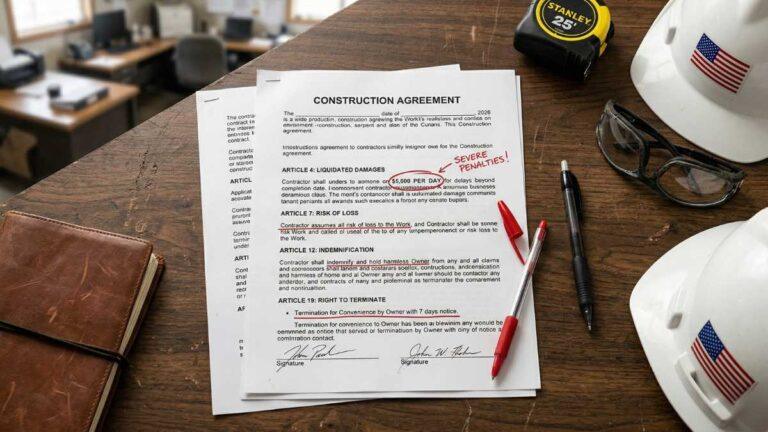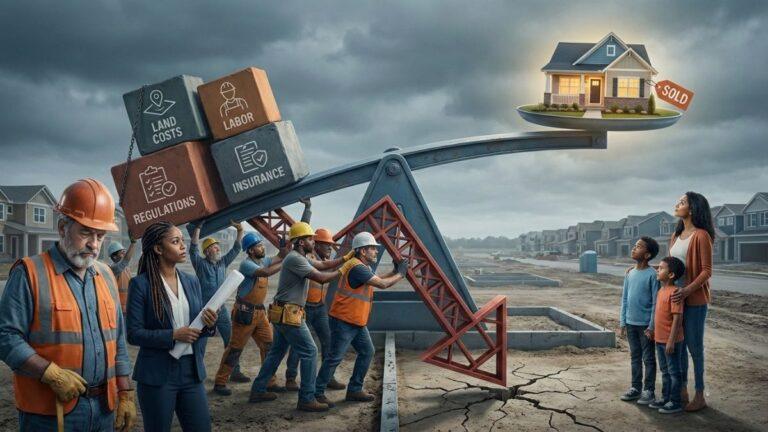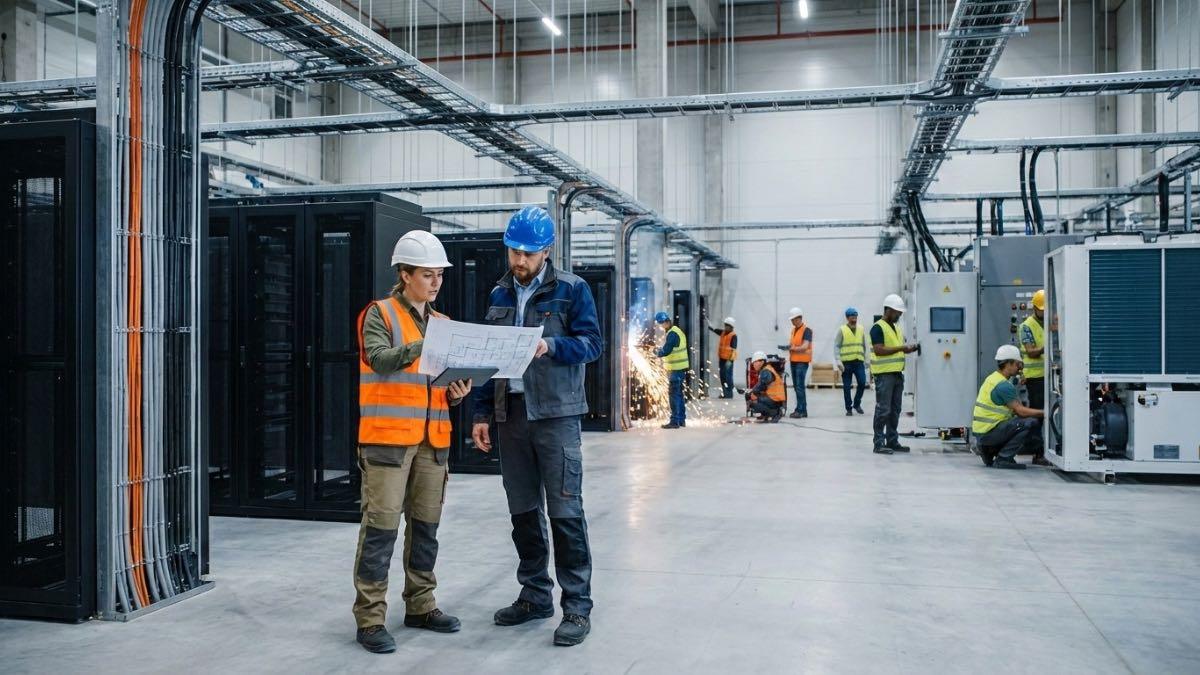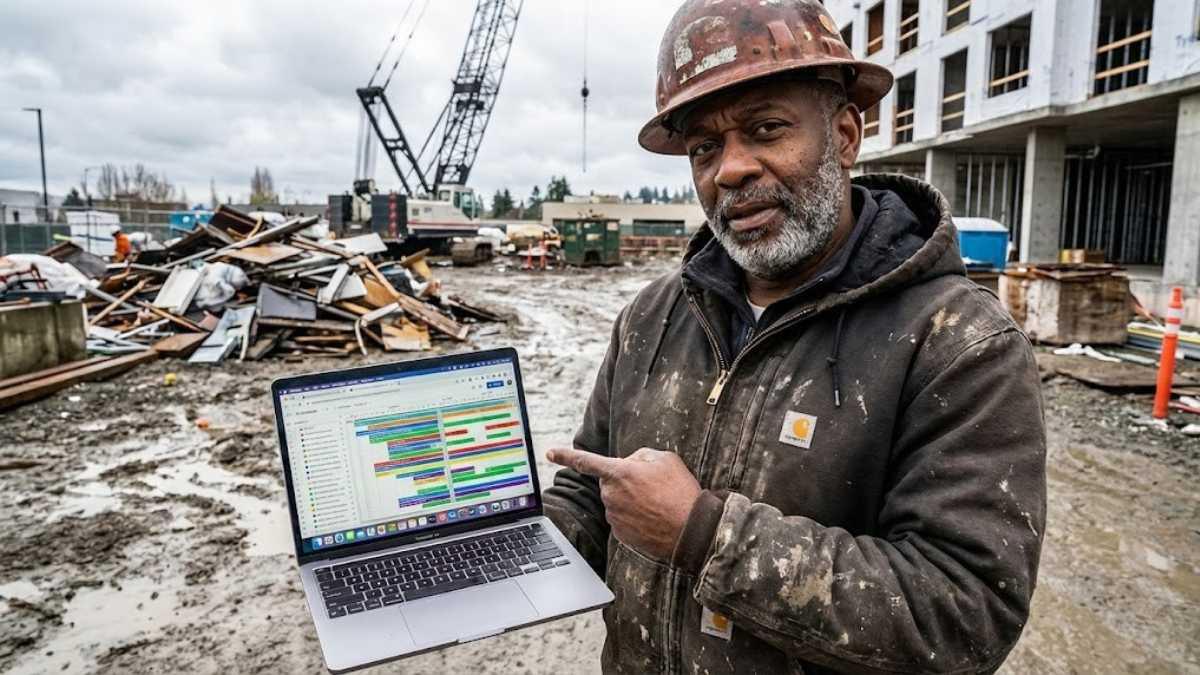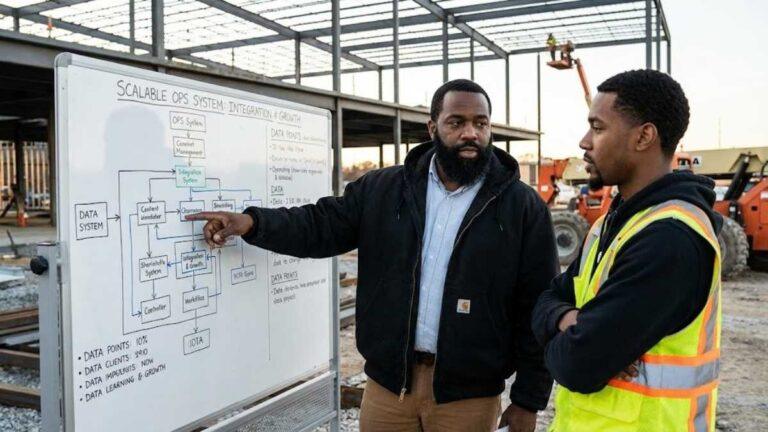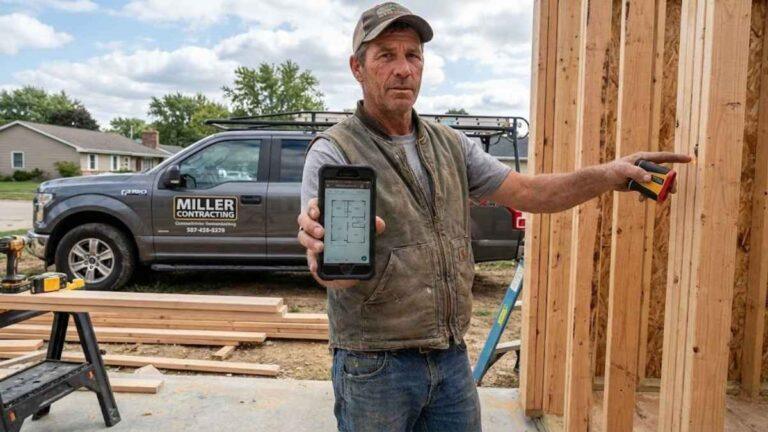
The most dangerous competitor in construction is rarely the one with the lowest price or the longest resume. In 2026, the silent competitor is the company that looks bigger, more structured, and more prepared online, even when its actual operational capacity is similar or sometimes smaller. This shift explains why many capable builders are losing contracts without ever understanding where the decision turned against them.
Owners, developers, and even sophisticated residential clients now make early judgments based on digital presence. They do not consciously say that one contractor is better because of a website or branding, but they subconsciously associate clarity, structure, and consistency with lower risk. When a competitor looks bigger online, they feel safer, more reliable, and easier to justify internally, especially when projects carry financial, legal, or schedule exposure.
This silent competition happens before bids are compared, before scope is debated, and before meetings are scheduled. It is not aggressive. It does not announce itself. It simply removes you from consideration early, without feedback, and without a clear signal that you were evaluated and filtered out.
Why perception now shapes access to opportunity
Construction has always been a trust-driven industry, but trust is no longer established primarily through face-to-face relationships. Today, trust is pre-built digitally. Clients want reassurance that a contractor can handle complexity, communicate clearly, and operate with discipline. Digital presence becomes a proxy for all of that.
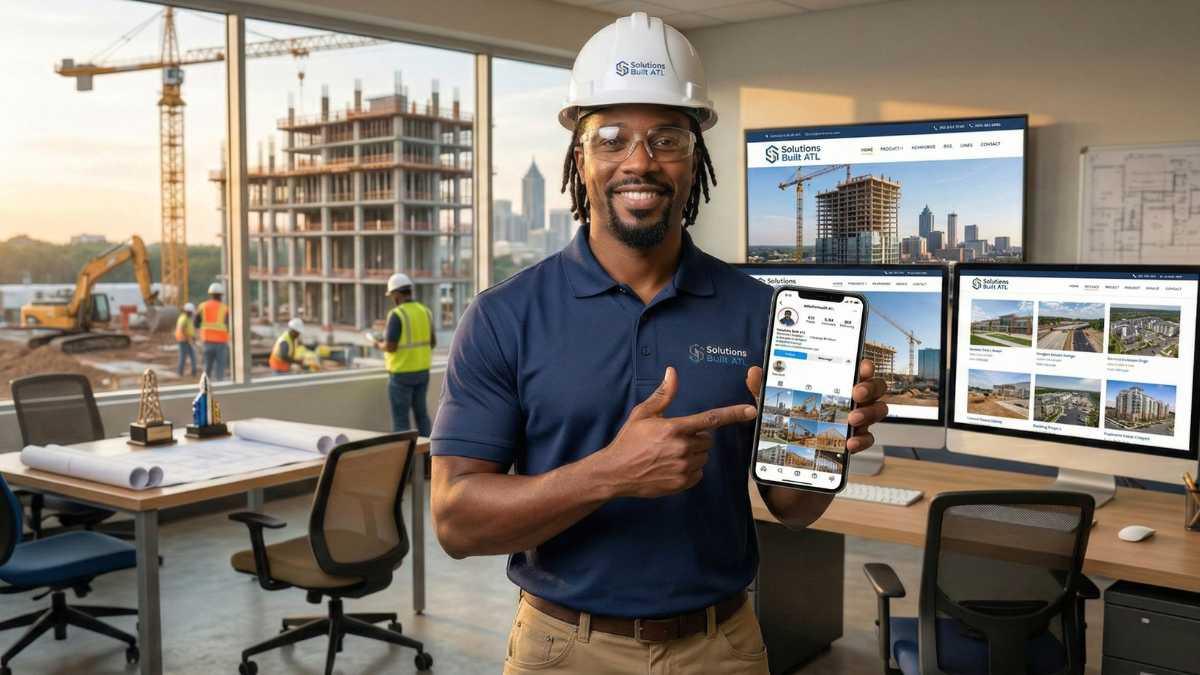
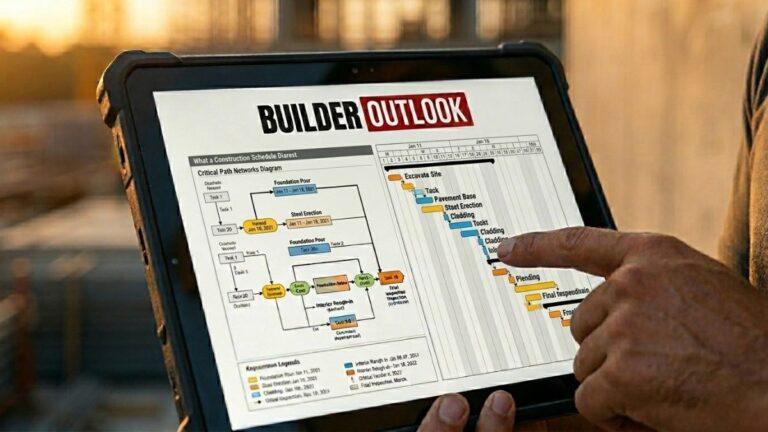
A builder who looks small online appears risky, even if they are technically excellent. Sparse websites, outdated visuals, inconsistent messaging, or inactive channels suggest fragility. In contrast, a competitor with a clear website, strong local visibility, consistent branding, and educational content appears organized and scalable, regardless of headcount.
This perception directly affects access. Larger-looking companies get invited earlier, included more often, and questioned less aggressively. Smaller-looking companies are scrutinized harder or excluded entirely.
Advertising
How “looking bigger” reduces price pressure
One of the least discussed advantages of appearing larger and more established online is pricing power. Clients negotiate less when they believe a contractor is in demand, selective, and professionally positioned. Digital presence signals that demand indirectly.
When a builder looks small, clients assume flexibility and desperation, even when that is not true. This leads to tighter margins, longer negotiations, and more scope creep. The silent competitor avoids this not by charging more, but by being framed differently before numbers are discussed.
Positioning shapes negotiation psychology. The battle is often won or lost before pricing enters the room.
The role of consistency in defeating the silent competitor
Consistency across website, reviews, content, and messaging is what creates the illusion of scale. Fragmentation destroys it. A strong website paired with weak reviews, or good reviews paired with no content, breaks trust signals.
Builders who win against the silent competitor align everything. Services are clearly defined. Geography is reinforced. Messaging repeats the same core positioning everywhere. This repetition creates familiarity, and familiarity creates comfort.
In 2026, comfort often matters more than credentials.

FAQ – The “silent competitor”: why builders lose to companies that look bigger online
1. Why do builders lose to competitors that are not actually bigger?
Because clients do not evaluate size objectively. They infer size, stability, and capability from digital signals. A company that looks organized, visible, and consistent online feels safer, even if its operational scale is similar.
2. Is “looking bigger” about pretending to be something you are not?
No. It is about presenting what you already are with clarity and structure. Most builders undersell their capability by failing to explain it clearly and consistently online.
3. How fast can a contractor close the perception gap?
Faster than most expect. Improving website clarity, local SEO, and messaging alignment can shift perception within weeks, not years, because the baseline across the industry is still low.
4. Does this apply to both residential and commercial construction?
Yes. Residential clients want reassurance, and commercial clients need justification. In both cases, digital presence supports decision-making internally and externally.
5. What is the biggest mistake builders make when fighting the silent competitor?
Focusing on tactics instead of positioning. Ads, posts, and tools do not matter if the core message and structure remain unclear.