Construction bidding in the United States has entered a phase where price interpretation matters as much as price itself. In 2026, contractors are no longer reacting only to whether costs are rising or falling. They are reacting to how unstable, uneven, and regionally distorted those costs have become. Input prices now move at different speeds depending on trade, geography, insurance exposure, logistics, and financing conditions. This quarter, understanding those movements is not optional. It is a prerequisite for submitting bids that survive owner scrutiny, lender review, and post-award execution.
For many contractors, the problem is not that prices are high. The problem is that prices are unpredictable in ways that traditional estimating models were never designed to absorb. Material indexes may show modest quarter-over-quarter changes, but bid risk has increased because pricing reliability has collapsed. Owners want certainty. Lenders want downside protection. Contractors are caught in the middle, forced to price not just cost, but volatility itself.
This quarter, bids that ignore the deeper meaning behind input price data are the bids most likely to fail after award.
Builder Inteligence

Why headline price data no longer tells the full story
Construction input price reports often give the illusion of clarity. National averages flatten regional extremes. Monthly deltas hide procurement delays. Index stabilization masks trade-level stress. A contractor who relies solely on headline numbers is operating with incomplete information.
Steel pricing, for example, may appear stable nationally, but availability windows vary dramatically by region due to transportation constraints, port congestion, and fabricator backlogs. Concrete pricing is increasingly influenced by fuel surcharges and local batch plant capacity, not just raw materials. Electrical components remain exposed to global supply chain disruptions even when domestic manufacturing appears strong.
This quarter, bids that treat material pricing as a single variable instead of a layered risk profile are underpricing execution uncertainty.
How volatility reshapes bid structure, not just totals
The most important change in bidding behavior is structural. Contractors are no longer simply adding contingency. They are redistributing risk across line items, allowances, escalation clauses, and schedule assumptions.
Instead of asking, “What will this material cost,” experienced estimators are asking, “What is the probability that this price holds through procurement, fabrication, delivery, and installation.” That shift changes how bids are assembled.
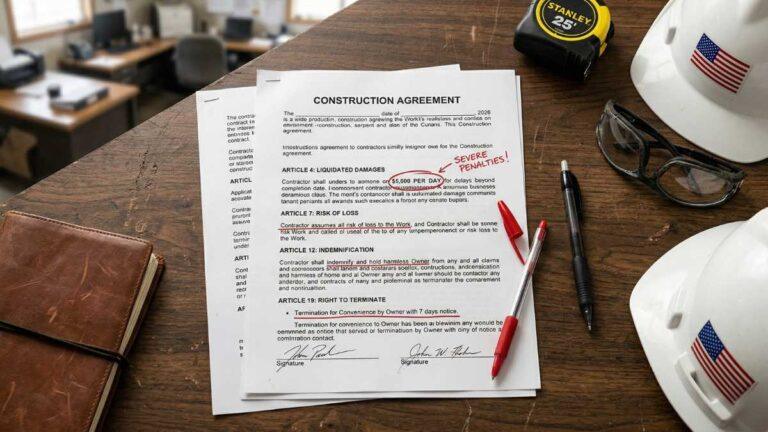
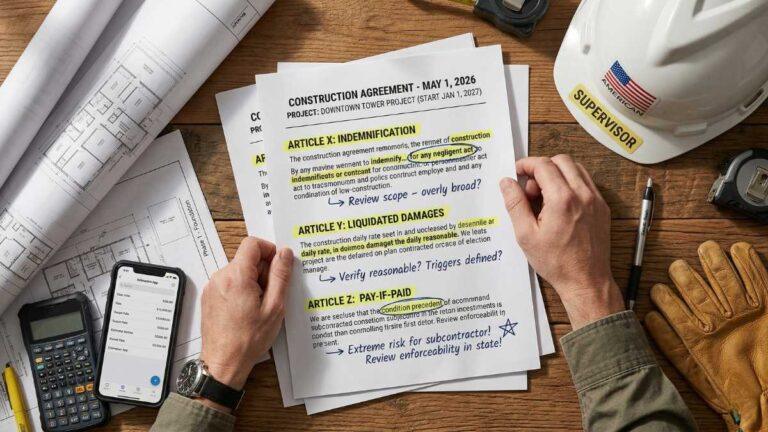
Shorter validity periods are becoming standard. Escalation language is no longer defensive; it is expected. Allowances are being used strategically to isolate exposure rather than hide uncertainty. In competitive markets, contractors who fail to explain these structures lose credibility, even if their base number is lower.
Owners are not rejecting higher bids. They are rejecting unclear ones.
The regional effect on bids this quarter
GEO pressure is intensifying. Contractors bidding in Florida, Texas, Arizona, Georgia, and North Carolina are facing a different pricing reality than those bidding in slower-growth regions. Labor competition, insurance premiums, logistics costs, and permitting timelines all compound input volatility.
In high-growth metros, bids that fail to reflect regional cost friction appear unrealistic. In slower markets, overly defensive pricing can eliminate competitiveness. This quarter, understanding local cost behavior matters more than tracking national averages.
Contractors who align bids with regional realities signal operational maturity. Contractors who rely on generic assumptions signal risk.

Labor cost interaction with material pricing
Material pricing does not exist in isolation. Labor availability and wage pressure amplify the effect of even small material fluctuations. A delayed material delivery now triggers labor inefficiencies, remobilization costs, and schedule extensions that directly impact margins.
This quarter, bids must reflect the interaction between procurement timing and workforce stability. Estimators are increasingly coordinating with operations teams to stress-test schedules against material lead times. That coordination is now a competitive advantage.
Bids built in isolation from field reality are being exposed faster than ever.
Why owners are reading bids differently in 2026
Owners are more sophisticated. They understand volatility. What they are evaluating is how contractors manage it.
A bid that acknowledges uncertainty, explains assumptions, and outlines control mechanisms builds trust. A bid that pretends stability exists where it does not creates suspicion. This quarter, transparency is outperforming optimism.
Owners want to know where risk sits. Lenders want to know who absorbs it. Contractors who cannot articulate that clearly are losing work before negotiations even begin.
The margin illusion and why it breaks bids later
One of the most dangerous behaviors this quarter is margin compression to stay competitive. Contractors reduce margins assuming they can recover through efficiency. Volatility destroys that assumption.
Unplanned price shifts, labor disruptions, and schedule extensions consume thin margins rapidly. Projects that look profitable on bid day become break-even or loss leaders within months.
This quarter rewards disciplined pricing, not aggressive optimism.
What disciplined bidders are doing differently right now
Disciplined contractors are updating pricing weekly, not monthly. They are validating supplier commitments instead of assuming availability. They are engaging subs earlier to lock scope clarity. They are aligning bid strategy with execution capacity, not backlog pressure.
Most importantly, they are treating pricing volatility as an operational variable, not an accounting problem.
That mindset shift is separating bids that win sustainably from bids that fail quietly.
Why this quarter matters more than the next one
The bids submitted this quarter will execute deep into 2026. Mistakes made now compound over time. Contracts signed under false pricing assumptions become long-term liabilities.
Contractors who recalibrate now position themselves for stability. Contractors who delay adaptation will spend the next year reacting instead of controlling outcomes.
This quarter is not about survival. It is about setting the operational tone for the next cycle.
The real takeaway for contractors bidding today
Input prices are not just numbers. They are signals. They reveal where risk concentrates, where schedules stretch, and where margins disappear.
This quarter, winning bids are not the lowest bids. They are the most believable ones.
Contractors who understand that are already adjusting. Contractors who ignore it will learn the lesson after award.
More from Builder Inteligence
Advertising

FAQ – What the latest construction input prices mean for bids this quarter
1. Why are construction input prices harder to interpret in 2026?
Construction input prices are harder to interpret because national averages hide regional volatility, trade-specific shortages, logistics disruptions, and labor interactions. Pricing stability on paper does not reflect execution risk in real projects, making interpretation more important than raw numbers.
2. How should contractors adjust bids when prices appear stable but unreliable?
Contractors should adjust bids by shortening validity periods, clarifying assumptions, isolating risk through allowances, and coordinating closely with suppliers and operations teams. Stability should be verified across procurement timelines, not assumed from market reports.
3. Why do owners care more about bid structure than total price now?
Owners care more about structure because volatility creates post-award risk. A clearly structured bid shows how uncertainty is managed, where escalation applies, and how schedule impacts are addressed, which builds confidence even at higher price points.
4. How does regional growth affect construction input pricing?
High-growth regions experience compounded cost pressure from labor competition, insurance premiums, logistics delays, and permitting friction. Bids that ignore these regional dynamics appear unrealistic and increase perceived execution risk.
5. What is the biggest mistake contractors make when bidding this quarter?
The biggest mistake is compressing margins to stay competitive while ignoring volatility. Thin margins cannot absorb pricing shifts, labor disruptions, or schedule delays, turning seemingly successful bids into financial problems.
6. Why is coordination between estimating and operations critical now?
Estimating and operations coordination ensures that pricing reflects real execution conditions. Material lead times, crew availability, and sequencing constraints directly affect cost and schedule, making isolated estimating models unreliable.
7. How does labor volatility amplify material pricing risk?
Labor volatility amplifies material risk because delays trigger inefficiencies, remobilization costs, and productivity losses. Even small material disruptions can create outsized cost impacts when labor is scarce or expensive.
8. Are escalation clauses becoming standard in construction contracts?
Yes. Escalation clauses are increasingly expected rather than resisted. Owners and lenders recognize volatility and prefer structured risk-sharing mechanisms over artificially low fixed pricing that fails later.
9. Why do bids fail after award more often in volatile markets?
Bids fail after award when pricing assumptions do not survive procurement and execution realities. Volatility exposes optimistic assumptions quickly, eroding margins and causing disputes or renegotiations.
10. What should contractors prioritize when bidding in volatile quarters?
Contractors should prioritize credibility, transparency, and risk alignment. Bids that explain assumptions, validate inputs, and reflect operational reality are more likely to succeed long-term than aggressively priced bids.