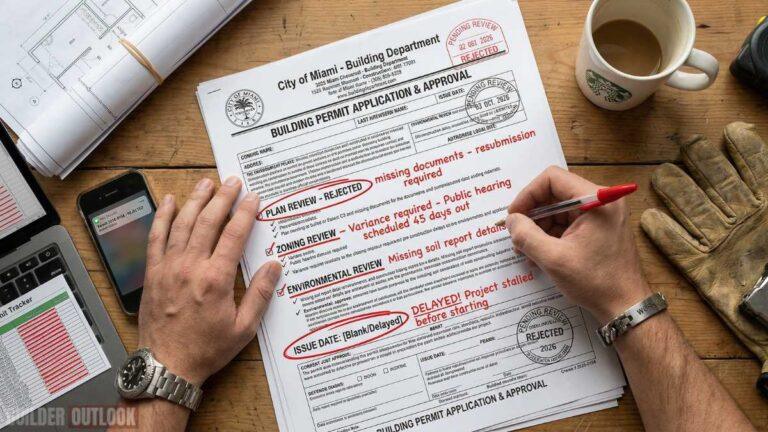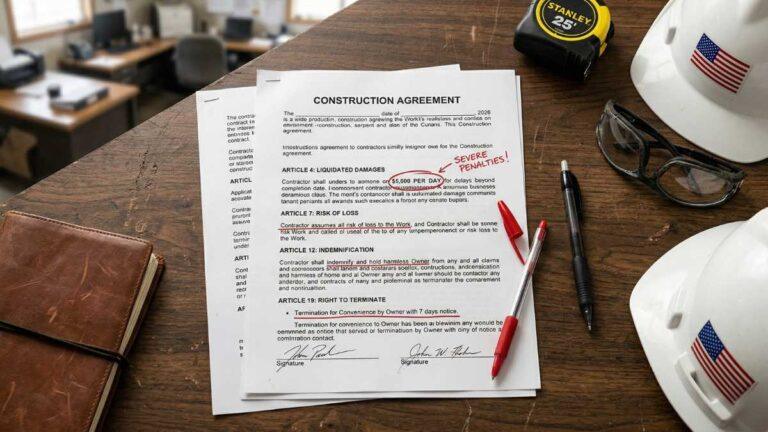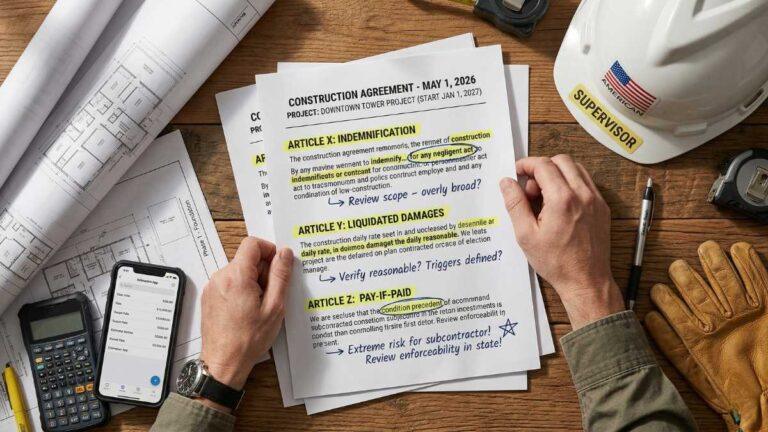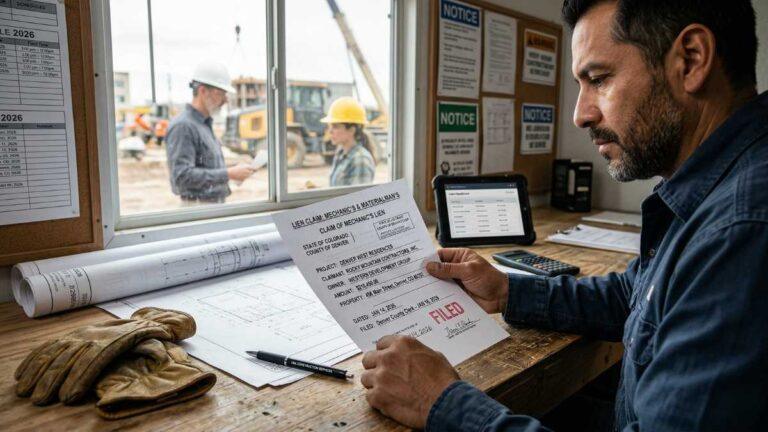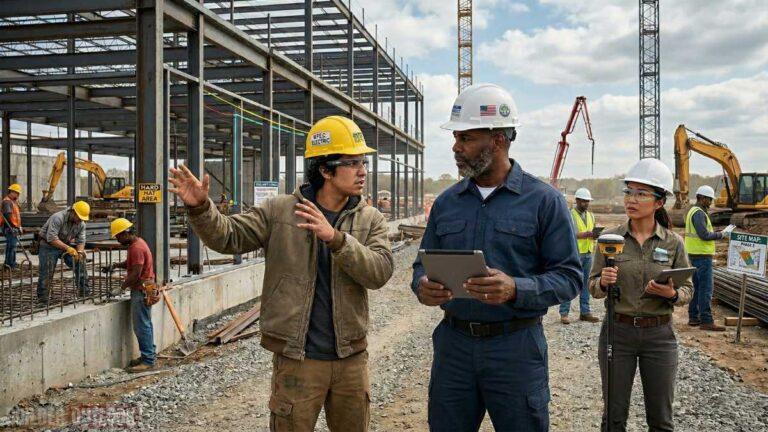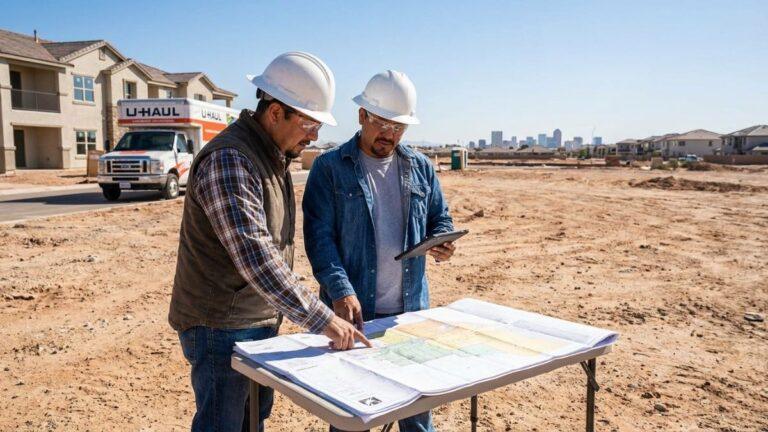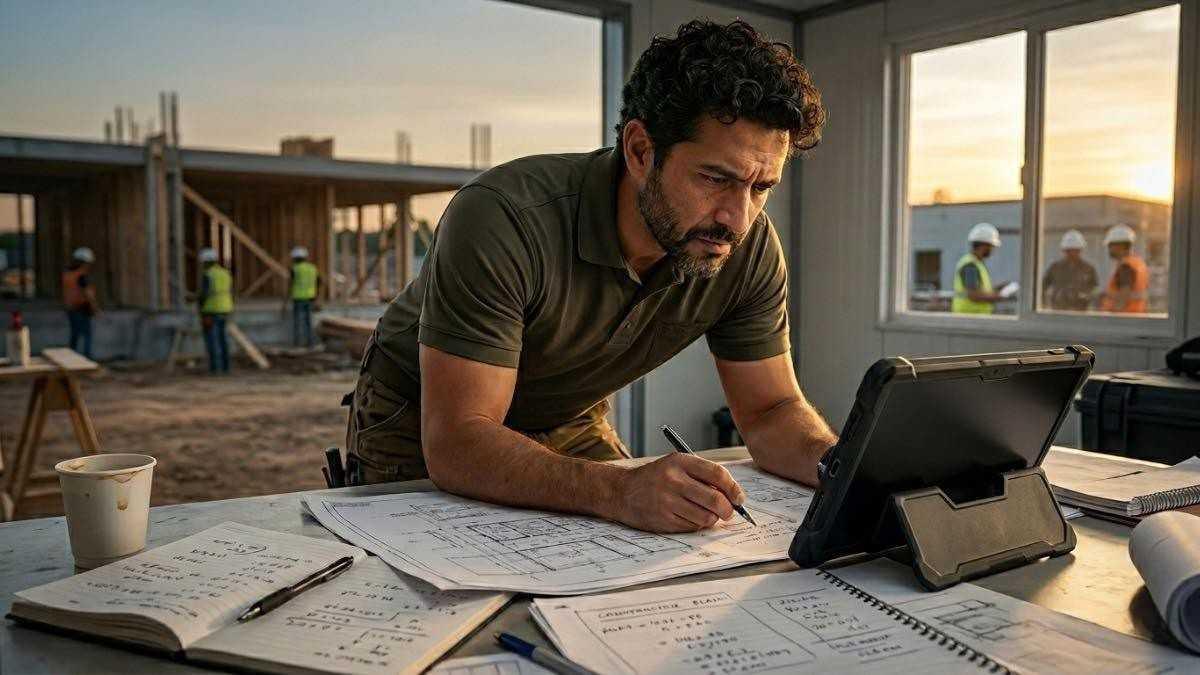
For decades, construction disputes in the United States have been associated with what happens on the job site. Delays, coordination failures, workmanship issues, and unforeseen conditions have traditionally been viewed as the primary triggers of conflict between contractors, owners, and subcontractors. While these factors still exist, the origin of disputes is shifting — and in 2026, the most critical failures are no longer starting in the field.
They are starting in estimating.
Across multiple U.S. markets, a pattern is becoming increasingly clear. Projects that appear structurally sound at the contract stage begin to deteriorate not because of execution mistakes, but because of assumptions made during the estimating process that were never fully validated. These assumptions become embedded in pricing, scope interpretation, schedule expectations, and subcontractor commitments.
Once the project moves into execution, these hidden gaps begin to surface.
What was assumed to be included is questioned.
What was priced becomes insufficient.
What was scheduled becomes unrealistic.
And at that point, the dispute is already inevitable.
The problem is not that estimating teams lack technical skill. The problem is that the environment in which estimates are produced has changed significantly. Incomplete information, compressed timelines, aggressive competition, and unstable market conditions are forcing contractors to make decisions based on uncertainty.
In this context, estimating is no longer just about calculating cost.
It is about managing risk before it becomes contractual.
This article examines why the next wave of construction disputes in the United States is being created during estimating, how these disputes develop over time, and what contractors must change to protect themselves before the first shovel hits the ground.
HOW ESTIMATING HAS BECOME THE FIRST POINT OF FAILURE
Estimating has traditionally been viewed as a technical discipline focused on quantity takeoffs, labor productivity, material pricing, and subcontractor quotes. While these elements remain essential, they no longer capture the full scope of risk embedded in modern construction projects.
In 2026, estimating operates under conditions of uncertainty that extend beyond numbers.
Project documents are often incomplete at bid stage.
Designs are evolving while pricing is being developed.
Subcontractor input may be limited or inconsistent.
Material costs can shift between bid and procurement.
Under these conditions, estimators are forced to fill gaps with assumptions.
These assumptions are rarely documented in a way that survives contract execution. They exist in spreadsheets, internal notes, or verbal discussions — but not always in the final agreement. Once the contract is signed, the project is no longer governed by what was assumed. It is governed by what is written.
This creates a disconnect between estimating logic and contractual reality.
When execution begins, the project follows the contract — not the estimate.
And that is where disputes begin.
THE HIDDEN ASSUMPTIONS THAT TRIGGER DISPUTES
Most disputes that originate in estimating are not caused by obvious errors. They are caused by assumptions that were never fully aligned with the contract.
One of the most common examples is scope interpretation.
Estimators may interpret drawings in a way that differs from the owner or design team. If these interpretations are not explicitly clarified in the bid or contract, they become points of conflict later. What one party believes is included, another may consider excluded.
Another critical area is quantity assumptions.
In fast-paced bidding environments, estimators may rely on preliminary quantities or incomplete data. If actual quantities differ significantly during execution, cost discrepancies emerge that were not accounted for in the original price.
Labor productivity is another major variable. Estimates often assume certain productivity rates based on ideal conditions. In reality, site constraints, coordination issues, and external factors may reduce efficiency. Without contractual mechanisms to address this, the contractor absorbs the impact.
Subcontractor quotes also introduce risk. If subcontractors provide incomplete or aggressive pricing without fully understanding scope, those gaps become the responsibility of the general contractor once the contract is executed.
These assumptions are not mistakes.
They are structural vulnerabilities.
More from Builder Inteligence

WHY THE CURRENT MARKET MAKES THIS PROBLEM WORSE
The construction market in the United States is amplifying the impact of estimating-related risk.
Competition remains strong in many regions, pushing contractors to submit aggressive bids to secure work. This often leads to tighter margins and less room for error.
At the same time, project timelines are becoming more compressed. Owners expect faster delivery, which reduces the time available for thorough analysis during estimating.
Design-build and fast-track project delivery methods are also contributing to the issue. While these approaches can improve efficiency, they often require contractors to price projects before designs are fully developed.
Material volatility remains a factor, even if less extreme than in previous years. Price fluctuations between bid and procurement can create gaps that were not anticipated during estimating.
Labor constraints further complicate the situation. Availability of skilled labor varies by region, affecting both cost and productivity assumptions.
All of these factors increase the reliance on assumptions during estimating.
And every assumption is a potential dispute.
HOW DISPUTES ACTUALLY DEVELOP FROM ESTIMATING DECISIONS
The transition from estimating assumptions to formal disputes does not happen immediately. It follows a predictable progression.
It begins with misalignment.
During execution, the contractor identifies a discrepancy between what was estimated and what is required. This may involve additional work, increased quantities, or unexpected conditions.
The next phase is internal pressure.
Project teams attempt to absorb the impact through adjustments, reallocation of resources, or negotiation with subcontractors. In some cases, these efforts are successful. In others, they only delay the problem.
As the gap widens, the issue becomes formal.
The contractor submits a request for additional compensation or time. The owner or client evaluates the request based on the contract, not the estimate.
If the contract does not support the claim, the request is denied.
At this point, the situation escalates into a dispute.
The root cause is often traced back to estimating, but by then, the cost of resolution is significantly higher.
WHAT HIGH-PERFORMANCE CONTRACTORS DO DIFFERENTLY IN ESTIMATING
Contractors operating at a high level have adapted their estimating processes to address these risks.
They treat estimating as a risk management function, not just a pricing exercise.
One of the key changes is documentation of assumptions. Instead of keeping assumptions internal, they are explicitly included in proposals and, when possible, incorporated into contract language. This creates alignment between estimating logic and contractual obligations.
Another critical practice is cross-functional review. Estimating teams work closely with operations, project management, and legal teams to validate assumptions and identify potential risks before submission.
High-performance contractors also invest more time in scope clarification. They engage with design teams and owners during the bidding process to resolve ambiguities and reduce uncertainty.
Subcontractor input is carefully evaluated. Instead of accepting quotes at face value, contractors analyze scope coverage, exclusions, and capacity to ensure alignment.
Finally, they use historical data to inform estimates. By tracking performance across projects, they refine assumptions and improve accuracy over time.
THE ROLE OF CONTRACT STRUCTURE IN PROTECTING ESTIMATES
Even the most accurate estimate cannot eliminate risk entirely. This is where contract structure becomes critical.
Contracts must reflect the realities of the estimate.
This includes clearly defined scope boundaries, mechanisms for handling changes, and provisions for addressing unforeseen conditions.
Federal guidelines and best practices available through institutions such as the U.S. General Services Administration provide insight into how contracts can be structured to manage risk effectively, particularly in public projects.
Contractors who align their estimates with contract language reduce the gap between expectation and execution.
This does not eliminate disputes.
But it makes them manageable.
The construction industry in the United States is entering a phase where the most critical decisions are no longer made on the job site.
They are made before the contract is signed.
Estimating has become the first line of defense against disputes, and contractors who fail to adapt will continue to face conflicts that originate from assumptions rather than execution.
The next wave of disputes will not be caused by what happens in the field.
They will be caused by what was assumed before the project even began.
Builder Inteligence
Frequently Asked Questions
1. Why are construction disputes starting in estimating?
Because assumptions made during estimating are not always aligned with contract terms, creating conflicts during execution.
2. What are the most common estimating-related risks?
Scope interpretation, quantity assumptions, labor productivity, and subcontractor pricing gaps.
3. Can better estimating eliminate disputes?
No, but it significantly reduces their likelihood by improving alignment and clarity.
4. How can contractors protect themselves during estimating?
By documenting assumptions, validating scope, and aligning estimates with contract language.
5. What role do contracts play in this issue?
Contracts determine how risks are handled, so alignment between estimates and contract terms is essential.
6. Why is this problem worse in 2026?
Because of increased market volatility, compressed timelines, and incomplete project documentation.
7. Should estimating teams work with other departments?
Yes, cross-functional collaboration improves risk identification and decision-making.
8. What is the biggest mistake contractors make in estimating?
Relying on undocumented assumptions that are not reflected in the contract.