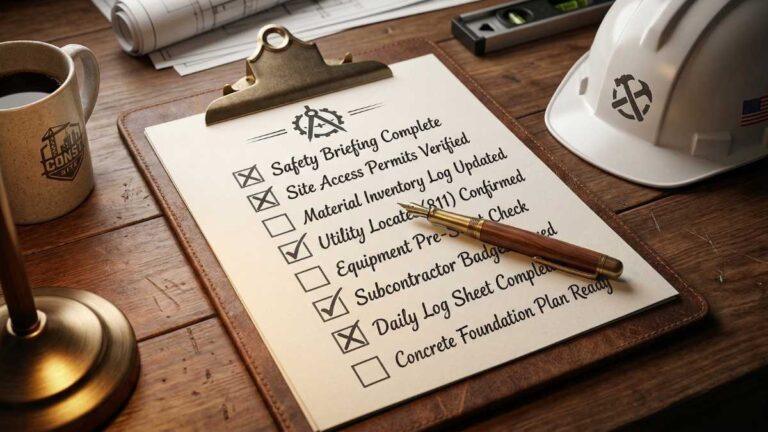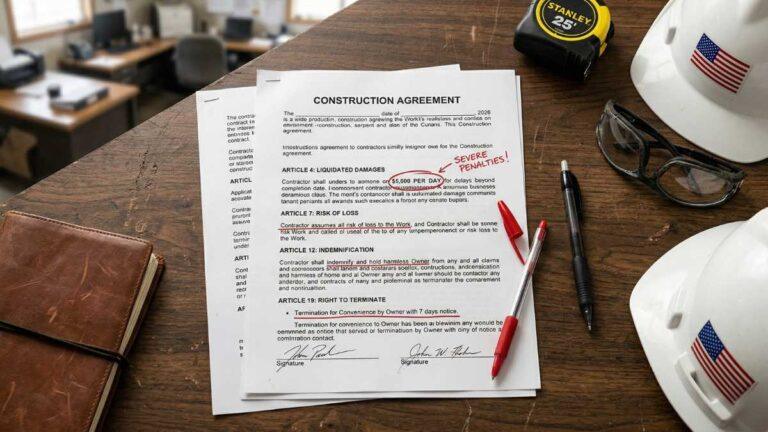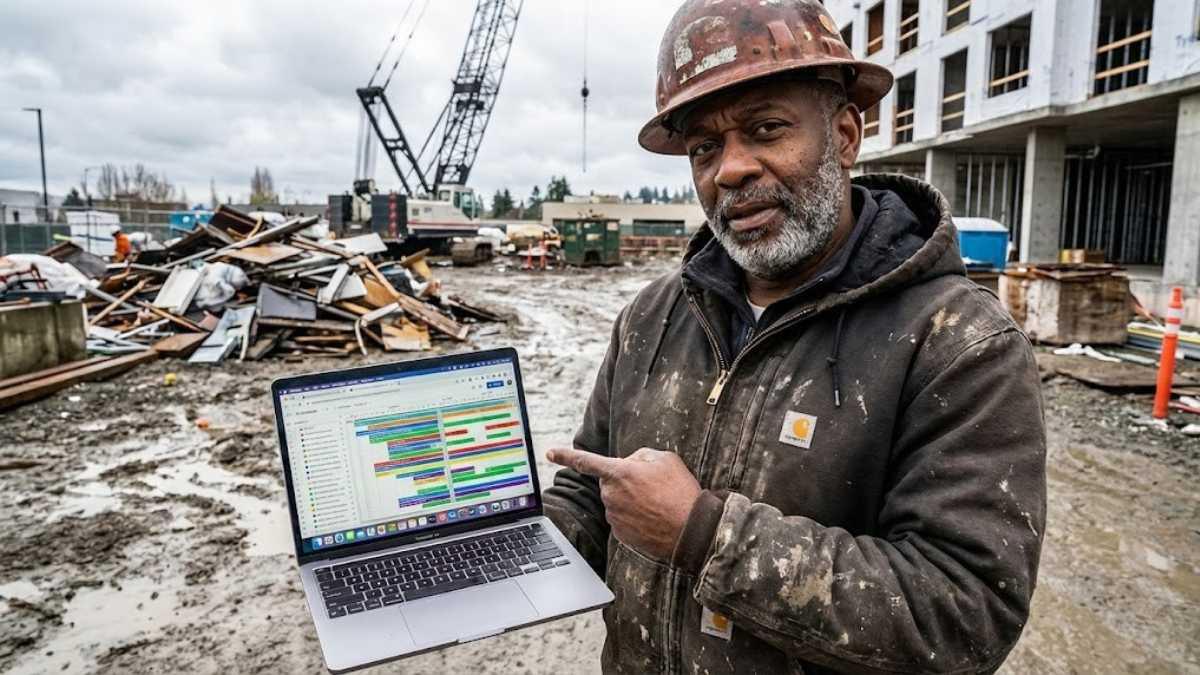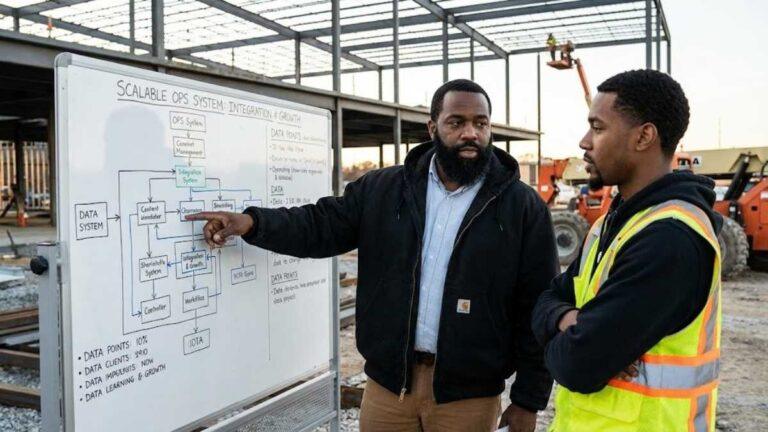
The first 30 days on a construction jobsite determine whether a new hire becomes an asset or a liability. Most mistakes that lead to rework, delays, and safety incidents do not happen because workers are unskilled. They happen because training is rushed, informal, or disconnected from real jobsite conditions. In 2026, contractors who reduce early-stage mistakes are those who treat training as an operational system, not an onboarding formality.
Effective training programs focus on error prevention, not speed. They recognize that early mistakes are expensive not only in cost but also in trust. Crews judge new hires quickly, and repeated errors isolate workers, reduce confidence, and accelerate turnover. The goal of training in the first month is not productivity. It is reliability.

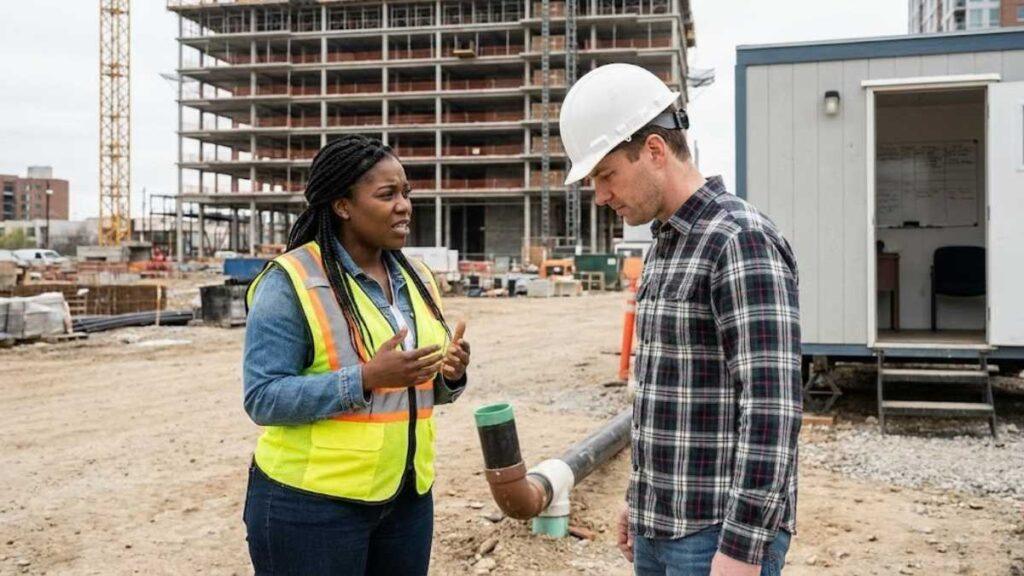
Why traditional onboarding fails to prevent early mistakes
Most onboarding programs are designed for compliance, not performance. Safety videos, policy manuals, and quick walkthroughs may check boxes, but they rarely prepare workers for the realities of live jobsites. This creates a dangerous gap between what workers are told and what they actually face.
Another failure point is information overload. New hires are often given too much information at once, without context or prioritization. Critical procedures get lost among less relevant details, increasing the likelihood of mistakes under pressure.
Finally, traditional onboarding assumes that learning happens passively. In reality, construction skills are learned through repetition, feedback, and observation. Without structured reinforcement, mistakes repeat themselves quickly.
What effective 30-day training programs do differently
Successful programs break training into phases. The first phase focuses on safety, communication, and jobsite flow rather than task mastery. New hires learn how work moves, who makes decisions, and how issues are escalated. This reduces confusion immediately.
The second phase introduces task-specific expectations with clear quality standards. Instead of vague instructions, workers are shown what “done right” looks like. Visual examples, supervised repetition, and real-time correction prevent small errors from becoming habits.
The final phase reinforces accountability and confidence. New hires are encouraged to ask questions, report issues, and slow down when unsure. This creates psychological safety, which directly reduces mistakes.
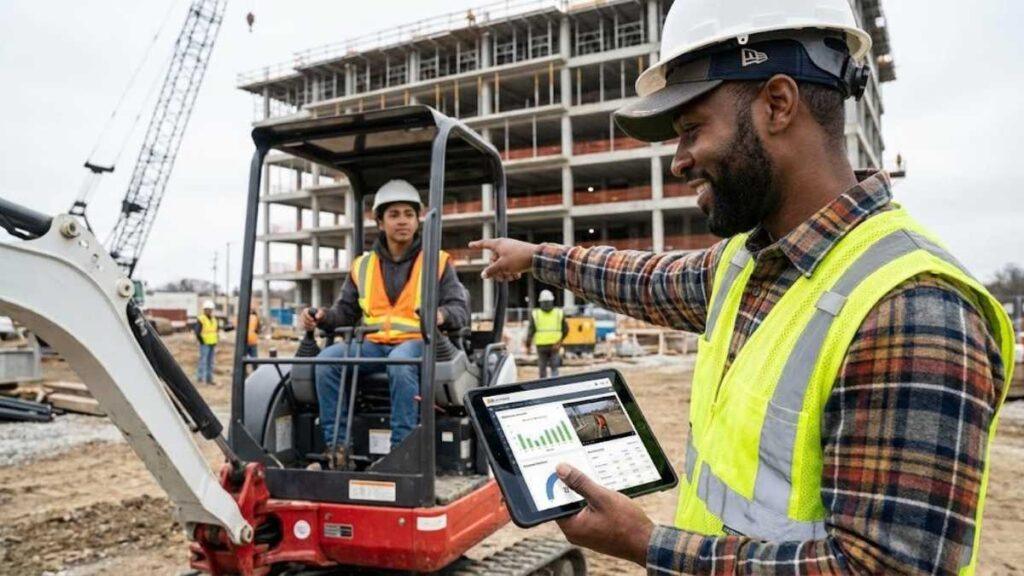
The role of supervisors and mentors in error reduction
Supervisors are critical to training success. Programs fail when supervisors are disengaged or overloaded. In high-performing contractors, supervisors are active participants in training, not passive observers.
Mentorship accelerates learning. Pairing new hires with experienced workers creates immediate feedback loops. Mentors model correct behavior, explain context, and intervene before errors escalate.
Consistency matters. When supervisors and mentors reinforce the same standards across crews, new hires adapt faster. Mixed messages create confusion and increase error rates.
Measuring training success beyond paperwork
Effective contractors track training outcomes, not attendance. They monitor rework incidents, safety observations, and supervision interventions during the first month. These metrics reveal whether training is working.
Feedback loops close the system. When early mistakes occur, training content is adjusted. This continuous improvement mindset keeps programs aligned with real jobsite conditions.
In 2026, training is no longer a cost center. It is a risk management tool that protects schedules, margins, and reputations.


FAQ – Training programs that actually reduce mistakes in the first 30 days
1. Why are the first 30 days so critical for new construction hires?
Because habits form quickly under pressure. Mistakes made early often repeat if not corrected, leading to rework, safety risks, and long-term performance issues.
2. What causes most early-stage mistakes on jobsites?
Lack of context, unclear expectations, and inconsistent supervision. Workers often know how to perform tasks but not how work flows on a specific site.
3. Are classroom-style trainings effective for construction workers?
Only when combined with hands-on reinforcement. Classroom training alone rarely prepares workers for live jobsite conditions and real-time decision-making.
4. How do mentors reduce mistakes faster than formal training?
Mentors provide immediate feedback, model correct behavior, and explain why standards matter, preventing small errors from becoming ingrained habits.
5. Should productivity be a goal in the first 30 days?
No. Reliability and accuracy should come first. Pushing productivity too early increases error rates and long-term inefficiency.
6. How can small contractors implement effective training programs?
By standardizing expectations, using experienced workers as mentors, and focusing on jobsite-specific workflows rather than generic onboarding.
7. What metrics indicate training success?
Reduced rework, fewer safety observations, and decreased supervisor intervention during the first month are strong indicators.
8. Why is training considered risk management in 2026?
Because early mistakes directly impact schedules, costs, and safety. Preventing them protects margins and reputation in competitive markets.