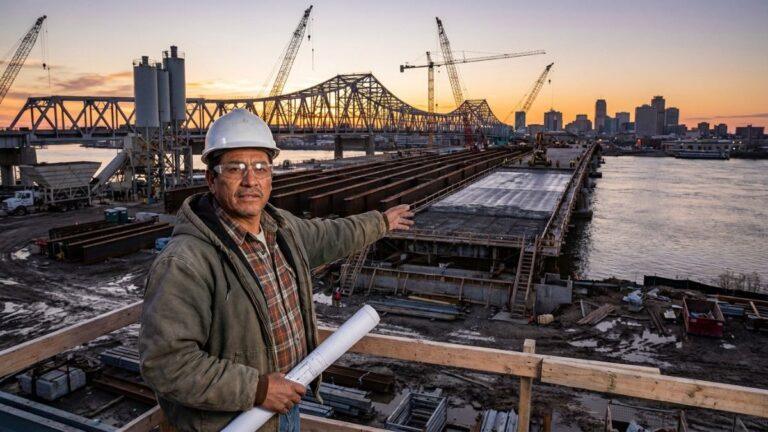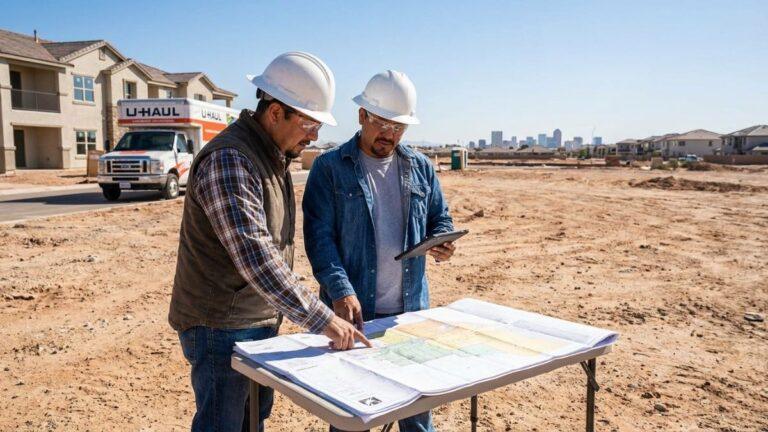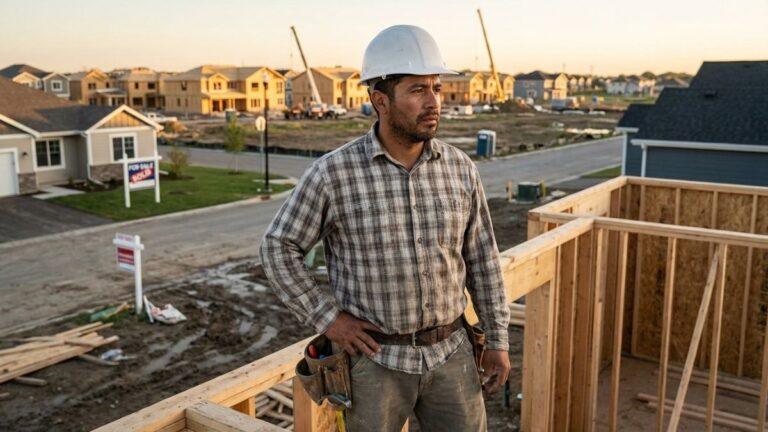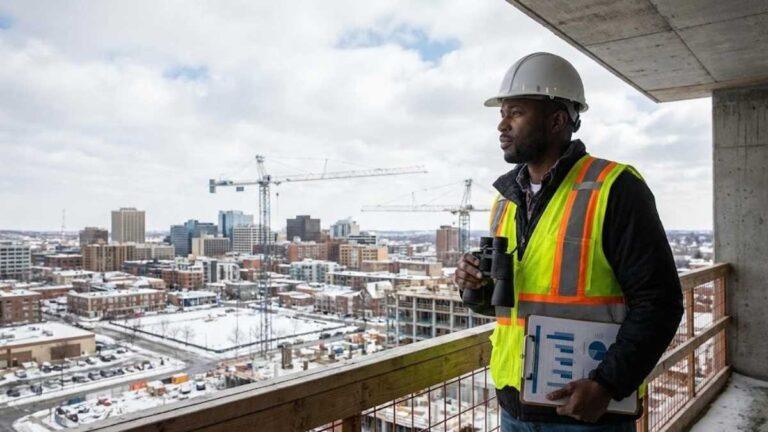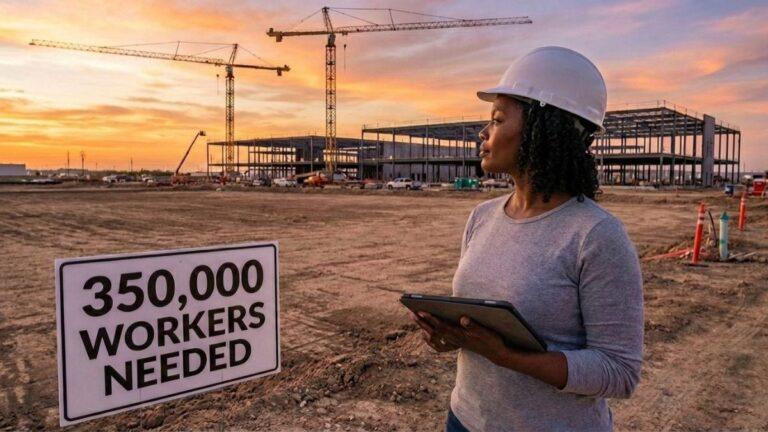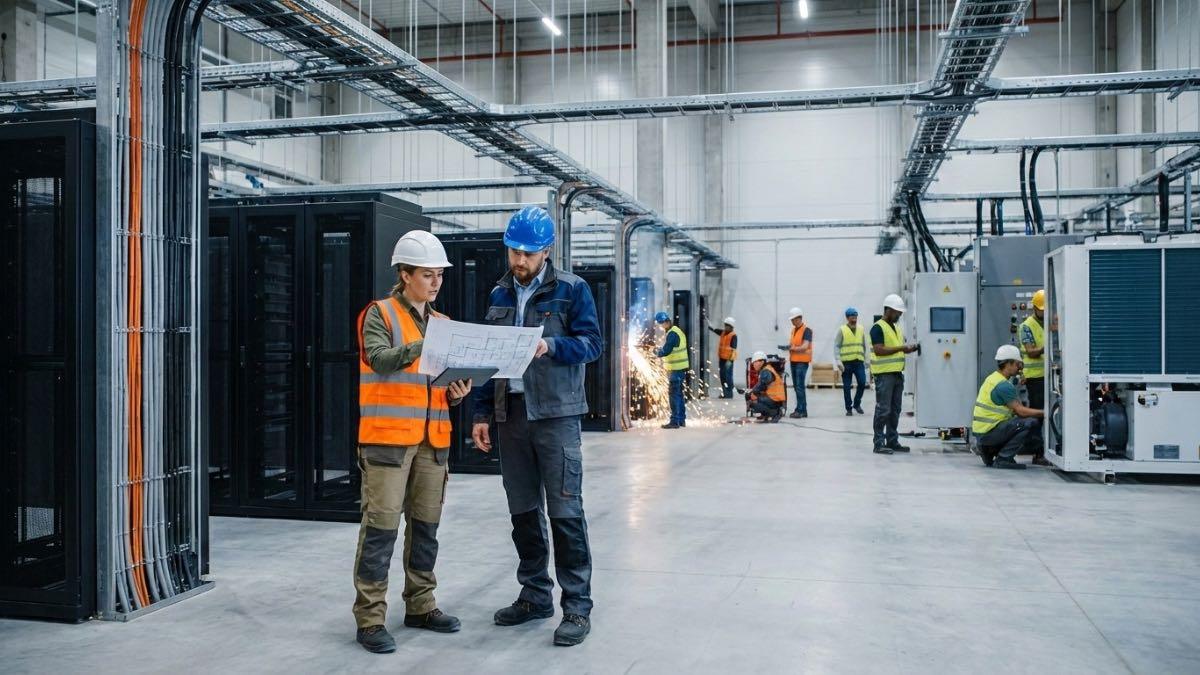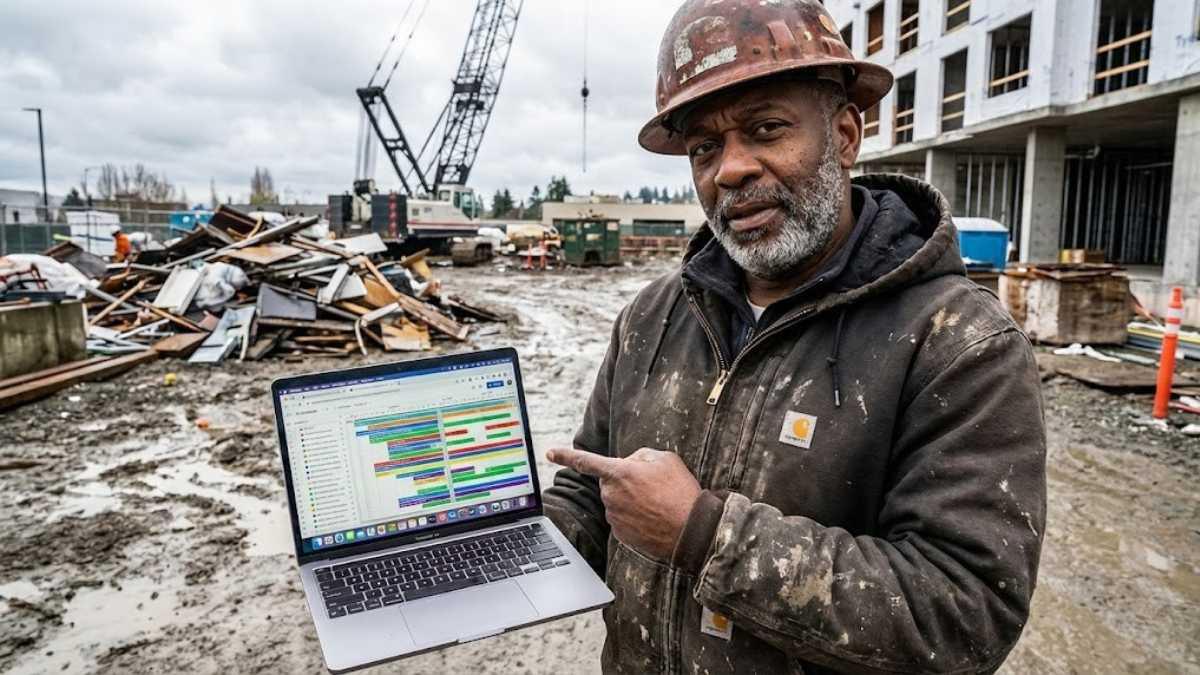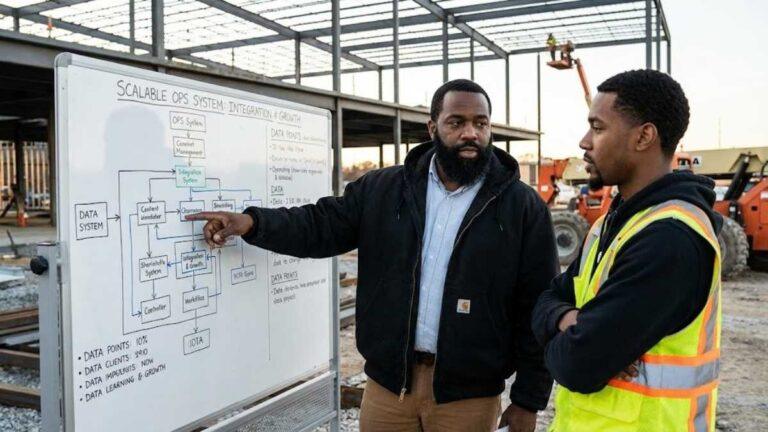
The subcontractor shortage in the United States is no longer a temporary imbalance. It has become a structural constraint that directly determines which projects move forward and which stall indefinitely. In 2026, general contractors are not competing only on price or schedule. They are competing on access to reliable subcontractors, and that access is becoming one of the most valuable assets in the construction business.
Many pipelines look healthy on paper but collapse in execution because subcontractor capacity was assumed instead of secured. Protecting the pipeline now requires deliberate strategy, long-term relationship management, and operational discipline that extends far beyond bid day.
Why subcontractor availability is tightening across markets
The shortage is driven by multiple forces converging at the same time. Infrastructure and industrial projects are absorbing subcontractor capacity at scale, pulling crews away from residential and light commercial work. At the same time, demographic shifts and retirements continue to shrink the skilled labor base, while training pipelines fail to replenish it fast enough.
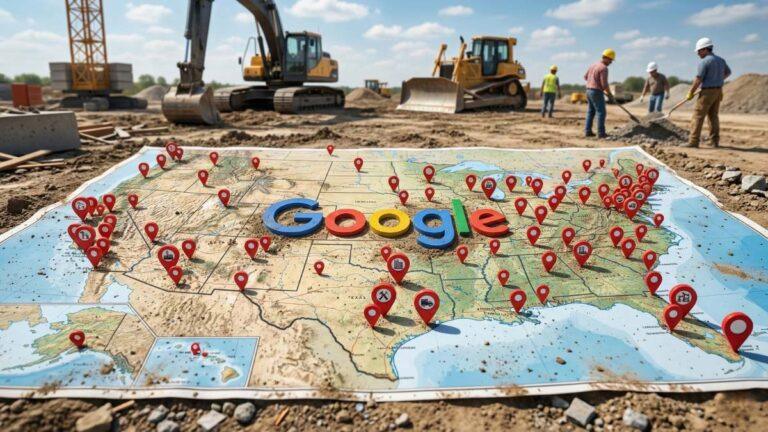
Geography amplifies the problem. High-growth states such as Texas, Florida, Arizona, Georgia, and North Carolina concentrate demand faster than subcontractor ecosystems can expand. In these markets, subcontractors are selective, prioritizing contractors who offer predictability, professionalism, and long-term volume.
As a result, availability is no longer evenly distributed. Some contractors face constant shortages while others maintain stable crews. The difference is rarely luck. It is structure, reputation, and relationship strategy.
How subcontractors choose who gets priority
Subcontractors now evaluate general contractors the same way contractors evaluate owners. They assess payment reliability, scheduling discipline, communication quality, and project management maturity. Contractors who create chaos are quietly deprioritized, regardless of how much work they promise.
Payment terms matter more than ever. Slow payers, inconsistent billing, or disputed change orders signal risk. In contrast, contractors who pay on time and resolve issues quickly become preferred partners, even if their bids are not always the highest.
Consistency also plays a major role. Subcontractors favor contractors who offer steady work over sporadic opportunities. A predictable pipeline is more attractive than a single large project, especially under capacity constraints.
Building pipeline protection before bids are released
Protecting the pipeline starts long before estimating begins. Contractors must treat subcontractor relationships as strategic assets, not transactional resources. This means ongoing communication, early involvement, and transparency about upcoming work.
Early engagement allows subcontractors to plan capacity instead of reacting at the last minute. Sharing schedules, scopes, and future opportunities builds trust and increases the likelihood of commitment when projects go live.
Contractors who wait until bid day to secure subs often discover that availability has already been allocated elsewhere. By then, pricing leverage is gone and risk increases dramatically.
Operational discipline as a competitive Advantage
Operational maturity has become a form of currency. Subcontractors gravitate toward contractors who run organized jobsites, enforce clear scopes, and manage change proactively. These behaviors reduce friction and protect margins on both sides.
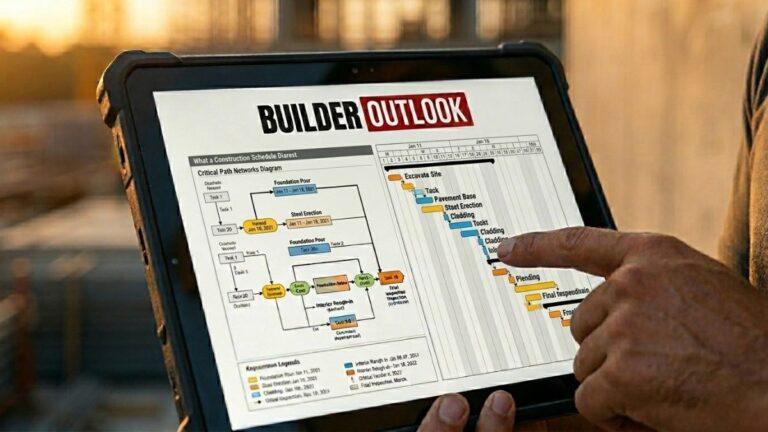
Technology supports this discipline but does not replace it. Clear schedules, accurate drawings, coordinated scopes, and realistic timelines are more valuable than any software platform when capacity is tight.
In 2026, the contractors who protect their pipelines are those who look safe to work with. Safety, in this context, means predictability, professionalism, and respect for subcontractor constraints.

FAQ – The subcontractor shortage: how to protect your pipeline
1. Why is the subcontractor shortage getting worse instead of stabilizing?
The shortage is structural, driven by infrastructure spending, industrial expansion, retirements, and limited training pipelines. Demand continues to outpace the ability of subcontractor markets to scale, especially in high-growth U.S. regions.
2. How does subcontractor availability impact project pipelines?
Without secured subcontractors, projects stall after award or fail to launch entirely. Availability now determines execution capacity, not just pricing, making it a critical pipeline risk factor.
3. What do subcontractors value most when choosing contractors?
They prioritize reliable payment, clear communication, realistic schedules, and organized project management. Contractors who reduce friction earn priority access to limited capacity.
4. Is paying more the best way to secure subcontractors?
Not always. While pricing matters, subcontractors often choose stability and professionalism over marginally higher rates, especially when capacity is constrained.
5. How early should subcontractors be engaged?
Ideally months before bids are released. Early engagement allows subcontractors to plan resources and increases commitment when projects move forward.
6. Can small contractors protect their pipelines effectively?
Yes. Smaller contractors often succeed by offering consistency, strong relationships, and operational clarity, which many larger firms struggle to maintain.
7. Does location affect subcontractor shortages?
Yes. Growth markets experience more severe shortages due to concentrated demand, making local relationships and GEO awareness critical for securing crews.
8. What is the biggest mistake contractors make with subcontractors?
Treating them as interchangeable commodities instead of long-term partners. This mindset destroys trust and limits access over time.