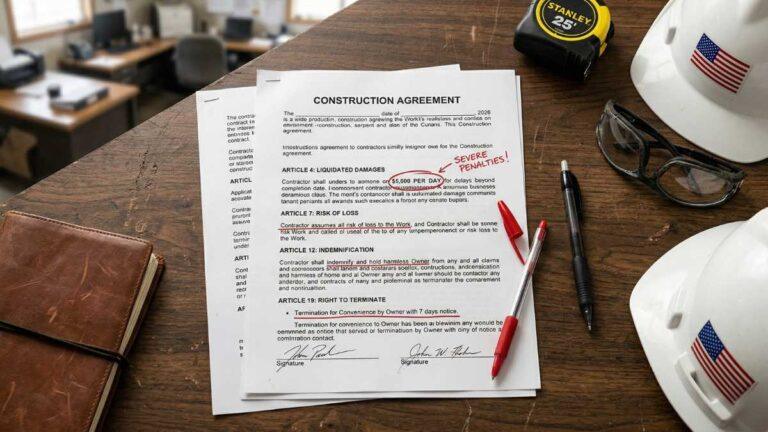
Construction contracts explained: are among the most important legal documents in the building industry. Every construction project—whether residential, commercial, or infrastructure—depends on clear agreements between project owners, contractors, subcontractors, and suppliers. These agreements define responsibilities, payment structures, timelines, and procedures for handling unexpected challenges during construction.
For contractors operating in the United States, understanding construction contracts is essential for protecting both financial interests and legal rights. Poorly written contracts or misunderstood clauses can lead to costly disputes, project delays, and even litigation. On the other hand, well-structured agreements create clear expectations and reduce the likelihood of conflicts between project participants.
Construction contracts also serve as risk management tools. Because building projects involve numerous uncertainties—including weather conditions, supply chain disruptions, design changes, and labor availability—contracts establish procedures for managing these risks.
Contract law governing construction agreements varies slightly between states, but many core principles are consistent across the country. Builders who understand these principles are better equipped to negotiate favorable agreements and avoid common legal pitfalls.
Industry guidance on construction contracts and legal practices can be found through organizations such as:
American Bar Association construction law resources
https://www.americanbar.org
and
American Institute Of Architects contract documents
These organizations publish widely used contract templates and legal guidance for construction professionals.
The structure of a construction contract
A construction contract typically begins with a general agreement section that identifies the parties involved in the project. This section names the property owner, the contractor, and sometimes the architect or project manager responsible for overseeing construction.
The contract then defines the scope of work, which describes in detail the construction tasks the contractor is responsible for completing. The scope of work may reference architectural drawings, engineering specifications, and technical documents that outline project requirements.
Payment terms are another critical component of construction contracts. These terms specify how and when contractors will receive payment for completed work. Payment structures may include progress payments tied to construction milestones, retainage provisions that hold back a portion of payment until project completion, and procedures for approving additional work.
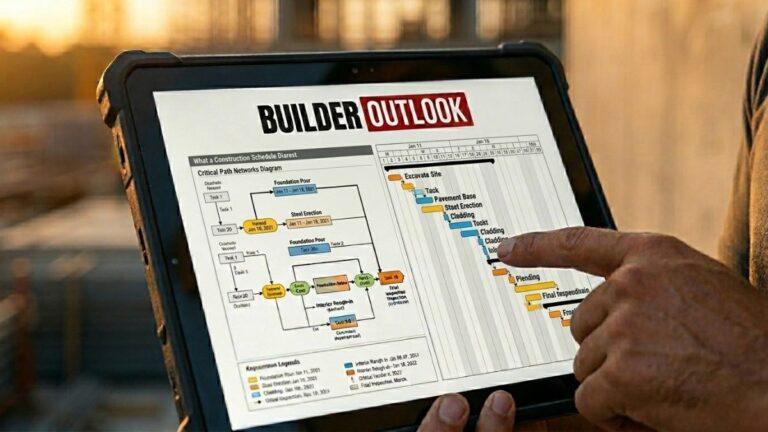
Project schedules are also defined within construction contracts. These schedules establish expected start dates, completion deadlines, and timelines for major construction phases.
By clearly defining these elements, contracts provide a roadmap for how construction projects will be executed.
Change orders and scope modifications
Construction projects rarely proceed exactly as originally planned. Design adjustments, unexpected site conditions, and client requests frequently require modifications to the original scope of work.
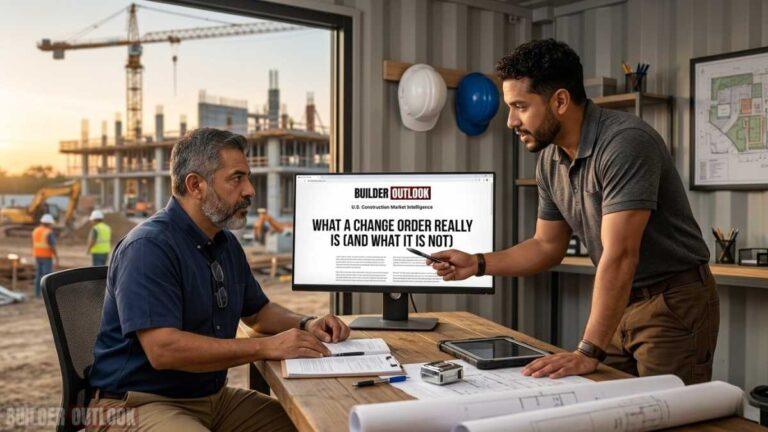
Change orders are the mechanism used to manage these modifications within construction contracts. A change order is a formal document that modifies the original agreement to reflect new project requirements.
Change orders typically include adjustments to project costs, revised timelines, and updated descriptions of work to be performed. Because these modifications affect project budgets and schedules, they must be documented carefully.
Contractors should never perform additional work outside the original contract without receiving written approval through a change order. Verbal agreements may create confusion and make it difficult to recover additional costs later.
Proper change order procedures help maintain transparency between contractors and project owners throughout the construction process.
More from Builder Inteligence

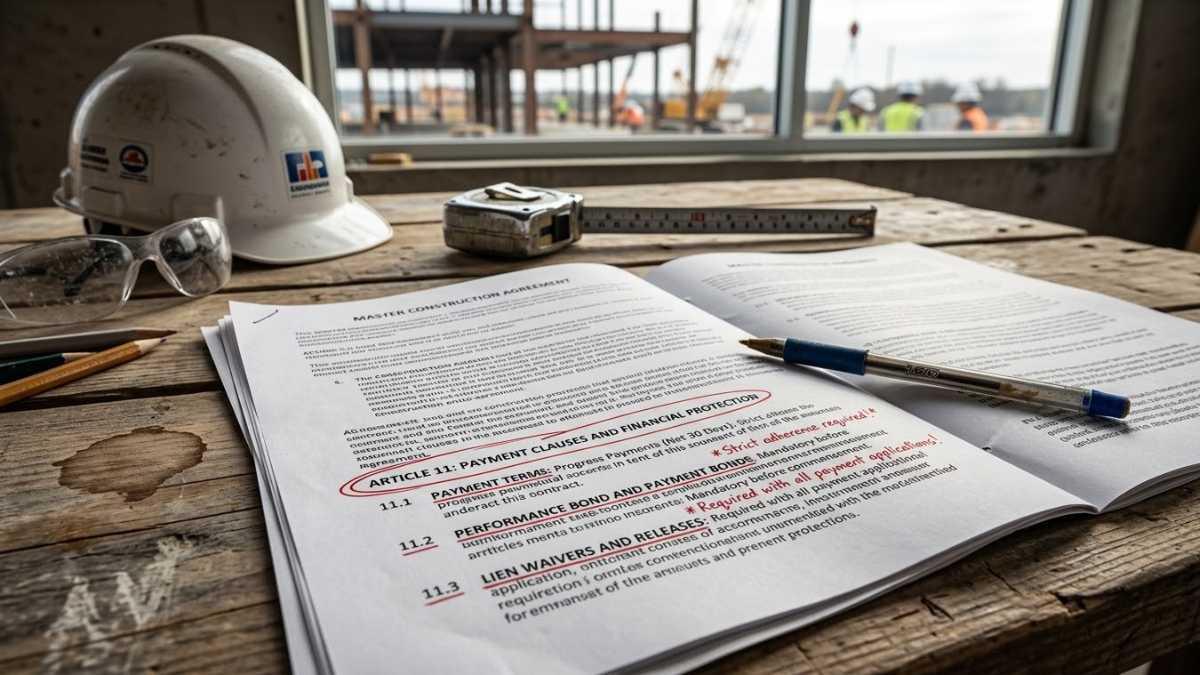
Payment clauses and financial protection-builder-outlook
Payment provisions within construction contracts determine how contractors receive compensation for their work. These clauses often include detailed procedures for invoicing, payment approval, and dispute resolution related to project finances.
Many construction contracts use progress payment systems that release funds as construction milestones are completed. For example, contractors may receive payments after completing foundation work, framing, roofing, and final inspections.
Retainage provisions are also common in construction contracts. Retainage refers to a percentage of payment withheld until the project is completed successfully. This practice helps ensure that contractors address any remaining issues before final payment is released.
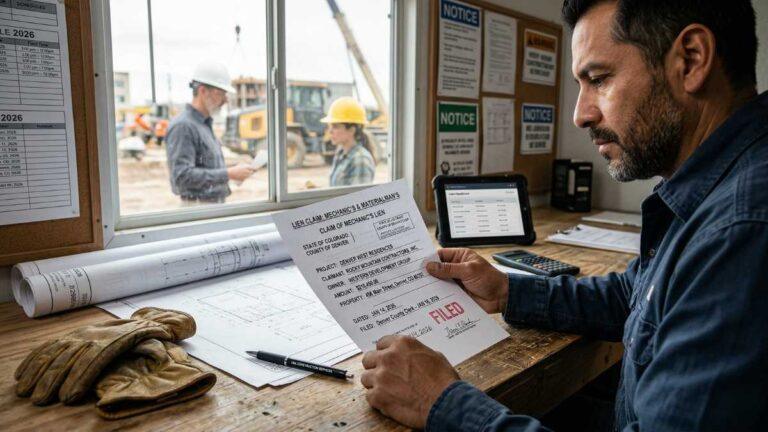
Prompt payment laws exist in many states to ensure that contractors and subcontractors receive payment within specific timeframes after completing work.
Contractors should carefully review payment clauses before signing contracts to ensure that payment schedules align with project cash flow requirements.
Dispute resolution and legal protections
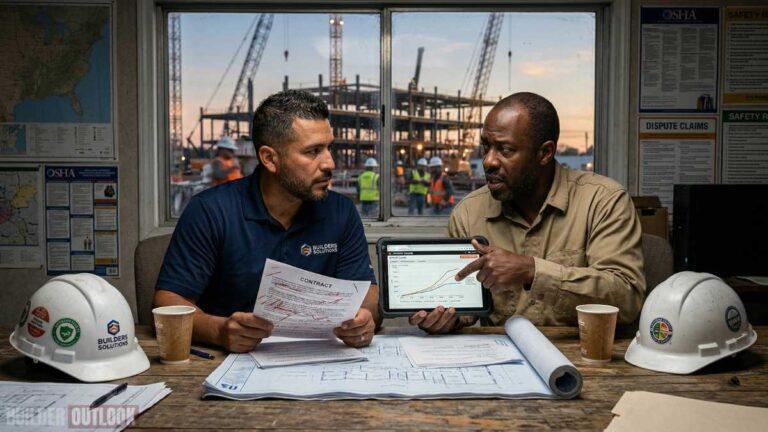
Even well-managed construction projects can encounter disputes between project participants. Disagreements may arise regarding payment issues, construction defects, delays, or interpretation of contract terms.
To address these situations, construction contracts typically include dispute resolution clauses that specify how conflicts will be handled.
Some contracts require mediation as a first step in resolving disputes. Mediation involves a neutral third party who helps both sides negotiate a mutually acceptable solution.
If mediation fails, contracts may require arbitration or litigation. Arbitration is a private legal process where an arbitrator reviews evidence and issues a binding decision. Litigation involves resolving disputes through the court system.
Including clear dispute resolution procedures within contracts helps prevent prolonged conflicts and reduces the financial impact of legal disagreements.
Protecting contractors through contract review
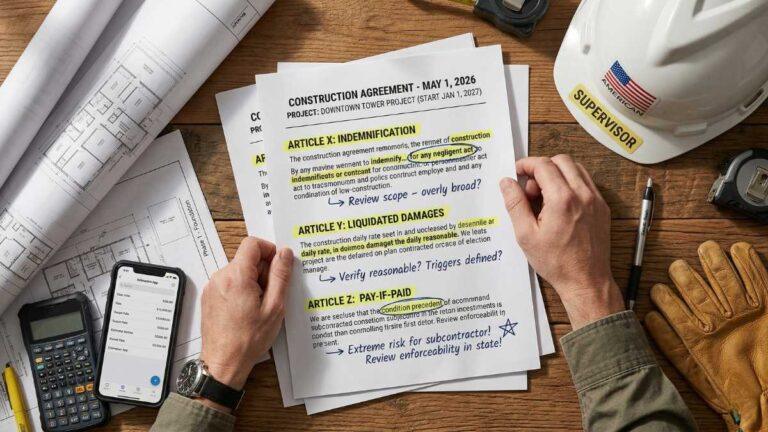
Contract review is one of the most important responsibilities contractors must perform before signing agreements. Builders should carefully examine contract language to ensure that responsibilities and risks are distributed fairly among project participants.
Some contracts contain clauses that shift excessive liability onto contractors, particularly regarding design responsibility or project delays beyond the contractor’s control. Contractors should identify these clauses and negotiate revisions when necessary.
Legal professionals specializing in construction law can assist contractors with reviewing complex agreements. These professionals help ensure that contract terms protect contractor interests while remaining compliant with applicable laws.
By approaching contract review as a strategic business activity, contractors can reduce risk exposure and strengthen long-term project relationships.
Builder Inteligence
Frequently Asked Questions
1. What is a construction contract?
A construction contract is a legally binding agreement that defines the responsibilities, payment terms, and project scope between parties involved in a construction project.
2. Why are construction contracts important?
Construction contracts establish clear expectations, protect financial interests, and provide procedures for resolving disputes during projects.
3. What is included in a construction contract?
Typical contracts include project scope, payment schedules, timelines, risk allocation clauses, and dispute resolution procedures.
4. What is a change order?
A change order is a formal modification to the original construction contract that adjusts project scope, costs, or timelines.
5. What is retainage in construction contracts?
Retainage is a portion of payment withheld until the contractor completes the project successfully.
6. How are disputes resolved in construction contracts?
Disputes may be resolved through mediation, arbitration, or court litigation depending on contract provisions.
7. Should contractors review contracts carefully before signing?
Yes. Contract review helps contractors identify unfavorable clauses and negotiate fair terms.
8. Where can contractors find standard contract templates?
Organizations such as the American Institute of Architects publish widely used contract document templates.