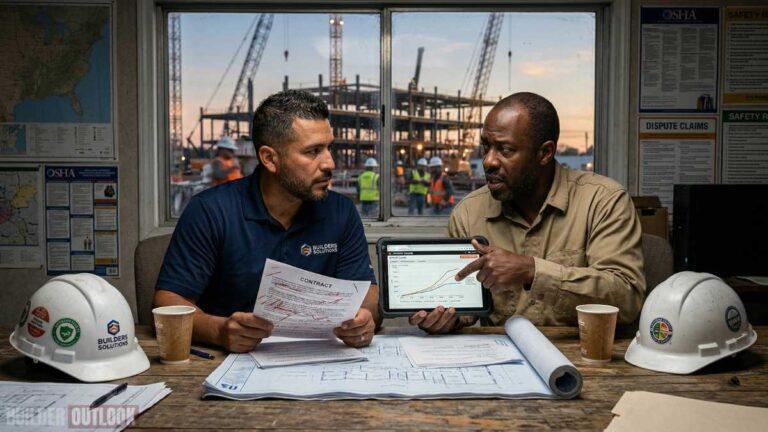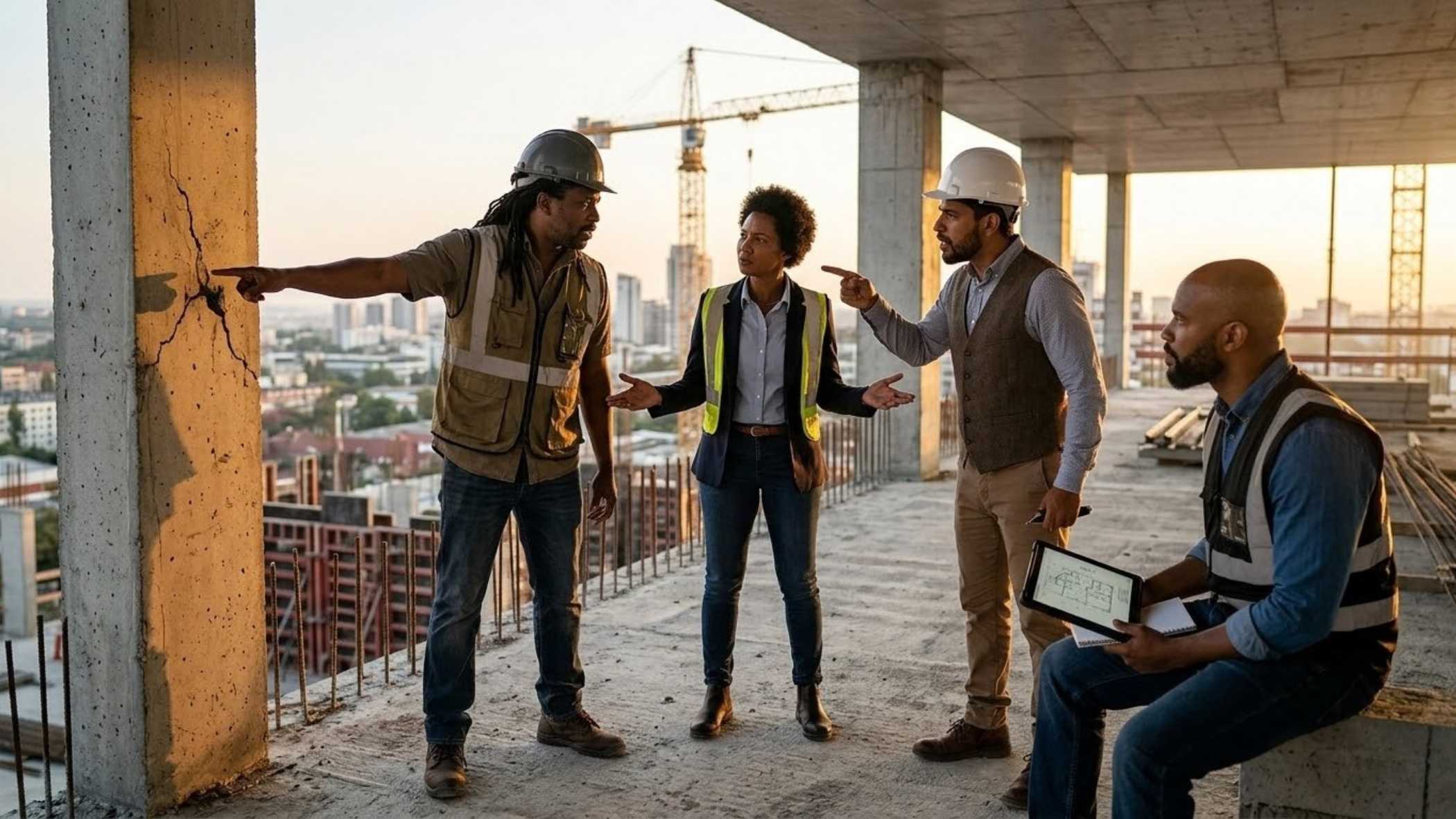
Disputes are an unfortunate but unavoidable reality in the construction industry. Even well-managed projects involving experienced professionals may encounter disagreements regarding payment, schedule delays, defective work, change orders, or contract interpretation. Because construction projects involve significant financial investments and complex contractual relationships, these disputes can quickly escalate if they are not handled properly. For this reason, construction contracts typically include detailed dispute resolution provisions that determine how conflicts between contractors and project owners will be resolved.
Dispute resolution clauses are designed to prevent conflicts from immediately escalating into expensive lawsuits. Instead, they establish structured processes that allow both parties to resolve disagreements through negotiation, mediation, arbitration, or litigation depending on the severity of the conflict. These mechanisms provide a framework for addressing disputes while minimizing disruption to the construction project.
For contractors operating in the United States construction industry, understanding dispute resolution methods is critical. Poorly managed disputes can result in project delays, legal expenses, damaged professional relationships, and long-term financial consequences. On the other hand, contractors who understand how these processes work can protect their rights while maintaining professionalism during difficult project situations.
Because construction contracts frequently involve multiple parties—including owners, general contractors, subcontractors, architects, engineers, and lenders—dispute resolution clauses must be carefully structured to ensure that conflicts can be resolved efficiently. Understanding these mechanisms allows contractors to evaluate contractual risk and prepare strategies for resolving disputes before they become major legal problems.
Why construction disputes happen so often
Construction disputes occur because construction projects are inherently complex. Every project involves hundreds of technical decisions, coordination between numerous trades, strict timelines, and large financial transactions. When unexpected conditions arise, disagreements can develop quickly regarding who is responsible for solving the problem and who must pay the associated costs.
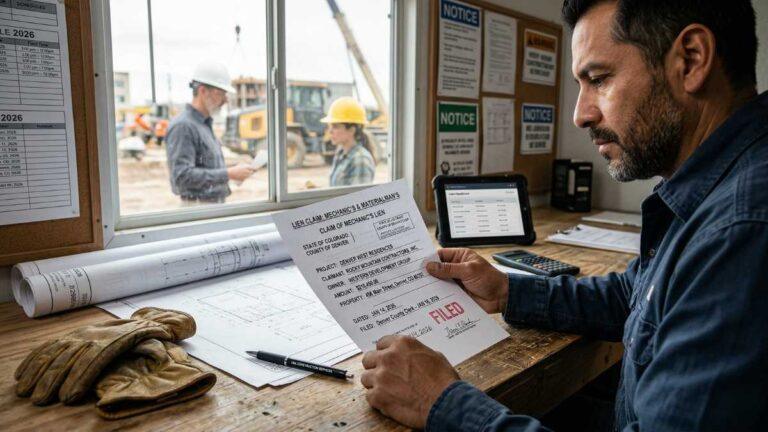
Payment disputes are among the most common sources of conflict. Contractors may claim that work has been completed and invoices should be paid, while project owners may argue that the work does not meet contractual requirements. Similarly, disagreements may occur regarding change orders, where contractors believe additional work should be compensated but owners dispute whether the work falls within the original scope.
Schedule delays also generate frequent disputes. Contractors may claim that delays were caused by design changes, regulatory approvals, or supply chain disruptions. Owners may argue that the contractor failed to manage resources properly.
Because these disagreements can affect project timelines and financial outcomes, construction contracts must include procedures for resolving disputes before they escalate into litigation.
Mediation as the first step in dispute resolution
Many construction contracts require disputes to begin with mediation, which is a structured negotiation process facilitated by a neutral third party. The mediator does not impose a decision but instead helps the parties communicate and explore possible solutions.
Mediation is often favored because it allows disputes to be resolved quickly and at relatively low cost. Construction professionals often prefer this approach because it preserves working relationships between contractors and owners while allowing both sides to reach a mutually acceptable solution.
The mediation process typically involves confidential meetings where each party presents its perspective on the dispute. The mediator then helps identify areas of compromise that may allow the conflict to be resolved without further legal proceedings.
Organizations such as the American Arbitration Association frequently administer mediation services for construction disputes.
American Arbitration Association
https://www.adr.org
Although mediation does not guarantee a resolution, many disputes are successfully resolved during this stage, allowing construction projects to continue without major interruptions.
Arbitration in construction contracts
If mediation fails to resolve the dispute, the contract may require the parties to proceed to arbitration. Arbitration is a more formal dispute resolution process in which an independent arbitrator reviews the evidence and issues a binding decision.
Unlike mediation, arbitration results in a final determination that both parties must follow. The arbitrator typically has expertise in construction law or engineering, allowing technical disputes to be evaluated by professionals familiar with the industry.
Arbitration proceedings are generally faster and less expensive than traditional litigation. Because arbitration hearings are private, they also provide greater confidentiality compared to court proceedings.
Many construction contracts specify arbitration rules administered by organizations such as the American Arbitration Association or JAMS.
JAMS Arbitration Services
https://www.jamsadr.com
For contractors, arbitration can provide an efficient method of resolving disputes while avoiding the complexity and public exposure of courtroom litigation.

Litigation as the final dispute resolution method
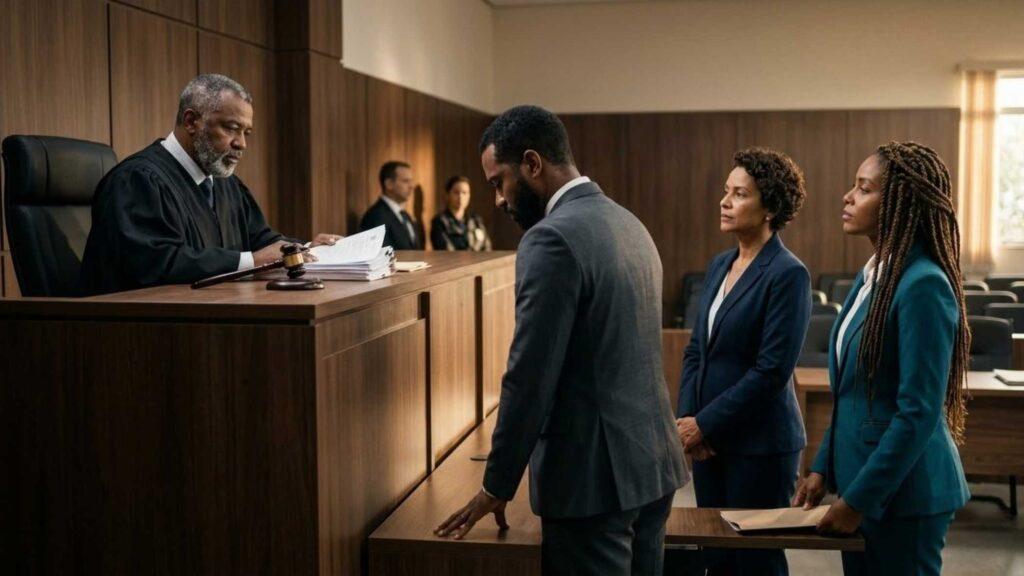
When disputes cannot be resolved through mediation or arbitration—or when the contract allows direct legal action—the parties may pursue litigation in court. Litigation is the most formal and often the most expensive method of dispute resolution in construction projects.
Court proceedings involve extensive documentation, witness testimony, expert analysis, and legal arguments presented before a judge or jury. Because construction disputes often involve technical engineering issues and complex financial calculations, litigation can become lengthy and costly.
However, litigation may sometimes be necessary when disputes involve large financial claims, allegations of fraud, or situations where arbitration clauses are absent or unenforceable.
Contractors should understand that litigation can significantly disrupt project operations and damage professional relationships. For this reason, most construction contracts attempt to resolve disputes through alternative methods before resorting to court proceedings.
Why dispute resolution clauses must be negotiated carefully
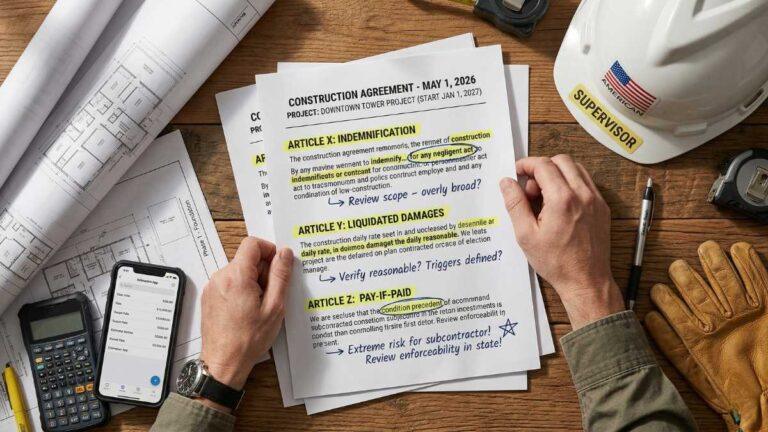
The dispute resolution clause in a construction contract determines how conflicts will be handled if they arise. Contractors must review these provisions carefully before signing the agreement.
Some contracts require mandatory arbitration, meaning that disputes cannot be taken to court. Others require mediation before arbitration or litigation can begin. Contractors should understand the implications of each approach before agreeing to the contract.
Another important consideration involves the location of dispute resolution proceedings. Some contracts require arbitration or litigation to occur in specific jurisdictions, which may increase travel costs and legal expenses.
Contractors should also evaluate the selection process for mediators or arbitrators. Ensuring that dispute resolution professionals have experience in construction projects can improve the fairness and efficiency of the process.
By addressing these issues during contract negotiations, contractors can establish dispute resolution procedures that protect their interests while minimizing potential conflicts.
Why dispute management is a key skill for contractors
Successful construction companies understand that dispute management is an important part of project leadership. Contractors must balance assertiveness in protecting their contractual rights with professionalism that preserves long-term relationships within the industry.
Clear documentation, strong communication, and proactive problem solving often prevent disputes from escalating. When conflicts do arise, contractors who understand dispute resolution procedures can respond effectively without jeopardizing the success of the project.
Ultimately, dispute resolution clauses serve as essential safeguards within construction contracts. They provide structured mechanisms for resolving disagreements while allowing projects to move forward even when challenges occur.
For contractors, mastering the legal and procedural aspects of dispute resolution is just as important as managing schedules, budgets, and labor on the jobsite.


FAQ – Construction dispute resolution methods: mediation, arbitration, and litigation explained for contractors
1. What is dispute resolution in construction contracts?
Dispute resolution refers to the procedures defined in construction contracts for resolving disagreements between contractors, project owners, and other project participants.
2. What is mediation in construction disputes?
Mediation is a voluntary negotiation process where a neutral third party helps the parties reach a mutually acceptable solution without imposing a final decision.
3. What is arbitration in construction contracts?
Arbitration is a formal dispute resolution process where an independent arbitrator reviews the evidence and issues a binding decision that both parties must follow.
4. Why do construction contracts prefer mediation or arbitration over litigation?
Alternative dispute resolution methods are typically faster, less expensive, and more private than traditional court proceedings.
5. When is litigation necessary in construction disputes?
Litigation may occur when arbitration clauses are absent, when large financial claims are involved, or when allegations of fraud or serious misconduct arise.
6. Who administers construction arbitration proceedings?
Organizations such as the American Arbitration Association and JAMS frequently administer arbitration services for construction disputes.
7. Can contractors negotiate dispute resolution clauses?
Yes. Contractors often negotiate the sequence of mediation, arbitration, or litigation procedures during contract discussions.
8. Why are dispute resolution clauses important in construction contracts?
These clauses establish clear procedures for resolving conflicts, helping prevent costly litigation and project disruptions.