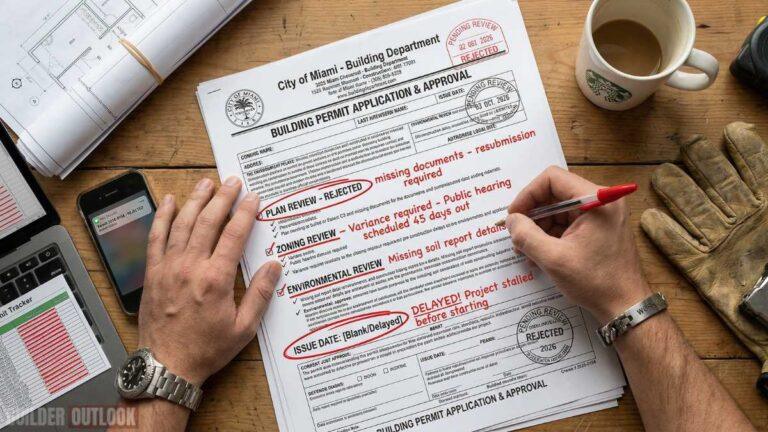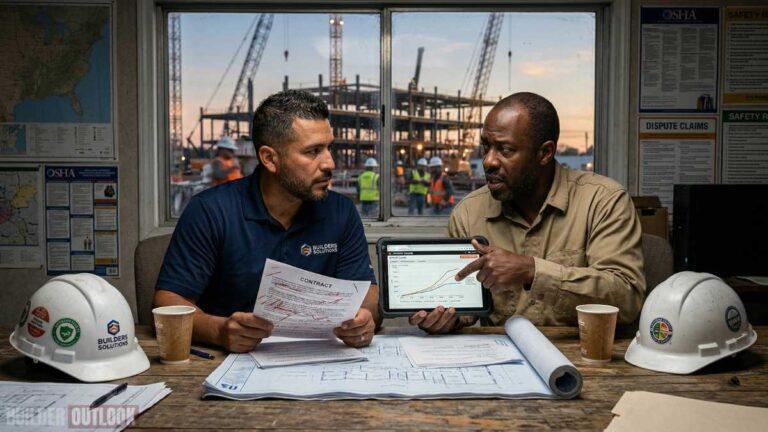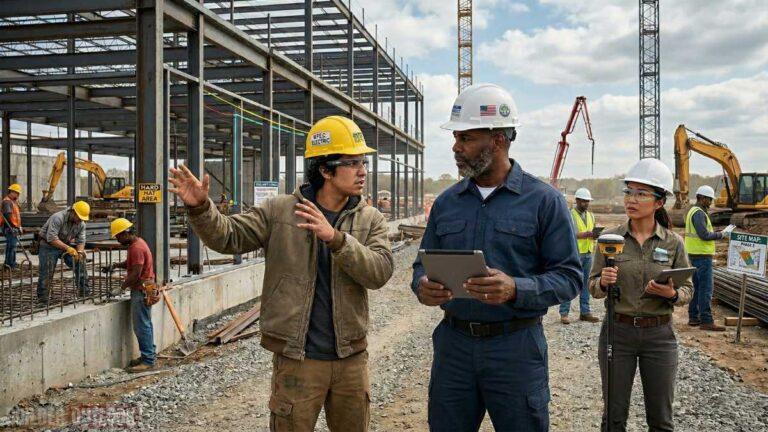
Contract negotiation is one of the most critical yet underestimated phases of any construction project. While many contractors focus primarily on estimating costs, scheduling labor, and securing materials, the legal terms written into the construction contract ultimately determine how risk is distributed between the contractor and the project owner. A poorly negotiated contract can expose contractors to financial penalties, unexpected liabilities, and operational restrictions that make successful project execution significantly more difficult.
In the United States construction industry, contracts are often drafted by project owners, developers, or their legal teams. These documents are frequently designed to transfer as much risk as possible to the contractor. Without careful review and negotiation, contractors may unknowingly accept clauses that impose excessive responsibilities, limit their ability to recover costs, or expose them to financial penalties for circumstances beyond their control.
Construction contract negotiation therefore represents a critical risk management activity. Contractors who approach negotiations strategically can significantly reduce legal exposure while improving the financial stability of their projects. Negotiation does not necessarily mean rejecting the contract entirely; instead, it involves identifying problematic clauses and adjusting them so that responsibilities are allocated more fairly between the parties.
Because construction contracts govern complex relationships involving schedules, payments, safety responsibilities, and legal liabilities, contractors must evaluate every major clause before signing the agreement. Successful negotiation ensures that the contract supports efficient project execution rather than creating obstacles that could lead to disputes later.
Why contractors must review every clause before signing
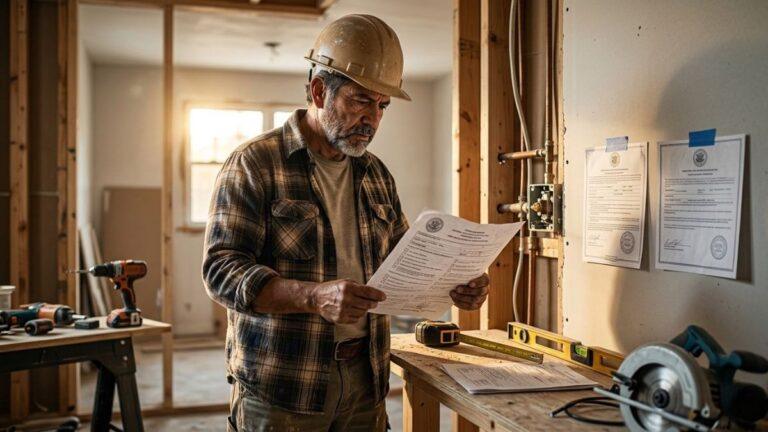
Many contractors feel pressure to sign contracts quickly in order to secure new projects. However, rushing through the contract review process can expose contractors to significant risks that only become visible once construction begins.
Construction contracts typically include dozens of legal provisions covering topics such as payment schedules, change orders, insurance requirements, dispute resolution, schedule penalties, and termination rights. Each of these clauses has the potential to affect the contractor’s financial exposure and operational flexibility.
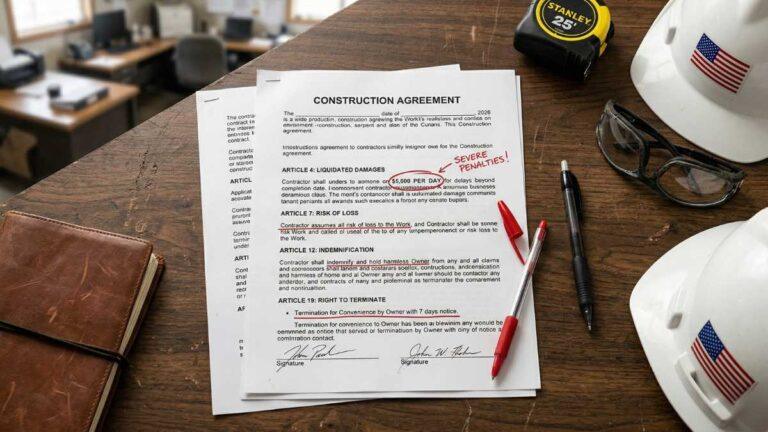
For example, a contract may include liquidated damages provisions that impose daily financial penalties for project delays. If the project schedule is unrealistic or if the contractor is not protected from delays caused by external factors, these penalties could quickly eliminate project profits.
Similarly, indemnification clauses may attempt to transfer excessive liability to the contractor, requiring the contractor to assume responsibility for damages even when the contractor was not directly responsible.
Contractors must therefore approach contract review with the same level of attention they apply to project planning and cost estimation.
The most dangerous clauses contractors must evaluate
Certain contract provisions require particularly careful review during negotiations because they significantly influence project risk.
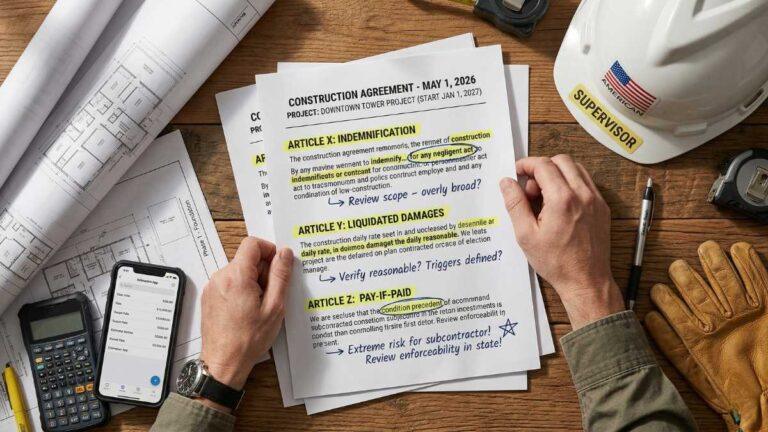
Liquidated damages clauses can expose contractors to substantial penalties if the project schedule is not met. Contractors should verify that the daily penalty amount reflects a reasonable estimate of potential losses rather than an excessive punishment.
Indemnification clauses determine how liability is transferred between project participants. Contractors should ensure that these clauses require responsibility only for damages caused by their own negligence.
Pay-if-paid clauses may delay or eliminate payment to subcontractors if the project owner fails to pay the general contractor. Contractors must evaluate how these provisions affect cash flow and subcontractor relationships.
Termination for convenience clauses allow project owners to end the contract without cause. Contractors should ensure that these clauses include compensation for work performed and materials purchased.
By carefully reviewing these provisions, contractors can identify clauses that require negotiation before the contract is finalized.
Using industry contract templates as negotiation references
Many construction professionals rely on standardized contract templates developed by industry organizations. These templates provide balanced language designed to distribute risk fairly between project participants.
The American Institute of Architects publishes widely used contract templates for construction projects.
American Institute of Architects Contract Documents
https://www.aiacontracts.com
Another respected source of construction contract templates is ConsensusDocs, which develops standardized contracts used across the construction industry.
ConsensusDocs Standard Contracts
https://www.consensusdocs.org
Contractors can compare owner-drafted contracts with these industry templates to identify provisions that differ significantly from accepted industry standards.
Using recognized contract templates as reference points strengthens the contractor’s position during negotiations.

Strategies contractors use during contract negotiation
Successful contract negotiation requires preparation and a clear understanding of project priorities. Contractors should review the entire contract before discussing specific changes with the owner.
One effective strategy involves focusing first on clauses that create the greatest financial risk. Addressing high-impact issues such as payment terms, liability provisions, and schedule penalties ensures that the most critical concerns are resolved early.
Contractors should also document proposed changes clearly when communicating with project owners or legal representatives. Written explanations help demonstrate that the requested revisions are reasonable and consistent with industry standards.
Another useful approach involves prioritizing negotiation objectives. Some clauses may be negotiable while others may be non-negotiable due to regulatory or financing requirements. Contractors must determine which issues are essential to resolve before signing the agreement.
By approaching negotiations professionally and collaboratively, contractors can build trust with project owners while still protecting their interests.
Why negotiation improves project success
Contract negotiation is not simply about protecting contractors from legal risk. A well-negotiated contract benefits all parties involved in the construction project by creating clear expectations and balanced responsibilities.
When contracts are fair and clearly written, project teams spend less time resolving disputes and more time focusing on construction progress. Contractors can allocate resources more effectively, while owners gain confidence that the project will proceed according to the agreed schedule and budget.
In contrast, poorly negotiated contracts often lead to misunderstandings that escalate into costly conflicts. These disputes can disrupt construction schedules, damage professional relationships, and increase legal expenses.
Ultimately, effective contract negotiation strengthens the foundation of the entire project. Contractors who invest time in reviewing and negotiating contract terms position themselves for greater long-term success within the construction industry.


FAQ – Construction contract negotiation strategies: how contractors avoid dangerous contract terms
1. Why is contract negotiation important in construction projects?
Contract negotiation ensures that risks and responsibilities are fairly distributed between contractors and project owners before construction begins.
2. Can contractors negotiate owner-drafted contracts?
Yes. Contractors frequently negotiate changes to owner-drafted contracts to clarify responsibilities and reduce financial exposure.
3. What clauses are most important during construction contract negotiations?
Key clauses include payment terms, liquidated damages, indemnification provisions, dispute resolution procedures, and termination rights.
4. Are standardized construction contracts available?
Yes. Organizations such as the American Institute of Architects and ConsensusDocs provide widely used industry contract templates.
5. Why should contractors compare contracts to industry templates?
Comparing contracts to industry templates helps identify clauses that transfer excessive risk to the contractor.
6. Can contractors refuse to sign unfair contracts?
Yes. Contractors may decline contracts that expose their businesses to unacceptable financial or legal risks.
7. Do contract negotiations delay construction projects?
Not necessarily. Addressing contract issues early often prevents delays caused by disputes during construction.
8. Why do owners sometimes resist contract negotiations?
Owners may attempt to protect their own interests, but balanced contracts ultimately benefit both parties by reducing project conflicts.