”Builder growth in 2026 is no longer constrained by demand. It is constrained by structure. Across the United States, many construction companies feel busy, stretched, and operationally exhausted, yet growth feels unstable, reactive, and fragile. This disconnect happens because growth today is less about adding work and more about removing friction. Builders who chase volume without fixing foundational weaknesses experience more chaos, not more momentum.
In 2026, the construction market rewards companies that feel predictable, intentional, and prepared. Owners, developers, and partners are not looking for the cheapest or the fastest builder. They are looking for the least risky one. Real momentum starts when builders understand that growth is judged externally long before it shows up internally on revenue reports.
This is why the first fixes that matter are rarely visible on the jobsite. They live in positioning , clarity, and operational alignment. Builders who fix these early unlock growth that feels calmer, more controllable, and far more profitable.
Builder Inteligence

Where growth actually breaks first
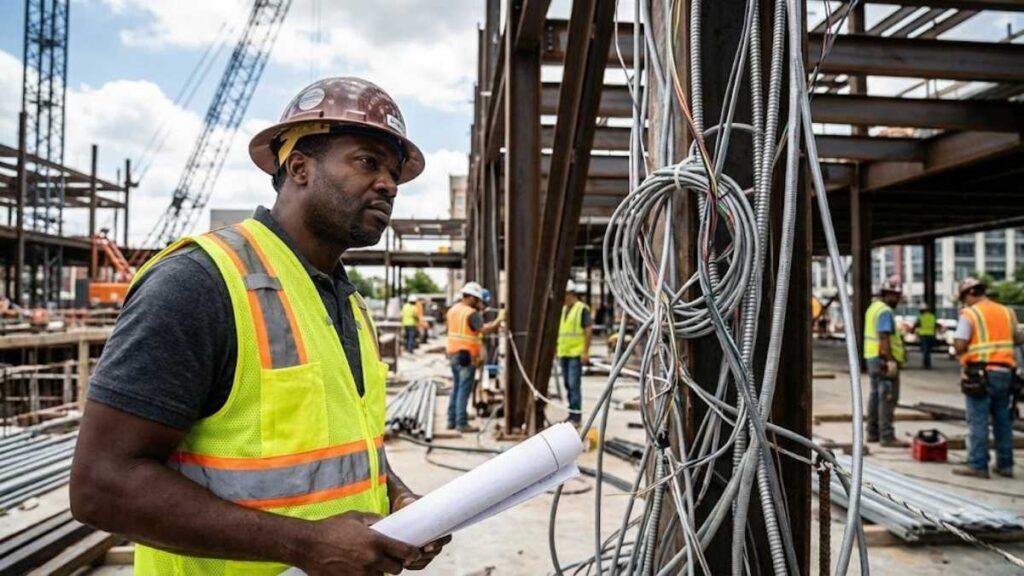
Most builders assume growth problems start with sales. In reality, growth breaks at interpretation. When a construction company cannot clearly explain who it serves, what it specializes in, and where it operates, the market fills in the gaps. That gap-filling always works against the builder. Clients assume risk, complexity, or lack of focus. In 2026, unclear positioning is interpreted as operational weakness, even when crews and execution are strong.
This problem compounds as volume increases. More inquiries arrive, but fewer are aligned. Sales conversations become longer and more defensive. Pricing pressure increases because value is not clearly framed. Growth feels heavier instead of easier. Builders often respond by adding marketing tactics or lowering prices, which only accelerates the problem rather than solving it.
Fixing growth starts by removing ambiguity. Builders who clearly define their scope, geography, project types, and standards immediately experience cleaner conversations. Growth stops feeling random and starts feeling directional. This clarity is the first true growth multiplier.
Why operations must lead marketing in 2026
In past cycles, marketing could compensate for weak operations for short periods. In 2026, that no longer works. The digital footprint of a construction company exposes operational reality faster than any sales pitch. Websites, reviews, project photos, schedules, and response times all signal how a company actually operates.
When operations are inconsistent, marketing amplifies the inconsistency. Promises feel disconnected from delivery. Clients sense misalignment even if they cannot articulate it. This is why growth stalls unexpectedly. Builders feel demand exists, but conversions slow and trust erodes quietly.
The fix is operational alignment before expansion. This does not mean perfection. It means repeatable processes, defined responsibilities, and predictable communication. When operations feel steady, marketing stops needing to persuade and starts reinforcing reality. Growth becomes sustainable instead of exhausting.
Pricing power as a growth signal
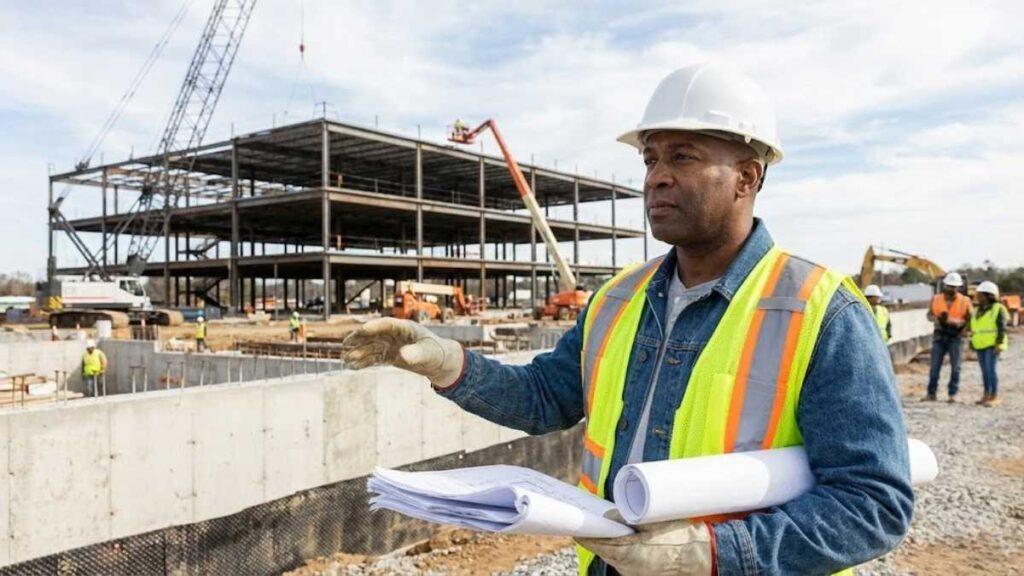
One of the clearest indicators of healthy growth in 2026 is pricing behavior. Builders who can hold margins while staying selective are operating from strength. Builders who constantly negotiate or justify pricing are leaking trust somewhere earlier in the process.
Pricing pressure is rarely about cost alone. It reflects how confident the buyer feels about outcome certainty. When builders fix clarity, consistency, and operational presentation, pricing conversations soften naturally. Clients accept higher numbers because perceived risk is lower.
This is why growth fixes must happen before scale. Builders who attempt to grow without protecting pricing power end up busier but weaker. Builders who fix pricing posture early grow slower at first but build far more resilient businesses.
The compounding effect of small structural fixes
The most effective growth fixes in 2026 are deceptively simple. Clear positioning. Consistent messaging. Aligned operations. Predictable delivery. None of these are dramatic. Together, they change everything.
Builders who implement these fixes notice subtle shifts first. Better questions from clients. Fewer unqualified leads. Shorter sales cycles. Less internal stress. Over time, these shifts compound into real momentum. Growth feels earned instead of forced.
Momentum in construction is not about speed. It is about control. Builders who prioritize control grow longer, stronger, and with far less volatility.
Growth as risk management, not expansion
In 2026, growth is no longer about getting bigger. It is about becoming safer. Safer for clients. Safer for teams. Safer for capital partners. Builders who understand this reframe stop chasing opportunities and start selecting them.
This mindset shift changes everything. Marketing becomes filtration, not attraction. Operations become stability, not heroics. Growth becomes a byproduct of trust rather than a goal chased through volume.
The builders who win this cycle are not the loudest or the most aggressive. They are the most prepared.
Builder growth in 2026 is earned through discipline, not ambition. The companies that fix clarity, alignment, and operational maturity first will experience momentum that feels controlled and repeatable. Those who skip these steps will feel busy, pressured, and replaceable.
Growth does not start when more work arrives. It starts when the business is ready to absorb it without breaking.
More from Builder Inteligence

FAQ – Builder growth in 2026: what to fix first if you want real momentum
1. Why does growth feel harder in 2026 even when demand exists?
Growth feels harder because clients are more risk-aware and selective. Even when demand exists, builders without clear positioning and operational alignment face hesitation, delays, and pricing resistance. The market rewards clarity and predictability more than availability.
2. What is the first thing a builder should fix to unlock growth?
The first fix is positioning clarity. Builders must clearly define their project types, geography, and standards. This reduces friction in every downstream conversation and immediately improves lead quality and conversion efficiency.
3. How does operational structure affect growth?
Operational structure determines whether growth feels stable or chaotic. Without repeatable processes and predictable communication, increased volume magnifies problems instead of revenue. Strong operations allow growth without constant firefighting.
4. Why does pricing power matter so much for growth?
Pricing power reflects trust. Builders who cannot hold margins signal uncertainty to clients. Fixing presentation, consistency, and delivery reduces perceived risk and allows builders to grow without sacrificing profitability.
5. Can small builders apply these growth principles effectively?
Yes. Smaller builders often benefit faster because fixes are easier to implement. Clear positioning and consistent presentation allow small teams to compete with much larger firms by appearing more intentional and reliable.
6. How long does it take to see results from these fixes?
Many builders notice improved conversations within weeks. Tangible financial results typically follow over several months as trust compounds and the market responds to increased clarity and stability.