Why AI stopped being a future concept and became an operating requirement
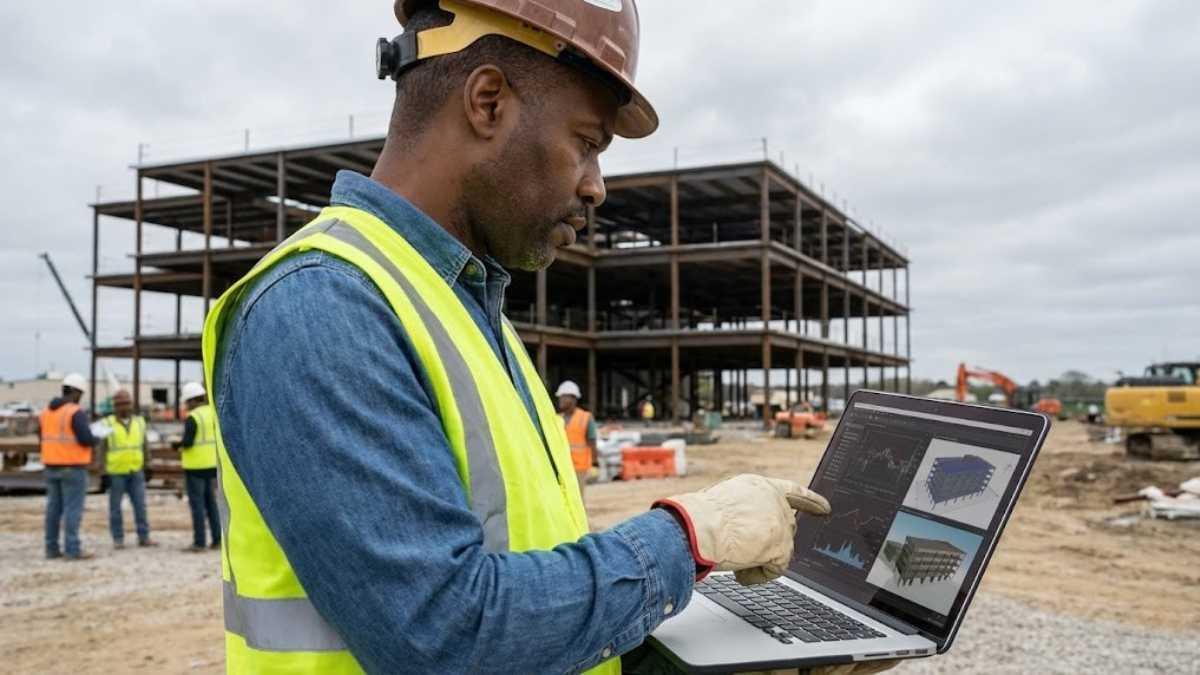
Artificial intelligence in construction stopped being a theoretical discussion because cost pressure, labor scarcity, and schedule instability removed the margin for inefficiency. What changed in the last two years was not technology itself, but the environment around it. Volatile material pricing, fragmented labor availability, and tighter financing conditions forced contractors to look for operational leverage instead of growth through volume. AI became relevant not because it is innovative, but because it reduces uncertainty in daily decision making.
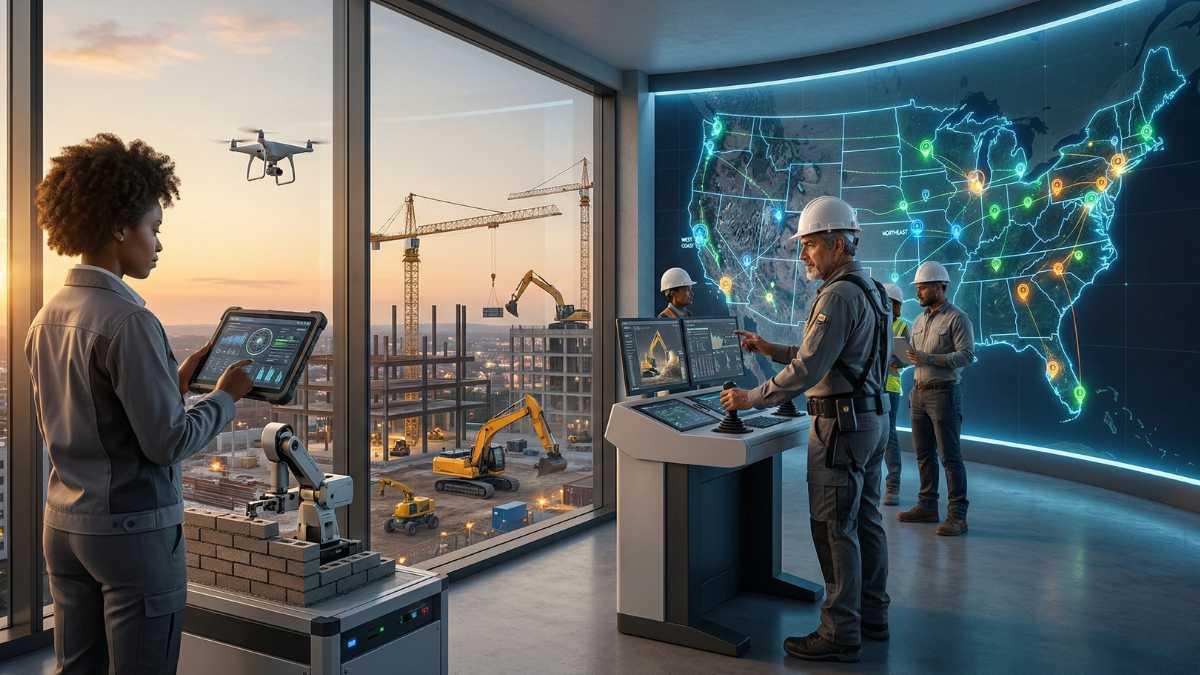
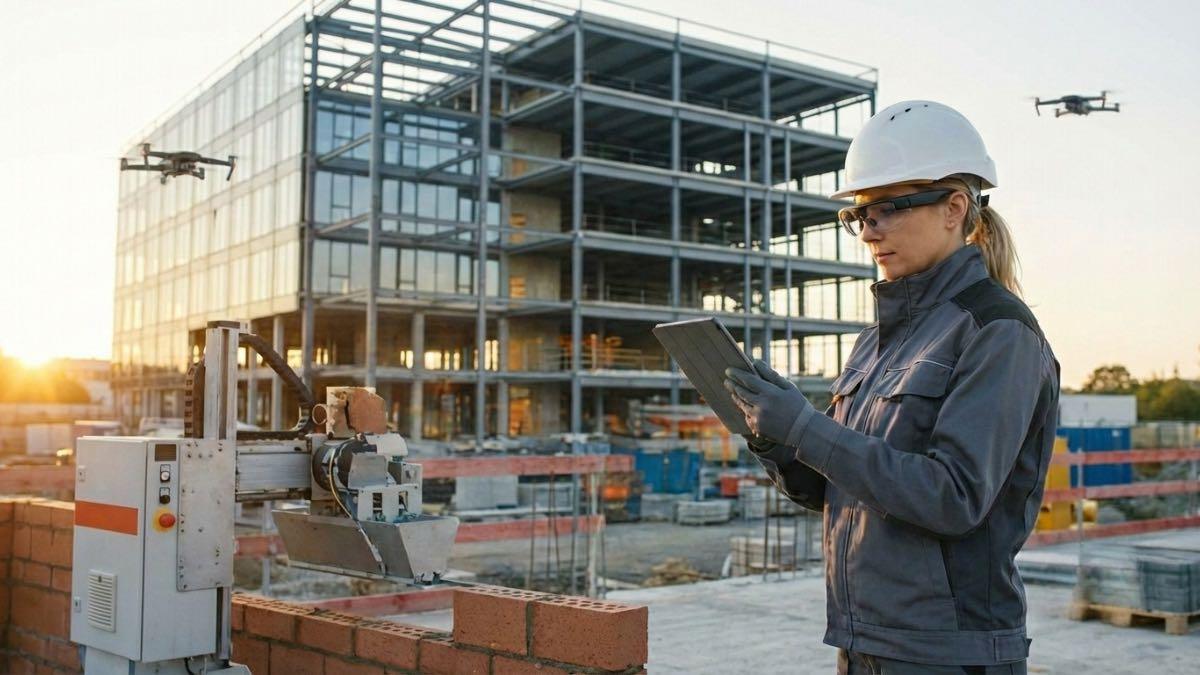
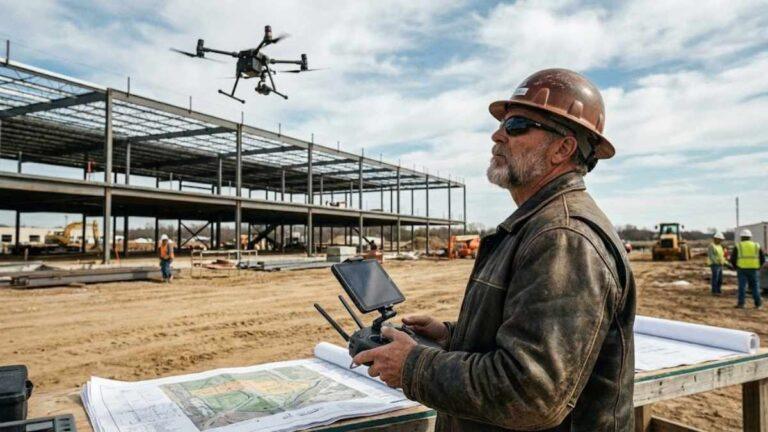
Contractors who still see AI as an experimental tool usually associate it with abstract promises or expensive software suites. The reality on active jobsites is very different. AI is now embedded into estimating, scheduling, safety monitoring, document control, and forecasting systems that operate quietly in the background. These systems do not replace human judgment. They reduce noise, flag anomalies earlier, and compress the time between problem detection and corrective action.
From a cost perspective, the biggest shift is that AI does not generate savings by cutting labor directly. It saves money by preventing compounding errors. Missed quantities, unrealistic schedules, incomplete scopes, and delayed decisions create cascading cost exposure. AI tools reduce that exposure by identifying inconsistencies before they turn into field issues, change orders, or disputes. In 2026, this preventive function is what makes AI economically unavoidable.
There is also a competitive dimension. Owners, developers, and lenders increasingly expect data-backed decision processes. Contractors who cannot demonstrate forecasting discipline or risk visibility are perceived as higher-risk partners. AI-driven systems create a documented trail of analysis, assumptions, and alerts that supports credibility during procurement, financing, and closeout. That credibility increasingly translates into access to better projects rather than just operational efficiency.
Builder Inteligence
Advertising
Where AI actually saves money instead of creating overhead
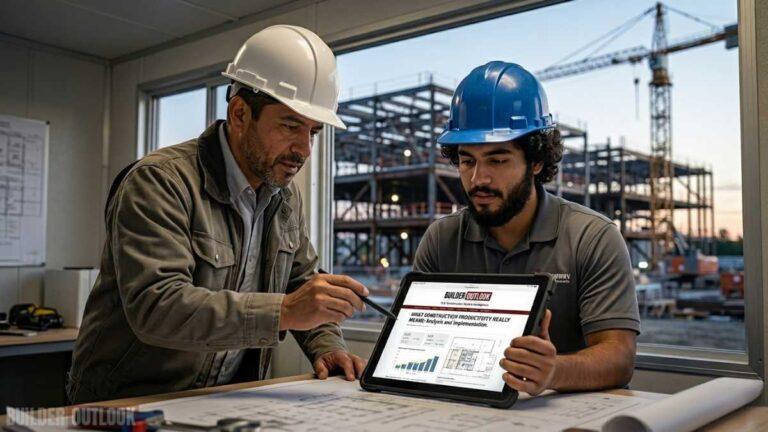
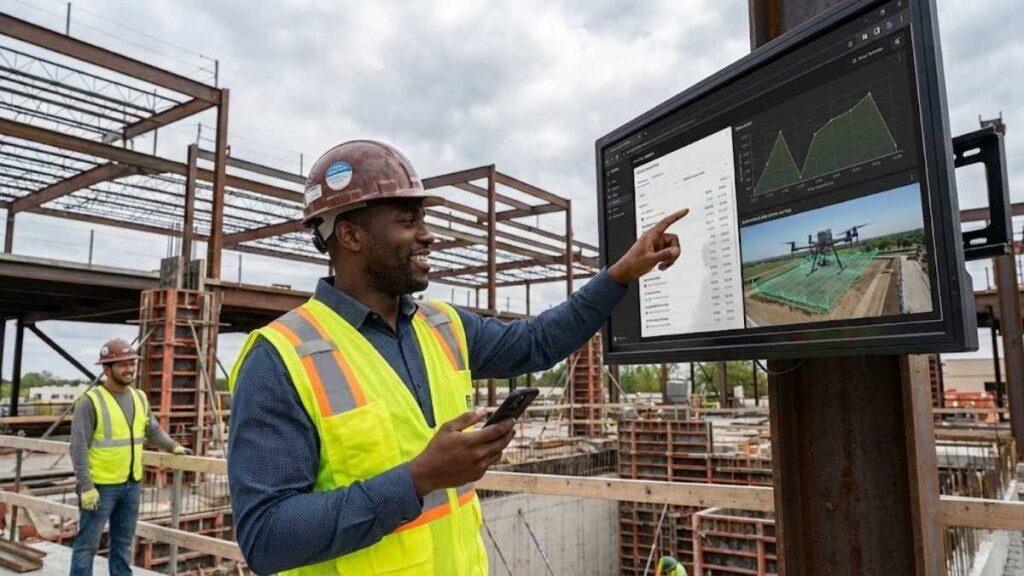
The most concrete financial impact of artificial intelligence in construction appears when it is applied to decision points that traditionally rely on assumptions instead of verified patterns. Estimating is the clearest example. In a volatile market, historical unit costs lose relevance quickly. AI-driven estimating systems continuously cross-reference live material indices, supplier behavior, subcontractor pricing patterns, and deviation history from similar projects. This allows contractors to identify where risk is concentrating inside the estimate rather than hiding uncertainty inside a global contingency that rarely protects margins.
This shift changes how bids are structured. Instead of guessing where overruns may occur, teams can isolate high-risk scopes, flag trades with abnormal volatility, and adjust procurement strategies accordingly. That level of precision directly reduces margin erosion. It also improves bid confidence, which becomes increasingly important when owners scrutinize pricing logic under tight financing conditions. Contractors who can explain why their numbers look the way they do are less exposed to forced price reductions during negotiations.
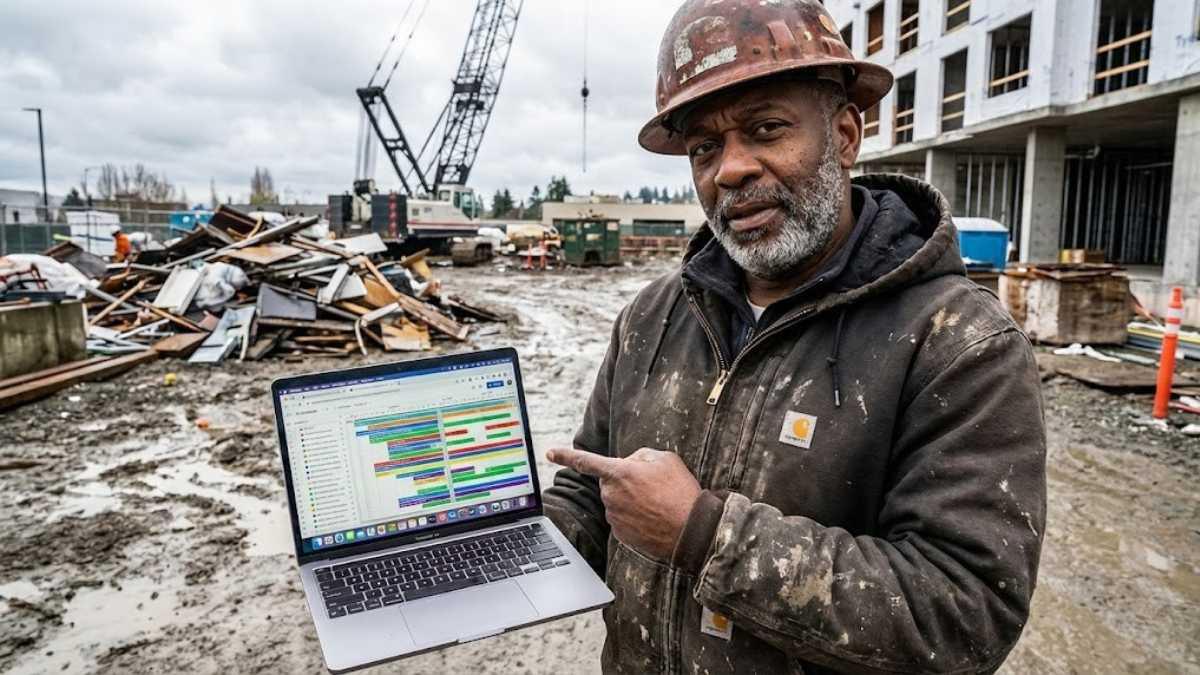
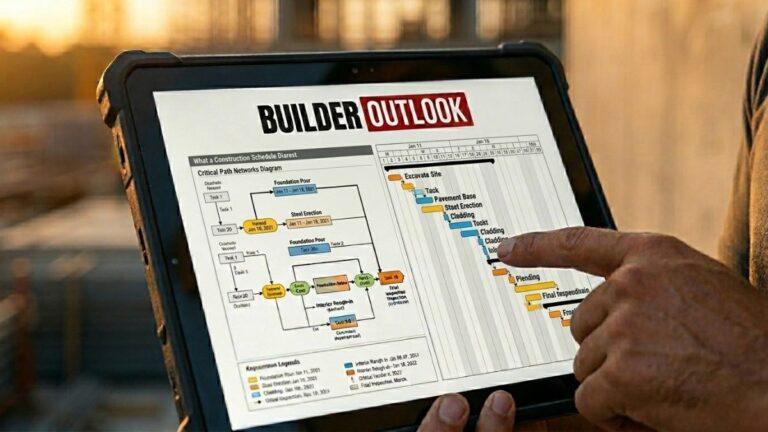
Scheduling is another area where AI produces savings that are not immediately visible on paper but materialize over the life of the project. Traditional schedules are often built around ideal sequencing assumptions. AI-based scheduling analyzes real execution data from comparable projects, factoring in labor availability, trade stacking behavior, inspection bottlenecks, and historical delay patterns. The result is not a faster schedule, but a more defensible one that aligns with operational reality. That reliability reduces acceleration costs, overtime exposure, and downstream claims.
Cost control also benefits from AI-supported scenario modeling. Instead of reacting to overruns after they appear in cost reports, project teams can model the financial impact of procurement delays, resequencing decisions, or labor substitutions before committing. This moves decision making from reactive to anticipatory. In an environment where small disruptions compound quickly, that anticipatory capability consistently saves money across multiple projects rather than producing a one-time gain.
Why AI fails when operations are not ready
Artificial intelligence does not fail in construction because the technology is immature. It fails because many construction companies attempt to layer advanced tools on top of fragmented, informal, or inconsistent operations. AI systems depend on structured data flows, repeatable processes, and clear ownership of information. When estimating templates vary by estimator, schedules are updated irregularly, or field data arrives late and incomplete, AI outputs become unreliable. In that environment, technology amplifies noise instead of creating clarity.
This failure mode often shows up quickly in estimating and scheduling tools. If historical cost data is poorly categorized or inconsistently coded, AI models cannot identify meaningful patterns. Instead of highlighting risk concentrations, they produce generic outputs that teams instinctively distrust. The result is not only wasted investment but organizational skepticism toward future technology adoption. Once trust is broken, even well-implemented systems face resistance.
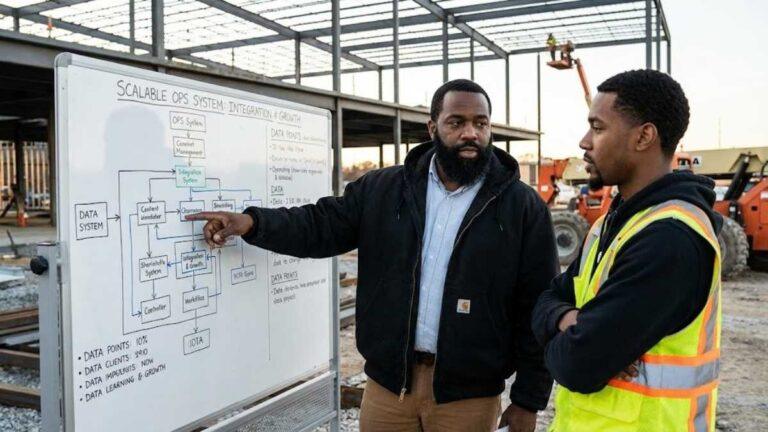
Operational readiness requires discipline before software. That discipline includes standardized cost codes, consistent estimating logic, reliable schedule updates, and defined responsibilities for data accuracy. AI assumes those foundations already exist. Contractors who skip this step often blame the technology when results disappoint. In reality, AI exposes operational weaknesses that were already costing money long before any software was installed.
There is also a leadership component. When management treats AI as a shortcut to efficiency rather than as an amplifier of existing processes, teams receive mixed signals. Successful adopters frame AI as a support system that reinforces good habits rather than replacing experience. This framing matters because it determines whether teams engage with the system or work around it.

How owners and lenders are quietly pushing AI adoption
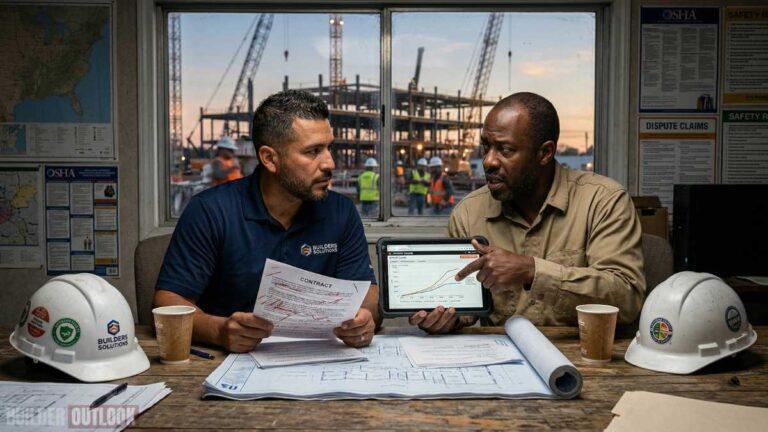
Owners and lenders rarely demand AI explicitly, but their expectations increasingly require it. Financing decisions now depend on confidence in execution, not just projected returns. AI-supported forecasting, risk analysis, and progress reporting provide the transparency that capital providers seek. Contractors who cannot demonstrate data-driven control over cost and schedule are perceived as higher risk, even if their historical performance is strong.
From the owner perspective, AI improves predictability. Automated progress tracking, document control, and early risk alerts reduce unpleasant surprises. This aligns with a broader shift toward proactive oversight rather than reactive problem solving. Owners are less interested in explanations after delays occur and more interested in signals that delays are unlikely to happen at all.
These expectations indirectly shape procurement. Contractors who invest in AI-enabled systems communicate operational maturity without explicitly marketing it. That maturity becomes a differentiator during prequalification, interviews, and negotiations. In competitive markets, it often determines who gets invited to bid rather than who wins on price.
Lenders follow a similar logic. Projects supported by transparent forecasting and documented risk controls face fewer funding delays and tighter underwriting scrutiny. Over time, this creates a feedback loop where AI-enabled contractors gain access to better projects, reinforcing the economic case for adoption.
What contractors should implement first to see real returns
The most effective AI adoption strategies start narrow and expand deliberately. Estimating and cost forecasting deliver the fastest returns because they influence decisions before commitments are made. Improving bid accuracy under volatility protects margins more reliably than downstream controls. Contractors who begin here often build internal trust quickly because results are visible.
Scheduling and procurement coordination usually follow. AI-supported schedules that reflect real trade behavior reduce compression risk and improve coordination with suppliers. When material lead times fluctuate, predictive alerts become more valuable than static look-ahead schedules. This prevents cascading delays that inflate labor costs and damage client relationships.
Field reporting and documentation come next. Automated progress capture, issue flagging, and documentation tracking reduce administrative burden while improving accountability. These systems rarely eliminate work, but they compress feedback loops. Faster visibility translates into faster correction, which is where real savings occur.
The final stage involves integration. When estimating, scheduling, cost control, and reporting systems share data, AI becomes a connective layer rather than a standalone tool. At that point, technology supports strategic decisions instead of tactical firefighting. That is where AI stops being optional and becomes infrastructure.
Why AI adoption is now a competitive threshold, not an advantage
In 2026, AI no longer differentiates elite contractors from average ones. It separates viable operators from exposed ones. As volatility persists and margins tighten, the cost of delayed insight grows. Contractors without AI-supported visibility are forced to rely on intuition under conditions where intuition is increasingly unreliable.
This shift mirrors earlier transitions in construction. Digital takeoffs, project management software, and mobile reporting were once optional. Over time, they became baseline requirements. AI is following the same path, accelerated by economic pressure rather than innovation hype. Companies that delay adoption are not standing still. They are falling behind competitors who see problems earlier and act faster.
The long-term implication is structural. Contractors who integrate AI into disciplined operations gain resilience. They absorb shocks, adjust faster, and communicate more effectively with owners and lenders. Those who do not face compounding risk as volatility persists. In that environment, AI is no longer about technology leadership. It is about survival.
More from Builder Inteligence



FAQ – AI in construction is no longer optional: where it actually saves Money
1. Why is AI in construction no longer optional in 2026?
AI is no longer optional because volatility in costs, labor availability, and scheduling has eliminated the margin for delayed decision making. Contractors must identify risks earlier and respond faster. AI provides predictive insight that traditional tools cannot deliver consistently under current market conditions.
2. Where does AI save the most money in construction operations?
AI saves the most money in estimating accuracy, schedule reliability, procurement forecasting, and early risk detection. These areas influence decisions before commitments are locked in. Preventing compounding errors produces greater savings than cutting costs after problems appear.
3. Why do many AI implementations fail in construction companies?
Most failures occur because AI is layered onto inconsistent operations. Poor data quality, fragmented workflows, and unclear ownership undermine outputs. AI exposes operational weaknesses rather than fixing them automatically, which leads teams to distrust the technology.
4. Do owners and lenders expect contractors to use AI?
They rarely demand AI directly, but they expect transparency, predictability, and documented risk control. AI-enabled systems meet those expectations more effectively, influencing procurement decisions, financing confidence, and long-term partnerships.
5. What should contractors implement first when adopting AI?
Estimating and cost forecasting should come first because they influence bids and margin protection. Scheduling, procurement coordination, and field reporting follow. Integration across systems delivers the greatest long-term value once trust is established.