Why estimating became the highest-risk decision point in construction
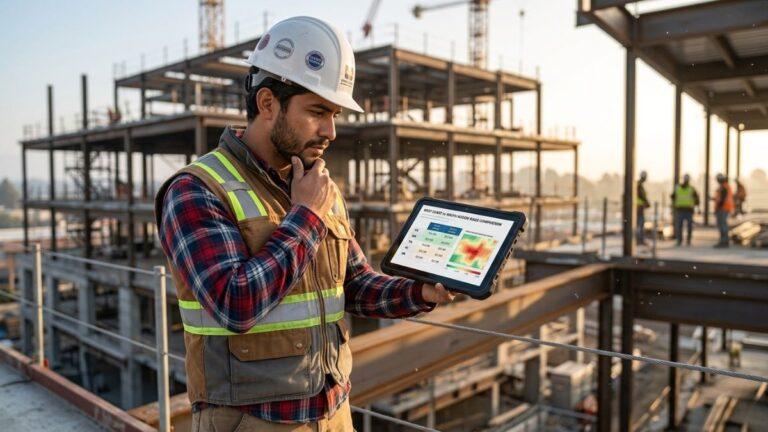
Estimating has quietly become the most fragile stage of the construction lifecycle. In 2026, volatility removed the tolerance for approximation that once existed in early pricing decisions. Material prices fluctuate faster than bid cycles, labor availability shifts between trades and regions, and subcontractor behavior changes depending on backlog pressure. In this environment, a single estimating assumption can cascade into margin erosion long before a project ever mobilizes.
Traditional estimating methods were built for stability. Historical averages, unit cost libraries, and intuition-driven adjustments worked when markets moved slowly. Today, those same tools create blind spots. When volatility accelerates, yesterday’s data becomes misleading instead of helpful. Estimators are no longer just pricing work. They are forecasting uncertainty. Software that cannot model that uncertainty in real time increases risk rather than reducing it.
This is why estimating software is no longer judged by speed alone. Accuracy under volatility depends on how well systems absorb live inputs, compare them against deviation patterns, and highlight exposure instead of hiding it. In 2026, the cost of a wrong estimate is not limited to a bad job. It distorts backlog quality, strains cash flow, and weakens credibility with owners and lenders.
The strategic implication is clear. Estimating is no longer an isolated preconstruction task. It is a financial risk control function. Software that fails to reflect market instability undermines every downstream decision that follows, from procurement strategy to schedule commitments.
What modern estimating software does differently
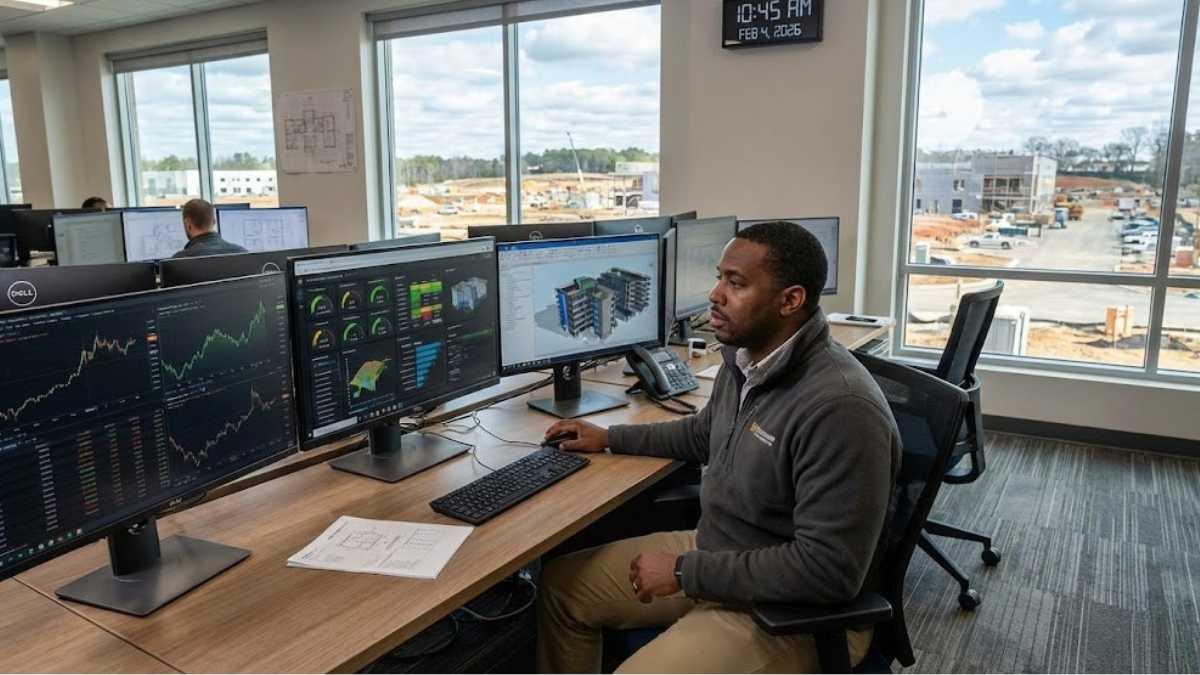
The most effective estimating platforms in 2026 operate less like calculators and more like analytical engines. Instead of relying solely on static cost libraries, they continuously ingest live material indices, supplier behavior, subcontractor bid dispersion, and historical deviation data from completed projects. This allows the system to identify where uncertainty is increasing rather than smoothing it out with blanket contingencies.
One of the most important shifts is variance visibility. Modern tools highlight scopes where pricing dispersion is abnormal, trades that consistently underperform estimates, and materials that show unstable lead time behavior. This allows estimators to isolate risk instead of spreading it evenly across the entire job. That isolation leads to more targeted contingencies and smarter procurement timing.
Another critical function is behavioral learning. Advanced estimating software tracks how assumptions perform in the field. If concrete consistently overruns in certain regions, or framing productivity drops during specific seasons, the system adjusts future estimates accordingly. This feedback loop transforms estimating from a static snapshot into a continuously improving forecast model.
Accuracy improves not because estimators work faster, but because decisions are informed by patterns rather than memory. Under volatility, pattern recognition is more reliable than experience alone. Software that supports this shift materially improves bid quality and long-term margin stability.
Why volatility punishes traditional estimating workflows
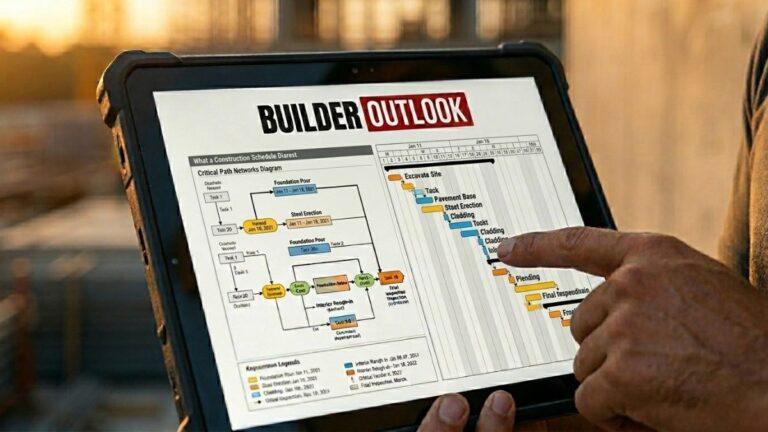
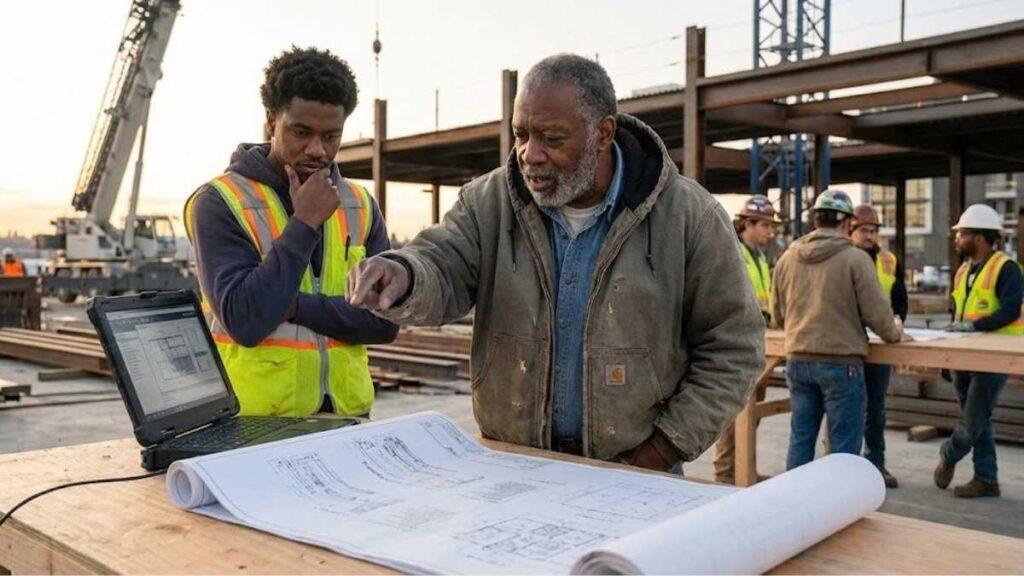
Volatility exposes the weaknesses of fragmented estimating workflows. When takeoffs, pricing, subcontractor bids, and schedule assumptions live in disconnected systems, risk compounds invisibly. Estimators often adjust numbers without understanding how those adjustments interact with schedule compression, procurement timing, or labor availability. The estimate may look reasonable in isolation while being structurally flawed.
Another issue is timing. In volatile markets, the gap between estimate completion and procurement commitment becomes dangerous. Traditional workflows treat estimating as finished once the bid is submitted. Modern estimating software treats it as an evolving model that updates as market conditions change. Without that adaptability, contractors lock themselves into assumptions that expire before contracts are signed.
There is also a coordination problem. Estimating decisions increasingly influence schedule feasibility and subcontractor strategy. Software that does not integrate estimating with scheduling and procurement data forces teams to make siloed decisions. Volatility punishes those silos by creating conflicts that surface only after mobilization, when correction becomes expensive.
In 2026, the estimate is not just a number. It is a hypothesis about future conditions. Software that cannot test and update that hypothesis continuously increases exposure rather than controlling it.
How better estimating software protects margins long term
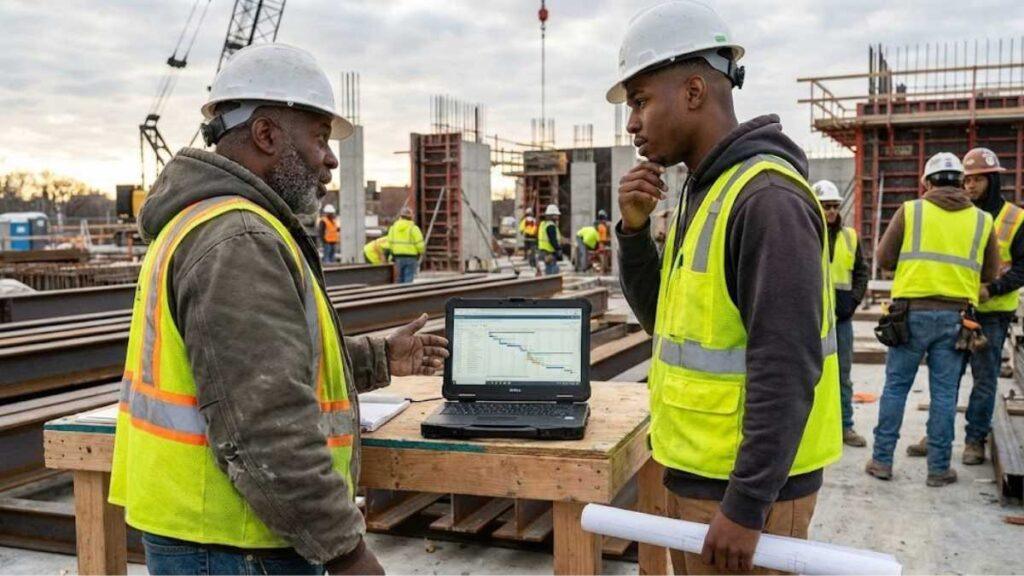
Margin protection under volatility depends less on winning bids and more on winning the right bids. Accurate estimating software helps contractors identify projects where risk is disproportionate to reward. By modeling uncertainty explicitly, teams can decline work that appears profitable on paper but carries hidden exposure due to unstable inputs.
For projects that move forward, better software improves negotiation position. Contractors who understand where volatility lives can explain pricing logic with confidence. This transparency reduces forced price concessions and supports risk-sharing conversations with owners. In many cases, it determines whether contingencies are accepted or challenged.
Over time, consistent estimating accuracy strengthens organizational discipline. Forecast reliability improves cash flow planning, backlog quality stabilizes, and lender confidence increases. These secondary effects compound into strategic advantage. Contractors who estimate accurately under volatility gain flexibility. They choose growth rather than chasing it.
In that sense, estimating software is no longer about efficiency. It is about resilience. In unstable markets, resilience determines who survives and who bleeds slowly across multiple projects.
Advertising

FAQ – Estimating software in 2026: what increases accuracy under volatility
1. Why has estimating become more difficult in 2026?
Estimating became more difficult because material pricing, labor availability, and subcontractor behavior now change faster than bid cycles. Historical averages lose reliability under volatility, forcing estimators to forecast uncertainty rather than rely on stable reference data.
2. What makes modern estimating software more accurate under volatility?
Modern estimating software ingests live market data, tracks deviation patterns, and highlights risk concentrations instead of hiding them in global contingencies. This allows teams to isolate exposure and make targeted adjustments based on real behavior rather than assumptions.
3. Why do traditional estimating workflows fail in volatile markets?
Traditional workflows rely on static inputs and disconnected systems. Under volatility, assumptions expire quickly and silos create blind spots. Without continuous updates and integration, estimates become outdated before contracts are finalized.
4. How does better estimating software protect margins?
Better software identifies hidden risk early, supports smarter bid selection, improves negotiation leverage, and reduces downstream cost overruns. Preventing compounding errors protects margins more effectively than reacting after problems appear in the field.
5. Is estimating now a financial risk function?
Yes. In 2026, estimating directly influences backlog quality, cash flow stability, and lender confidence. Accurate forecasting under volatility positions estimating as a core financial control rather than a preconstruction task.