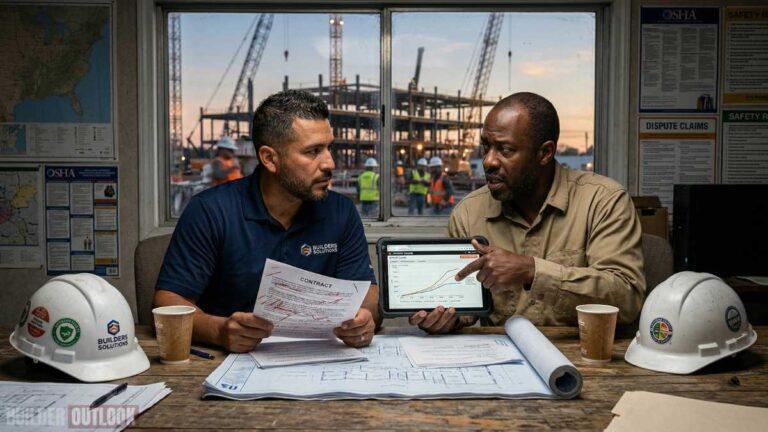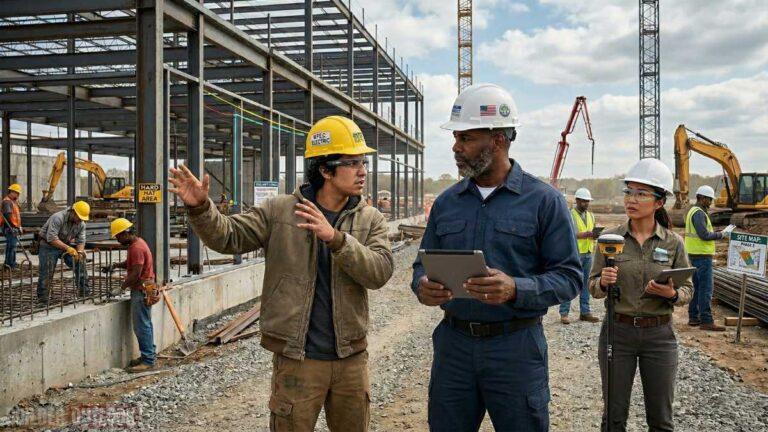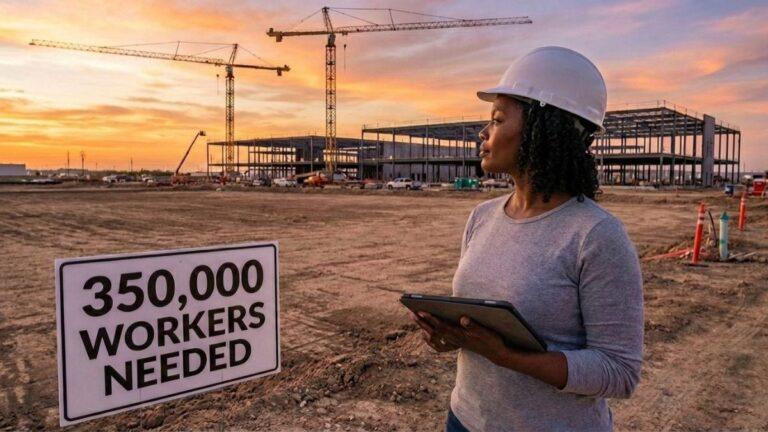
In 2026, the U.S. construction industry faces a workforce challenge that is nothing short of structural. Despite modest growth forecasts and slowed spending compared to previous years, the labor gap remains substantial and is reshaping hiring, scheduling, project delivery, and strategic planning for contractors nationwide. According to multiple industry forecasts, the construction sector must attract hundreds of thousands of new workers just to keep pace with demand — with one of the most authoritative estimates suggesting the industry needs to bring in around 349,000 net new workers in 2026 alone to maintain equilibrium between labor supply and project requirements.
This gap is not evenly distributed. It varies sharply by occupation, region, and project type, but its existence profoundly affects every contractor with more than a handful of employees or projects. Skilled trades like carpentry, electrical work, plumbing, HVAC, and equipment operation remain in especially short supply, even as labor costs continue upward pressure on bids and margins. The labor gap isn’t just a number on a spreadsheet — it’s a market reality that changes how contractors price work, hire crews, forecast schedules, and deploy capital across regional markets.


Why the construction labor gap persists in 2026
At the heart of the 2026 labor gap are demographic shifts that have been building for years. A large proportion of the existing construction workforce is nearing retirement age, and the pace at which new workers are entering the trades has historically lagged behind replacement needs. Even when accounting for training programs, apprenticeships, and industry recruitment efforts, the inflow has not been sufficient to offset retirements or the expansion of demand in sectors like industrial, infrastructure, and data center construction.
Furthermore, changes in immigration policy and enforcement practices have intensified labor scarcity. In many metropolitan areas, undocumented or foreign-born workers once formed a significant share of the construction workforce. Recent immigration enforcement actions have reduced that labor pool, creating acute shortages in states like Texas, California, and Florida — regions historically reliant on migrant labor to staff residential and commercial projects.
Compounding these trends, traditional recruiting pipelines such as vocational schools, apprenticeships, and trade programs have not expanded quickly enough to match industry needs. Even as some young workers and career changers return to trades amid broader employment shifts, the headcount gap remains significant across the entire industry.
The economic impact of the labor gap on construction contractors
The labor gap reverberates through every aspect of construction delivery. First and foremost, labor scarcity drives up wages, as contractors compete to secure workers with experience in specialized trades. Wage inflation is now one of the largest cost components in project bids, squeezing margins for contractors who already operate with tight pricing and narrow buffers.
Labor shortages also lengthen schedules. Projects that once could hold to aggressive timelines now require wider windows to accommodate crew turnover, subcontractor availability constraints, and sequencing delays. This extends not only in residential construction but in commercial, industrial, and infrastructure segments as well.
In addition, the labor gap forces many contractors to turn down profitable work because they simply cannot staff it. Mid-size and smaller firms, in particular, are vulnerable as they lack the recruiting reach and retention incentives of larger organizations. This has ripple effects on backlog health, pricing power, and long-term financial stability.

Regional variations intensify the problem
The labor gap does not affect every region equally. States with strong population growth and project pipelines — such as Texas, Georgia, North Carolina, Ohio, and Florida — face more intense competition for skilled workers. As capital flows into emerging infrastructure and industrial markets, the demand for craft labor in those regions frequently outpaces available workforce capacity, causing contractors to pay premiums just to staff work adequately.
Even in regions with softer demand, such as slow-growth Midwest markets or areas with declining residential starts, labor shortages persist due to retirements and occupational transitions. In these markets, unemployment rates for construction trades remain near historic lows, and the pool of qualified applicants is small.
This regional imbalance means contractors must constantly evaluate where labor is actually available, not just where demand exists. A contractor bidding work in multiple states cannot assume uniform access to required trades. Instead, workforce strategy — including relocation, training investment, and retention programs — must align with specific regional realities.
What contractors must do to respond to the labor gap
Addressing the labor gap requires strategic shifts rather than tactical fixes. Contractors can no longer compete solely on price and assume labor will fill in behind them. Instead, recruiting, training, and retention must become core operational pillars:
- Invest in apprenticeships and training programs that create a dependable pipeline of skilled workers.
- Enhance employer branding so workers see your company as stable, organized, and career-oriented — especially important in tight labor markets.
- Integrate workforce planning into preconstruction and scheduling so labor availability is a factor in pricing and timeline commitments.
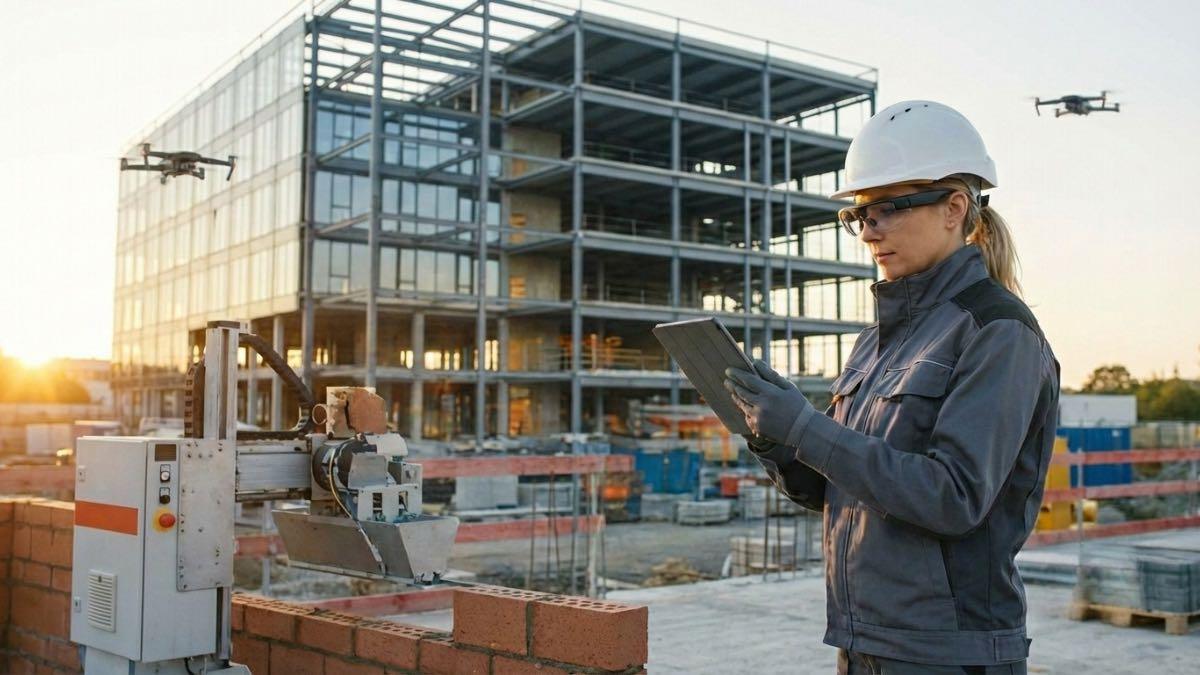
- Use technology and productivity-enhancing tools to reduce reliance on sheer headcount by maximizing output per worker.
These strategies push workforce considerations to the forefront of business planning, rather than treating them as HR afterthoughts.
More from Builder Inteligence



FAQ – The construction labor gap in 2026: what the numbers demand from contractors
1. Why does the construction industry need so many new workers in 2026?
Because of a combination of retirements, ongoing project pipelines across industrial, infrastructure, and data center sectors, and insufficient new entrants into construction trades, the industry faces a large net gap of workers required to meet project demand.
2. Is the labor gap uniform across all regions?
No. Labor scarcity is more pronounced in high-growth states with strong project pipelines, while slower regions still struggle with shortages due to demographic trends and limited talent inflow.
3. How does the labor gap affect project costs?
Labor scarcity drives up wages and forces contractors to offer premiums for retained crews, increasing overall bid amounts and squeezing margins across project types.
4. Can contractors fill the gap with technology alone?
Technology helps improve productivity but cannot fully replace skilled trade labor. It must be paired with workforce strategies to address the underlying shortage.
5. Why are immigration policies relevant to the labor gap?
Regions that historically relied on immigrant labor now see shortages when enforcement reduces that labor pool, exacerbating workforce constraints and raising costs.
6. Is the labor gap expected to improve soon?
Projections suggest the gap may shrink slightly compared to prior years, but it remains substantial and likely to grow again as construction spending resumes.
7. Should contractors turn down work because of labor shortages?
In some cases, yes. Taking on work without the workforce to deliver it reliably can cause schedule failures, financial losses, and reputational damage. Contractors must choose work they can staff successfully.
8. What role do apprenticeships play in solving the labor gap?
Apprenticeships create long-term workforce pipelines and help train new workers in essential skills, reducing dependency on external workforce sources over time.