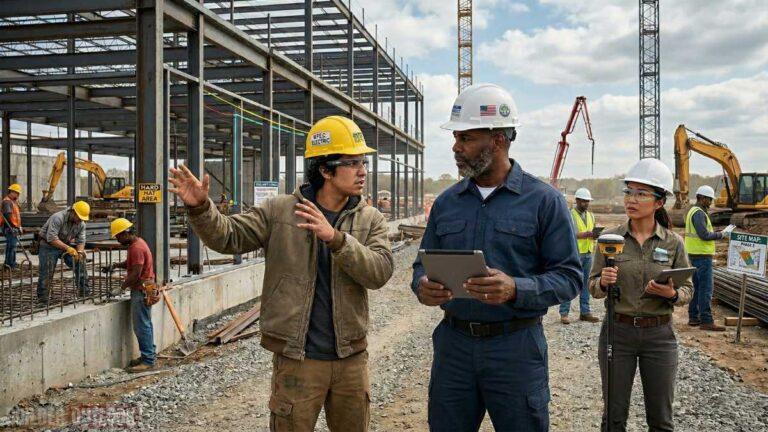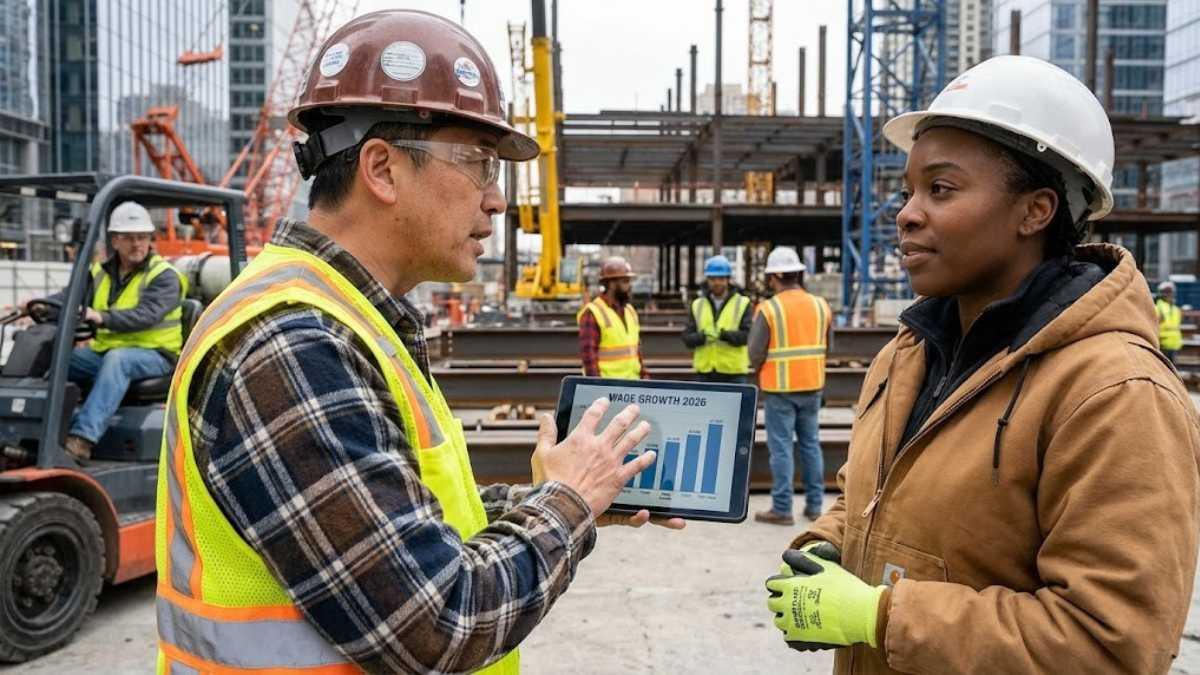
Wage pressure in the U.S. construction industry is no longer a general trend that affects everyone equally. In 2026, wage escalation is highly segmented by trade, geography, and project type, creating uneven cost pressure that directly impacts estimating accuracy, bid competitiveness, and long-term workforce strategy. Contractors who still treat labor as a single cost line are finding themselves exposed, while those who understand wage pressure by trade are making more realistic bids and protecting margins more effectively.
The reality is that some trades are experiencing wage acceleration far above inflation, while others remain relatively stable. This divergence is driven by structural shortages, project mix shifts toward industrial and infrastructure work, and competition from non-construction sectors pulling skilled labor away. Understanding which trades are rising fastest is no longer optional. It is now a prerequisite for pricing work correctly and avoiding margin erosion that only becomes visible months after a project is underway.
Advertising
Why wage pressure is no longer uniform across construction trades
In previous cycles, wage growth in construction tended to move in broad waves. When demand increased, most trades saw incremental raises at roughly similar rates. That pattern has broken down. In 2026, wage pressure is sharply concentrated in specific trades where supply constraints intersect with high demand and limited training pipelines.
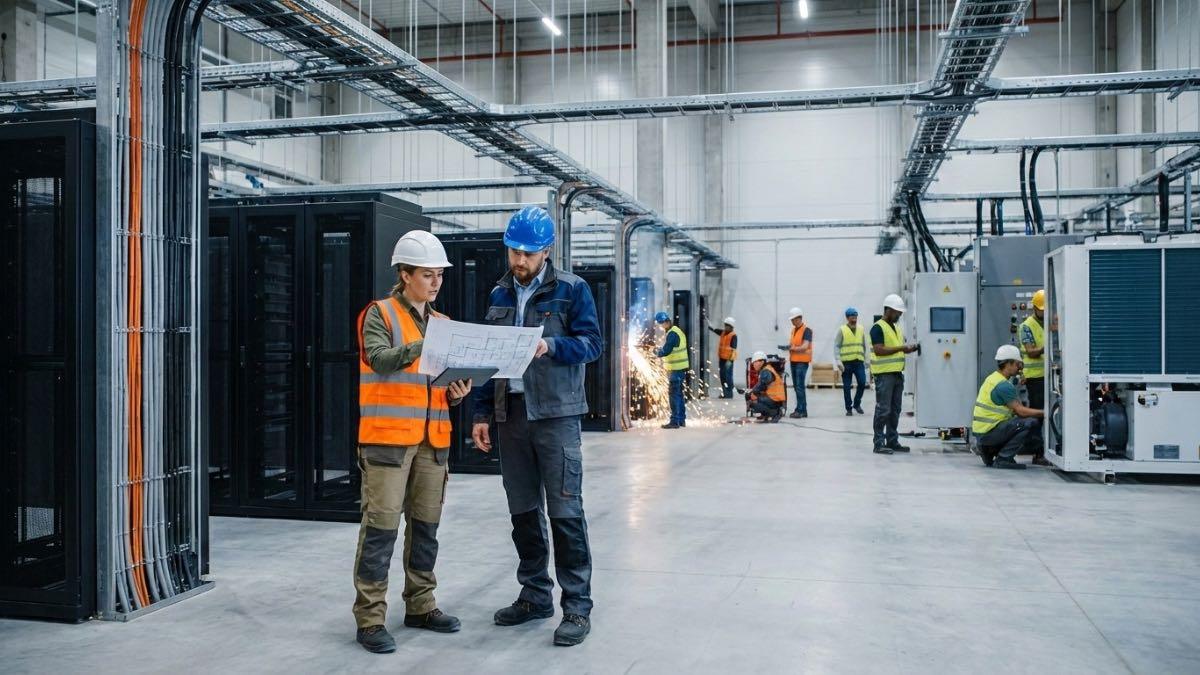
Electricians, HVAC technicians, pipefitters, equipment operators, and controls specialists are experiencing some of the fastest wage growth in the industry. These roles are essential in data centers, advanced manufacturing, healthcare facilities, infrastructure projects, and energy-related construction, all of which continue to attract capital even when other sectors slow. As a result, contractors competing for these workers face bidding wars not just on projects, but on payroll.
By contrast, some general labor roles and lower-skill positions are seeing slower wage growth, particularly in markets where residential construction has softened. This uneven pressure creates a dangerous illusion for contractors who look only at average labor cost increases. The true risk lies in trade-specific escalation that can blow up estimates if not modeled accurately.
Trades under the most intense wage pressure in 2026
Electrical trades sit at the center of wage escalation in 2026. The explosion of data centers, electrification initiatives, grid upgrades, and automation-heavy facilities has created sustained demand for licensed electricians, low-voltage specialists, and controls technicians. These workers are increasingly scarce, and their mobility allows them to command higher wages, better benefits, and more predictable schedules.
Mechanical trades follow closely behind. HVAC technicians, sheet metal workers, and pipefitters are being pulled into industrial and infrastructure projects that offer long durations and stable funding. For many skilled workers, these projects are more attractive than smaller commercial or residential jobs, leaving traditional contractors scrambling to retain talent.
Equipment operators and heavy civil trades are also experiencing significant wage pressure. Infrastructure spending, logistics facilities, and site-intensive projects require experienced operators who cannot be replaced quickly. Training timelines for these roles are long, and mistakes are costly, which further limits the effective labor pool and pushes wages upward.
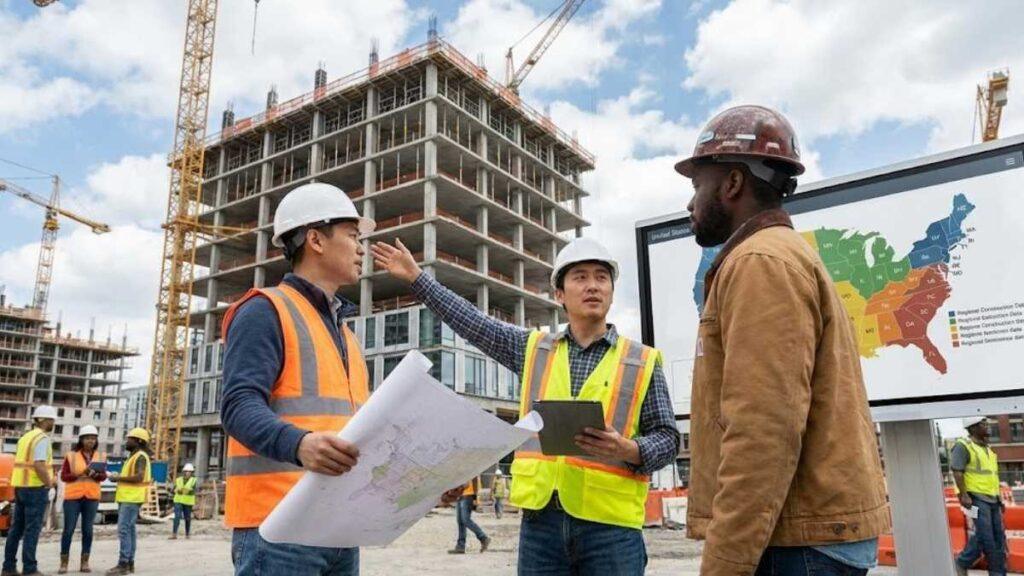
Regional amplification of wage pressure
Wage escalation is amplified in high-growth regions where multiple sectors compete for the same trades. States like Texas, Florida, Georgia, Arizona, North Carolina, Ohio, and parts of the Midwest industrial corridor are seeing overlapping demand from warehouses, infrastructure, manufacturing, healthcare, and energy projects. In these markets, wage pressure compounds quickly because contractors are competing not just within construction, but against adjacent industries offering different work environments.
In contrast, regions with slower project pipelines may show more moderate wage growth, but even there, contractors struggle to find experienced workers willing to stay long-term. Workers increasingly migrate toward markets with higher pay, better benefits, or more stable project backlogs, leaving gaps that cannot be filled locally.
This regional imbalance means national contractors must model wage pressure differently by location, while local contractors must understand how external projects affect their labor pool even if they are not bidding those jobs directly.
What wage pressure means for estimating and pricing strategy
Ignoring trade-specific wage pressure leads to underpriced bids that fail months later, not at bid day. Contractors often win work based on labor rates that are no longer realistic by the time crews are mobilized. This results in margin compression, change order disputes, or schedule delays as firms struggle to staff projects at assumed rates.
In 2026, accurate estimating requires separating labor assumptions by trade, factoring in projected wage growth over the project duration, and accounting for retention costs such as bonuses, overtime, and benefits. Contractors who adjust bids to reflect real labor conditions may lose some price-driven work, but they avoid the far greater risk of delivering projects at a loss.
More importantly, understanding wage pressure by trade allows contractors to make strategic decisions about which markets, project types, and delivery models align with their workforce reality. This turns labor from a reactive problem into a strategic filter for growth.
Advertising

FAQ – Wage pressure by trade: what’s rising fastest in 2026
1. Why are wages rising faster in some construction trades than others?
Wage growth is accelerating fastest in trades where demand from industrial, infrastructure, and technology-driven projects exceeds the available skilled workforce. Limited training pipelines, licensing requirements, and competition from adjacent industries further intensify pressure in these specific roles.
2. Which construction trades face the highest wage pressure in 2026?
Electrical trades, HVAC and mechanical trades, pipefitters, controls specialists, and heavy equipment operators are experiencing the most significant wage increases due to sustained demand and limited supply.
3. How does wage pressure affect construction bids?
If wage escalation is underestimated, bids may appear competitive initially but fail to hold margins during execution. Accurate bids must reflect trade-specific wage trends and expected increases over the project timeline.
4. Is wage pressure the same in every state?
No. Wage pressure varies significantly by region. High-growth states and markets with overlapping project pipelines experience stronger competition for labor, while slower markets may see more moderate increases but still face retention challenges.
5. Can contractors offset wage pressure through productivity gains?
Productivity improvements help, but they rarely offset wage escalation entirely. Technology, scheduling efficiency, and training can reduce labor intensity, but skilled trades remain essential and costly.
6. Should contractors raise prices because of wage pressure?
Yes, when supported by data. Contractors who fail to adjust pricing risk absorbing labor cost increases internally, which erodes profitability and weakens long-term stability.
7. How should contractors model wage pressure in long projects?
They should forecast wage increases by trade, include escalation clauses where possible, and avoid locking multi-year labor assumptions at current rates without buffers.
8. Is wage pressure likely to ease after 2026?
Most indicators suggest trade-specific wage pressure will persist due to demographic trends, infrastructure investment, and limited workforce replenishment, making this a long-term structural issue rather than a temporary spike.