Growth in construction has become more dangerous than contraction for many contractors in 2026. With volatile costs, uneven labor availability, and selective capital deployment, expanding without structural readiness exposes companies to margin erosion, operational breakdowns, and reputational damage. The contractors who will win in 2026 are not the ones chasing volume, but those who lock down fundamentals before pursuing growth.
This checklist is not theoretical. It reflects how lenders, owners, insurers, and sophisticated developers evaluate contractors today. Companies that skip these steps often appear busy but fragile, while those that address them early gain leverage, pricing power, and project selectivity. Growth is no longer about
capacity alone. It is about credibility, predictability, and operational resilience.


Financial clarity and margin protection
Before chasing growth, contractors must establish financial clarity across all active and upcoming projects. This includes accurate job costing, realistic contingency planning, and disciplined margin targets by project type. Many failures in 2026 stem from underpricing risk, not lack of work. Contractors should confirm that estimating assumptions reflect current labor productivity, insurance costs, and material volatility.
Cash flow visibility is equally critical. Growth without cash discipline creates hidden stress that surfaces during peak workload. Contractors must ensure that billing cycles, retainage exposure, and financing arrangements support expansion without overreliance on credit. Lenders increasingly evaluate these controls before extending capacity.
Finally, contractors should align growth goals with bonding and insurance capacity. Expanding backlog without confirming support from carriers often results in forced project deferrals or unfavorable contract terms later.
Operational readiness and execution discipline
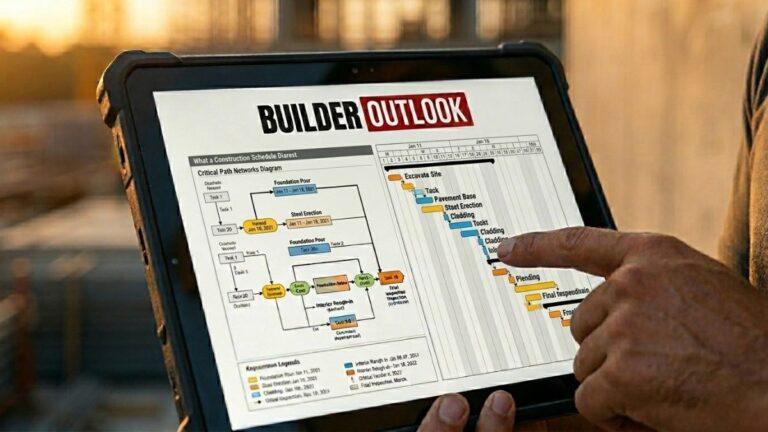
Operational systems must scale before workload increases. This includes scheduling discipline, field reporting consistency, document control, and change management processes. Contractors who grow without standardized operations experience rework, disputes, and schedule slippage that erase revenue gains.
Supervisory capacity deserves special attention. Growth strains leadership bandwidth faster than headcount. Contractors must ensure that field supervisors and project managers are prepared to lead larger teams, manage multiple stakeholders, and maintain quality under pressure. Experience alone is insufficient without leadership development.
Technology should support operations, not compensate for weak processes. Contractors should confirm that project management tools, estimating platforms, and reporting systems are fully integrated and adopted before expanding workload.
Builder Inteligence

Workforce stability and labor strategy
Labor strategy must be proactive before growth begins. Contractors should assess retention risk, wage competitiveness, training pipelines, and onboarding processes. Expanding without labor stability increases reliance on overtime, temporary labor, and inexperienced hires, which undermines productivity and safety.
Subcontractor relationships also require reinforcement. Growth amplifies dependency on key trades. Contractors should secure commitments, clarify expectations, and diversify relationships to avoid bottlenecks. Waiting until demand peaks often results in pricing pressure and schedule compromises.
Culture matters more during growth. Clear communication, safety leadership, and predictable work conditions reduce turnover and attract higher-quality talent in competitive markets.
Market positioning and client selection
Before pursuing growth, contractors must define which projects they want and which they should avoid. Market positioning determines margin sustainability. Contractors who communicate clear expertise, sector focus, and operational strength attract better clients and avoid price-driven competition.
Digital presence plays a growing role in prequalification. Owners and partners evaluate contractors online before initiating contact. Websites, content, case studies, and reviews must reflect professionalism and capability. Weak digital signals undermine growth efforts regardless of operational strength.
Finally, contractors should align growth strategy with regional realities. Expanding into overheated markets or unfamiliar sectors without understanding local dynamics increases risk. Selective growth rooted in market intelligence outperforms aggressive expansion.
More from Builder Inteligence

FAQ – The 2026 outlook checklist
1. Why is chasing growth risky for contractors in 2026?
Growth magnifies cost volatility, labor shortages, and operational weaknesses. Contractors who expand without structural readiness often lose margin, damage reputation, and struggle with execution despite strong demand.
2. What financial controls should be locked down before growing?
Accurate job costing, disciplined margin targets, cash flow visibility, and confirmed bonding and insurance capacity are essential. These controls protect contractors from hidden risks that emerge during expansion.
3. How does operational discipline affect growth success?
Standardized processes, strong supervision, and integrated systems allow contractors to scale without sacrificing quality or schedule. Weak operations collapse under increased workload.
4. Why is workforce stability critical before expansion?
Labor shortages intensify during growth phases. Contractors must secure retention, training, and subcontractor relationships early to avoid productivity loss and safety incidents.
5. How does market positioning influence sustainable growth?
Clear positioning attracts aligned clients and reduces price pressure. Contractors without defined expertise often win volume but lose profitability.
6. What role does digital presence play in growth?
Digital credibility affects prequalification. Owners and lenders evaluate websites, content, and reviews before engaging. Weak digital signals undermine trust and limit growth potential.
7. Should contractors grow geographically in 2026?
Geographic expansion requires deep market understanding. Contractors should grow selectively, guided by regional demand, labor availability, and regulatory environment.