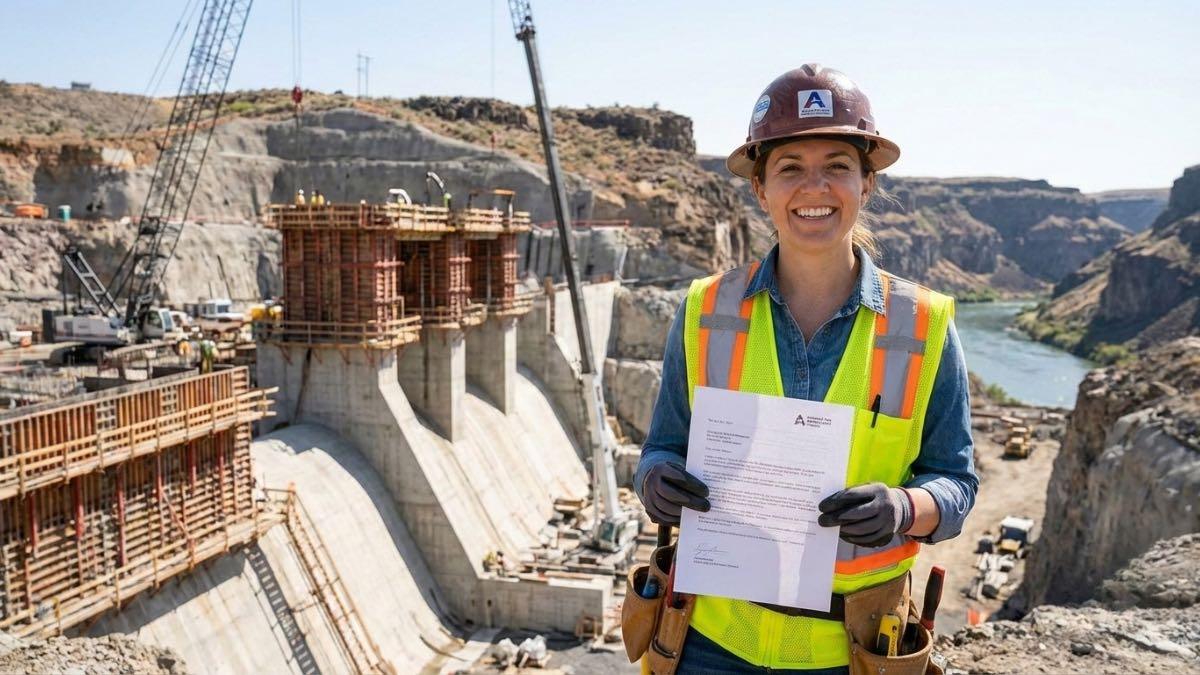
The first quarter of the year is no longer a warm-up period for contractors in the United States. January through March has become the most critical forecasting window for construction companies that want to anticipate demand, protect margins, and allocate resources correctly for the next twelve months. Decisions made during this period shape backlog quality, staffing strategies, pricing discipline, and geographic focus long before projects break ground. Contractors who treat Q1 as an observation phase instead of a strategic intelligence phase consistently misread the year ahead.
In early 2026, the signals that matter most are no longer obvious. Permit volume alone is misleading, bid activity can be inflated by speculative estimating, and planning announcements often do not translate into starts. Contractors must learn how to read deeper indicators such as lender behavior, developer sequencing decisions, subcontractor booking patterns, material lead-time commitments, and early budget resets. These signals appear quietly in Q1 and usually dictate who grows with control and who chases volume blindly later in the year.
Builder Inteligence

Capital signals that appear before projects move
One of the most reliable indicators between January and March is how capital behaves before construction activity accelerates. Contractors should monitor lender underwriting posture, equity partner requirements, and the speed at which financing conditions are clarified. When lenders request additional contingencies, stronger balance sheets, or tighter draw schedules early in the year, it signals a cautious capital environment even if headline demand appears strong. This directly impacts which projects will actually move forward and which will stall despite active pipelines.
Another capital signal is developer behavior around scope sequencing and phasing discussions. In Q1, owners often reveal whether projects will be value-engineered, delayed, or split into phases to reduce exposure. Contractors who pay attention to early scope adjustments gain insight into true demand elasticity and can forecast which market segments will compress margins later in the year. Ignoring these conversations leads to overestimating backlog reliability.
Finally, insurance and bonding conversations in Q1 provide early warnings about cost pressure. When carriers tighten underwriting or raise premiums early, it usually reflects expectations of higher claim activity and dispute frequency. Contractors who factor these signals into their annual forecasts adjust pricing and contract terms before the competitive environment becomes crowded.
Workforce and subcontractor availability patterns
Labor behavior in the first quarter is one of the most underestimated forecasting tools in construction. Subcontractors rarely announce capacity constraints publicly, but their availability, bid responsiveness, and pricing tone in Q1 reveal how stretched the market will become later. When key trades begin limiting bid participation or requesting early commitments in February or March, it indicates demand concentration that will intensify by mid-year.
Contractors should also track workforce mobility during this period. Hiring difficulty, wage escalation by trade, and retention challenges early in the year often predict productivity pressure and schedule risk for the remainder of the cycle. If skilled labor is already scarce in Q1, it will not improve during peak season. Companies that read these signals early shift strategy toward fewer, higher-quality projects instead of volume expansion.
Additionally, early training investment decisions matter. Contractors who delay onboarding or training programs until workload increases often suffer from elevated rework and safety incidents later. Q1 workforce signals help determine whether operational discipline or headcount growth should be prioritized.


Material commitments and supply chain behavior
Material markets reveal their direction well before pricing headlines catch up. In the first quarter, manufacturers and distributors communicate lead-time changes, allocation policies, and contract pricing structures that define the year ahead. Contractors who secure material commitments early gain schedule certainty and pricing stability, while those who wait face volatility and reactive procurement.
Another overlooked signal is the willingness of suppliers to hold pricing or guarantee delivery windows. When suppliers resist long-term commitments in Q1, it suggests uncertainty that will cascade into scheduling risk later. Conversely, when suppliers push early lock-ins, it often reflects expectations of rising demand or constrained production capacity.
Monitoring logistics performance during Q1 also matters. Port congestion, regional trucking availability, and warehouse inventory turnover provide early insight into whether material flow will support aggressive schedules or require conservative planning assumptions.
Regional demand divergence and market selection
January through March is when regional divergence becomes visible. Some markets show aggressive pre-leasing, early site work activity, and accelerated entitlement approvals, while others stagnate despite strong marketing narratives. Contractors must identify where capital, labor, and permitting alignment actually exists rather than relying on national averages.
Local government behavior is another forecasting tool. Jurisdictions that accelerate approvals early in the year signal pro-growth momentum, while those that introduce delays or regulatory uncertainty often slow starts later. Contractors who align regional strategy with these signals outperform competitors chasing saturated or politically constrained markets.
Understanding which sectors dominate regional pipelines also matters. Data centers, infrastructure, industrial, and logistics projects follow different financing and scheduling rhythms than residential or mixed-use developments. Q1 reveals which sectors will absorb labor and capital disproportionately during the year.
More from Builder Inteligence

FAQ – What contractors should watch in January–March to forecast 12 months ahead
1. Why is the first quarter so important for construction forecasting?
The first quarter reveals capital behavior, labor availability, and supply chain conditions before projects officially start. These early signals determine which pipelines will convert into real work and which will stall, making Q1 the most reliable forecasting window for the year.
2. Are permits and planning data reliable indicators in Q1?
Permits and planning data alone are not reliable because many projects enter planning without secured financing or committed schedules. Contractors must combine these metrics with lender behavior, subcontractor availability, and material commitments to assess real demand.
3. How can contractors read lender behavior early in the year?
Contractors should pay attention to contingency requirements, bonding limits, draw schedule flexibility, and approval timelines discussed in Q1. Tighter conditions usually indicate a cautious year ahead even if demand appears strong on paper.
4. What labor signals matter most between January and March?
Early subcontractor availability, wage escalation by trade, bid selectivity, and hiring difficulty provide clear signals. If labor is constrained early, productivity pressure and schedule risk will intensify during peak season.
5. How do material markets signal future volatility in Q1?
Supplier willingness to lock pricing, guarantee delivery windows, or request early commitments reveals expectations of volatility. Resistance to commitments often signals uncertainty that will affect schedules and budgets later.
6. Should contractors adjust pricing strategy based on Q1 signals?
Yes. Q1 signals help contractors decide whether to protect margins through selective bidding or pursue controlled growth. Waiting until mid-year usually forces reactive pricing under competitive pressure.
7. How does regional analysis improve forecasting accuracy?
Regional differences in capital flow, permitting speed, and sector dominance are clearer in Q1. Contractors who align strategy with these localized signals outperform those relying on national trends.