The construction industry is flooded with headlines every week, but very few of them actually change behavior. Over the next 90 days, however, a specific set of signals will shape real decisions across bidding, staffing, financing, and project selection. Contractors who treat this period as noise will react late. Those who understand which headlines matter will reposition early and protect margins before market shifts become obvious.
The next quarter is not about forecasts for years ahead. It is about immediate adjustments. Banks, owners, subcontractors, and developers are already reacting to near-term pressures, and those reactions will determine which projects move forward, which get delayed, and which quietly disappear from pipelines that still look “full” on paper.


Financing and lending signals will override demand narratives
Even with demand present in many regions, lending behavior is becoming the dominant decision filter. In the next 90 days, changes in underwriting standards, reserve requirements, and contingency expectations will directly affect which projects receive green lights. Many projects that appear viable today will stall not because demand vanished, but because lenders are tightening assumptions around schedule risk, labor availability, and cost volatility.
This shift is subtle but decisive. Developers are already adjusting project scopes to fit lender comfort zones. Contractors who understand these constraints can align bids with financial reality instead of chasing projects that are structurally unfinanceable in the current environment. The headline to watch is not “rates may fall later.” It is how lenders are behaving right now.
Labor availability headlines will reshape bidding behavior
Labor stories over the next 90 days will matter more than material pricing updates. Reports on subcontractor shortages, wage pressure by trade, and workforce mobility will drive real pricing decisions. As availability tightens, bids will reflect not only cost, but access. Projects that cannot secure labor commitments will quietly lose momentum, regardless of owner intent.
Contractors who read these signals early will adjust bid strategies, focusing on projects aligned with their workforce reality. Those who ignore labor headlines will underprice risk and absorb it later through delays, rework, or margin erosion.
Insurance and risk headlines will affect who can even bid
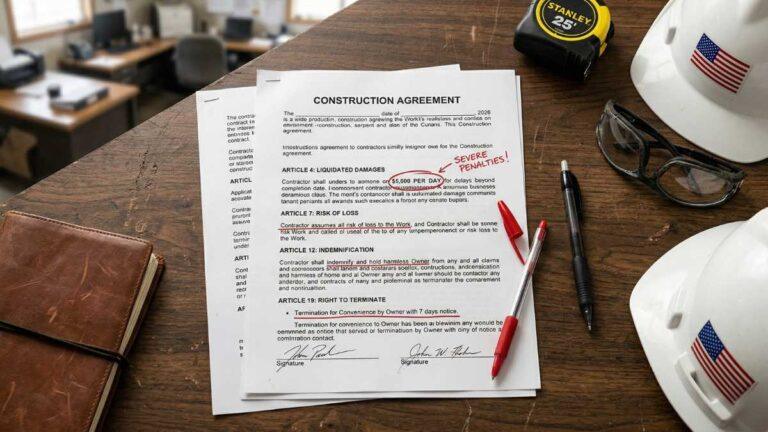
Construction insurance costs are no longer a background issue. Over the next quarter, updates on builder’s risk, general liability exclusions, and deductible structures will influence contractor eligibility. Some firms will find themselves priced out of certain projects not because of capability, but because insurance requirements no longer align with their profiles.
This is especially relevant in states facing climate exposure, litigation pressure, or regulatory change. Contractors who track insurance headlines closely can anticipate shifts in bid requirements and avoid wasted pursuit costs.

Regional signals will matter more than national averages
National construction headlines often hide regional reality. Over the next 90 days, local signals will matter far more. Infrastructure funding releases, industrial announcements, and municipal approvals will concentrate opportunity in specific states and metros. At the same time, other regions will slow despite positive national sentiment.
Contractors who rely on national averages will misread opportunity. Those who track regional headlines will position crews, capital, and marketing where decisions are actually being made.
Why the next 90 days define the rest of the year
This quarter is a compression zone. Decisions made now will lock in project pipelines, staffing levels, and financial exposure for the rest of the year. The headlines that matter are not speculative. They are operational. Financing behavior, labor availability, insurance constraints, and regional momentum will decide outcomes long before year-end forecasts catch up.
Contractors who understand this will move deliberately. Those who do not will react after leverage is lost.
Advertising


FAQ – Construction decision drivers in the next 90 days
1. Why do the next 90 days matter so much for construction decisions?
Because lenders, owners, and contractors are locking assumptions now that will shape project viability for the rest of the year. Financing terms, labor commitments, and insurance requirements established in this window rarely loosen later.
2. Which headlines should contractors ignore right now?
Long-term rate predictions, broad national averages, and speculative growth forecasts matter less than immediate lending behavior, labor availability, and regional approvals.
3. How does lending behavior affect contractors directly?
Lender constraints influence project scopes, schedules, and risk allocation, which directly shape bid structures and feasibility.
4. Why is labor availability more important than material pricing headlines?
Because without committed labor, projects stall regardless of material cost stability. Availability is now a gating factor.
5. How do insurance headlines change bidding strategy?
They determine eligibility, required coverage limits, and risk exposure, which can exclude contractors from projects regardless of capability.
6. Why are regional headlines more important than national ones?
Because construction activity is uneven. Opportunity clusters geographically based on funding, policy, and labor dynamics.
7. What should contractors adjust immediately?
Bid selection discipline, labor planning, and financial alignment with lender expectations.
8. What is the biggest mistake contractors make during this period?
Treating headlines as information instead of signals for immediate operational decisions.