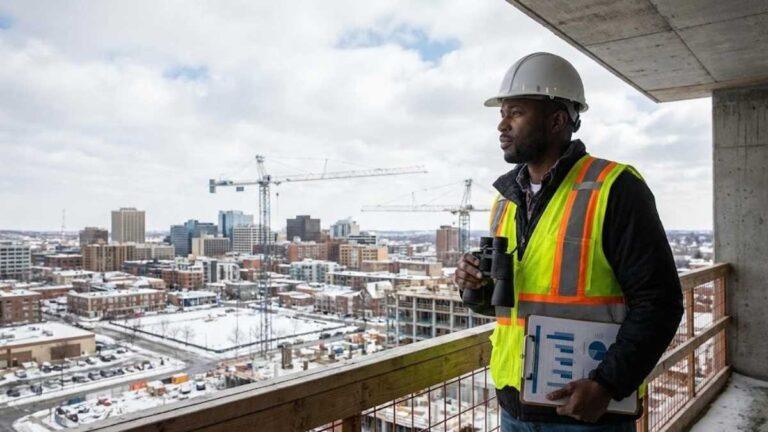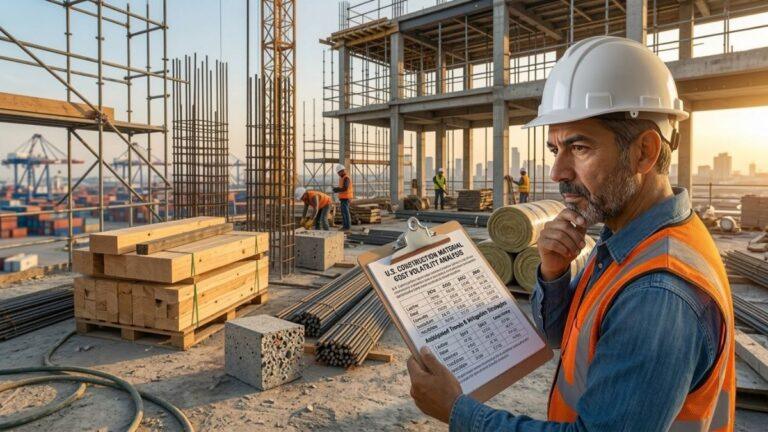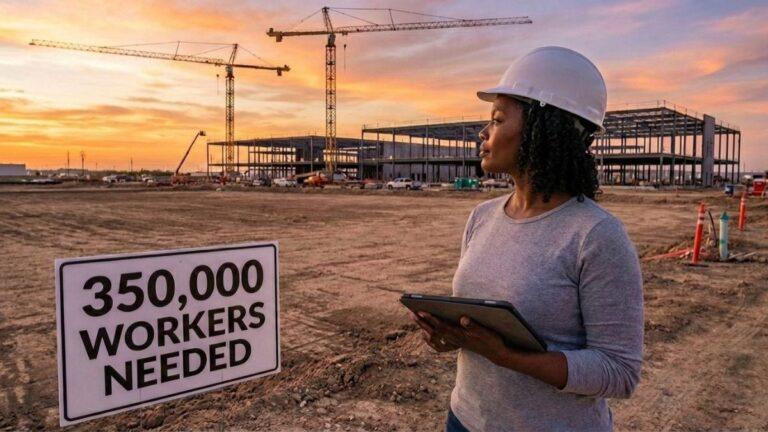
The construction industry is entering 2026 with a level of fragmentation that the market has not experienced in decades. National headlines still try to describe construction as a single cycle, but builders on the ground already know this narrative no longer reflects reality. In 2026, construction performance is no longer national. It is regional, local, and deeply tied to demographic shifts, capital allocation, infrastructure funding, and labor availability. Some markets are accelerating despite high interest rates, while others are effectively stalled even with strong long-term demand indicators.
What separates outperforming markets from struggling ones is not optimism or sentiment. It is structural alignment. Regions that are winning in 2026 share several characteristics that compound demand instead of suppressing it. Population inflows remain strong, industrial investment continues to land, infrastructure spending is translating into actual starts, and private capital still finds enough margin certainty to move forward. Markets missing one or more of these elements are falling behind regardless of how strong their historical construction cycles once were.
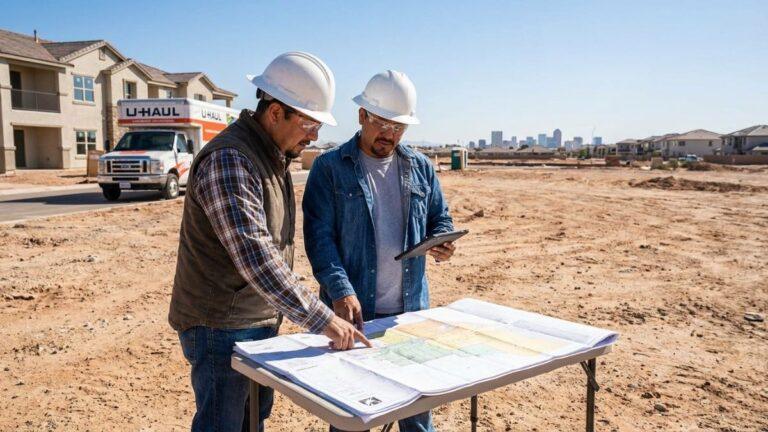
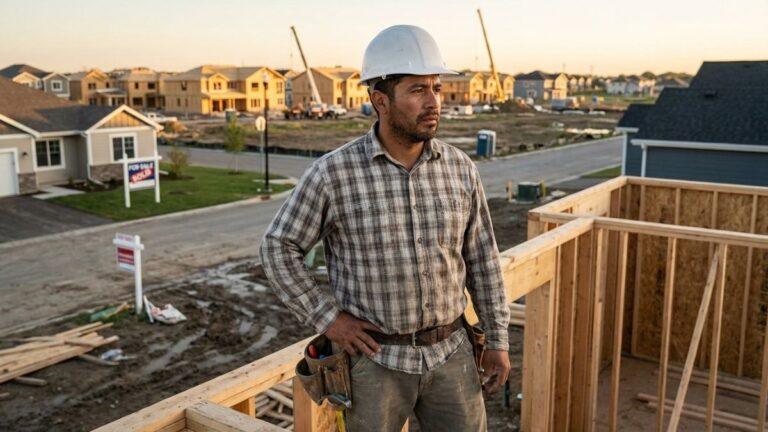
One of the clearest drivers of outperformance in 2026 is sustained population migration combined with employment growth. States in the Southeast, parts of the Southwest, and selected Midwest logistics corridors continue to absorb net population inflows, which directly feeds residential construction, light commercial development, and long-term public investment. This is not speculative growth. It is demand driven by housing shortages, workforce relocation, and corporate site selection strategies that favor lower operating costs and regulatory predictability.
Texas, Florida, Georgia, North Carolina, Tennessee, Arizona, and select Midwest hubs tied to logistics and manufacturing are outperforming because they sit at the intersection of people, jobs, and infrastructure. These markets are not immune to volatility, but they are better positioned to absorb it. Even when projects slow, pipelines remain alive. Developers pause instead of canceling. Contractors rebid instead of shutting down divisions. Capital waits rather than exiting.
Builder Inteligence
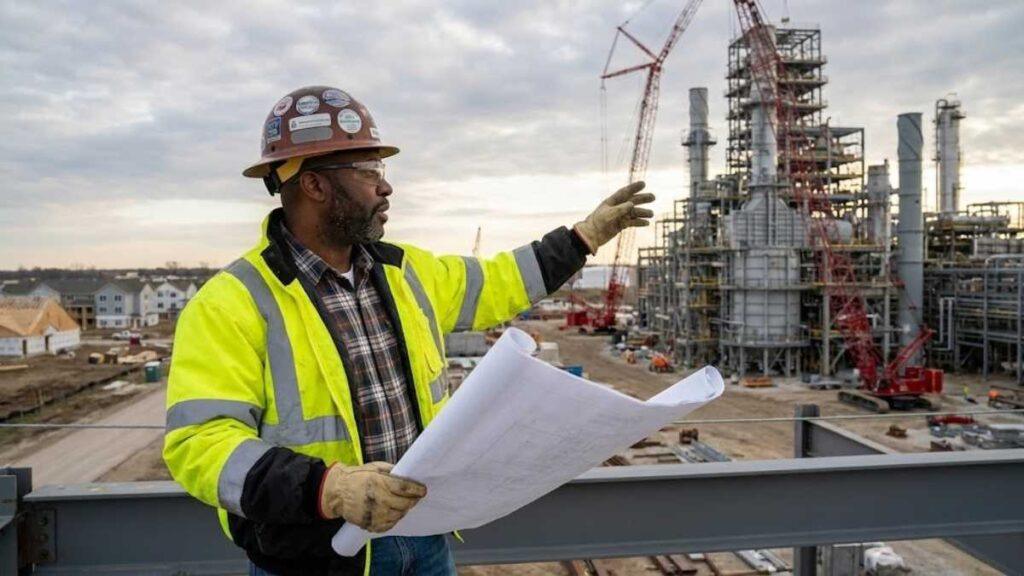
Industrial construction continues to be a defining factor in market divergence.
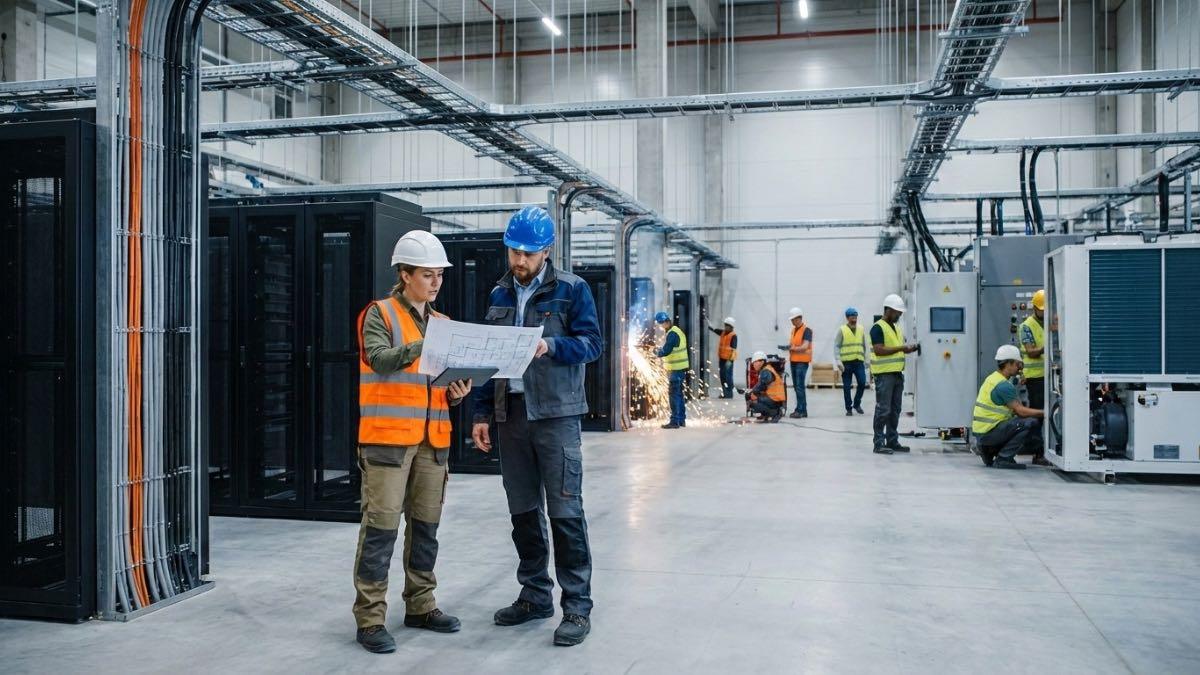
Data centers, advanced manufacturing, energy infrastructure, and logistics facilities are reshaping nonresidential demand in 2026. Regions attracting these projects benefit from long-duration pipelines that stabilize local construction economies. These projects pull in skilled labor, justify equipment investment, and support subcontractor ecosystems that remain active even when residential cycles soften. Markets without industrial anchors are feeling the contrast sharply.
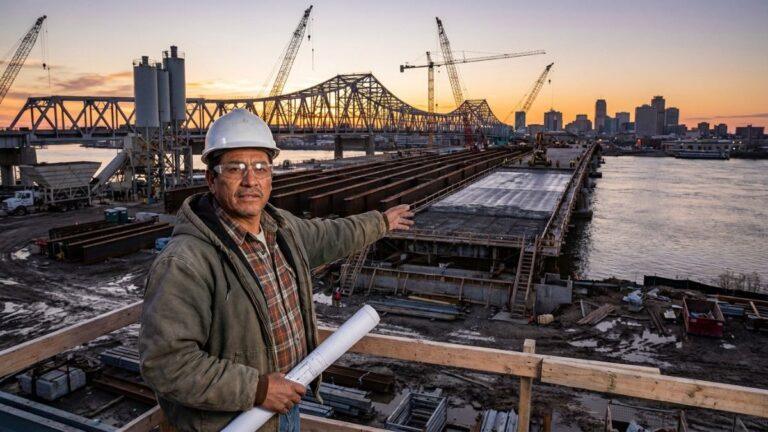
Infrastructure spending is another separator, but not all funding translates into real work. Winning markets are those where state and local governments have the administrative capacity to move federal and state dollars into active projects. Transportation corridors, port expansions, utility upgrades, water systems, and public facilities are creating steady backlogs in specific regions, while other states remain stuck in planning and procurement bottlenecks. For contractors, this distinction matters more than headline funding announcements.
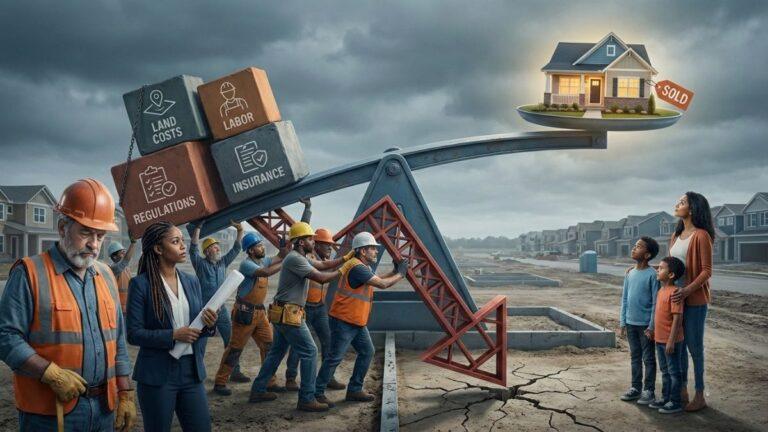
Labor dynamics reinforce these regional divides. Markets that outperform in 2026 are not necessarily those with the cheapest labor, but those with consistent labor availability. Contractors in winning regions are adjusting schedules, pricing, and scope strategies to secure crews early, even at higher wage levels, because volume and continuity justify the investment. In weaker markets, labor shortages combine with weak pipelines to create unsustainable cost structures that discourage bidding altogether.
From a contractor perspective, the most dangerous mistake in 2026 is treating all markets as equal. Expansion decisions, hiring plans, equipment purchases, and marketing strategies must be market-specific. Builders who concentrate resources in regions with structural tailwinds will outperform peers chasing national averages. Those who ignore regional realities will experience margin compression, idle capacity, and unpredictable pipelines regardless of how strong their historical performance once was.
The 2026 construction outlook rewards clarity over optimism. The markets that outperform are not guessing. They are aligned with migration, employment, infrastructure execution, and industrial capital. For contractors, recognizing where these forces intersect is no longer optional. It is the difference between controlled growth and reactive survival.
More from Builder Inteligence

FAQ – 2026 construction outlook: the markets that will outperform the rest
1. Why is construction performance so different by region in 2026?
Construction performance varies because demand drivers are no longer synchronized nationally. Population migration, industrial investment, infrastructure execution, and labor availability differ significantly by region. Markets where these factors align experience sustained activity, while others stall despite similar economic headlines.
2. Which U.S. regions are expected to outperform in 2026?
Regions in the Southeast, Southwest, and selected Midwest logistics hubs are outperforming due to population growth, industrial projects, and infrastructure spending. States such as Texas, Florida, Georgia, North Carolina, Arizona, and Tennessee continue to attract both people and capital.
3. How do data centers and industrial projects affect local construction markets?
Data centers and industrial projects create long-term pipelines that stabilize demand. They support subcontractor networks, justify equipment investment, and sustain skilled labor pools. These projects reduce volatility and anchor nonresidential construction even when other sectors slow.
4. Does infrastructure funding guarantee construction growth in a market?
No. Funding alone is not enough. Markets outperform only when governments can convert funding into active projects. Administrative delays, procurement bottlenecks, and permitting issues prevent many regions from realizing announced infrastructure investments.
5. How should contractors adjust strategy based on regional outlooks?
Contractors should tailor expansion, hiring, pricing, and marketing strategies to specific regional conditions. Concentrating resources in structurally strong markets improves margin stability, pipeline visibility, and workforce retention compared to chasing national averages.