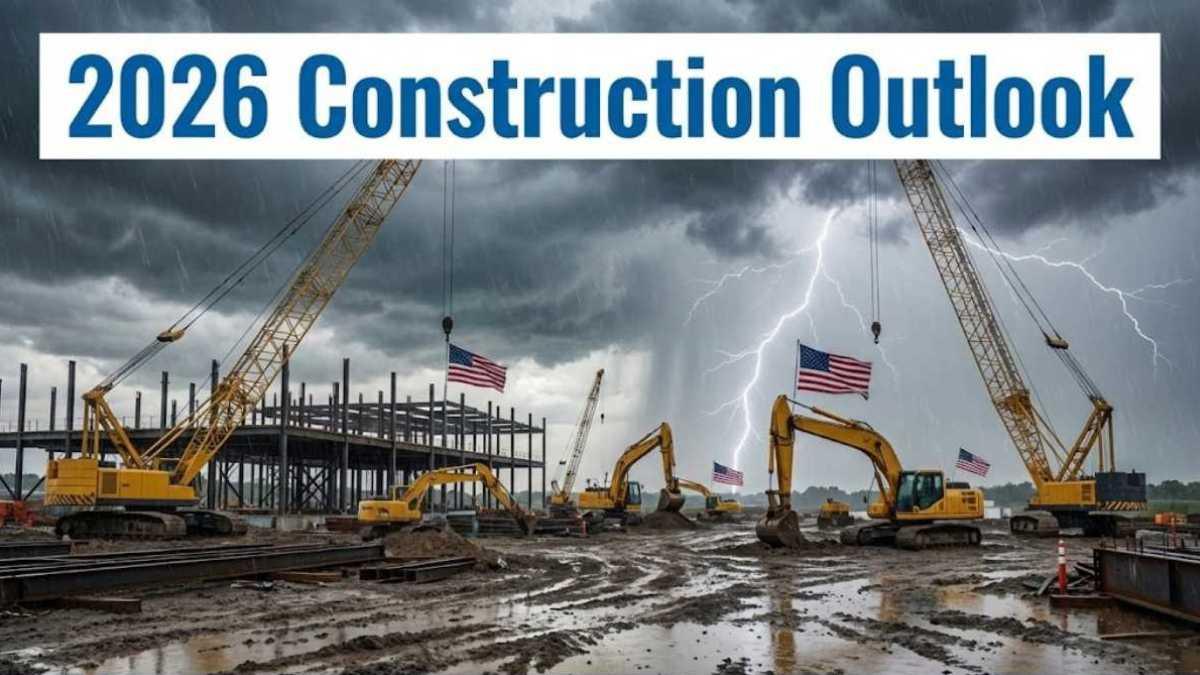
construction outlook 2026: this year will not be gentle with construction companies
Why U.S. builders who fail to adapt will be left behind
The U.S. construction industry is entering 2026 under pressure — not from lack of demand, but from structural change.
This is not a cyclical slowdown.
This is a redefinition year.
Builders, contractors, and construction leaders across the United States are facing a market where visibility, planning, workforce strategy, and operational clarity matter as much as execution on site.
And the companies that fail to adjust will not disappear overnight —they will slowly lose margin, talent, and relevance.
2026 is not a “wait and see” year for U.S. construction companies
For decades, construction survived by experience alone.
In 2026, experience without adaptation is a liability.
Economic uncertainty, uneven sector growth, labor shortages, technology acceleration, regulatory complexity, and rising operational risk are converging at the same time.
This creates a simple reality:
In the U.S. construction market, standing still now means falling behind.
Builders who treat 2026 as “just another year” will discover — too late — that the rules changed while they were busy working.
Uneven growth will define the U.S. construction market
Costruction activity in the United States is not collapsing — it is fragmenting.
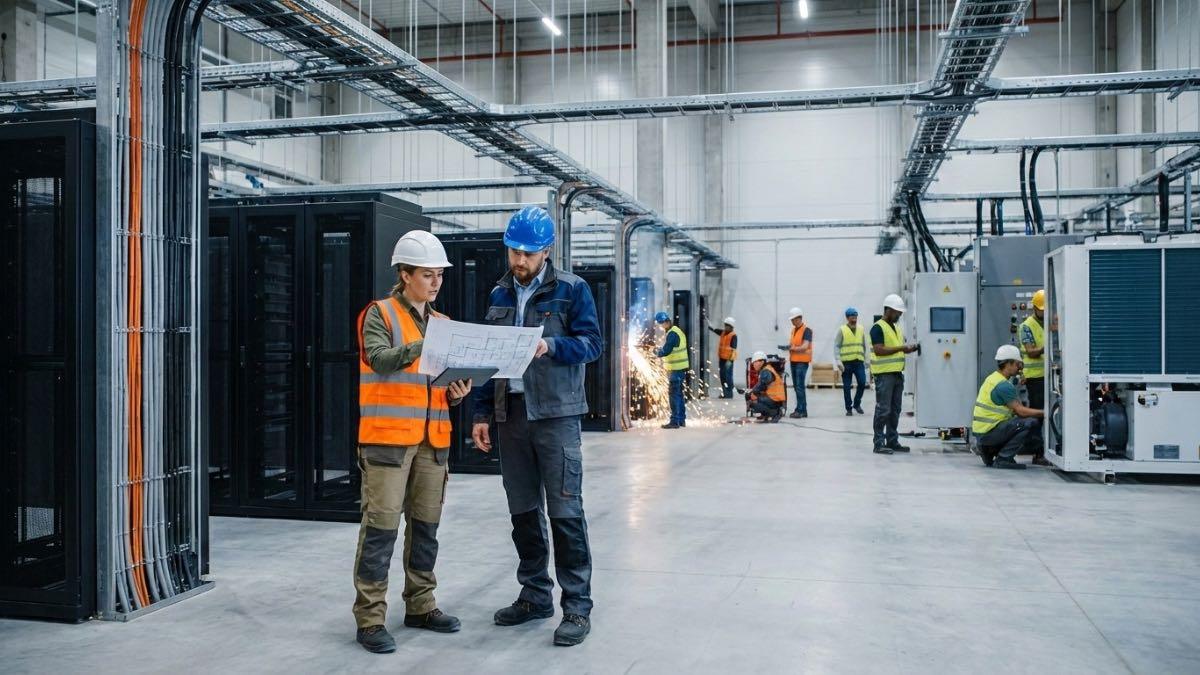
Infrastructure, energy, data centers, advanced manufacturing, and select public projects continue to expand.
Residential and commercial construction are more selective, more cautious, and more competitive.
This uneven growth means outcomes will vary dramatically between companies operating in the same region, under the same economy.
The difference will not be demand.
It will be strategy, positioning, and visibility.
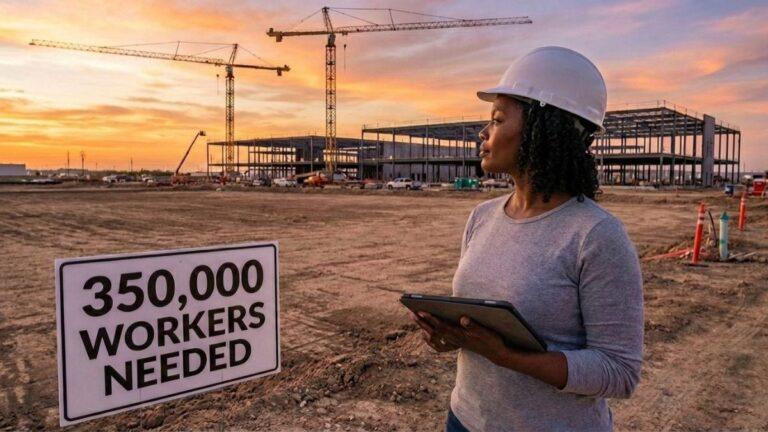
Labor shortages are no longer temporary in construction
The labor crisis in U.S. construction is not a phase.
It is structural.
Skilled workers are aging out.
Younger professionals are more selective.
And construction is competing with industries that sell flexibility, image, and clarity more effectively.
This has transformed workforce management into a branding and leadership issue, not just an HR problem.
Builders with weak culture, unclear communication, or invisible market presence will struggle to hire and retain talent — regardless of pay.
Construction technology now separates leaders from survivors
In previous cycles, technology adoption was optional.
In 2026, it is a competitive divider.
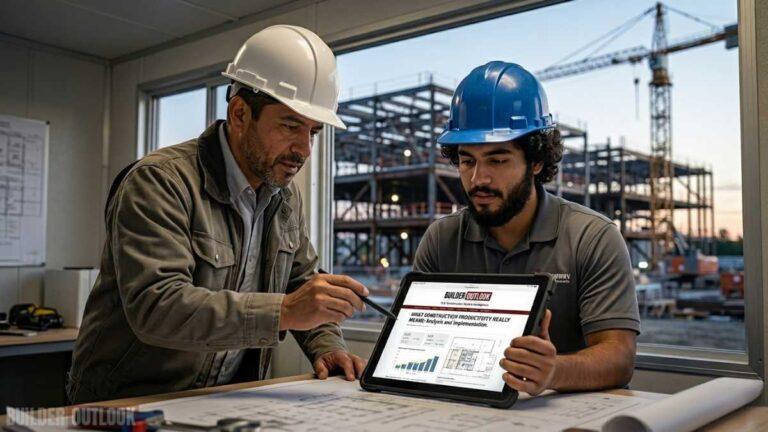
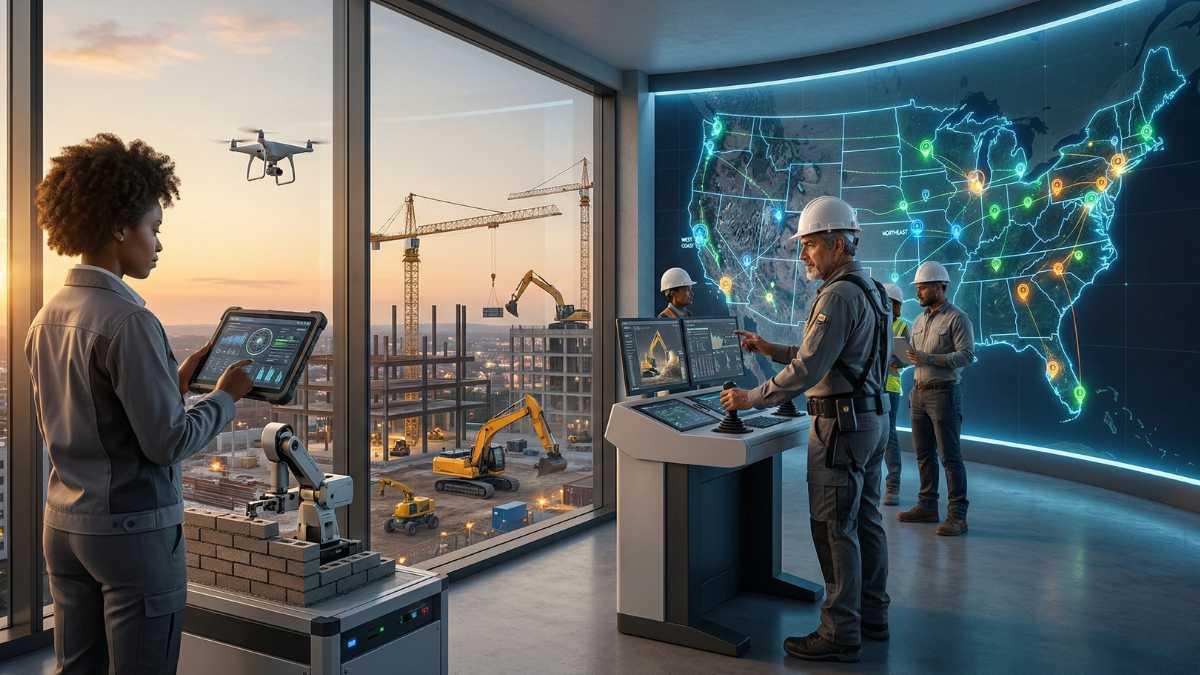
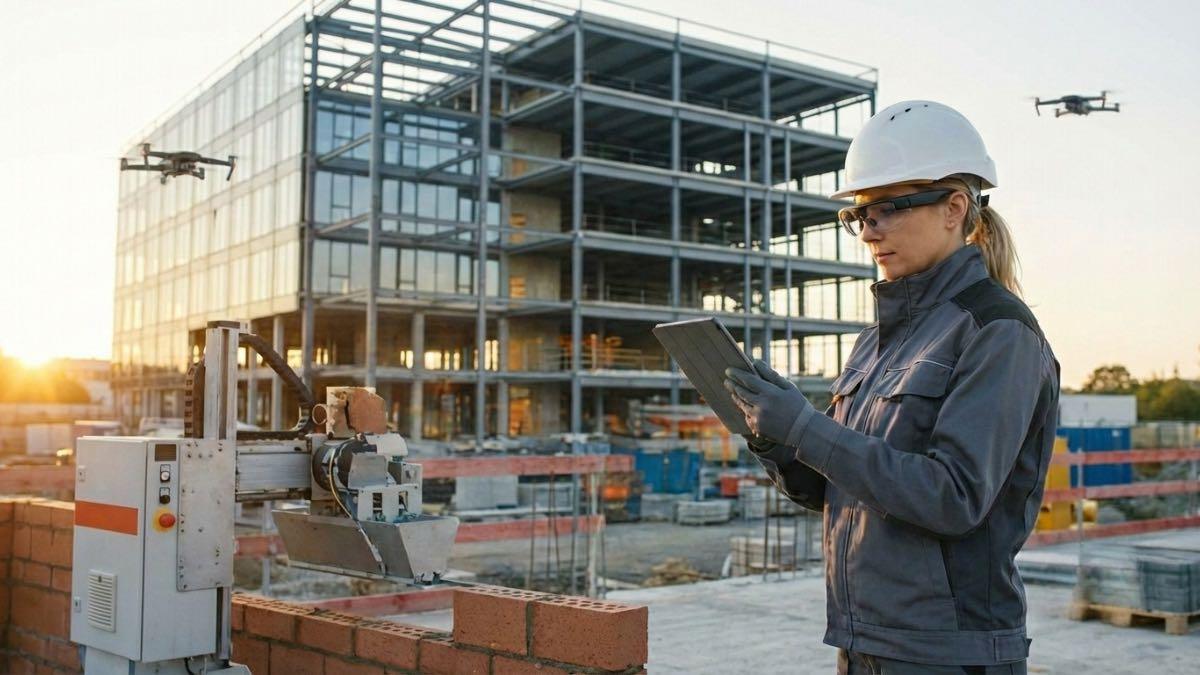
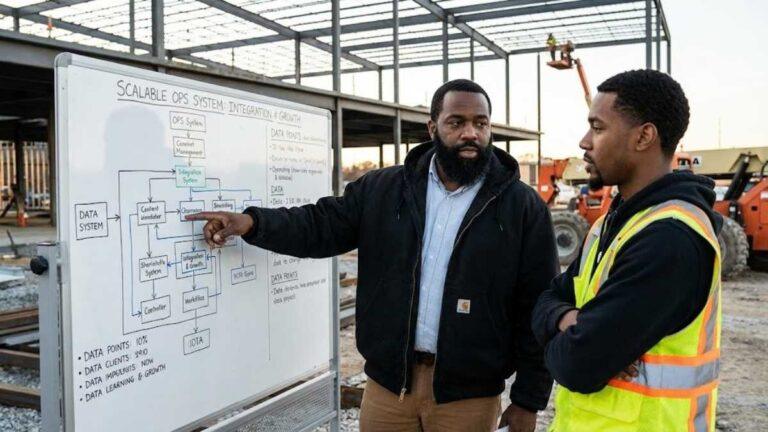
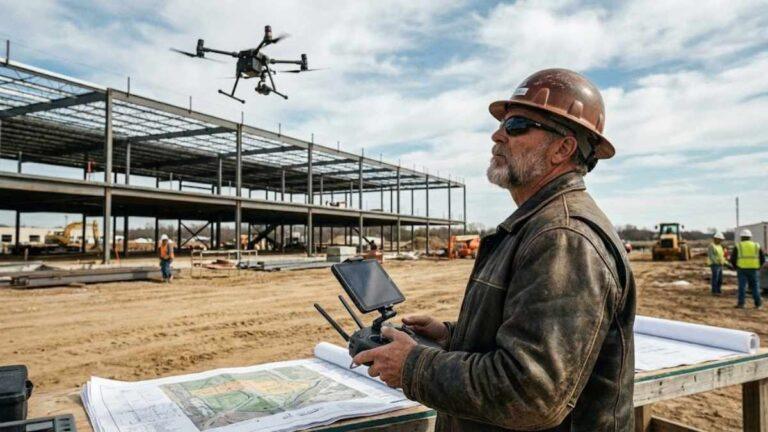
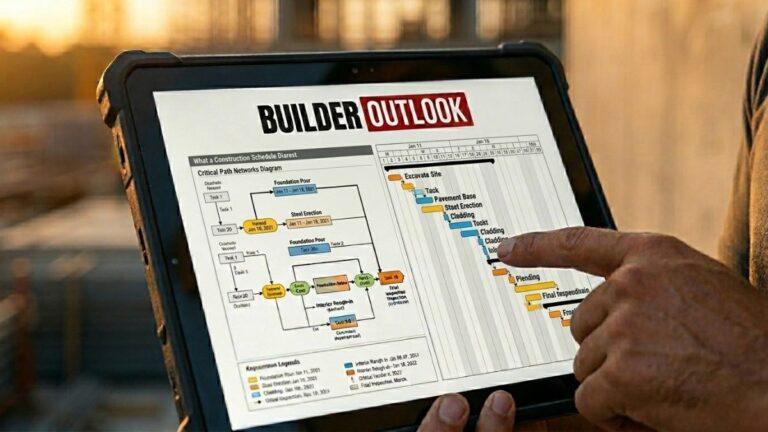
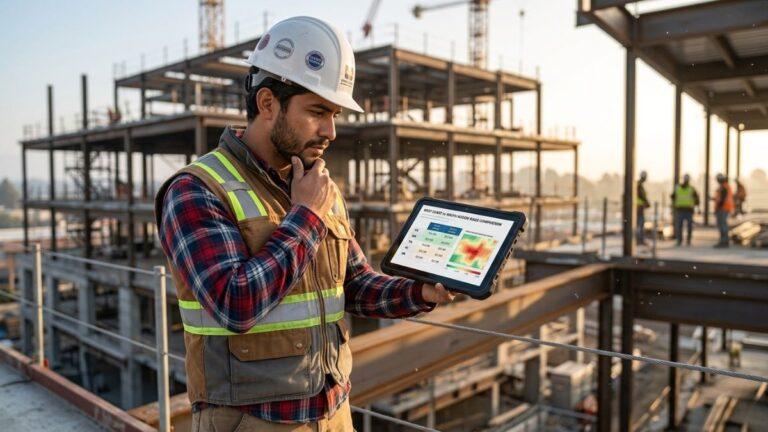
Project management platforms, estimating software, scheduling automation, AI-assisted planning, and data-driven forecasting are no longer about innovation — they are about control.
U.S. construction companies that refuse modernization will still operate, but they will:
• carry higher risk;
• burn margin;
• rely on manual decisions;
• react instead of plan.
Technology is not replacing builders.
It is replacing inefficiency, improvisation, and guesswork.
Risk management is now a core construction skill
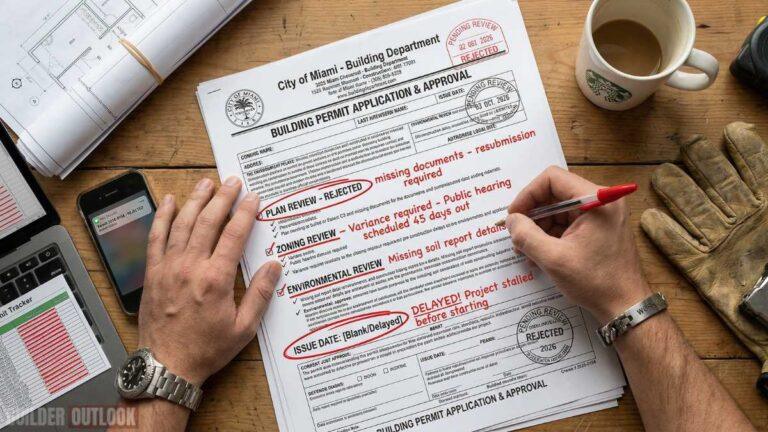
Tariffs, insurance costs, supply chain volatility, regulatory changes, and contract complexity are now permanent conditions of the U.S. construction industry.
Risk is no longer something to “handle when it appears.”
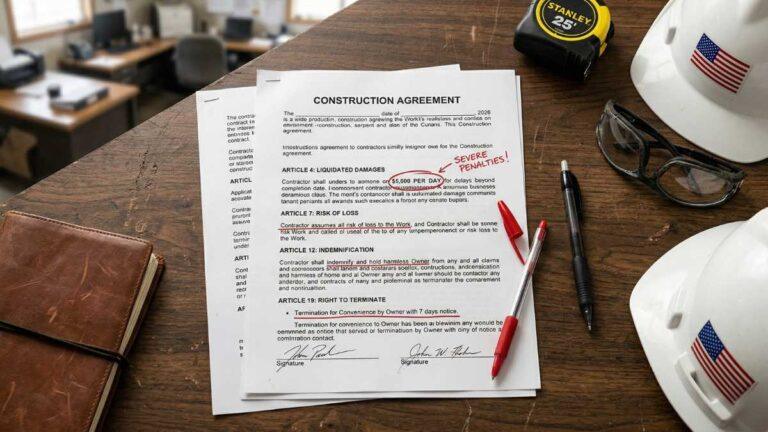
It must be anticipated, priced, documented, and communicated.
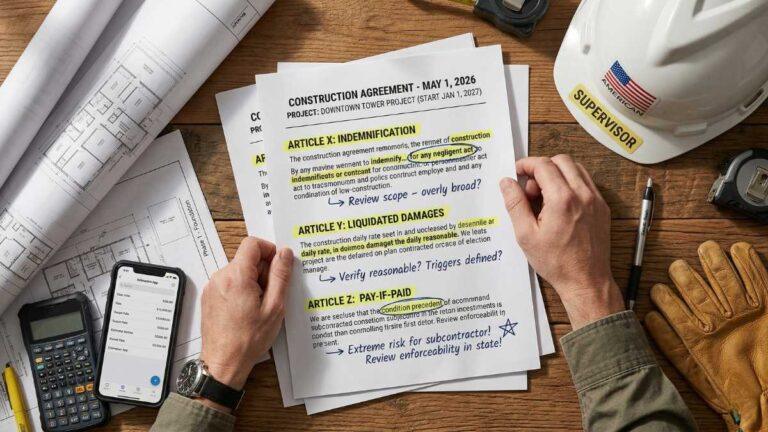
Builders entering 2026 without strong contracts, clear scopes, documented processes, and proactive communication are not flexible — they are exposed.
Construction clients in the U.S. are more informed than ever
Owners, developers, investors, and public entities are more educated, more comparative, and more cautious.
They research contractors online.
They evaluate credibility before making contact.
They compare companies long before issuing bids.
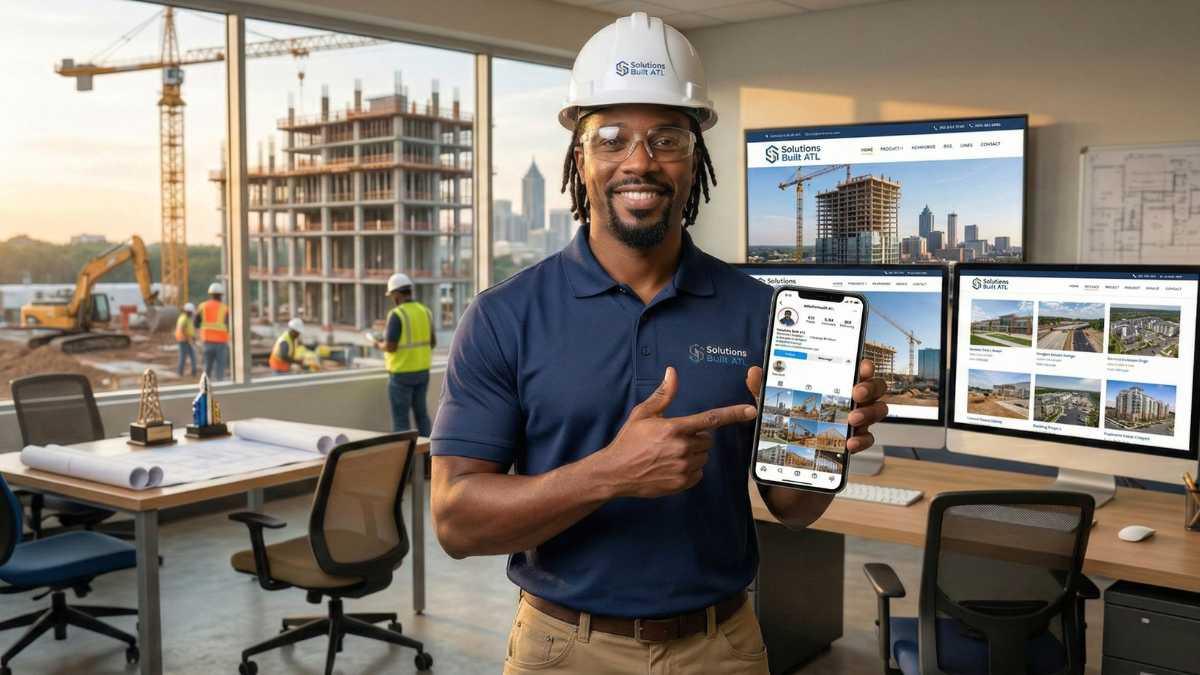
Your website, your messaging, your clarity, and your consistency now influence decisions before a conversation happens.
In 2026, silence is not neutral — it signals uncertainty.
Builder Inteligence

Visibility has become leverage for builders
Many construction companies still believe:
• “Our work speaks for itself.”
• “We rely on referrals.”
• “Marketing isn’t for builders.”
In 2026, this mindset limits growth.
Visibility is not about ego.
It is about trust at scale.
When your company is invisible, outdated, or inconsistent online, clients assume your operations are the same — whether that’s true or not.
The construction companies that will win in 2026
Across the U.S. market, winning builders will share common behaviors:
• They plan instead of improvise;
• They treat branding as credibility, not decoration;
• They adopt technology to reduce friction;
• They communicate clearly with clients and teams;
• They understand visibility as leadership;
• They adapt faster than competitors;
They stop defending how construction “used to work” and start designing how it should work now.
The builders who will struggle
Companies that struggle in 2026 will not fail because of the economy.
They will struggle because they:
• delay decisions
• resist change
• rely on past reputation
• ignore internal inefficiencies
• underestimate perception
• confuse busyness with progress
The U.S. construction market no longer rewards inertia.
2026 is a mirror year for construction leaders
This year will reflect exactly what a company is.
Strong systems will compound.
Weak foundations will be exposed.
There is no neutral outcome.
Perspective for U.S. builders and contractors in 20026:
Construction remains one of the most powerful industries in the United States.
But strength without evolution becomes fragility.
2026 will reward builders who lead — not just build.
Those who invest in clarity, visibility, technology, and leadership will grow.
Those who hesitate will work harder for less return.
Written for builders, contractors, and construction leaders operating in the United States.
If this perspective resonates — share it.
If you’re building for the long term — follow us.
If you’re ready to adapt — let’s talk.
Because in 2026, standing still is the most dangerous move you can make.
More from Builder Inteligence


FAQ — 2026 Construction Outlook (U.S. Builders & Contractors)
1 – Why is 2026 considered a defining year for the U.S. construction industry?
Because 2026 is not driven by a single economic force, but by multiple structural shifts happening simultaneously. Labor shortages, uneven sector growth, rising risk, accelerated technology adoption, and higher client expectations are converging. Companies that fail to adapt will not collapse instantly, but they will steadily lose margin, talent, and relevance in the U.S. construction market.
2 – Is the U.S. construction market shrinking in 2026?
No. The market is not shrinking — it is fragmenting. Certain sectors like infrastructure, energy, data centers, and advanced manufacturing continue to grow, while others move more cautiously. This uneven growth means results will vary widely between builders, even within the same region. Strategy and positioning now matter more than market conditions alone.
3 – How serious is the labor shortage in U.S. construction?
The labor shortage is no longer temporary — it is structural. Skilled workers are retiring faster than they are being replaced, and younger professionals are more selective about where they work. In 2026, labor challenges are tied directly to leadership, culture, and brand visibility, not just compensation.
4 – Why does branding matter for construction companies in 2026?
Branding is no longer about aesthetics. In 2026, branding equals credibility. Clients, workers, and partners evaluate construction companies online before engaging. A weak or invisible brand signals operational risk, even if the work itself is strong. In the U.S. construction market, perception increasingly influences opportunity.
5 – How is technology reshaping construction companies in 2026?
Technology is no longer optional or experimental. It separates controlled operations from reactive ones. Builders using modern project management, estimating tools, scheduling systems, and AI-assisted planning gain clarity, predictability, and margin control. Companies that resist technology will still operate — but at higher risk and lower efficiency.
6 – Is AI replacing builders and construction professionals?
No. AI is not replacing builders. It is replacing inefficiency, guesswork, and manual decision-making. In 2026, AI and automation tools support better planning, forecasting, and communication, allowing construction leaders to focus on execution and leadership rather than constant firefighting.
7 – Why is risk management more critical than ever in construction?
Risk has become a permanent condition of the U.S. construction industry. Tariffs, insurance costs, supply chain volatility, regulatory changes, and contract complexity are no longer exceptions. Builders who fail to anticipate, price, document, and communicate risk clearly expose their companies to margin erosion and legal vulnerability.
8 – How have construction clients changed in recent years?
Construction clients are more informed, comparative, and cautious. They research contractors online, evaluate reputation and clarity, and compare multiple options before initiating contact. In 2026, a lack of clear communication or visibility signals uncertainty and increases perceived risk for owners and developers.
9 – Why is visibility considered leverage for builders in 2026?
Visibility creates trust at scale. In a competitive U.S. construction market, being invisible does not mean being neutral — it means being overlooked. Clear messaging, consistent communication, and visible proof of competence reduce friction in decision-making and position builders as safer choices.
10 – What distinguishes construction companies that will succeed in 2026?
Winning companies share common behaviors: they plan instead of improvising, treat branding as credibility, adopt technology intentionally, communicate clearly, and adapt faster than competitors. They understand that leadership now extends beyond the jobsite into strategy, visibility, and organizational clarity.
11 – Why do some construction companies struggle despite strong demand?
Because demand alone no longer guarantees stability. Companies struggle when they delay decisions, rely solely on past reputation, resist operational change, or confuse being busy with making progress. In 2026, the U.S. construction market rewards adaptability, not inertia.
12 – What does “2026 is a mirror year” mean for builders?
It means the year will reflect exactly what a company is. Strong systems, clear leadership, and disciplined strategy will compound. Weak processes, unclear messaging, and outdated operations will be exposed. There is no neutral outcome — companies either strengthen or erode.
13 – Who is this construction outlook written for?
This analysis is written for builders, contractors, developers, and construction leaders operating in the United States who are focused on long-term relevance, operational clarity, and sustainable growth in a rapidly changing market.