Construction industry growth signals a new phase in the U.S.
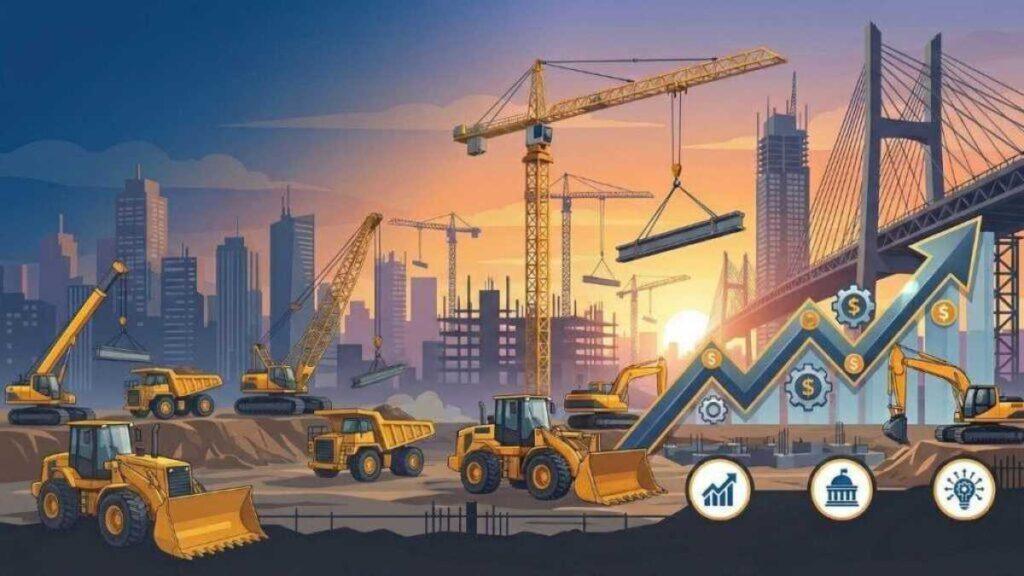
The U.S. construction industry is entering a new phase — one defined not by survival, but by strategic growth, infrastructure investment, and long-term confidence.
Recent performance indicators from companies like Construction Partners, which reported strong earnings and revenue growth, are not isolated events. They are signals. Signals that heavy construction, infrastructure development, and well-structured operations are positioned to outperform in the coming years.
This growth is not accidental. It is the result of market alignment, disciplined execution, geographic focus, and operational maturity.
And it offers important lessons for construction companies of all sizes across the United States.
Understanding the context: why heavy construction is performing so well
Heavy construction — including highways, bridges, civil infrastructure, and large-scale public works — has always been closely tied to economic cycles and government investment.
What’s different now is the scale and consistency of that investment.
Across the U.S., federal and state programs are accelerating spending on:
• Transportation infrastructure
• Road and highway modernization
• Urban development
• Logistics and freight corridors
• Public safety and resilience projects
This environment creates fertile ground for companies that are:
• Operationally prepared
• Financially disciplined
• Geographically positioned in growth markets
Construction Partners’ recent growth reflects this broader trend.
Strong earnings are a signal of market confidence
When a construction company reports increased earnings and revenue, it sends a message beyond the balance sheet.
It signals:
• Predictable project pipelines
• Strong backlog visibility
• Cost control and operational efficiency
• Confidence from public and private clients
In heavy construction, margins are often tight and risks are high. Sustained earnings growth suggests that the company is not just winning contracts, but executing them effectively.
For investors, this builds confidence.
For competitors, it raises the bar.
For the industry, it sets a benchmark.
Infrastructure spending is fueling long-term growth
One of the most important drivers behind the strong performance of heavy construction companies is infrastructure spending at the federal and state levels.
Programs aimed at rebuilding America’s roads, bridges, and transportation networks are injecting billions into the market.
This creates:
• Multi-year project visibility
• Stable revenue streams
• Reduced dependence on short-term cycles
Unlike residential construction, which can fluctuate with interest rates, infrastructure projects tend to be longer-term and more resilient.
Companies positioned in this segment benefit from predictability — a rare advantage in construction.
Advertising


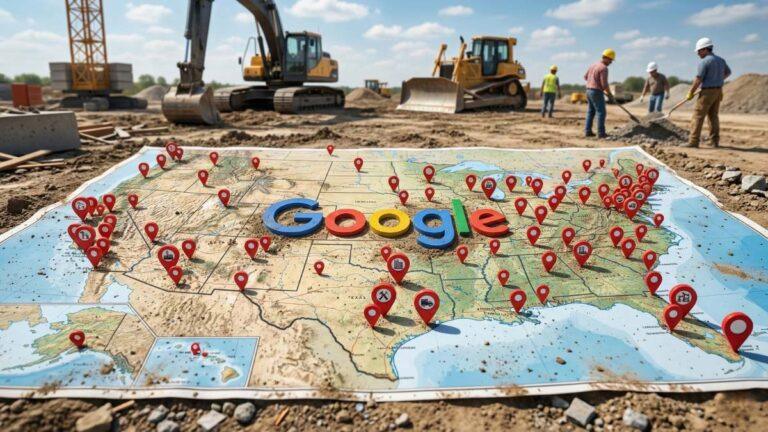
Geographic strategy matters more than ever
• Increased freight and distribution demand
A focused geographic strategy allows construction firms to:
• Build local relationships
• Optimize logistics and equipment usage
• Reduce operational complexity
Operational discipline is the real competitive advantage
Builder Inteligence

Investor confidence follows execution, not hype
The construction industry is not driven by trends or hype. It is driven by results.
Investors look for:
• Consistent revenue growth
• Margin stability
• Cash flow visibility
• Backlog strength
When these indicators align, confidence increases.
Construction Partners’ recent financial performance suggests that investors see:
• A company aligned with infrastructure demand
• A management team capable of execution
• A business model built for scale
This kind of confidence is earned — not marketed.
What this means for mid-sized and regional construction Companies
The success of large or publicly traded construction companies often feels distant to smaller firms. But the lessons are highly relevant.
Growth at scale reinforces several truths:
• Strategy matters
• Structure matters
• Positioning matters
Mid-sized and regional construction companies that want to grow must think beyond individual projects.
They must think in terms of:
• Market focus
• Operational systems
• Long-term positioning
Growth is not just about doing more work.
It’s about doing the right work, consistently.
Visibility and positioning are becoming strategic assets
As competition increases, construction companies are being evaluated long before the first bid or meeting.
Clients, partners, and investors are researching:
• Company reputation
• Past performance
• Online presence
• Market positioning
Companies that appear organized, established, and professional gain an advantage.
This applies to:
• Heavy construction firms
• Civil contractors
• Regional builders
• Infrastructure specialists
In today’s market, perception reinforces confidence.
Advertising

Why marketing and communication matter in heavy construction
Traditionally, heavy construction relied on relationships and reputation built offline. While those remain critical, the decision-making process has evolved.
Modern stakeholders also evaluate:
• Company websites
• Project portfolios
• Press mentions
• Thought leadership and industry presence
Marketing in construction is not about promotion.
It’s about credibility and clarity.
Clear communication supports:
• Investor relations
• Public sector trust
• Partnership opportunities
Companies that invest in professional communication strengthen their strategic position.
The role of digital presence in construction growth.
A strong digital presence supports growth by:
• Reinforcing legitimacy
• Improving discoverability
• Supporting recruiting efforts
• Aligning messaging across markets
This is especially important for companies operating in multiple states or regions.
Digital platforms now function as:
• First impressions
• Validation tools
• Reputation amplifiers
Ignoring them creates unnecessary friction.
Long-term growth requires integrated strategy
Sustainable growth in construction does not come from isolated decisions.
It comes from alignment between:
• Market selection
• Operational capacity
• Financial discipline
• Brand positioning
Companies that integrate these elements are better prepared to:
• Absorb large contracts
• Navigate economic shifts
• Maintain investor confidence
The success of companies like Construction Partners illustrates what happens when these components work together.
More from Builder Inteligence

What the market is telling us
Strong earnings and revenue growth in heavy construction are not anomalies.
They tell us that:
• Infrastructure investment is accelerating
• Well-structured companies are being rewarded
• Execution and discipline are differentiators
This environment favors companies that think long-term.
Lessons for the next generation of construction leaders
For emerging leaders and growing firms, the message is clear:
• Build systems before chasing scale
• Focus on markets with structural demand
• Invest in operational excellence
• Communicate professionally and consistently
Growth without structure creates risk.
Structure creates opportunity.

Frequently Asked Questions (FAQ)
1 – Why is heavy construction performing so strongly in the United States right now?
Heavy construction is benefiting from long-term federal and state infrastructure investments, including highways, bridges, and transportation networks. These projects provide predictable pipelines, multi-year contracts, and greater stability compared to more volatile construction segments.
2 – What does strong earnings growth signal in the construction industry?
Strong earnings growth signals operational efficiency, effective cost control, backlog visibility, and reliable execution. In construction, sustained profitability reflects discipline and maturity, not just an increase in project volume or short-term demand.
3 – How does infrastructure spending impact construction companies’ long-term growth?
Infrastructure spending creates consistent demand over several years, reducing dependency on economic cycles. Construction companies positioned in infrastructure benefit from stable cash flow, improved planning, and greater confidence from clients and investors.
4 – Why is geographic strategy so important for construction companies?
Construction growth is uneven across the U.S. States like Texas, Florida, and Georgia experience higher infrastructure demand due to population growth and logistics expansion. Companies operating in these regions gain efficiency, stronger local relationships, and better long-term opportunities.
5 – What differentiates high-performing construction companies from the rest of the market?
High-performing companies combine strong execution, disciplined project management, financial control, and strategic market focus. They rely on systems and processes rather than improvisation, which allows them to scale operations while managing risk effectively.
6 – Why does investor confidence matter so much in construction?
Investor confidence reflects belief in a company’s execution, backlog strength, and long-term viability. In capital-intensive industries like construction, confidence enables access to funding, supports expansion, and reinforces market credibility.
7 – How does online presence influence construction company credibility today?
Clients, partners, and investors research companies online before engaging. A professional website, clear positioning, and consistent communication reinforce legitimacy and trust, even in sectors traditionally driven by offline relationships.
8 – Is marketing really necessary for heavy construction and infrastructure companies?
Yes. Marketing in heavy construction is not about promotion but credibility. Clear communication, strong positioning, and professional digital presence support investor relations, public trust, recruitment, and long-term growth strategy.
9 – What lessons can mid-sized construction companies learn from industry leaders?
Mid-sized companies can learn the importance of structure, market focus, operational discipline, and long-term positioning. Growth comes from aligning systems, people, and strategy—not from chasing every available project.
10 – How does Caldas Marketing support construction companies focused on growth?
Caldas Marketing builds complete marketing and positioning operations for construction companies. The focus is on visibility, credibility, and strategic alignment, helping companies prepare for scale, attract better opportunities, and support long-term growth.