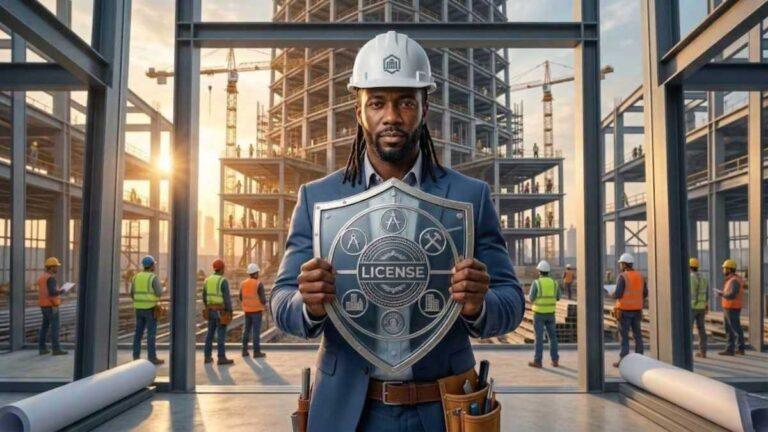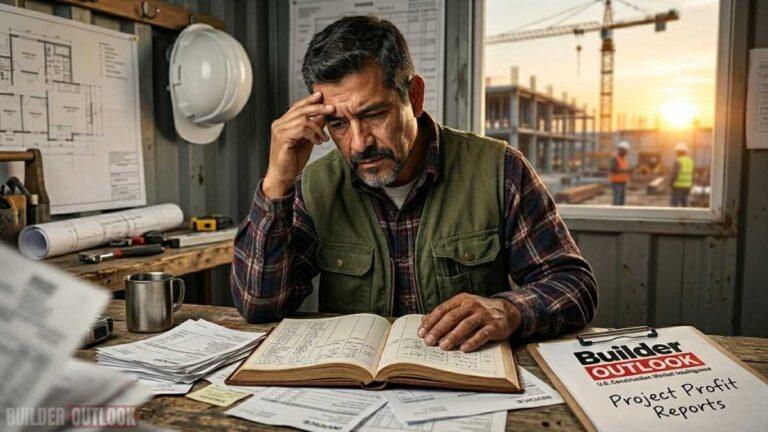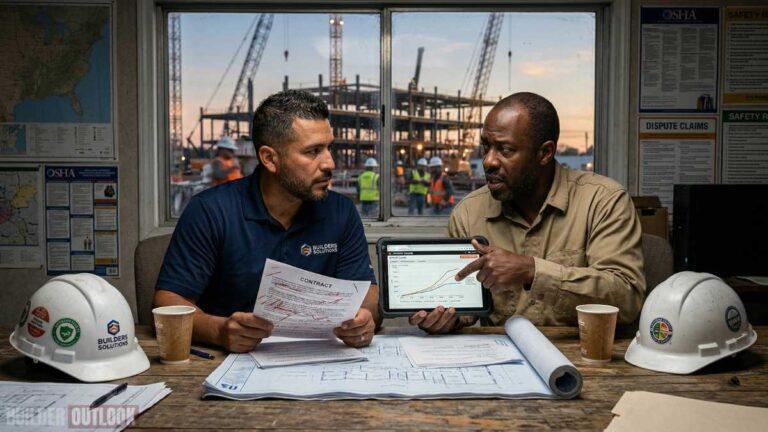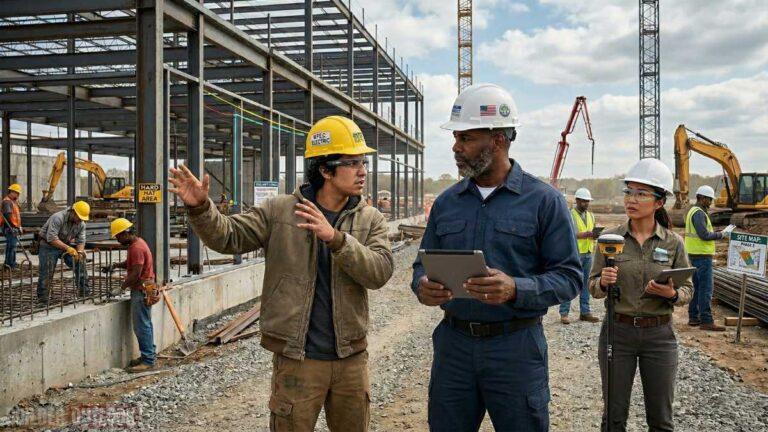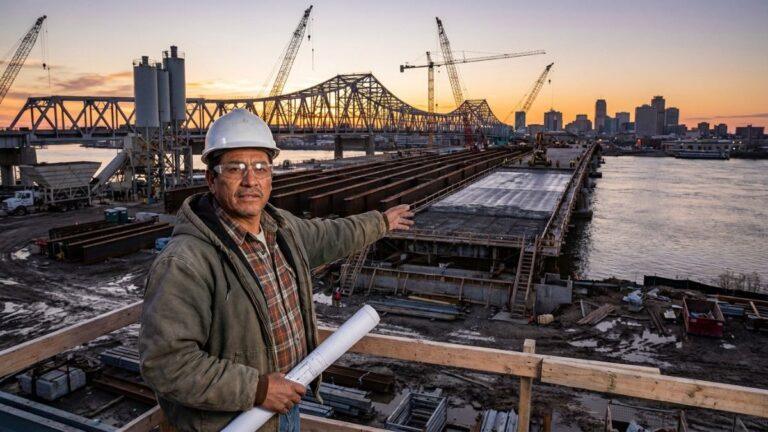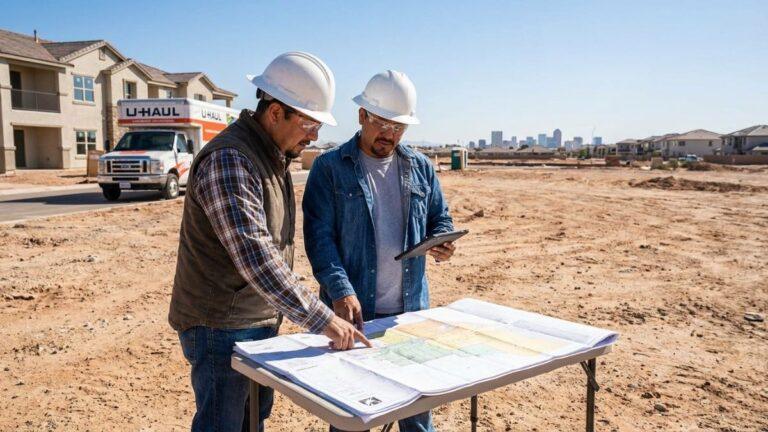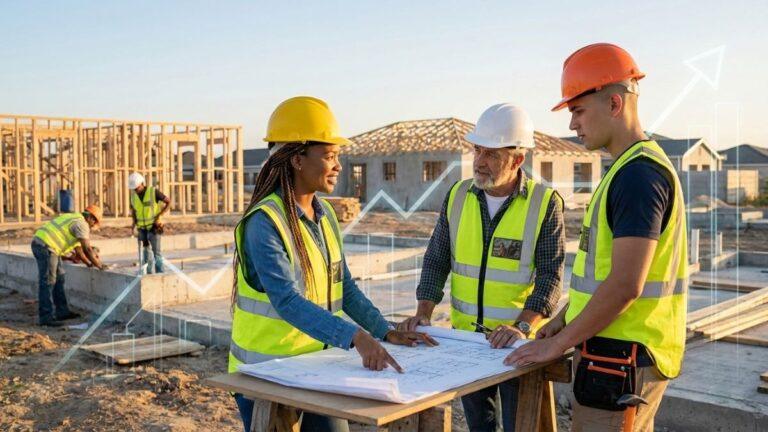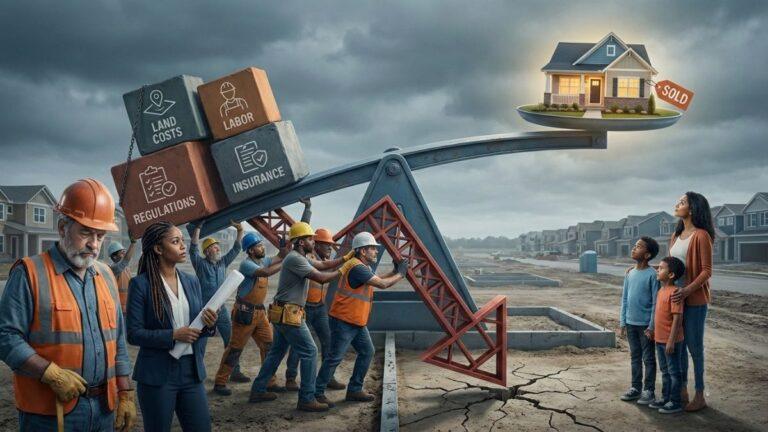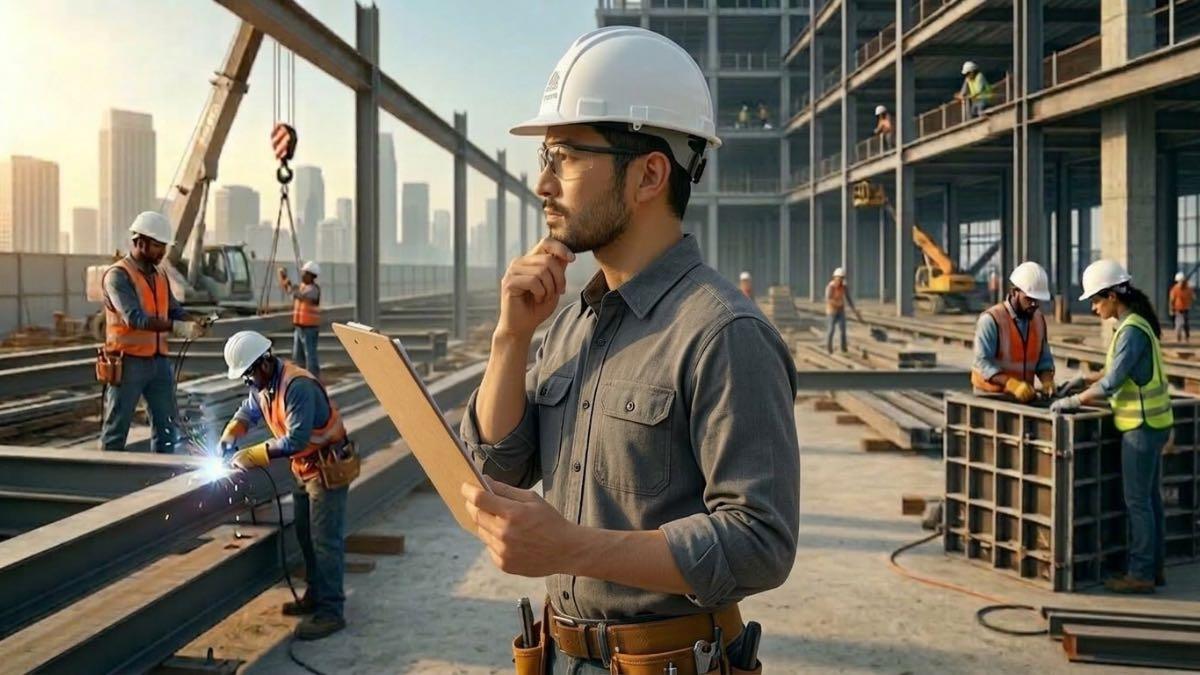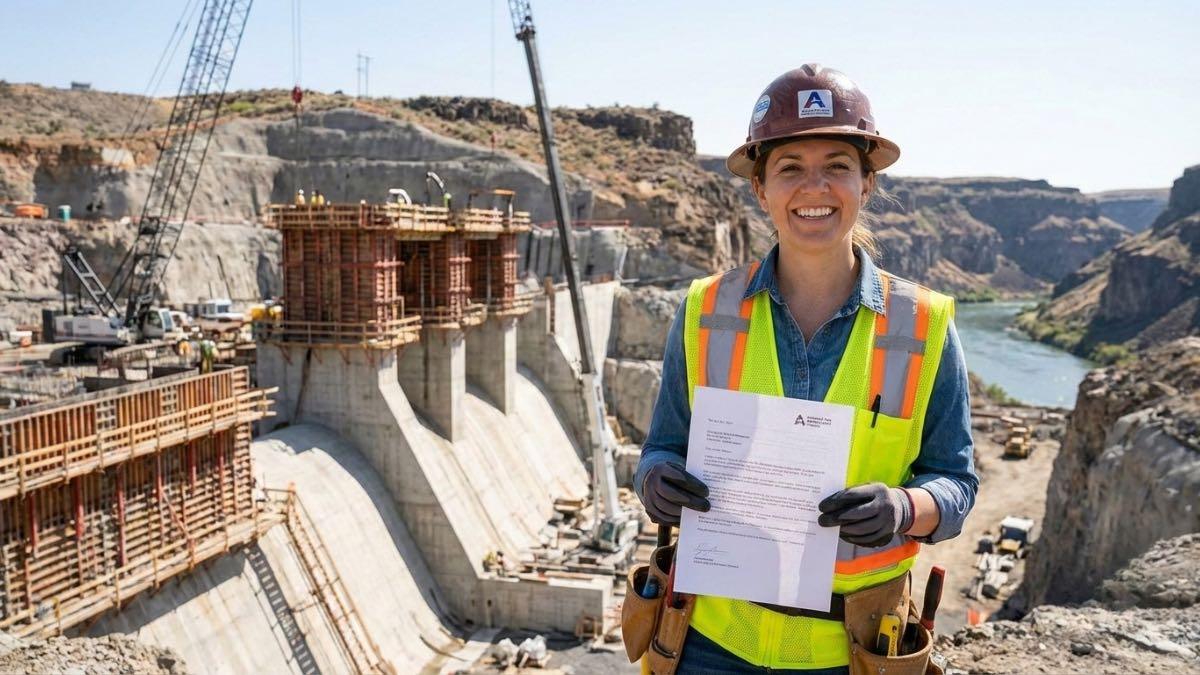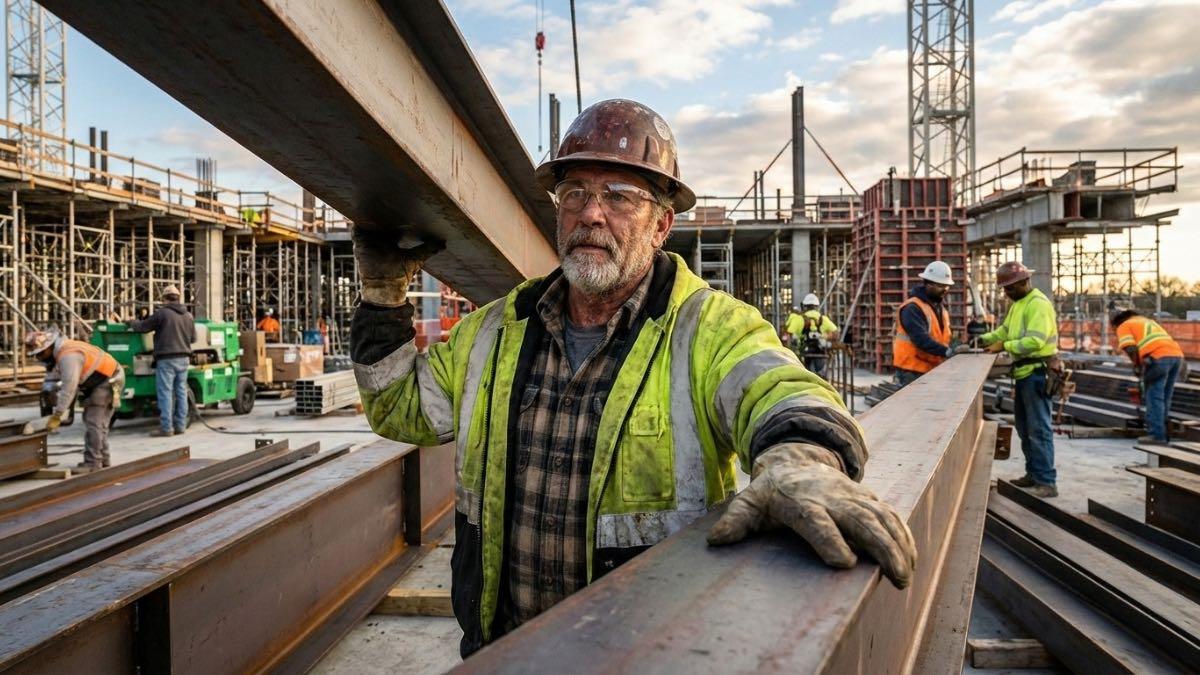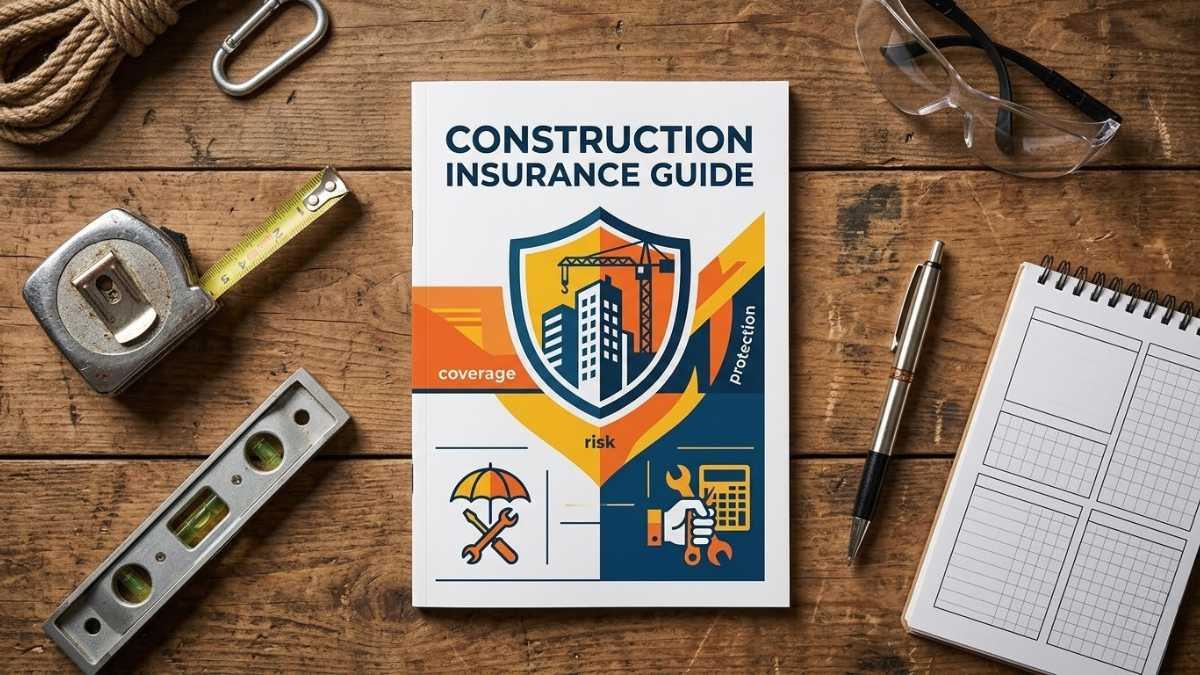
Insurance plays a fundamental role in the construction industry in the United States. Construction projects involve numerous risks, including workplace accidents, property damage, equipment loss, contractual disputes, and environmental hazards. Because construction work takes place in dynamic environments with heavy machinery, complex structures, and multiple subcontractors, unexpected incidents can occur even on well-managed job sites.
For contractors, insurance is not simply a regulatory requirement—it is a critical risk management tool that protects businesses from potentially devastating financial losses. Without adequate insurance coverage, a single accident or legal claim could jeopardize the stability of a construction company.
In many cases, project owners, developers, and government agencies require contractors to carry specific insurance policies before awarding construction contracts. These requirements ensure that financial responsibility exists if damage occurs during the project.
Understanding the types of insurance coverage available and how they protect construction businesses is essential for contractors who want to operate safely, comply with legal requirements, and maintain professional credibility within the industry.
Industry guidance on construction insurance and risk management is provided by organizations such as:
Insurance Information Institute
https://www.iii.org
and
Associated General Contractors Of America risk management resources
https://www.agc.org
These organizations publish research and guidance on insurance practices commonly used within the construction industry.
Why insurance is critical for construction companies
Construction projects involve significant financial investments and operational risks. Contractors must coordinate workers, equipment, materials, and subcontractors across complex job sites where hazards are constantly present.
Insurance helps transfer a portion of these risks from construction companies to insurance providers. When accidents occur, insurance policies can cover costs associated with medical treatment, property repairs, legal claims, and project disruptions.
Without insurance coverage, contractors would be responsible for paying these costs directly. In severe cases, lawsuits related to workplace injuries or structural damage can reach millions of dollars.
Insurance also provides credibility within the construction marketplace. Developers, lenders, and government agencies often verify contractor insurance coverage before approving construction contracts. Companies without adequate coverage may be excluded from bidding opportunities or partnership agreements.
For these reasons, insurance should be viewed as an essential component of construction business management rather than simply an administrative requirement.
General liability insurance for contractors
General liability insurance is one of the most important policies for construction companies. This coverage protects contractors against claims involving bodily injury or property damage caused by construction activities.
For example, if construction work damages a neighboring property or if a visitor is injured at a job site, general liability insurance may cover legal costs and compensation payments associated with the incident.
Most construction companies carry general liability policies because they provide broad protection against common risks encountered during construction projects. Many clients require proof of general liability coverage before allowing contractors to begin work.
Coverage limits vary depending on project size and risk exposure. Small residential contractors may carry policies with coverage limits of one million dollars, while large commercial construction firms often maintain significantly higher coverage limits.
Because liability claims can arise unexpectedly, general liability insurance represents a foundational layer of protection for construction businesses.
Workers’ compensation insurance and employee protection
Workers’ compensation insurance is another essential form of coverage within the construction industry. This insurance provides benefits to employees who suffer work-related injuries or illnesses.
Construction workers often perform physically demanding tasks that involve working at heights, handling heavy materials, and operating specialized equipment. Despite strong safety practices, injuries can occur in construction environments.
Workers’ compensation insurance typically covers medical expenses, rehabilitation costs, and a portion of lost wages for injured workers. In exchange for these benefits, employees generally agree not to pursue lawsuits against their employers related to workplace injuries.
Most states require construction companies to carry workers’ compensation insurance if they employ workers. Failure to maintain this coverage can result in significant penalties and legal liabilities.
Contractors can review state-specific workers’ compensation requirements through resources such as:
U.S. Department Of Labor workers’ compensation information
Ensuring proper workers’ compensation coverage protects both employees
and construction businesses from financial hardship following workplace incidents.
Lorem ipsum dolor sit amet, consectetur adipiscing elit. Ut elit tellus, luctus nec ullamcorper mattis, pulvinar dapibus leo.
Builder Inteligence
Advertising
Builders risk insurance for construction projects
Builders risk insurance, sometimes referred to as course-of-construction insurance, provides protection for buildings while they are under construction. This coverage protects against damage caused by events such as fire, storms, vandalism, or theft during the construction process.
Unlike general liability insurance, which covers third-party claims, builders risk insurance protects the physical structure being constructed. If a partially completed building is damaged before completion, builders risk insurance may cover repair or reconstruction costs.
Builders risk policies typically remain active until construction is completed and the property is ready for occupancy. At that point, permanent property insurance policies usually replace builders risk coverage.
Many lenders require builders risk insurance before financing construction projects because it protects the value of the property being developed.
Contractors working on large projects often collaborate with project owners to determine how builders risk coverage will be structured within the project contract.
Professional liability and specialized construction coverage
Certain construction professionals may require additional insurance policies depending on the nature of their work. Professional liability insurance, also known as errors and omissions insurance, protects companies against claims related to professional mistakes or design errors.
For example, if engineering calculations or architectural designs contain errors that lead to construction defects, professional liability insurance may cover legal claims arising from these issues.
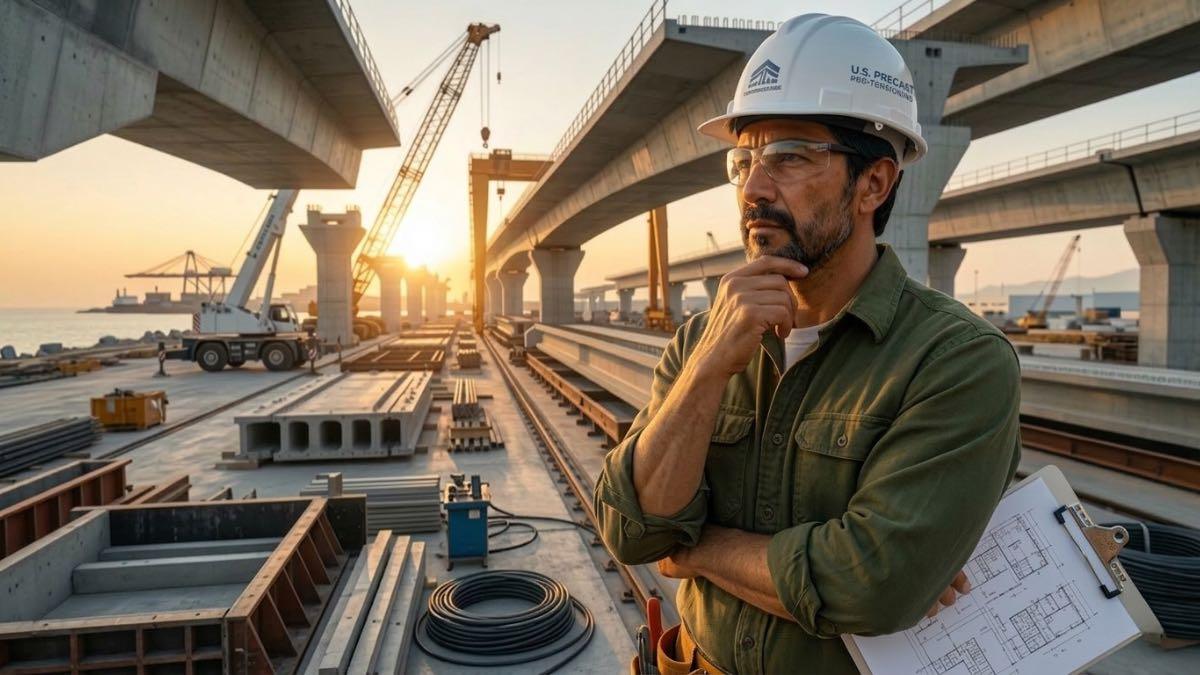
Specialized contractors may also require equipment insurance to protect valuable machinery used during construction projects. Heavy equipment such as excavators, cranes, and bulldozers represents major capital investments that require protection against damage or theft.
Contractors should evaluate their specific operations carefully when selecting insurance policies to ensure that all significant risks are addressed.
Working with insurance brokers who specialize in construction coverage can help contractors identify appropriate policies for their business activities.
Risk management strategies beyond insurance
While insurance is essential for protecting construction businesses, it should be combined with broader risk management strategies. Contractors who implement strong safety programs, employee training systems, and operational controls often reduce the likelihood of incidents that trigger insurance claims.
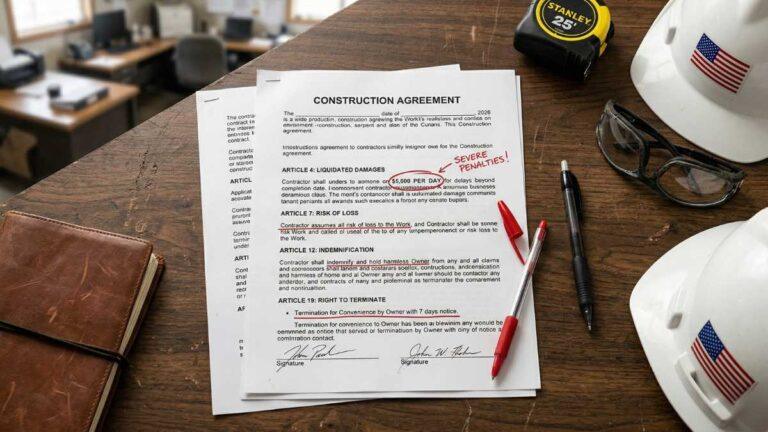
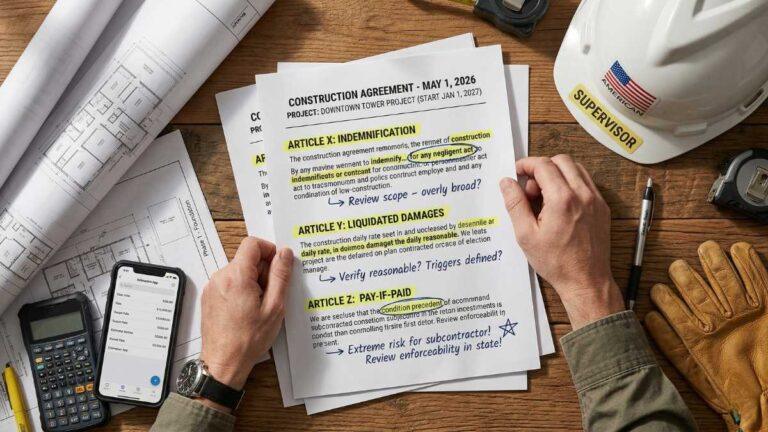
Clear contract language can also help allocate responsibility for risks between project participants. Construction contracts frequently include indemnification clauses that determine how liability is distributed among contractors, subcontractors, and project owners.
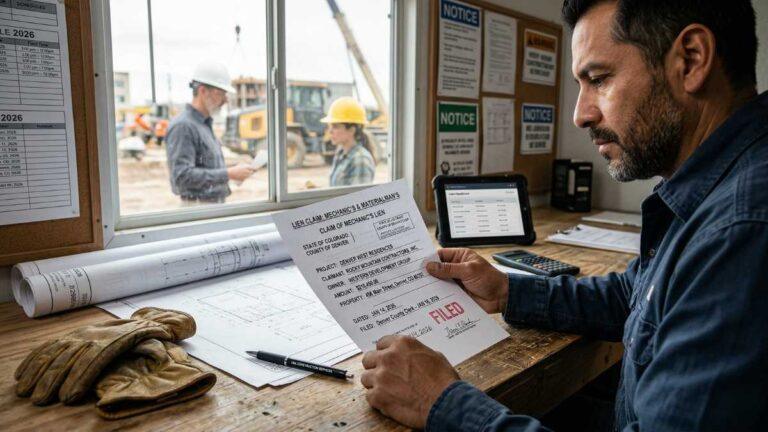
Maintaining detailed project documentation can also protect contractors during disputes. Photographs, inspection reports, and communication records provide valuable evidence if disagreements arise regarding project conditions or responsibilities.
Insurance provides financial protection, but proactive risk management practices help prevent incidents before they occur.
Construction companies that combine strong safety programs with comprehensive insurance coverage are better prepared to manage the uncertainties inherent in construction projects.
More from Builder Inteligence


Frequently Asked Questions
1. Why do construction companies need insurance?
Construction companies need insurance to protect against financial losses caused by accidents, property damage, legal claims, and workplace injuries.
2. What is general liability insurance in construction?
General liability insurance protects contractors against claims involving bodily injury or property damage related to construction activities.
3. Is workers’ compensation insurance required for contractors?
Most states require contractors with employees to carry workers’ compensation insurance to cover workplace injuries.
4. What does builders risk insurance cover?
Builders risk insurance covers damage to buildings and structures while they are under construction.
5. What is professional liability insurance in construction?
Professional liability insurance protects against claims related to design errors or professional mistakes in construction projects.
6. Who requires contractors to carry insurance?
Project owners, lenders, government agencies, and regulatory authorities may require contractors to carry insurance coverage.
7. Can contractors work without insurance?
Working without insurance exposes contractors to significant financial risks and may prevent them from winning projects.
8. Where can contractors learn about insurance requirements?
Insurance requirements can be researched through industry organizations, insurance providers, and regulatory agencies.