Construction insurance has quietly become one of the most destabilizing cost variables in the industry. In 2026, insurance is no longer a background expense handled once a year during renewal. It is an active force shaping bid viability, project feasibility, subcontractor selection, and even market participation. Contractors across the United States are discovering that insurance cost increases are not evenly distributed, not easily predictable, and not easily passed through without consequence.
What makes insurance different from other cost pressures is that it affects access, not just margin. A contractor can absorb higher material costs temporarily. A contractor cannot operate without coverage. This shift has turned insurance into a gatekeeper, influencing who can bid, who can scale, and who is quietly pushed out of certain project types or regions.
Understanding what is changing in construction insurance, and who ultimately pays for it, is now a strategic requirement.

Why construction insurance is rising faster than most input costs
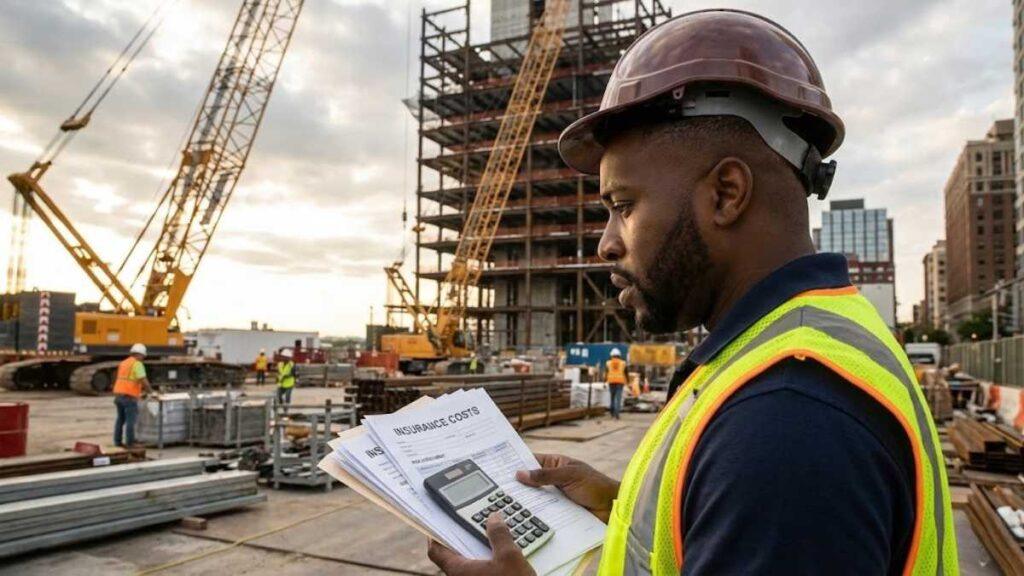
Insurance premiums are increasing because risk exposure has fundamentally changed. Claims frequency is higher. Claim severity is higher. Litigation timelines are longer. Jury awards are larger. Weather-related losses are more frequent. Labor shortages increase accident probability. Subcontractor quality variance increases liability transfer failures.
Insurers are responding by tightening underwriting, increasing deductibles, reducing coverage limits, and exiting markets they consider unstable. The result is not just higher premiums. It is less flexibility, fewer carriers, and more aggressive risk screening.
Contractors with similar revenue can face drastically different insurance costs based on trade mix, geographic footprint, safety records, and subcontractor control.
The trades and project types feeling the pressure first
Not all construction segments are affected equally. Roofing, heavy civil, multifamily, infrastructure-adjacent projects, and projects in hurricane-prone or wildfire-prone regions are seeing disproportionate increases. General contractors with limited subcontractor oversight are also flagged as higher risk.
Projects involving public owners, large footprints, long durations, or complex phasing increase exposure windows, which insurers now price more aggressively. As a result, some contractors are discovering that insurance costs alone can make previously profitable project types unviable.
This is forcing strategic repositioning, not just repricing.
How insurance costs are reshaping bid strategy
Insurance is no longer buried in overhead. Contractors are isolating it explicitly in bids. Owners are asking questions. Lenders are scrutinizing coverage adequacy. Some projects now require higher limits that smaller contractors cannot economically secure.
As premiums rise, contractors face three options. Absorb the cost and compress margins. Pass the cost through and risk losing competitiveness. Or restructure bids to clarify risk allocation.
The most successful bidders are choosing clarity. They explain insurance assumptions. They disclose cost drivers. They align coverage with project-specific exposure. That transparency is becoming a competitive advantage.
Who actually pays the bill in 2026
Despite the perception that contractors pay insurance costs, the reality is more layered. Contractors pay upfront. Owners pay indirectly through higher bids. Subcontractors pay through tighter prequalification and lower tolerance for risk. Lenders pay through stricter compliance requirements. Markets pay through reduced competition.
In many regions, insurance pressure is accelerating market consolidation. Smaller contractors without strong safety systems or financial buffers are exiting higher-risk sectors. Larger firms with sophisticated risk management gain share.
Insurance is quietly reshaping the competitive landscape.
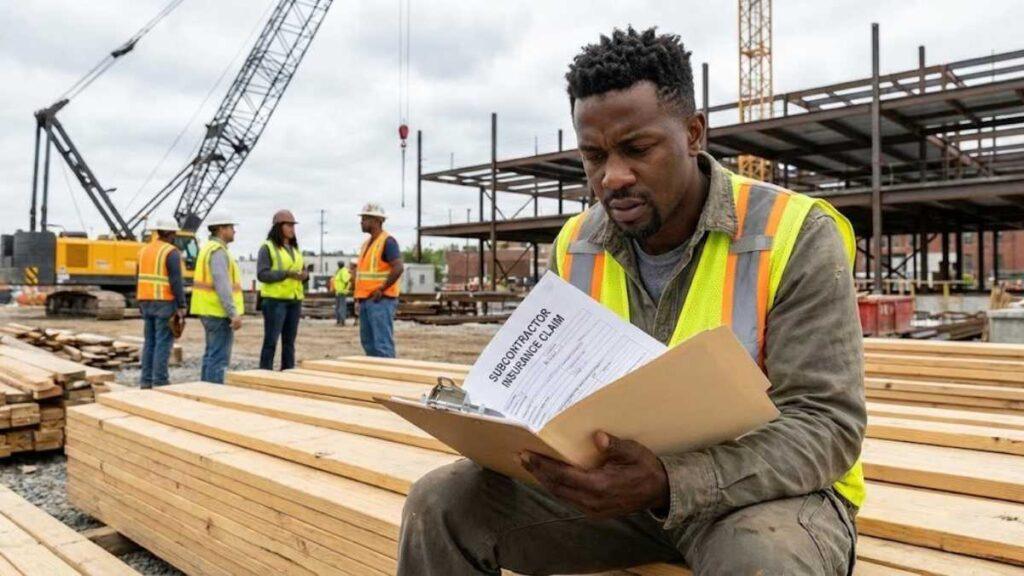
The subcontractor insurance problem no one wants to address
One of the biggest hidden risks is subcontractor insurance adequacy. Many claims originate at the subcontractor level but roll up to the general contractor due to coverage gaps, exclusions, or expired policies.
In response, general contractors are tightening insurance verification, requiring higher limits, and rejecting subs who cannot comply. This reduces the available labor pool and increases pricing power for compliant subcontractors.
Insurance is now directly influencing subcontractor availability and pricing.
Regional GEO pressure and insurance divergence
Insurance costs vary dramatically by state and metro area. Florida, California, Texas, Louisiana, and parts of the Midwest face elevated premiums due to climate risk, litigation environments, and claim history.
Contractors operating across multiple states must now manage insurance as a GEO-sensitive variable. A bid strategy that works in one state may fail in another due solely to insurance structure.
Ignoring this regional divergence leads to mispriced bids and margin erosion.
Why owners are paying more attention now
Owners are seeing projects delayed or repriced due to insurance issues. Some contractors are withdrawing bids after discovering coverage requirements post-award. Others are unable to secure endorsements required by lenders.
As a result, owners are increasingly evaluating contractor insurance strength during prequalification. Insurance is no longer a checkbox. It is a signal of operational stability.
Contractors who treat insurance strategically are moving ahead of those who treat it administratively.
What contractors should do now
Contractors must integrate insurance into operational planning. That means engaging brokers early, modeling premium impacts by project type, tightening subcontractor controls, improving safety documentation, and aligning bid strategy with insurability, not just profitability.
Insurance is no longer something you react to. It is something you design around.
The bigger picture insurance reveals about the market
Rising insurance costs are not temporary. They reflect a riskier construction environment. Labor instability, climate volatility, legal exposure, and project complexity are structural.
Contractors who adapt will survive and grow. Contractors who ignore insurance as a strategic variable will be filtered out quietly.
Insurance is not just a cost. It is a market signal.
Advertising

FAQ – Construction insurance costs in 2026
1. Why are construction insurance premiums rising so fast in 2026?
Construction insurance premiums are rising due to higher claim frequency, larger claim payouts, climate-related losses, labor shortages increasing accident risk, and more aggressive litigation environments. Insurers are pricing long-term risk, not short-term market cycles.
2. Which construction sectors are most affected by insurance cost increases?
Roofing, heavy civil, multifamily, infrastructure-related projects, and work in high-risk geographic regions are seeing the sharpest increases. These sectors combine elevated physical risk with higher litigation exposure.
3. Can contractors pass insurance costs directly to owners?
Contractors can pass some costs through pricing, but success depends on transparency and market conditions. Owners are more willing to accept higher bids when insurance assumptions are clearly explained and justified.
4. How does subcontractor insurance affect general contractors?
Inadequate subcontractor insurance exposes general contractors to claims and coverage gaps. As a result, GCs are tightening requirements, which reduces subcontractor availability and increases project costs.
5. Why does insurance impact competition in construction markets?
Higher insurance requirements eliminate undercapitalized or poorly managed firms from certain project types. This reduces competition and shifts market share toward contractors with stronger risk management systems.
6. How does geography influence construction insurance pricing?
States with higher climate risk, litigation severity, or historical claim activity face higher premiums. Contractors must treat insurance as a GEO-sensitive cost, not a national average.
7. What role do lenders play in insurance requirements?
Lenders often require higher coverage limits, specific endorsements, and compliance verification. Projects can stall or fail if contractors cannot meet lender-driven insurance standards.
8. Is insurance now part of contractor prequalification?
Yes. Owners and construction managers increasingly evaluate insurance strength, coverage structure, and claims history as part of prequalification to reduce downstream risk.
9. What operational changes help control insurance costs?
Improved safety programs, tighter subcontractor oversight, better documentation, proactive broker engagement, and project-type selection all contribute to more favorable insurance outcomes.
11. Are rising insurance costs temporary or structural?
They are structural. The drivers behind insurance inflation reflect long-term changes in construction risk, not short-term market disruptions.