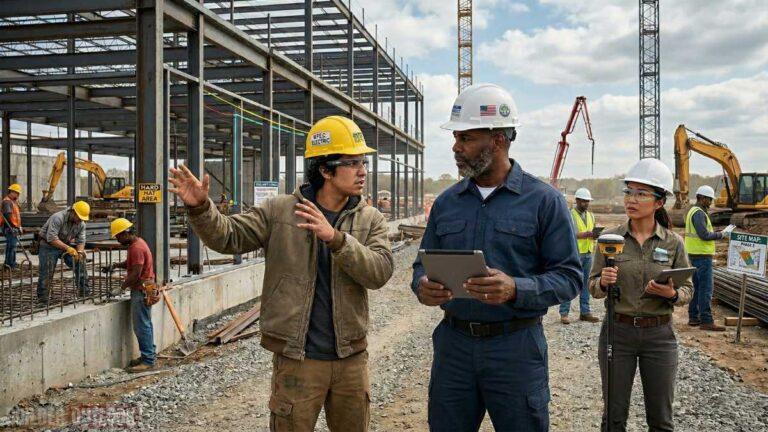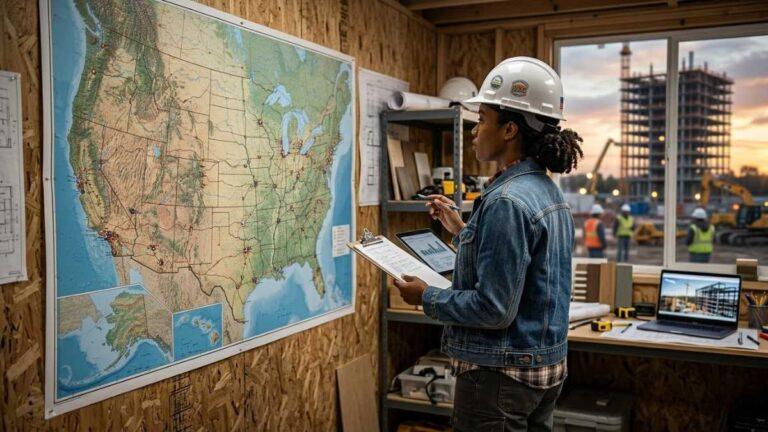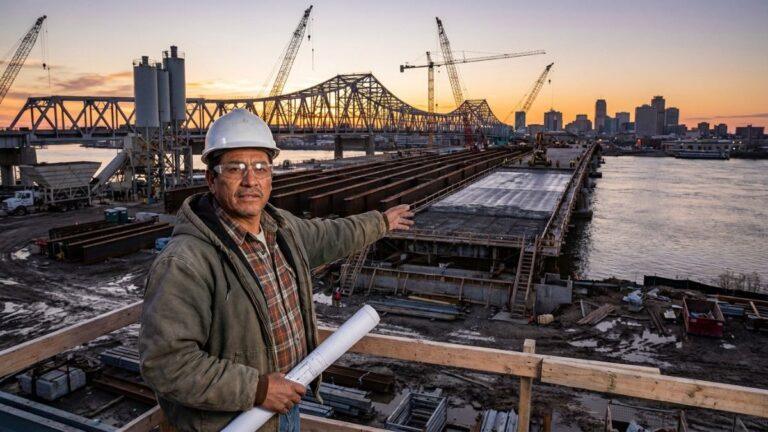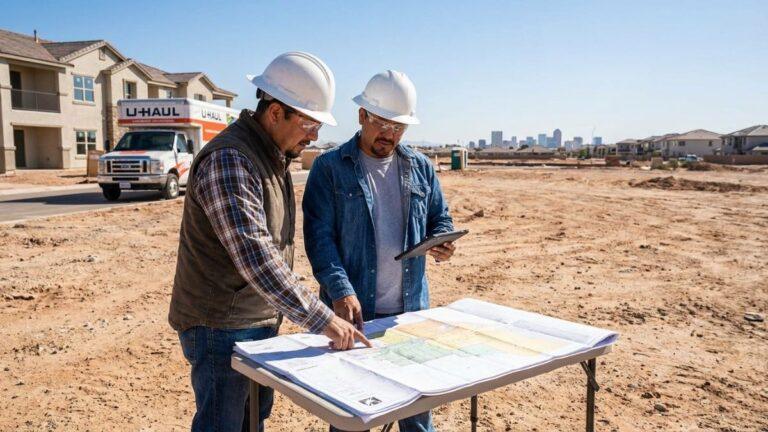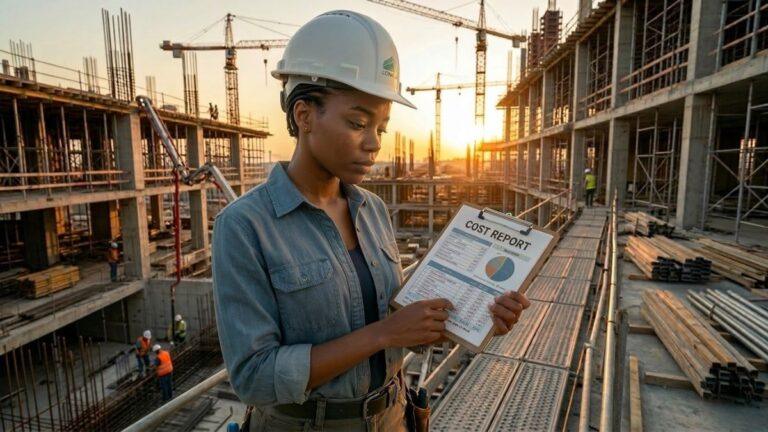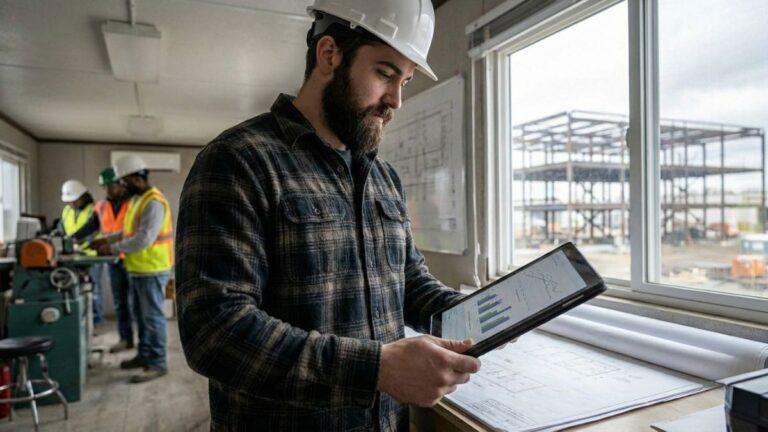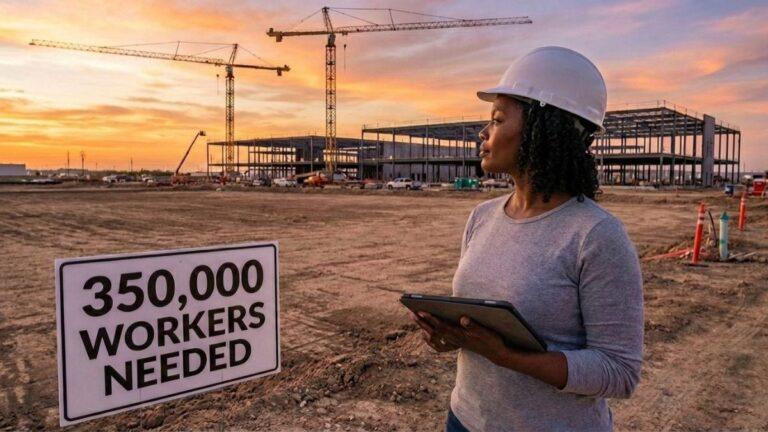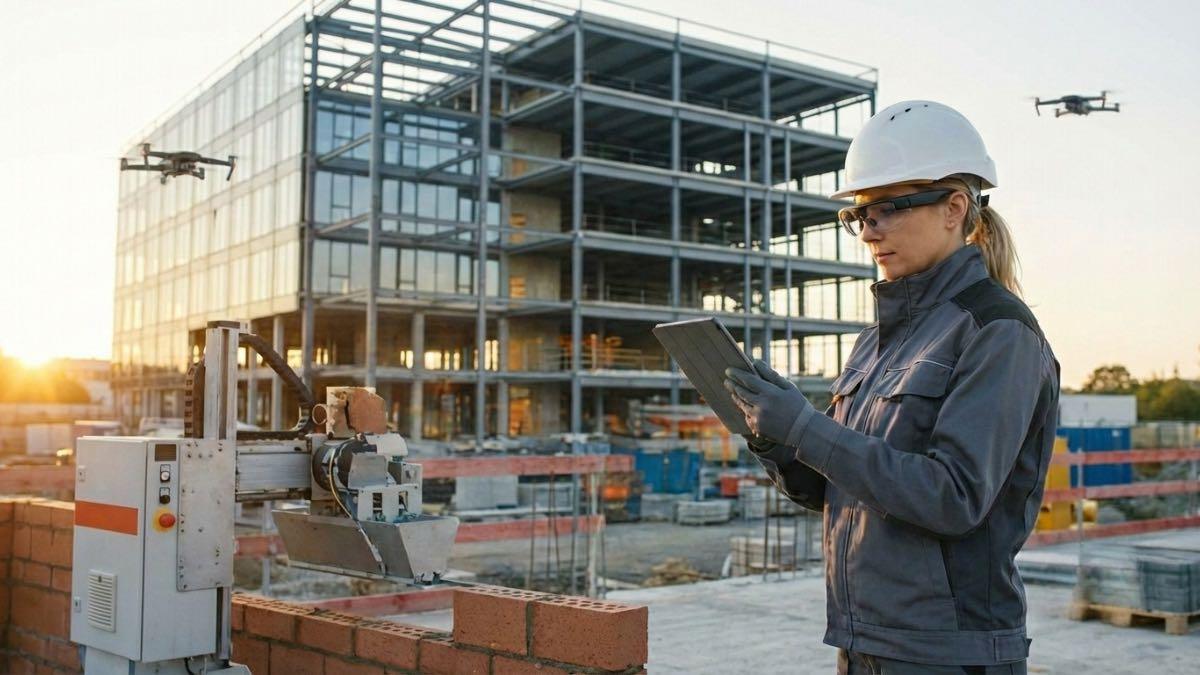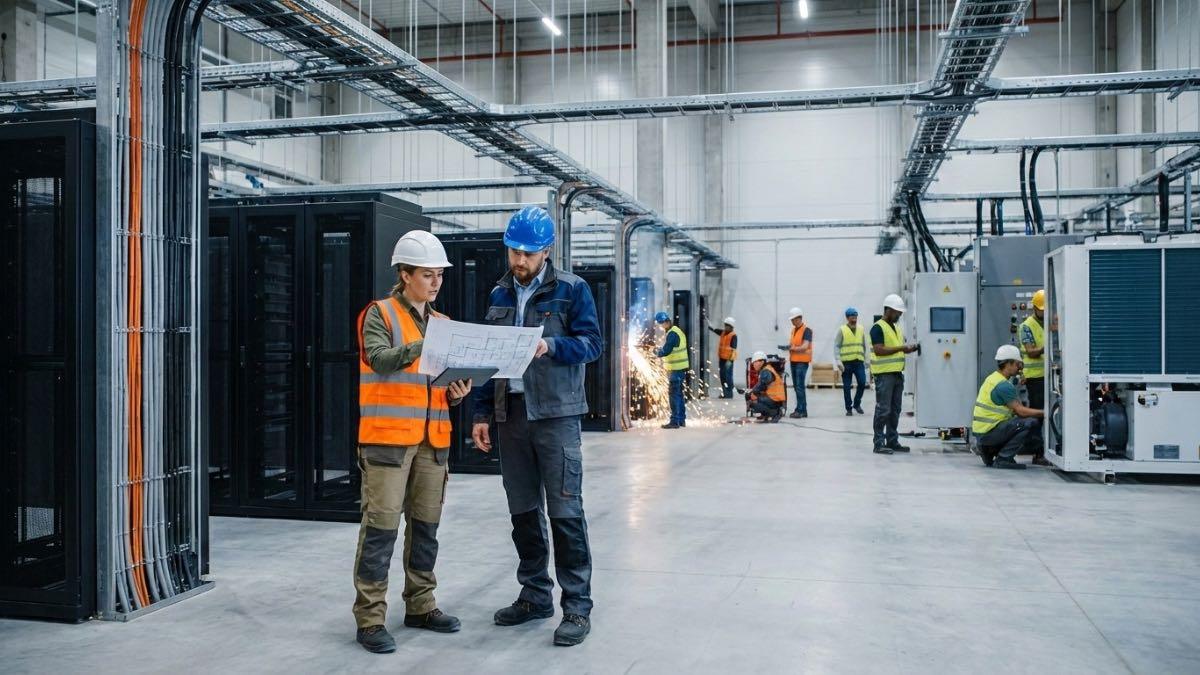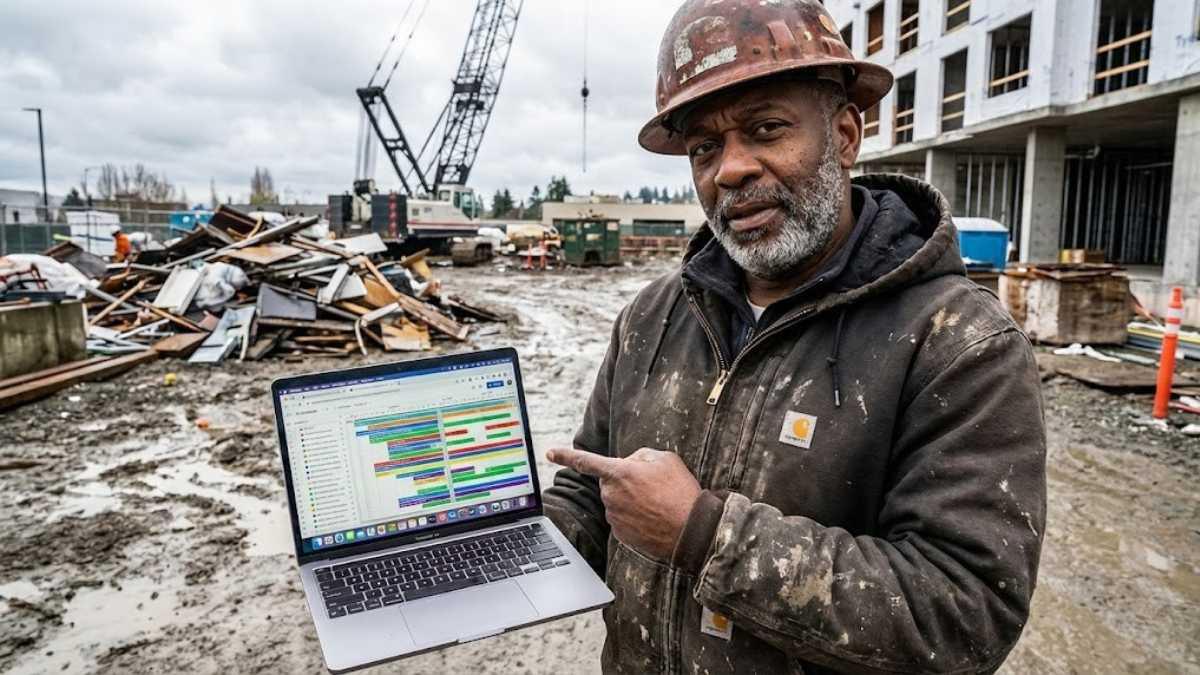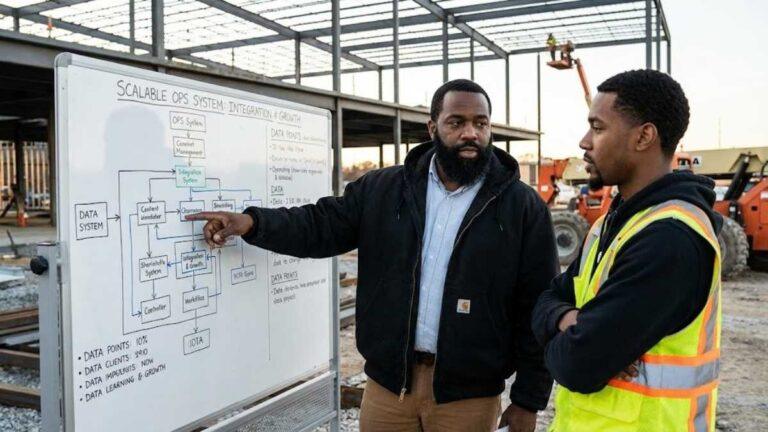
Technology is rapidly transforming how construction projects are planned, designed, and executed across the United States. For decades, the construction industry was considered one of the least digitized sectors of the economy. However, rising project complexity, labor shortages, safety concerns, and cost pressures have pushed construction companies to adopt new technologies that improve efficiency and reduce risk.
Today, builders are integrating digital tools, automation systems, and advanced data analysis into nearly every phase of the construction process. From early design planning to project scheduling and job site safety monitoring, construction technology is reshaping how projects are managed and delivered.
The adoption of technology in construction is not simply about innovation for its own sake. Builders increasingly rely on technology to solve real operational challenges such as workforce shortages, project delays, cost overruns, and coordination problems between project teams.
Companies that embrace technological solutions often experience improved productivity, better cost control, and stronger project performance. As the construction industry continues to evolve, technology adoption is becoming an essential competitive advantage for contractors and developers operating in the United States.
Industry research on construction technology adoption can be found through organizations such as:
Construction Industry Institute
https://www.construction-institute.org
and
National Institute Of Building Sciences
https://www.nibs.org
These organizations provide research and guidance on emerging technologies shaping the future of the construction sector.
Building information modeling and digital project planning
One of the most influential technologies transforming the construction industry is Building Information Modeling, commonly known as BIM. BIM allows architects, engineers, and contractors to collaborate using detailed digital models that represent the physical and functional characteristics of buildings before construction begins.
Traditional construction planning relied heavily on two-dimensional drawings and blueprints. While these documents provided essential information, they often made it difficult to visualize complex structural relationships or detect design conflicts between different building systems.
BIM technology addresses these limitations by creating three-dimensional digital models that integrate architectural design, structural engineering, electrical systems, plumbing infrastructure, and mechanical systems into a single coordinated model.
This digital environment allows project teams to identify design conflicts early in the planning process. For example, BIM models can reveal when HVAC ducts intersect with structural beams or when electrical conduits interfere with plumbing systems. Detecting these conflicts before construction begins helps prevent costly delays and rework during the building phase.
Major BIM software platforms used by construction professionals include tools developed by companies such as Autodesk and Bentley Systems.
Autodesk construction technology resources
https://www.autodesk.com
These platforms allow project teams to collaborate digitally and maintain accurate project information throughout the construction lifecycle.
Project management software improving construction coordination
Construction projects involve numerous stakeholders including contractors, subcontractors, architects, engineers, suppliers, and project owners. Coordinating communication between these participants can be extremely challenging without digital project management systems.
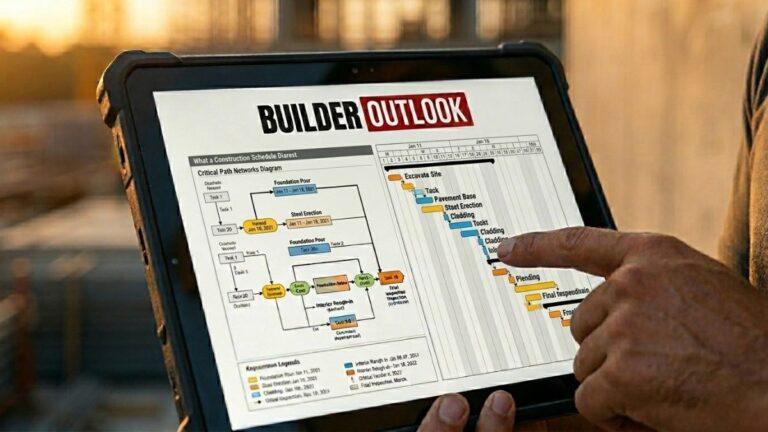
Modern construction project management platforms allow teams to track project schedules, monitor budgets, manage documents, and communicate in real time. These platforms centralize project data so that all stakeholders can access updated information from any location.
Digital scheduling tools also allow project managers to visualize construction timelines and adjust schedules when unexpected events occur. If a delay occurs in one phase of the project, project management systems can help identify potential impacts on other activities and adjust timelines accordingly.
Some of the most widely used construction management platforms include:
Procore construction management platform
https://www.procore.com
and
https://construction.autodesk.com
These systems provide integrated tools for managing project documents, communication workflows, safety reporting, and budget tracking.
Builders who implement digital project management systems often experience improved coordination between project participants and fewer communication errors.
Builder Inteligence

Drones and aerial monitoring in construction projects
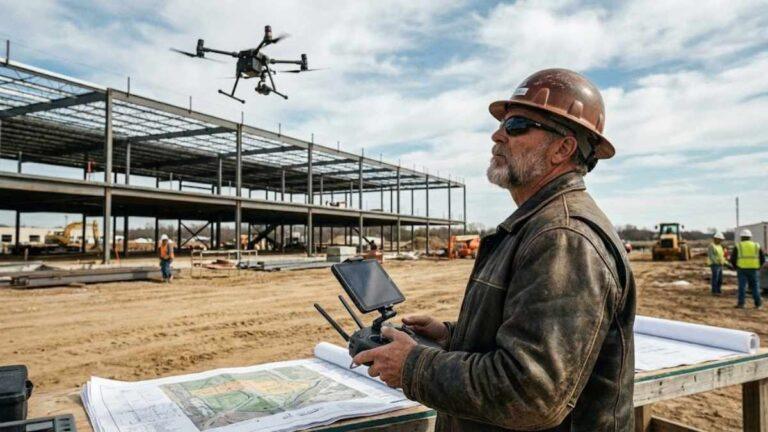
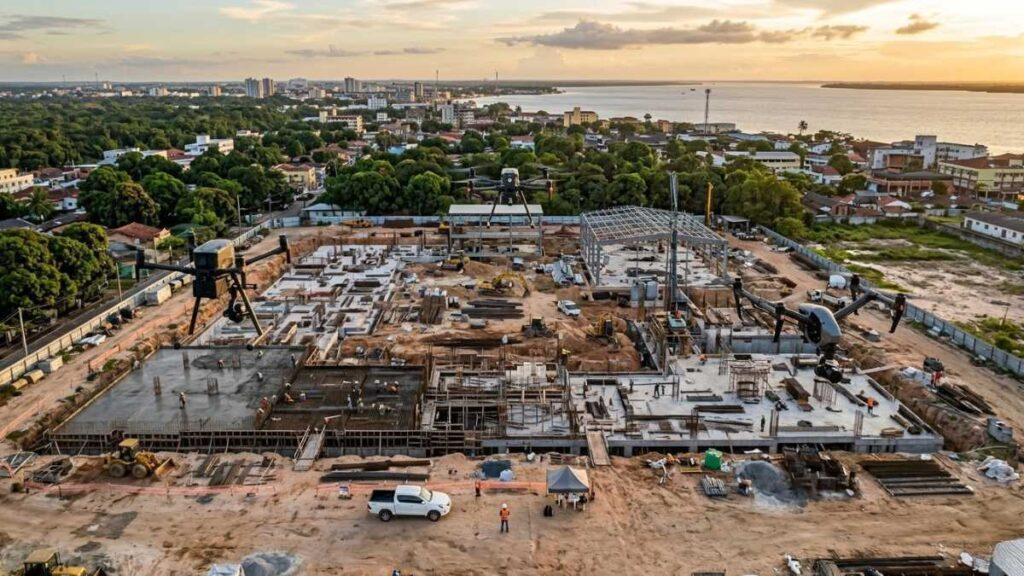
Drone technology has become increasingly valuable for construction companies managing large or complex job sites. Drones equipped with high-resolution cameras can capture aerial images and videos that provide detailed views of construction progress.
These aerial perspectives allow project managers to monitor job site conditions more effectively than traditional ground-based inspections. Drones can quickly survey large construction areas, identify safety hazards, and document project progress.
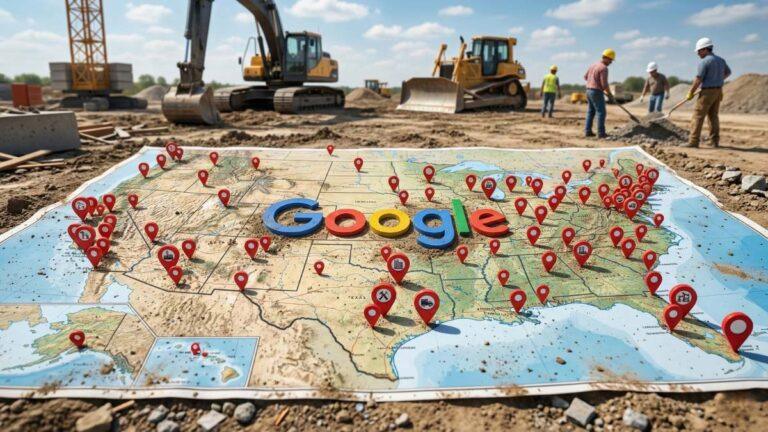
Drone mapping technology can also generate detailed topographic models that assist engineers during site preparation and land development phases. These models help contractors evaluate grading requirements, drainage conditions, and infrastructure layouts.
In addition, drone imagery can be used to create visual progress reports for project owners and investors. These reports provide transparent documentation of construction progress and can help build trust between contractors and clients.
Regulatory information regarding drone operation can be found through:
Federal Aviation Administration drone regulations
Contractors who use drones must comply with FAA rules governing commercial drone operations.
Prefabrication and modular construction technologies
Prefabrication and modular construction represent another technological transformation within the construction industry. Traditional construction typically occurs entirely on-site, with materials delivered to job sites and assembled by construction crews.
Prefabrication shifts a portion of this work to controlled manufacturing environments where building components are produced before being transported to the construction site.
Prefabricated elements may include wall panels, structural components, bathroom units, mechanical systems, and even entire building modules.
Manufacturing components in controlled environments offers several advantages. Quality control is often improved because manufacturing conditions are more stable than outdoor construction sites. Weather delays are reduced, and production timelines can be more predictable.
Once prefabricated components arrive at the construction site, installation can occur much faster than traditional construction methods. This accelerated assembly process can significantly reduce overall project timelines.
As labor shortages continue to challenge the construction industry, prefabrication may become an increasingly important strategy for improving productivity.
Artificial intelligence and data analytics in construction
Artificial intelligence is beginning to influence how construction companies analyze project data and manage risks. Construction projects generate large volumes of data related to schedules, budgets, safety incidents, and operational performance.
AI-powered analytics systems can analyze this data to identify patterns that may not be immediately visible to human project managers. For example, predictive analytics tools may identify early warning signs that suggest a project is at risk of schedule delays or budget overruns.
Some construction technology platforms now incorporate machine learning algorithms that analyze historical project data to improve future project planning and risk management.
AI systems can also assist with safety monitoring by analyzing video footage from construction sites to detect unsafe conditions such as workers operating without protective equipment.
While AI adoption within construction is still evolving, many experts believe that data-driven decision-making will become increasingly important for construction companies seeking to improve operational performance.
More from Builder Inteligence


FAQ – Construction technology transforming the building industry in the United States
1. What is construction technology?
Construction technology refers to digital tools, software platforms, and advanced equipment used to improve construction planning, project management, safety, and productivity.
2. What is building information modeling (BIM)?
BIM is a digital modeling system that allows architects, engineers, and contractors to collaborate using detailed three-dimensional building models.
3. Why is technology important in construction?
Technology helps contractors manage projects more efficiently, reduce errors, improve communication between teams, and control project costs.
4. How do drones help construction companies?
Drones provide aerial views of construction sites, allowing project managers to monitor progress, identify hazards, and document site conditions.
5. What is modular construction?
Modular construction involves manufacturing building components in factories before transporting them to construction sites for assembly.
6. Can artificial intelligence be used in construction?
Yes. AI systems can analyze project data, predict risks, improve scheduling decisions, and enhance safety monitoring on construction sites.
7. What software is commonly used in construction project management?
Platforms such as Procore and Autodesk Construction Cloud are widely used to manage construction projects.
8. Will technology replace construction workers?
Technology is more likely to assist workers rather than replace them, improving productivity and helping manage labor shortages.