Why jobsite cameras moved from “nice to have” to operational asset
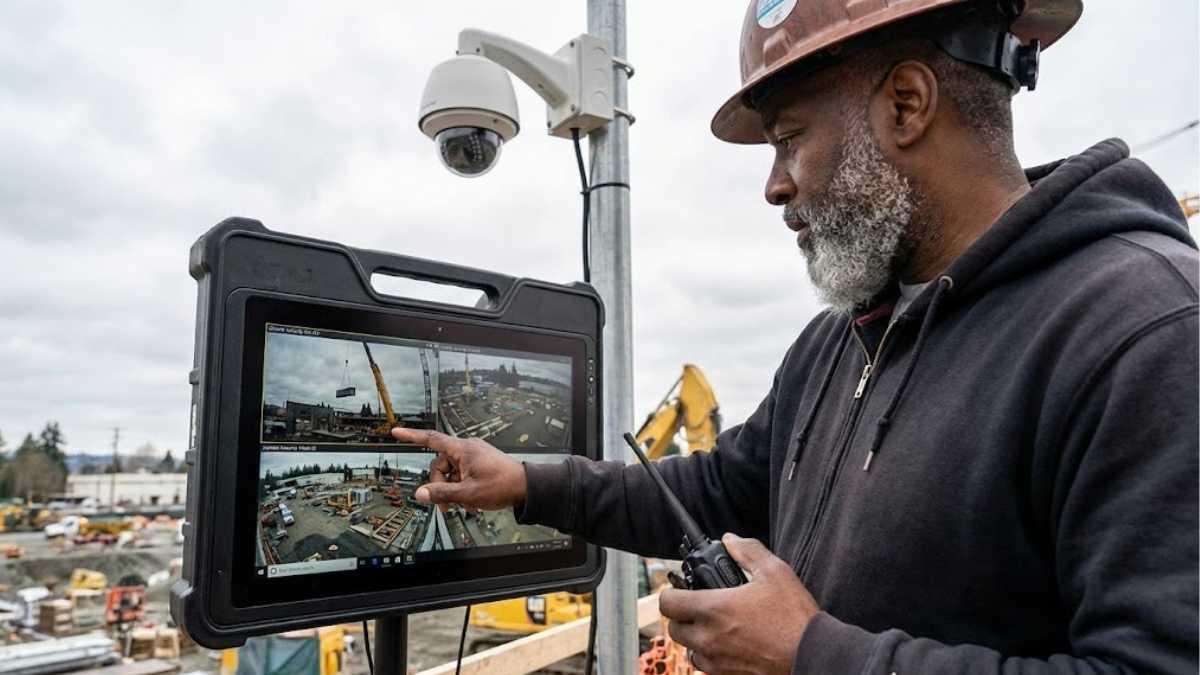
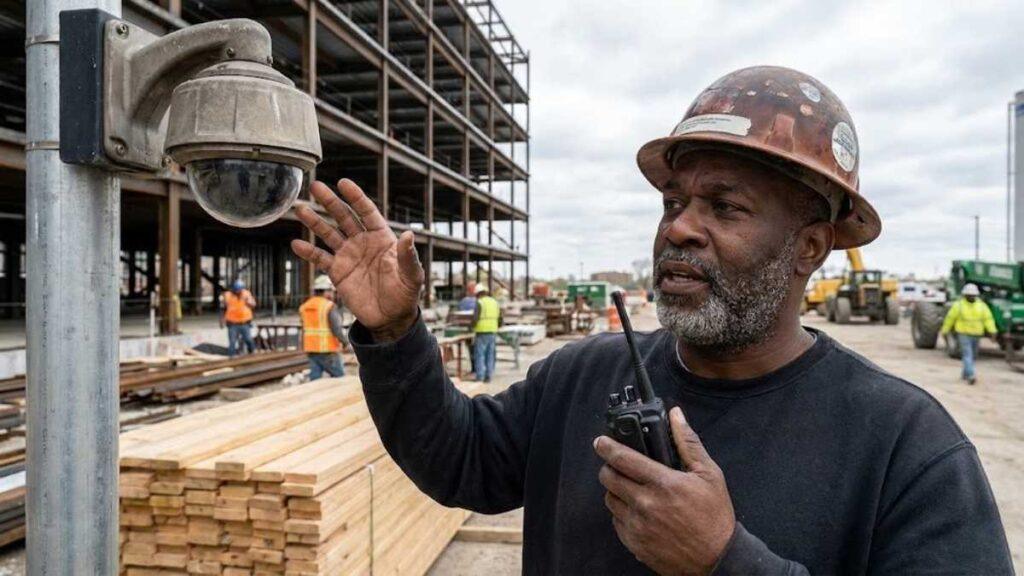
Jobsite cameras stopped being viewed as simple visual add-ons and became operational infrastructure because construction risk has changed. Owners, lenders, insurers, and internal leadership now demand continuous visibility, not periodic reporting. In 2026, the tolerance for ambiguity around progress, responsibility, and delays is extremely low. Cameras respond directly to this shift by providing time-stamped, objective records of reality.
The real value of jobsite cameras is not surveillance. It is certainty. Construction projects involve dozens of decisions daily that later become points of disagreement. Cameras create a shared source of truth that reduces interpretation, memory bias, and selective reporting. When disputes arise, visual records replace arguments with evidence.
This shift is especially important in complex projects where multiple trades overlap. Cameras document sequencing, access constraints, and site conditions in ways that written reports cannot. They capture what schedules and daily logs often miss. This transforms cameras from passive observation tools into active risk management systems.
As projects grow more compressed and litigious, contractors who treat cameras as optional are increasingly exposed. Those who integrate them into operations gain leverage, credibility, and control over narratives that previously escaped documentation.
How cameras reduce disputes before they escalate
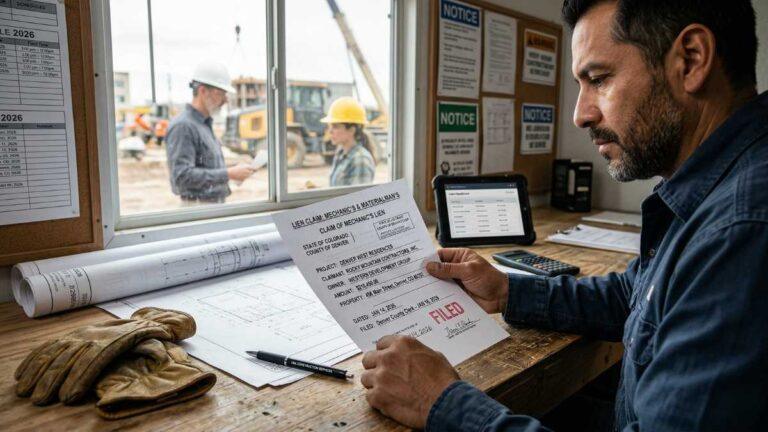
Disputes rarely start with major failures. They begin with small disagreements over access, readiness, or responsibility. Jobsite cameras intervene at this early stage by providing objective timelines. When a subcontractor claims delayed access or an owner questions progress, visual records quickly establish facts without escalation.
This reduces legal exposure and administrative overhead. Instead of assembling emails, logs, and recollections, teams reference visual evidence. This shortens dispute resolution cycles and lowers legal costs. Insurers increasingly recognize this value, often viewing camera usage as a risk mitigation factor.
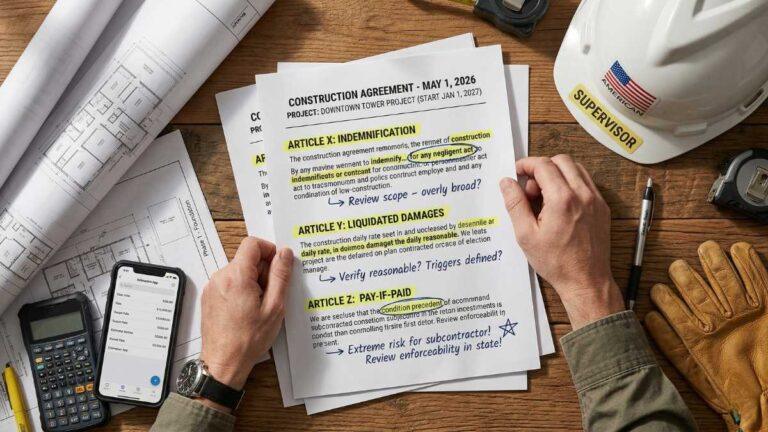
Cameras also protect contractors from unfair blame. Weather impacts, late material deliveries, and owner-driven changes are clearly documented. This transparency strengthens change order justification and schedule relief requests. Without cameras, these claims rely heavily on subjective documentation that is easy to challenge.
Importantly, cameras change behavior. When teams know that work is documented continuously, coordination improves. Accountability becomes proactive rather than reactive, reducing the number of disputes that form in the first place.
Progress proof and owner confidence
Owners care less about how work is done and more about whether progress aligns with commitments. Jobsite cameras deliver progress proof without requiring constant site visits. This is especially valuable for absentee owners, institutional investors, and lenders managing multiple projects simultaneously.
Progress proof builds trust. When owners can independently verify milestones, conversations shift from suspicion to collaboration. This trust accelerates approvals, reduces micromanagement, and lowers friction across the project lifecycle. Contractors who provide this visibility differentiate themselves as low-risk partners.
Cameras also enhance reporting quality. Progress meetings supported by visual timelines are more productive. Teams focus on solutions instead of debating facts. This improves decision speed, which is critical in volatile environments where delays compound rapidly.
In competitive markets, this transparency becomes a selling point. Contractors who demonstrate disciplined documentation and progress visibility signal maturity and professionalism that owners increasingly expect by default.
Calculating real ROI beyond cost savings
The ROI of jobsite cameras cannot be measured solely by direct cost savings. Their true value lies in avoided losses. Reduced disputes, faster approvals, fewer claims, and stronger owner relationships generate returns that far exceed subscription costs.
Operational efficiency also improves. Project managers spend less time clarifying past events and more time managing forward progress. Field teams align better when expectations are visually reinforced. These productivity gains accumulate quietly but significantly across portfolios.
There is also reputational ROI. Contractors who consistently deliver transparent projects build trust with repeat clients and lenders. This trust translates into negotiated work, reduced bonding friction, and smoother financing discussions.
Cameras indirectly support revenue stability by strengthening relationships.
In 2026, jobsite cameras are not about watching work. They are about protecting margins, accelerating decisions, and proving performance in an industry where evidence now matters more than explanations.


FAQ – The ROI of jobsite cameras: trust, disputes, and progress proof
1. Do jobsite cameras actually reduce construction disputes?
Yes. Cameras provide objective, time-stamped evidence that resolves disagreements early. By clarifying access, sequencing, and progress, they prevent minor issues from escalating into formal disputes or claims.
2. Are jobsite cameras mainly for owners or contractors?
They benefit both. Owners gain transparency and confidence, while contractors protect themselves from unfair claims, strengthen change order justification, and reduce administrative and legal exposure.
3. How do cameras improve project management efficiency?
They reduce time spent reconstructing events, improve coordination between trades, and support faster decision making during progress meetings by grounding discussions in visual evidence.
4. Can cameras help with insurance and risk management?
Yes. Insurers increasingly recognize cameras as risk mitigation tools. Visual documentation supports claims defense and demonstrates proactive risk management practices.
5. Is the cost of jobsite cameras justified on smaller projects?
Even on smaller projects, avoided disputes, faster approvals, and improved owner trust often outweigh costs. ROI is driven by risk reduction, not project size.