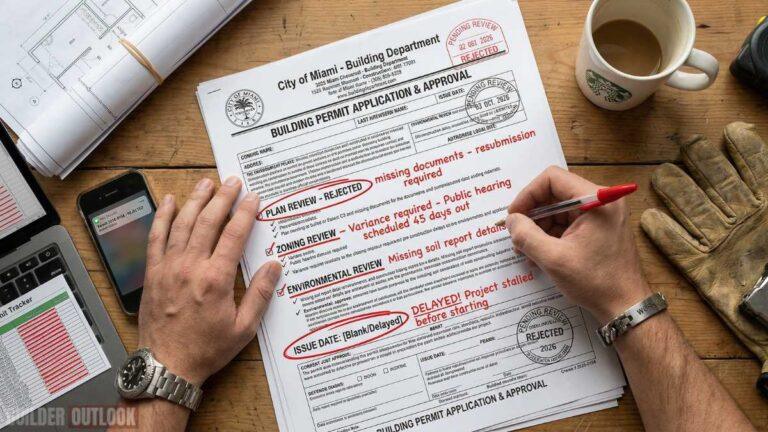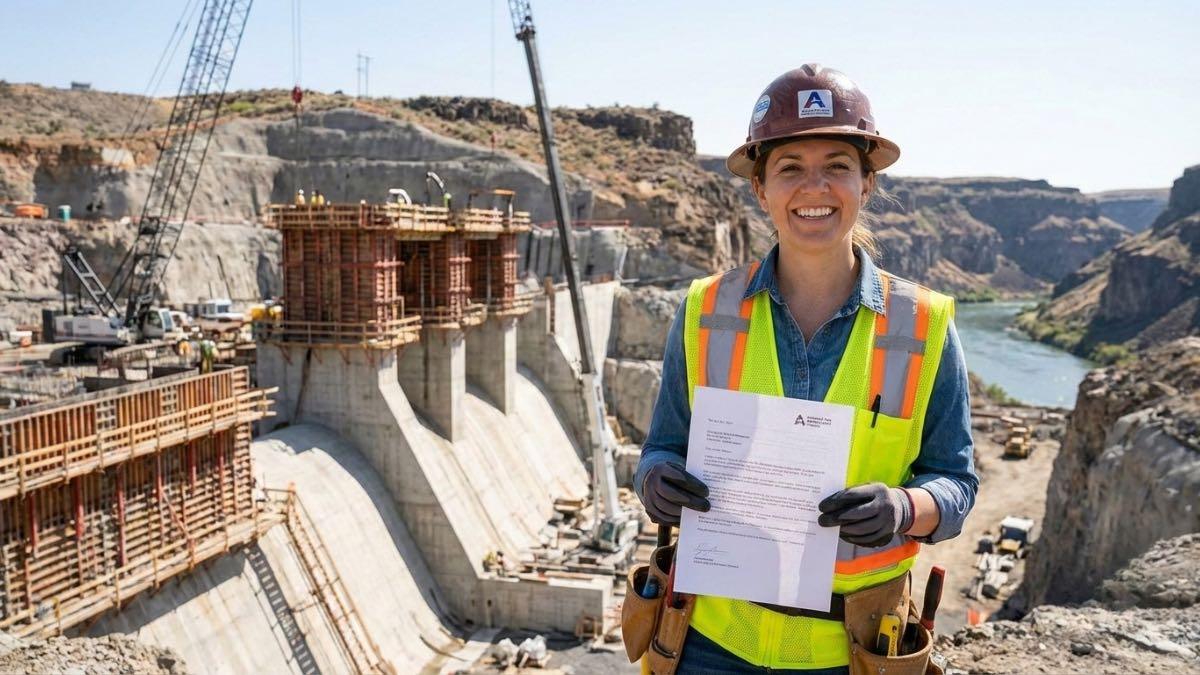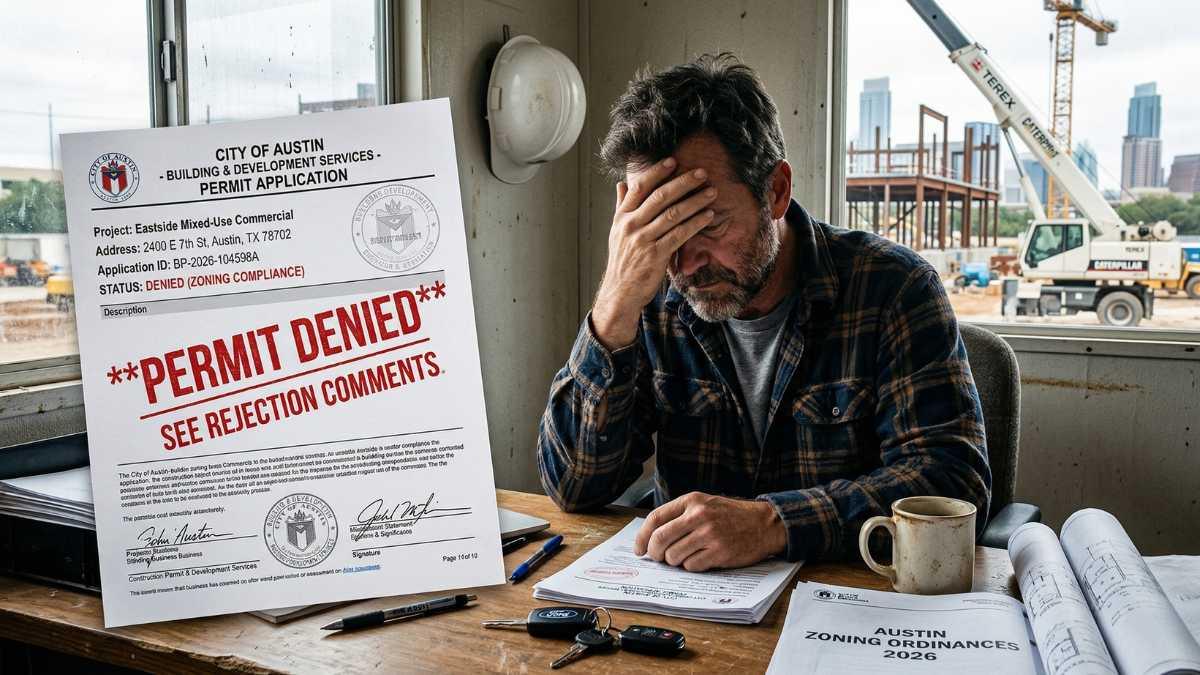
Permit denial is one of the few moments in construction where time, capital, and control collapse at the same time. It doesn’t matter if you have financing lined up, subcontractors ready, materials quoted, or a client pushing for execution — when a permit is denied, everything stops.
And in 2026, this is happening more often than most builders are willing to admit.
Across the United States, the permitting environment has shifted. Municipalities are under pressure to control density, enforce stricter compliance, and avoid long-term liability. Plan reviews are more detailed. Zoning enforcement is less flexible. Environmental considerations are expanding. And local departments are no longer acting as passive approval channels — they are acting as gatekeepers.
The mistake most builders make is treating permit denial as a temporary setback. It is not. It is a signal that something in the project — structurally, legally, or strategically — is misaligned with the system that controls project initiation.
The real problem is not the denial itself. The real problem is that most contractors do not have a structured response system. They react. They rush. They resubmit without clarity. And that is where weeks turn into months, and manageable issues turn into financial damage.
This article is not about permits in general. It is about what actually needs to happen after denial — in real projects, under real pressure, with real consequences.
WHAT A PERMIT DENIAL REALLY MEANS (AND WHY MOST BUILDERS MISREAD IT)
A permit denial is rarely a final rejection. In most cases, it is a form of feedback — but it is feedback delivered in a way that is often incomplete, technical, and sometimes ambiguous.
The problem is that builders interpret it emotionally instead of strategically.
They see denial as failure.
Municipalities see denial as misalignment.
That difference matters.
When a permit is denied, one of three things is happening beneath the surface. Either the submission is technically incomplete, the design conflicts with local codes or zoning, or the project itself is pushing against regulatory boundaries that require negotiation rather than simple compliance.
Most contractors treat all denials the same. That is the first mistake.
A missing document is not the same as a zoning conflict.
A code violation is not the same as a discretionary review issue.
An administrative rejection is not the same as a structural design problem.
Without correctly identifying the type of denial, every next step becomes inefficient.
This is why experienced builders slow down immediately after denial — not to delay, but to regain control.
THE REAL COST OF RESPONDING WRONG
The financial cost of permit denial is not in the resubmittal fee. It is in what happens while the project is paused.
Subcontractors move on to other jobs.
Material pricing expires.
Financing windows tighten.
Clients lose confidence.
Internal schedules collapse.
And most importantly, the project stops generating forward momentum.
Momentum in construction is not a soft concept — it is operational leverage. When a project is moving, decisions are easier, teams stay aligned, and cost control is more predictable. When a project stops, everything becomes reactive.
Builders who respond poorly to permit denial don’t just lose time. They lose positioning.
This is why the response system matters more than the denial itself.
Builder Inteligence

THE RECOVERY SYSTEM: HOW SERIOUS BUILDERS REGAIN CONTROL
The first move after denial is not correction. It is clarity.
Before touching drawings, before calling consultants, before resubmitting anything, you need to fully understand what happened. Not at a surface level, but at a structural level.
That means reading every comment, identifying patterns, and separating symptoms from root causes.
If multiple comments point to the same issue, that issue is structural.
If comments are scattered, the problem is likely coordination or documentation.
This distinction changes everything.
Once the cause is clear, the next step is classification. Builders operating at a high level do not treat every issue equally. They prioritize based on impact.
A technical correction might take hours.
A zoning issue might require weeks.
A regulatory conflict might require a completely different strategy.
This is where most projects lose time — not because the problem is complex, but because the response is unstructured.
After classification comes decision-making.
You are not just fixing a permit. You are deciding how the project moves forward.
In some cases, the best move is a clean resubmission with corrected documentation. In others, it is adjusting the scope to align with zoning constraints. In more complex situations, it may involve engaging with the municipality, requesting clarification, or even preparing for appeal.
This is not about speed. It is about precision.
Fast resubmissions without clarity often result in repeated denial — and that is where real delays begin.
WHERE MOST PROJECTS BREAK: THE GAP BETWEEN DESIGN AND APPROVAL
One of the most common reasons for permit denial is not lack of compliance, but lack of alignment between design intent and regulatory expectation.
Architects design for function and aesthetics.
Engineers design for performance.
Municipalities review for compliance and risk.
These perspectives do not always align naturally.
Builders who assume that a completed design is automatically approvable are operating with outdated assumptions. In 2026, approval is a separate phase that requires its own strategy.
This is why experienced contractors treat permitting as part of preconstruction — not as a post-design step.
They anticipate friction.
They validate assumptions early.
They reduce surprises before submission.
When this does not happen, denial becomes the point where all misalignment surfaces at once.
HOW HIGH-PERFORMANCE BUILDERS PREVENT REPEAT DENIAL
The goal after a denial is not just approval. It is preventing the same issue from happening again — in the same project and in future ones.
This requires more than fixing drawings. It requires upgrading the system.
Builders who evolve after denial typically do three things differently.
First, they improve documentation quality. Not just completeness, but clarity. Municipal reviewers are not interpreting intent — they are verifying compliance. The clearer the submission, the faster the review.
Second, they build better coordination between stakeholders. Misalignment between architect, engineer, and contractor is one of the biggest hidden causes of rejection.
Third, they develop a pre-submission validation process. This can include internal reviews, third-party checks, or early conversations with local departments.
These steps do not eliminate denial completely. But they reduce its frequency and impact.
WHY PERMITTING IS NOW A STRATEGIC ADVANTAGE
In a market where demand is uneven, costs are volatile, and timelines are tight, the ability to move a project from concept to approval efficiently is becoming a competitive advantage.
Builders who understand permitting deeply move faster.
Builders who treat it as paperwork move slower.
And speed, in this context, is not about rushing. It is about removing friction.
The contractors who dominate in 2026 are not the ones who avoid problems. They are the ones who resolve them faster, with less disruption.
Permit denial is not the end of a project. But it is a moment that exposes how prepared a builder really is.
In today’s construction environment, success is no longer defined only by execution on site. It starts much earlier — in how projects are approved, structured, and aligned with regulatory systems.
Builders who treat permitting as a strategic function — not an administrative step — will protect their timelines, preserve their margins, and maintain control even under pressure.
Everyone else will continue reacting.
More from Builder Inteligence

Frequently Asked Questions
1. What should builders do immediately after a permit denial?
Builders should pause and analyze the denial in detail instead of rushing to resubmit. Understanding the root cause ensures that corrections address the real issue and prevents repeated delays.
2. Are permit denials final in most U.S. projects?
No. Most permit denials are conditional and allow for correction or resubmission. They typically indicate misalignment with codes, documentation gaps, or regulatory interpretation issues.
3. How long can permit recovery take?
Recovery time depends on the complexity of the issue. Minor corrections can take days, while zoning or regulatory conflicts may take weeks or months to resolve effectively.
4. Can contractors appeal permit denials?
Yes, in many jurisdictions. Appeals are usually applicable in zoning or interpretation disputes and require proper documentation and often professional assistance.
5. What causes most permit denials?
The most common causes include incomplete documentation, code violations, zoning conflicts, and poor coordination between design professionals and contractors.
6. Should builders involve consultants after denial?
In complex cases, yes. Zoning consultants, architects, or legal professionals can significantly reduce recovery time and improve approval outcomes.
7. How does permit denial affect project costs?
Delays increase costs through extended timelines, lost subcontractor availability, price changes in materials, and financing pressure.
8. How can builders reduce the risk of denial?
By improving submission quality, validating compliance early, coordinating teams effectively, and treating permitting as a strategic phase of the project.